Patagonia, a vast landmass located at the southernmost tip of South America, straddling Argentina and Chile, is a wildlife paradise with diverse ecosystems. It boasts mountains, forests, lakes, grasslands, and harsh wilderness, nurturing a rich and unique array of native animal resources. This article will provide an in-depth introduction to 25 common Patagonian animals, their habits, habitats, and conservation status, offering valuable information for nature lovers and wildlife researchers.
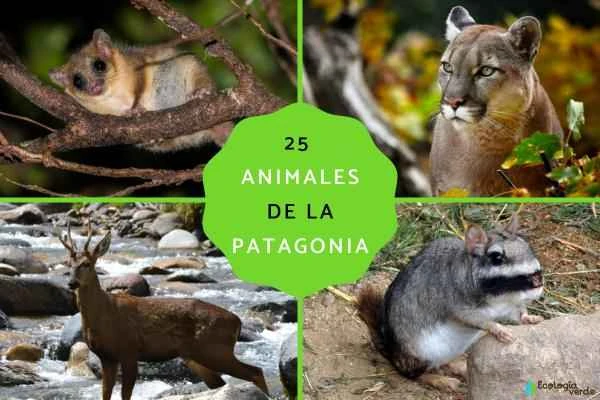
I. Representative mammals of Patagonia
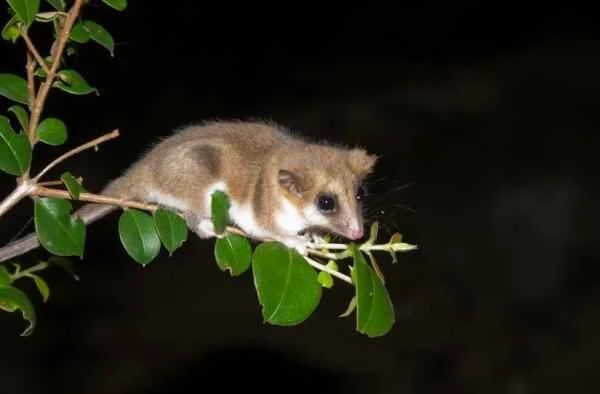
1. Mountain opossum (Monito del monte)
Scientific name: Dromiciops gliroides
Type: Small marsupial mammal
Characteristics: Inhabits the Andean-Patagonia forests, is a key seed disperser, and is more closely related to Australian marsupials.
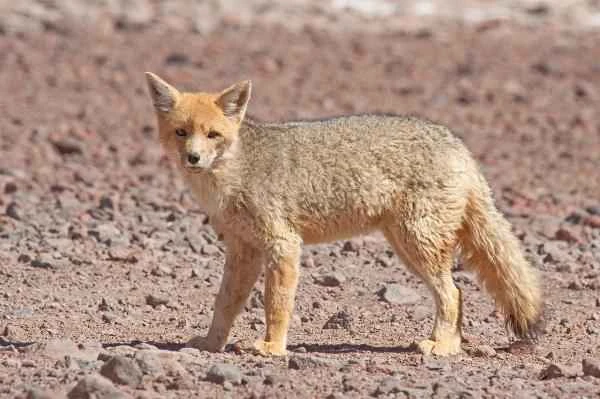
2. Patagonian Red Fox (Zorro colorado)
Scientific name: Lycalopex culpaeus
Type: Nocturnal carnivorous mammal
Characteristics: It has a thick tail, its diet includes rabbits and rodents, and it is often hunted by humans for attacking livestock.
3. Prairie cat (Gato de pajonal)
Scientific name: Leopardus colocolo
Type: Small feline
Characteristics: Prefers to live in grass and bush, feeds on small birds and rodents, and is threatened by human persecution and habitat fragmentation.

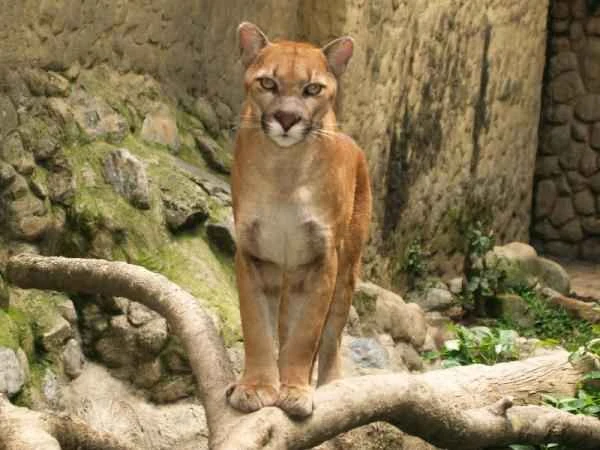
4. Puma
Scientific name: Puma concolor
Type: Top Predator
Characteristics: Widely distributed, nocturnal, helps control the balance of prey populations.
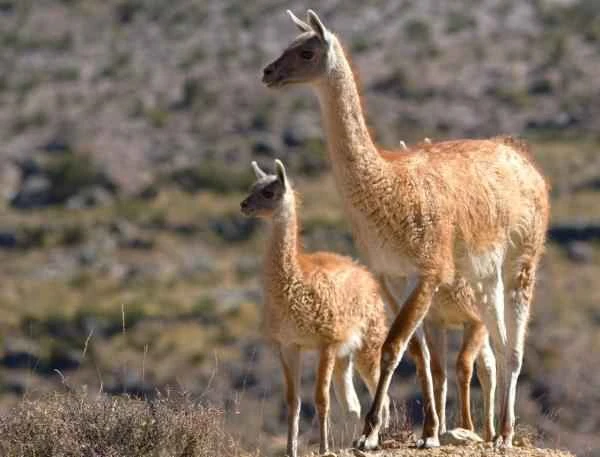
5. Guanaco (Llama)
Scientific name: Lama guanicoe
Type: Herbivorous ungulates
Characteristics: The largest wild camel in South America, it lives in groups and is diurnal.
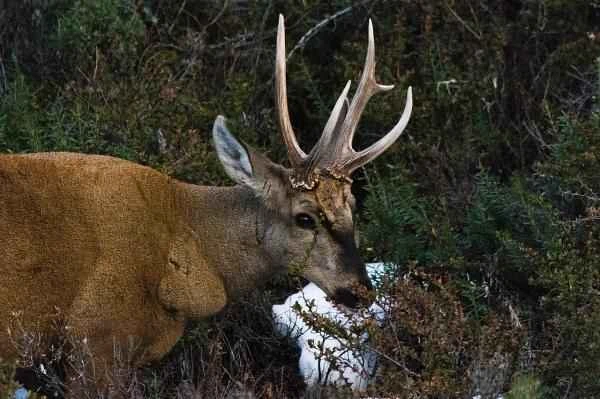
6. Huemul (South Andean Deer)
Scientific name: Hippocamelus bisulcus
Type: Endangered deer
Characteristics: Unique to Argentina and Chile, listed as a national natural monument, active in high mountain forests.
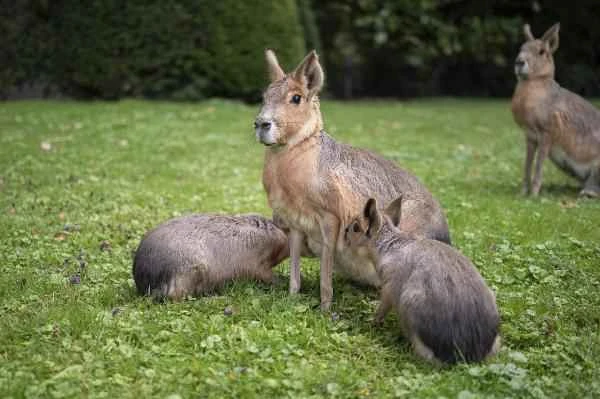
7. Patagonian hare (Mara)
Scientific name: Dolichotis patagonum
Type: Large rodents
Characteristics: Fast runner, gregarious, active during the day, digs burrows to avoid danger.
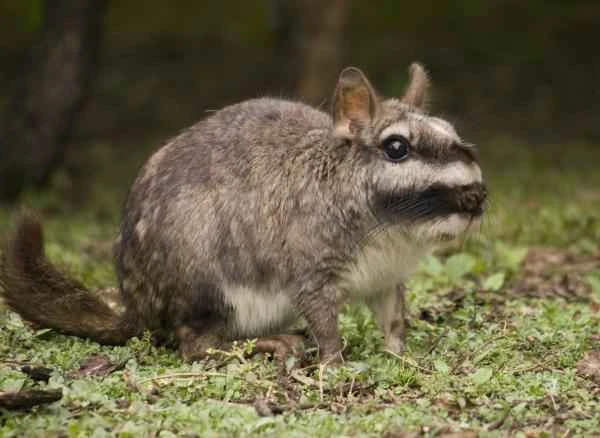
8. Vizcacha (Big-eared Chinchilla)
Scientific name: Lagostomus maximus
Type: Burrowing rodents
Characteristics: They live in dug burrows during the day, are active at night, and live in groups.
II. Representative Birds of Patagonia
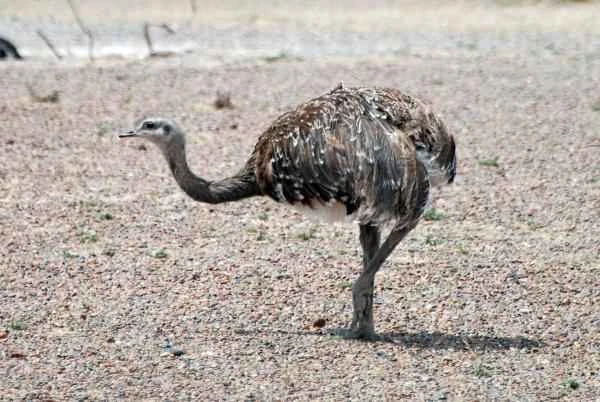
9. Patagonian Ostrich (Ñandú patagónico)
Scientific name: Rhea pennata
Type: Large flightless birds
Characteristics: Large in size, good at running, commonly found in highland grasslands.
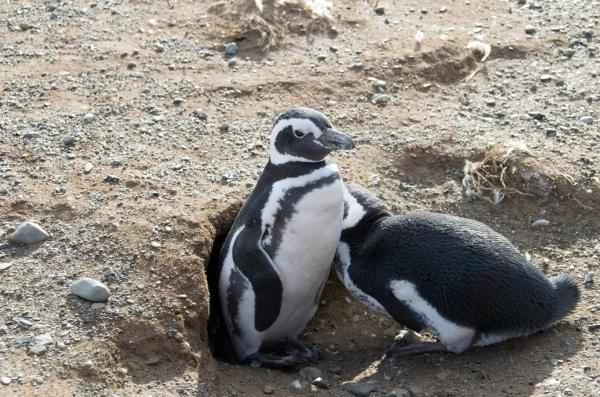
10. Magellanic penguins (Pingüino de Magallanes)
Scientific name: Spheniscus magellanicus
Type: Seabird
Characteristics: Black and white feathers are adapted to the underwater environment, but are threatened by climate change, fisheries, and oil activities.
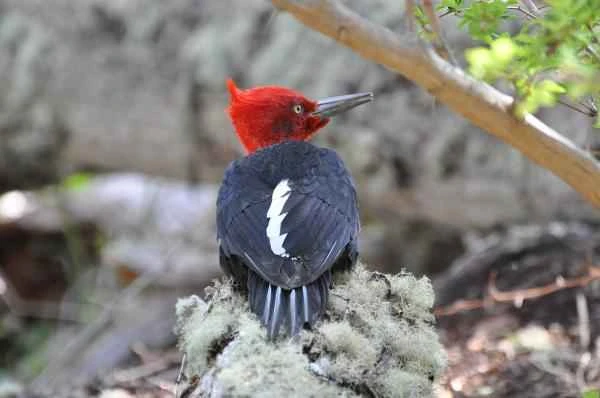
11. Patagonian Woodpecker (Carpintero gigante)
Scientific name: Campephilus magellanicus
Type: Forest bird
Characteristics: They forage for food with powerful wood pecking; the male has a red head, while the female has a black head.
III. Patagonian Reptiles and Amphibians
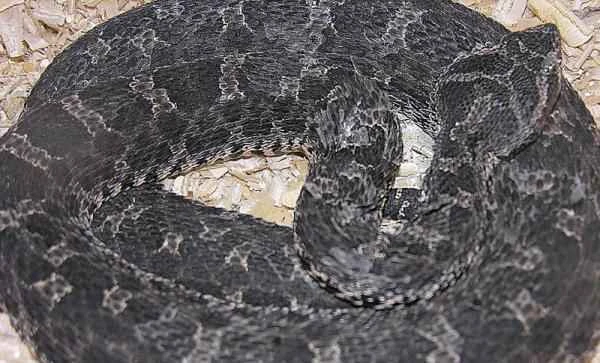
12. Patagonian Rattlesnake (Yarará ñata)
Scientific name: Bothrops ammodytoides
Type: Venomous snake
Characteristics: It inhabits dry areas and has low toxicity, but can cause tissue necrosis.
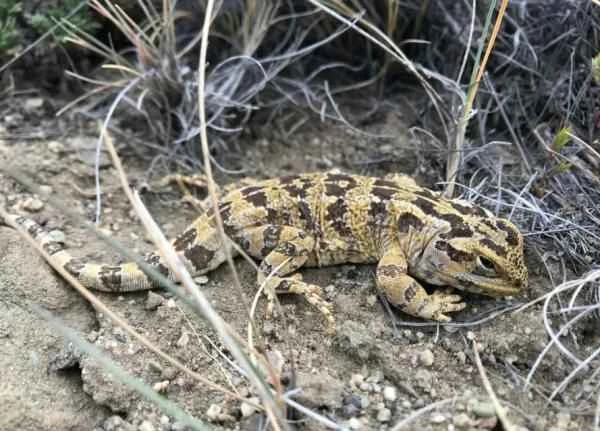
13. Big-headed lizard (Lagarto cabezón)
Scientific name: Diplolaemus darwinii
Characteristics: Sturdy build, large head, gray scales with blue spots, often found hidden in rock crevices.
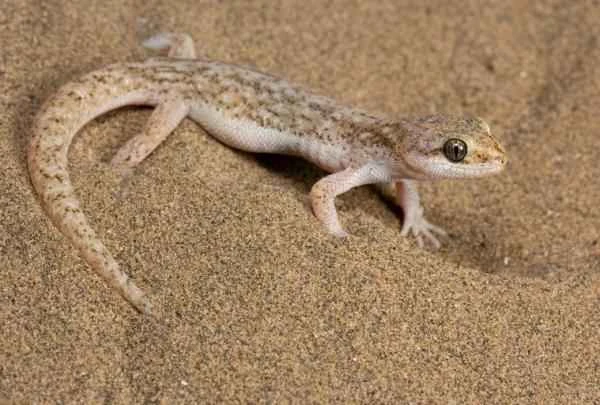
14. Darwin's Gecko
Scientific name: Homonota darwinii
Characteristics: It has alternating light and dark stripes, is nocturnal, and feeds on insects.
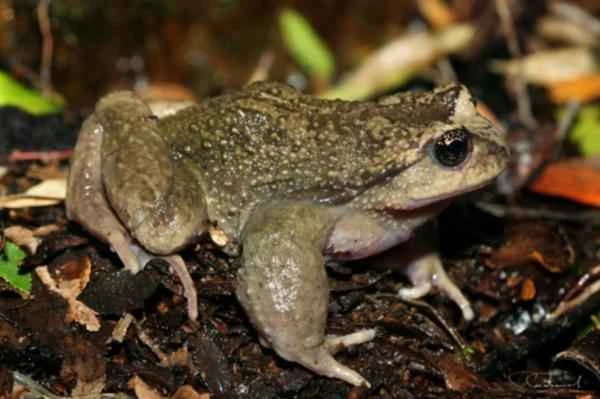
15. Forest Stream Frog (Rana palmada de arroyo)
Scientific name: Alsodes gargola
Characteristics: They live in lakes, streams and wetlands, and are more sensitive to invasive salmon.
IV. Other Patagonian Animals
| Chinese name | scientific name | Features |
|---|---|---|
| Hairy armadillo | Chaetophractus villosus | Possessing an armored structure, skilled in digging |
| Grey Fox | Lycalopex griseus | Agile Night Hunter |
| Lynx | Leopardus geoffroyi | Small felines that are elusive |
| South American skunk | Conepatus humboldtii | Spraying foul liquid in self-defense |
| South American pygmy deer (Pudu deer) | Pudu puda | One of the world's smallest deer species |
| One-haired sea lion | Otaria flavescens | Groups of animals found along the Patagonian coast |
| Red-throated Warbler (Chukaw) | Scelorchilus rubecula | Forest ground songbirds |
| Brown Monk Bird | Neoxolmis rubetra | Active in open shrubland areas |
| False ringed coral snake | Xenodon semicinctus | Brightly colored but non-toxic |
| Four-eyed toad | Pleurodema thaul | The spots on its back resemble eyes and are used for defense. |
In conclusion: Why should we protect Patagonian wildlife?
Patagonia is not only a hotspot for biodiversity but also one of the world's most important ecosystems. Understanding these unique species and their ecological roles is fundamental to protecting nature, promoting ecological balance, and achieving sustainable development. In the face of threats from climate change, habitat destruction, and human activities, strengthening ecological education, building wildlife protection laws, and supporting the development of nature reserves are contributions everyone can make.
For more science articles about wildlife, please visit our "Wildlife" section to explore the world's most amazing species. If you wish to cite this article, please cite the source and link back to this page.