If a person drinks seawater, they will become increasingly thirsty and may eventually die of thirst. However, fish, birds, reptiles, and other marine animals that live their entire lives in the ocean do not face this danger. Why is this? It turns out that they all possess their own unique seawater desalination "devices." Scientists have recently begun to uncover the secrets of these devices.
When a fish opens its mouth, its oral cavity is filled with water. However, most of this water flows out through the gill slits and doesn't enter its stomach. But when it eats, some seawater enters its stomach along with the food. Furthermore, according to the laws of physics, if a container is separated by a semi-permeable membrane, with one side containing water with a high salt content and the other with water with a low salt content, the water with the low salt content will permeate into the side with the high salt content until the salt content on both sides is equal. The membranes of the skin surface, oral mucosa, gills, and even the membranes of individual cells in all organs and tissues are such semi-permeable membranes. The salt content in a fish's body is lower than that of seawater. Therefore, water in a marine fish will automatically seep out of its body, increasing its internal salt content. To compensate for the lost water and maintain a certain salt level, it must replenish its water supply, essentially turning the salt water it drinks into fresh water.
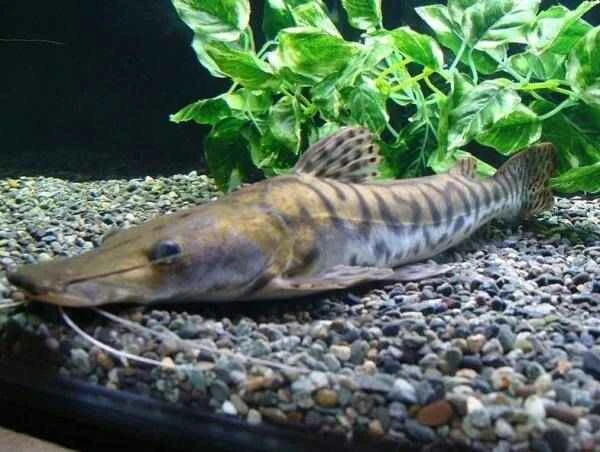
Fish achieve this by using a "device" to excrete excess salt from their blood. This "device" doesn't rely on the kidneys to excrete excess salt, because the kidneys can only excrete low-concentration salt water, and excreting large amounts of water along with salt would be unsuitable. Instead, fish use special cells in their gills (called salt-excreting cells) to continuously extract large amounts of salt from their blood, which, along with mucus, is deposited in a high concentration in the gill cavity and then excreted. Therefore, although fresh water constantly seeps out through their skin, they can continuously drink large amounts of seawater to "quench their thirst."

Seabirds also have this desalination "device," but its structure is different. There was a time when people tried to keep seabirds in zoos, but they couldn't keep them alive no matter what they tried. It wasn't until much later that they discovered they weren't eating enough salt. Seabirds have adapted to the marine environment and are accustomed to consuming large amounts of salt. Their desalination "device" is located above their eye sockets, and the outlet is inside their nostrils, formerly called nasal glands, now called salt glands. Seabirds occasionally expel a shiny droplet of water from their nostrils above their beaks, shaking it off. This droplet is mucus containing a large amount of salt secreted by the salt glands. If seabirds are fed very salty food, their nostrils will constantly drip water, like they have a severe cold; this is because they are excreting too much salt.
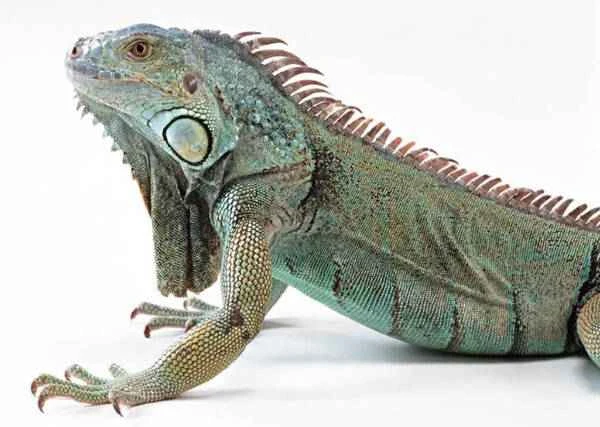
Reptiles living in the ocean or by the sea, such as turtles, snakes, and crocodiles, also have salt glands. However, the outlet for these glands is not inside their nostrils, but in the corners of their eyes. It has long been observed that crocodiles shed large, glistening tears while eating, hence the phrase "crocodile tears" to describe feigned compassion. Now, the true nature of this phenomenon has been discovered: the tears are simply a highly saline solution expelled from their salt glands.