More than 200 million years ago, Earth ushered in the age of giant dinosaurs, with dinosaurs measuring tens of meters in length and weighing several tons being a common sight. After watching the movie "Jurassic World," do you know anything about these creatures that once dominated the Earth? Below, this episode of our themed group will take you through some little-known facts about dinosaurs.
1. Who reigned supreme before the dinosaurs?
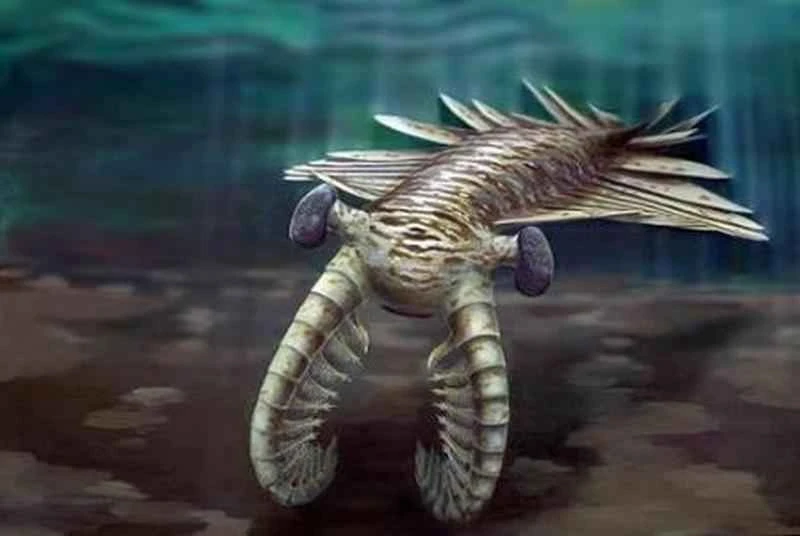
Anomalocaris
Anomalocaris, also known as the strange shrimp, is an ancient organism found in Cambrian sedimentary rocks in China, the United States, Canada, Poland, and Australia. It is the largest known Cambrian animal. More than 500 million years ago, before any animals existed on land, a giant animal with a round, gaping mouth, Anomalocaris, thrashed and rolled in the vast, dark ocean—it was the ruler of the Earth at that time.
2. The size of dinosaurs
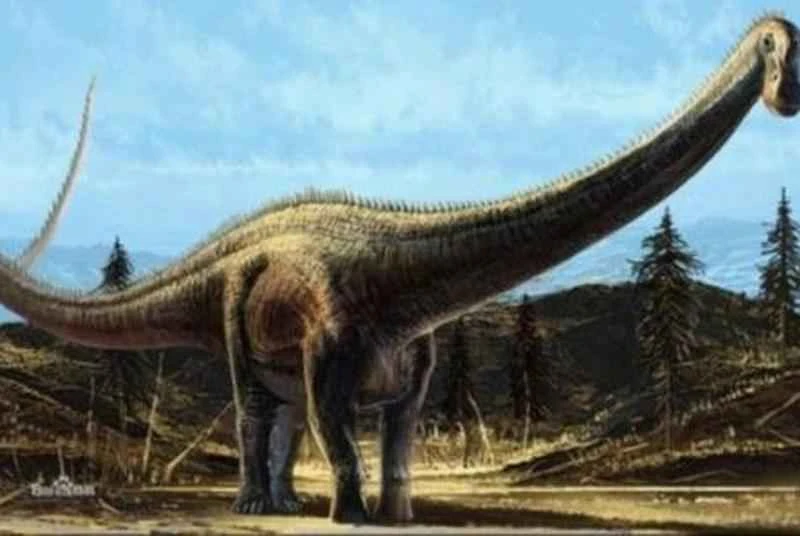
Why were dinosaurs so big?
The sheer size of dinosaurs is a marvel in itself; no land animal before or after them has ever matched their size, a phenomenon that remains unexplained by animal physiology. Some scientists have proposed an environmental theory: it's possible that the environment at that time had exceptionally high levels of carbon dioxide, leading to abundant vegetation and thus providing ample food for the dinosaurs. However, this theory remains merely speculation.
3. The speed of dinosaurs
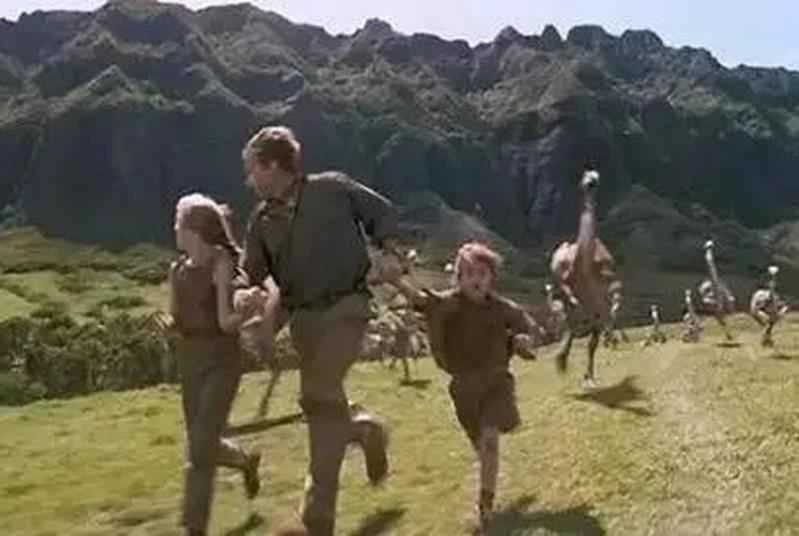
If you unfortunately encounter a dinosaur, will running away help?
If humans were to encounter carnivorous dinosaurs, escape would be nearly impossible, as even the cumbersome Tyrannosaurus Rex was faster than a human. Humans typically cannot run at speeds exceeding 20 kilometers per hour for extended periods exceeding one hour. Even the most elite athletes would struggle to escape the clutches of dinosaurs.
4. Dinosaur Flight
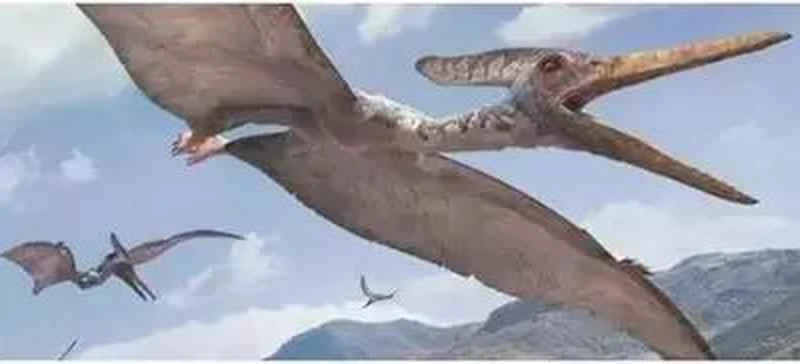
Why could some dinosaurs fly?
Dinosaurs needed to grow more feathers to fly, and they also needed to evolve specialized skeletons and muscles for flapping their wings. In the past, paleontologists proposed two hypotheses: "flying down from trees" and "jumping from the ground." Dinosaurs were able to fly either by evolving the habit of flying down from trees or by evolving the habit of jumping up from the ground.
5. Dinosaur birds
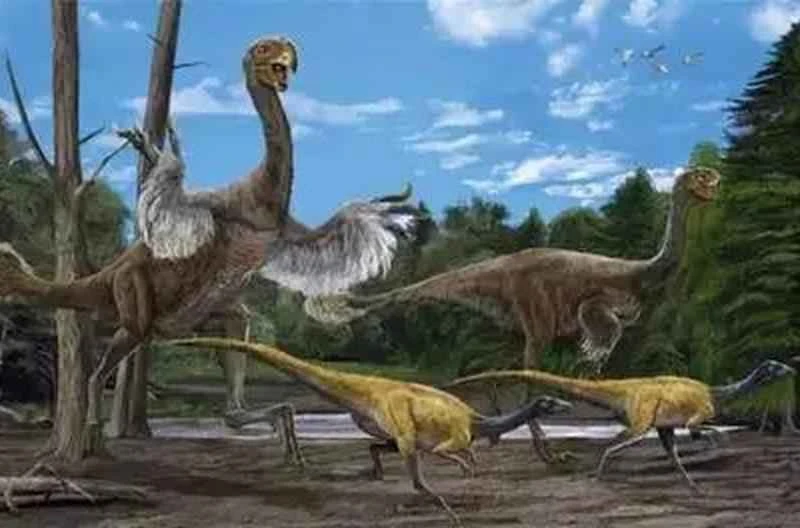
Birds may be living dinosaurs.
Having survived the Cretaceous period, which ended 65 million years ago, birds became the only surviving dinosaurs. Some researchers believe that an asteroid impact caused a sudden environmental upheaval that wiped out the dinosaurs in an instant. Many others attribute the mass extinction to a sudden climate change. Observing modern birds can provide us with insights into how our extinct non-avian dinosaur cousins might have lived, particularly how they behaved.
6. Chinese Dinosaurs
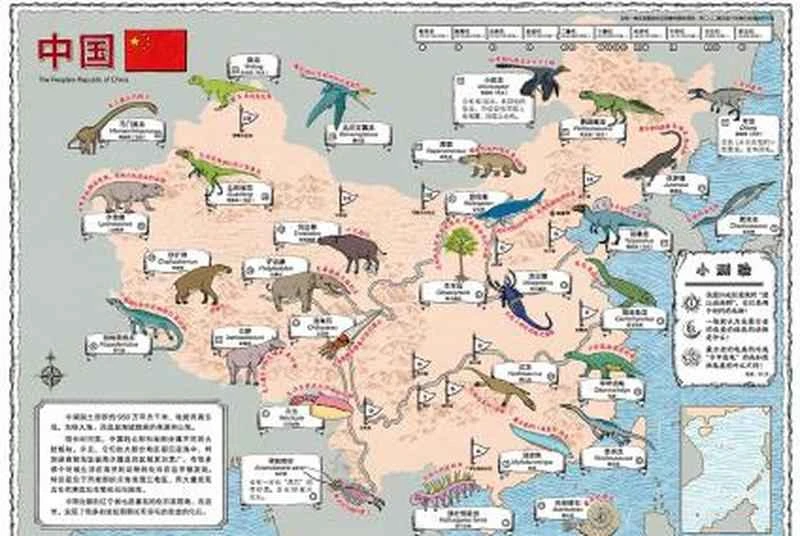
Do China have dinosaurs?
The search for dinosaur fossils in China has only begun in recent decades. However, the number of dinosaur species identified within China already exceeds that of any other country. The Zhucheng site in Shandong Province, eastern China, known as "Dinosaur Valley," has yielded over 10,000 dinosaur fossils to date. Recently, the discovery of *Yangiopteryx yangi* fossils in Liaoning Province, the largest known four-winged pterosaur, represents another significant step in the evolution of dinosaurs towards birds.
7. Global warming
Global warming may usher in another "age of dinosaurs".
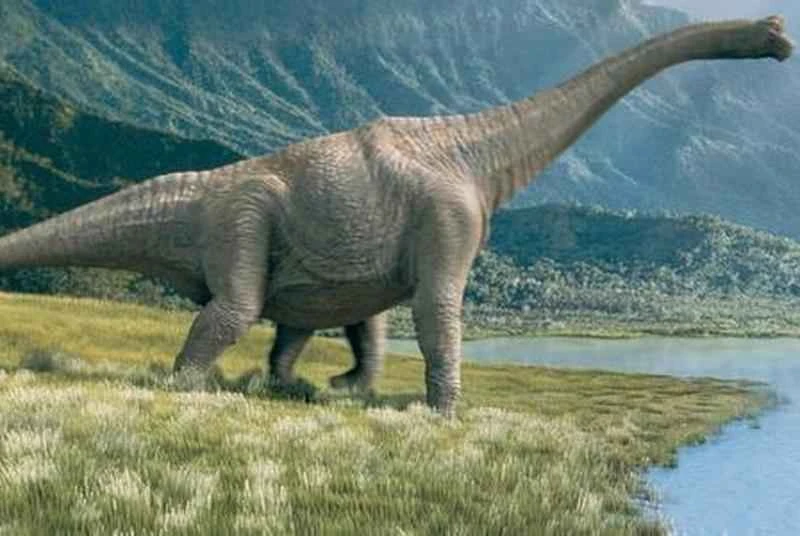
Scientists say that if global warming continues, lizards may evolve into giant reptiles like dinosaurs, and Earth may once again usher in a "dinosaur age." If humans do not control greenhouse gas emissions, in future sparsely populated, humid regions, vegetation will grow wildly, and the Earth's oxygen levels will continue to increase. These factors will be conducive to the large-scale reproduction of reptiles, and their size will continue to increase, eventually evolving into large animals like dinosaurs.
8. Dinosaur fossils
The first recorded dinosaur skeletal fossils
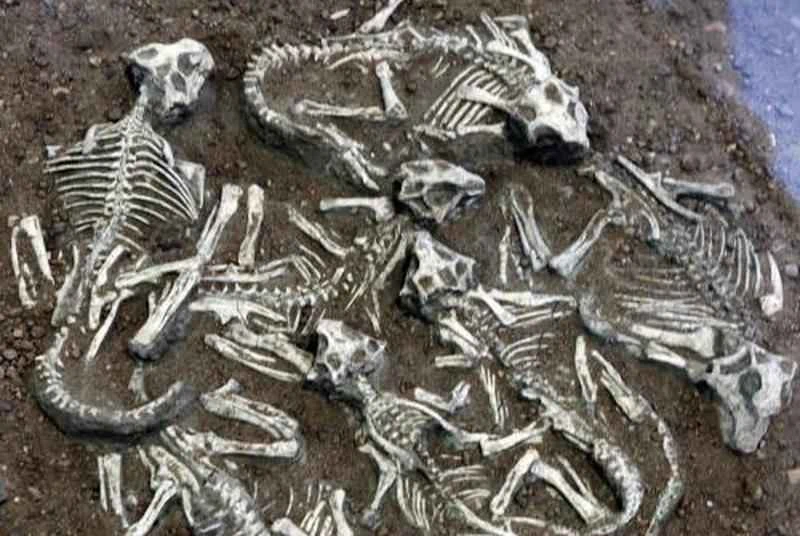
The first recorded dinosaur fossil was discovered in 1677 in a quarry in Oxford, England, by Professor Robert Plott of Oxford University. Although he did not recognize the fossil as belonging to a dinosaur, nor did he associate it with reptiles, the specimen, which he described in writing and illustrated, has since been identified by paleontologists as the femur of a dinosaur called Megalosaurus.
9. The lifespan of dinosaurs
Some dinosaurs could live for 300 years.
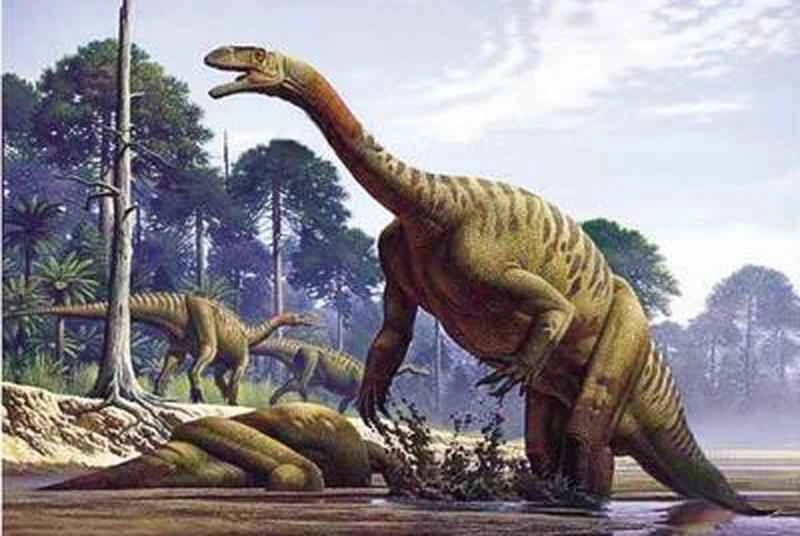
Paleontologists estimate that large dinosaurs lived between 75 and 300 years. However, this estimate is based on the premise that dinosaurs were cold-blooded. If they had been warm-blooded, their lifespan would have been shorter, but still generally at least 75 years. Medium-sized sauropod dinosaurs likely lived over 100 years, while it's not impossible for large seismosaurs to have lived 200-300 years.