In the complex world of dinosaurs, besides the Tyrannosaurus Rex that we are familiar with, there are some dinosaurs with unique appearances and extraordinary skeletons that even many dinosaur experts may not be able to recognize, such as the following dinosaurs!
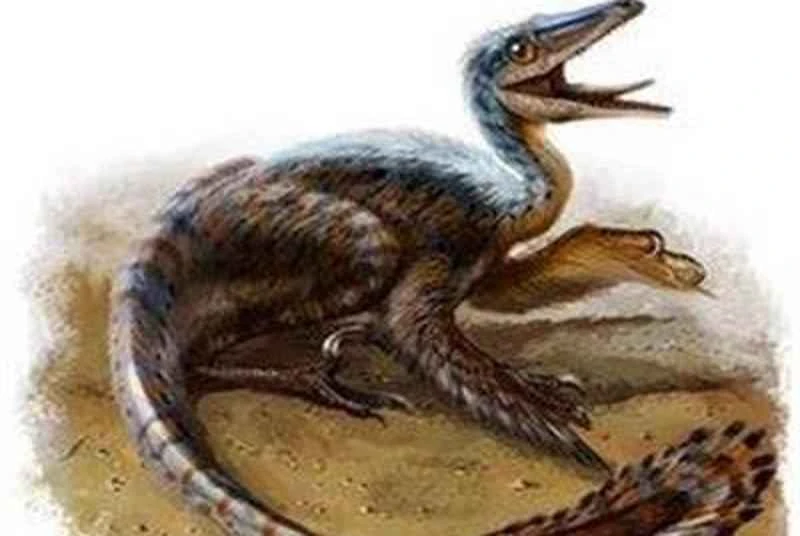
1. Meilong
It got its name from the fact that its skeleton resembles a sleeping bird.
Meilong was a duck-sized dinosaur classified as a theropod troodontid. Its skeleton preserves a sleeping posture, hence its name. Its head was tucked under its wings, resembling a baby bird resting in its nest—a behavior similar to that of birds. This demonstrates that troodontids not only share skeletal similarities with birds but also have the closest behavioral relationship with them. Meilong was a carnivorous dinosaur, approximately 0.5-1 meter in length, and lived in the Early Cretaceous period.
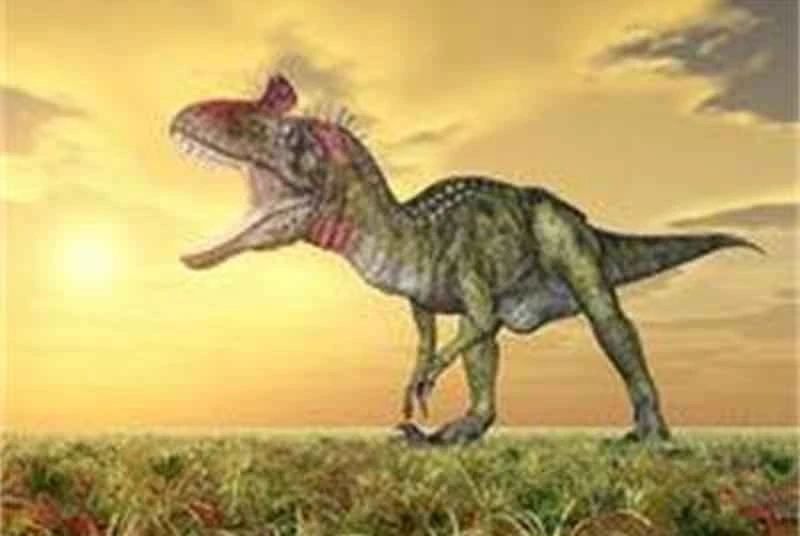
2. Ice Spine Dragon
The first carnivorous dinosaur discovered in Antarctica
Cryospora, also known as Ice Spinosaurus or Frozen Horned Dragon, was a large, bipedal theropod dinosaur with a peculiar crest on its head resembling a Spanish comb. A carnivorous dinosaur, it was about 6 meters long and lived in the Early Jurassic period, dating back to the Prynsbachian stage of the Early Jurassic. It was one of the earliest tetanuran dinosaurs.
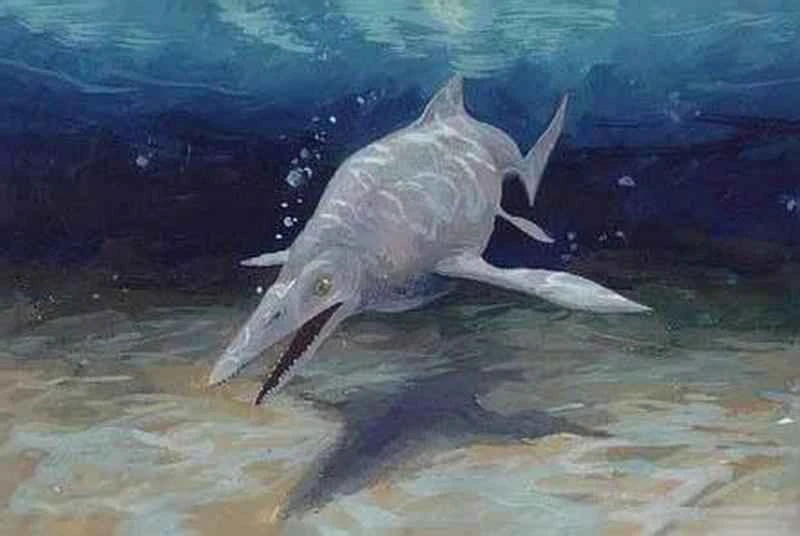
3. Big-eyed Ichthyosaur
The eyes of the giant ichthyosaur are the largest among ichthyosaurs.
Megaloceros was a medium-sized carnivorous ichthyosaur from the Late Jurassic period. It lived in vast oceans, was viviparous, and only approached the shore to give birth. They were likely quite fast swimmers and used their toothless, long snouts to hunt squid and fish; Megaloceros could grow up to 5 meters long.
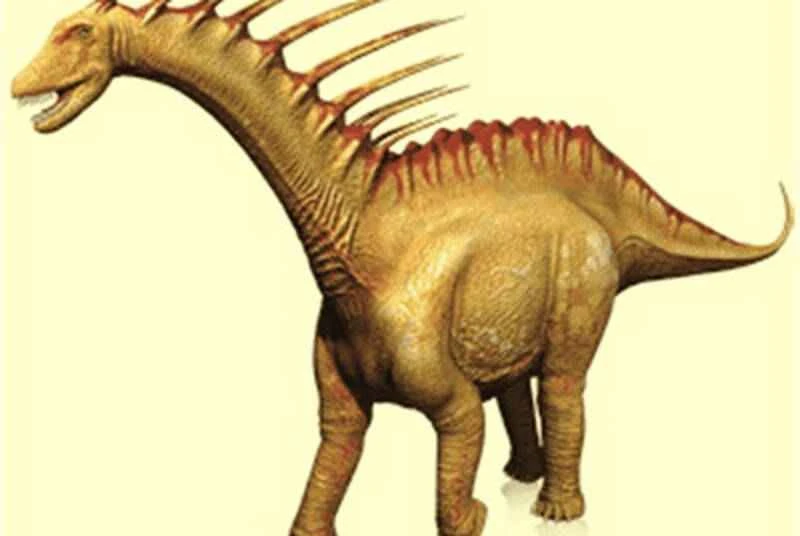
4. Amagalon
A very strange sauropod dinosaur
Amagasaurus, a species of sauropod dinosaur, was a herbivorous dinosaur that lived during the Late Cretaceous period, measuring approximately 13 meters in length. The two rows of spines on its back were connected by a membrane, giving its neck and back the appearance of two fish fins.
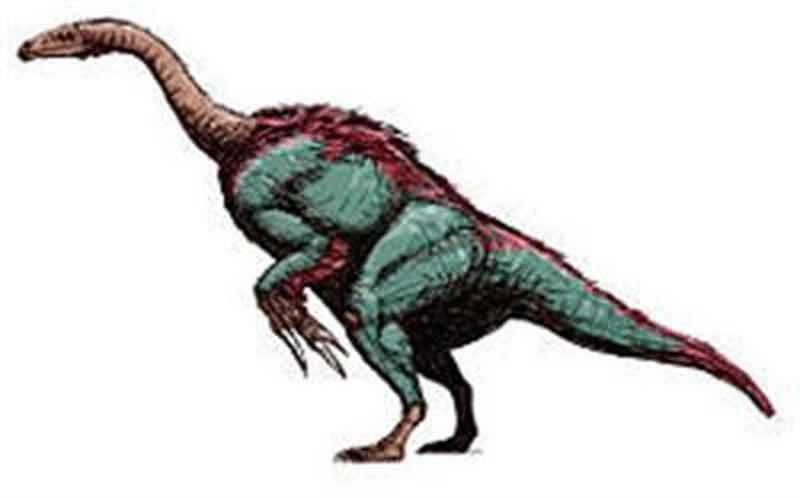
5. Suzhou Dragon
The most bizarre-looking dinosaur
Suzhousaurus is a genus within the Therizinosauroidea superfamily, living during the Early Cretaceous. Currently known fossils have been discovered in the Xinminbao Group of the Yujingzi Basin in Gansu Province, China, including partial skull and forelimb fossils, confirming their belonging to the Therizinosauroidea superfamily. They resemble plucked giant turkeys.
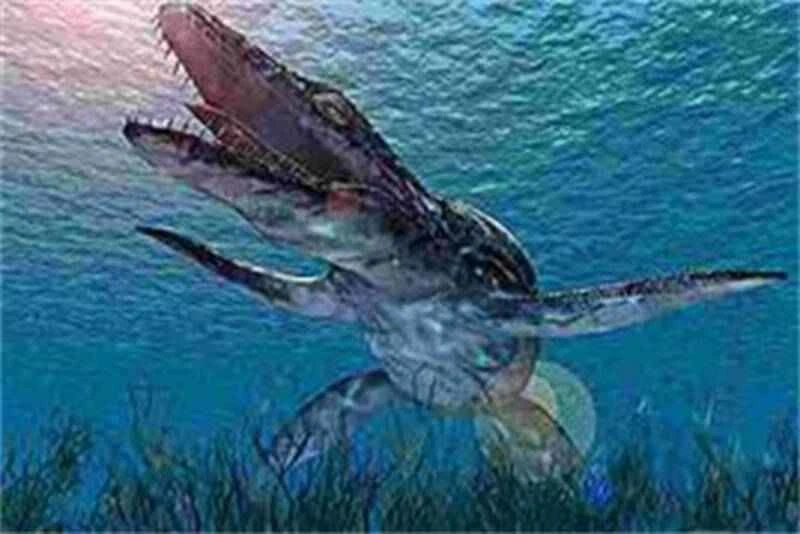
6. Liopleurodon
He spent his entire life in the water
Liopleurodon, meaning "smooth-sided teeth," was a carnivorous marine reptile. During the Late Jurassic period, these robust creatures roamed the land propelled by four medium-sized paddle fins. They averaged 6 meters in length and lived approximately 160 to 155 million years ago. Liopleurodon's long jaws were lined with sharp teeth.
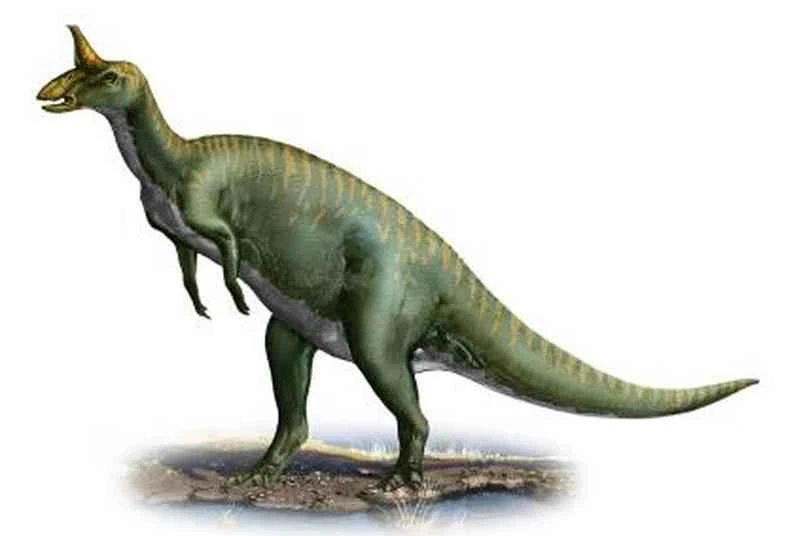
7. Spiny-nosed Qingdao Dragon
my country's first complete dinosaur fossil
Tsunamiosaurus sp. lived during the Late Cretaceous period. Its fossils were discovered in Shandong Province, China. It is the most famous hadrosaur fossil with a crest discovered in China, and also the first complete dinosaur fossil found in China. The current specimen is preserved in the Paleozoological Museum of China. It was not good at running and lacked defensive weapons, so it was only suitable for living in freshwater lakes.
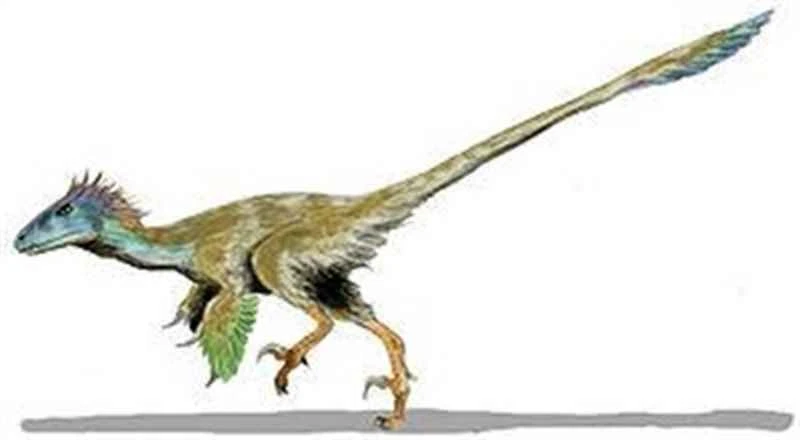
8. West Clawed Dragon
The smallest carnivorous dinosaur in North America
Westclawed dinosaur, belonging to the dromaeosaurid family, was a small carnivorous dinosaur. Fossils were discovered in the Dinosaur Park Formation in Alberta, Canada, dating back to the Campanian stage of the Late Cretaceous period, approximately 75 million years ago. It was less than 1 meter long and weighed about 1.9 kilograms. Westclawed dinosaur already possessed bird-like characteristics and may have had the ability to fly or glide.
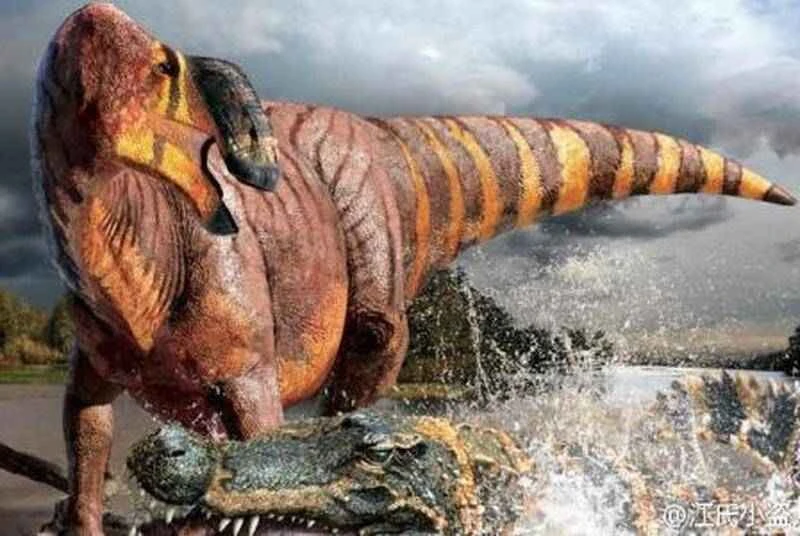
9. Griffin Dragon
Related to the Mother Dragon
Griffinosaurus, also known as the monster dinosaur, is a genus of dinosaur belonging to the hadrosauridae family. It lived in North America during the Late Cretaceous period (Santo to Campanian stages), approximately 83 to 75 million years ago. Griffinosaurus had a hooked snout, a crest on its head, and a duck-like bill. Although its hands were longer than those of most dinosaurs, it actually used its snout primarily for fighting.