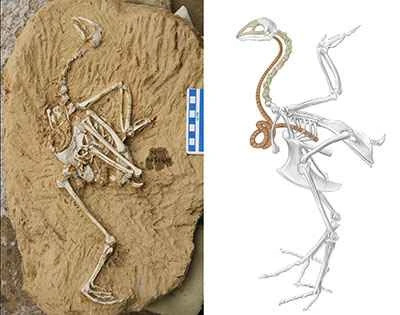
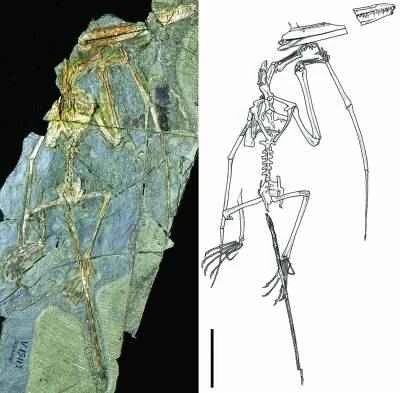
Mice are among the smallest mammals in the world, encompassing several animals from the orders Rodentia and Lagomorpha in animal taxonomy. Mice predate humans. Paleontologists, based on fossil records, trace early humans to the Pliocene epoch, approximately 1.2 million years ago, while mice appeared in the Oligocene epoch, about 3.5 million years ago, 2.3 million years earlier than humans. Chinese archaeologists excavated a cave dating back 1 million years from Lantian Man at Wanggongling, discovering piles of charred mouse bones with traces of ancient human chewing. The earliest known mouse fossils discovered by humans are found in North American strata dating back 55 million years, and are known as Pararhizoctonia.

There are over 2,300 species of rodents worldwide, each with its own origin and evolutionary history, and some species are endemic to specific regions. Rats, through millions of years of evolution, escaped meteorite impacts and survived long ice ages, becoming an exceptionally long-lived species. The most numerous rat species in the world is the brown rat. Most rodents are burrowing creatures, preferring to live in burrows.
Paleontologists have discovered that plague originated in the Tertiary period of geological history (30 million years ago). There have been three major plague outbreaks in the world: the first and second occurred in my country during the Sui Dynasty (6th century AD), and the third during the Song Dynasty (14th century AD). The first plague claimed nearly 100 million lives worldwide; the second killed 25 million in Europe alone and 40 million in Asia (13 million in China). The third occurred in the late 19th and early 20th centuries, affecting 32 countries. Rats not only spread diseases but also kill people. In 1982, 45,000 people in the United States were bitten or died. The economic value of rat damage is also staggering. According to biologists, there are currently 4 billion rats in the world. Assuming each rat consumes 8 kilograms of food per year, this amounts to 32 million tons of grain annually, enough to feed 250 million people for a year. my country was one of the earliest countries to implement rat control and extermination measures.

Most chillingly, of the more than 2,000 species of rodents, approximately two-fifths are associated with zoonotic diseases, including 186 species that can be infected with and transmit plague. Plague is a highly contagious disease caused by Yersinia pestis, transmitted among rodents and fleas, and is zoonotic. In the 14th century, plague spread from Asia to Europe, directly reducing the population by one-third. Furthermore, hemorrhagic fever with renal syndrome is the most prevalent rodent-borne disease in China, and to this day, there is no specific treatment or effective drug.
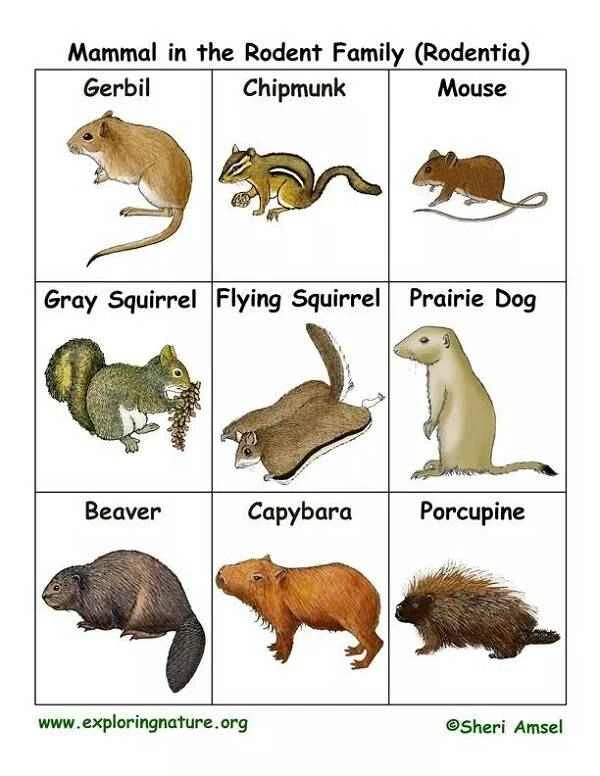
However, rats are not entirely useless. With the help of modern scientific breeding techniques, many types of rats have become food for humans. In traditional Chinese medicine, "Wulingzhi" and "Caolingzhi" are made from the excrement of moles and pikas. People in Guangdong, China, have been eating rats for over a thousand years, calling newborn mice "miji" and even having a custom of brewing rat wine. In Vietnam, eating roasted rats is as common as eating roasted chicken in China.
Some mouse species share over 95% of their genes with humans and possess 99% of their human homologous genes. Therefore, mice have become a reliable model organism for biology, with hundreds of millions of mice housed in research institutions worldwide.

Having coexisted with humans for millions of years, rats have become an important part of human civilization. In ancient Egypt, rats were considered to be the embodiment of the moon because of their habit of working the night shift. Mummified rats have also been discovered in ancient Egyptian tombs.
Because they are most active in the early morning (Zi Shi), the rat ranks first in the Chinese zodiac. In ancient India, the rat was the messenger of the Hindu god of wisdom, and there are even rat temples dedicated to rats. Shining in the galaxy of species spanning millions of years, and having a love-hate relationship with humans for millions of years, the rat has changed human civilization in its most unique way, and has also accompanied countless innocent childhoods.