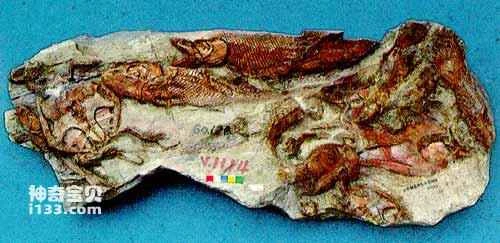
The soft-shelled turtle, also known as the "jiayu" or "tuanyu" in Guangdong, is a wild reptile that inhabits rivers, lakes, and ponds. During the day, it prefers to remain submerged, occasionally surfacing to breathe fresh air. Besides preying on fish, shrimp, snails, and clams in the water, it also climbs ashore to hunt small animals such as earthworms, returning to the bottom after a full meal. Because it often lives in the mud and sand at the bottom, its body is often covered with moss and other deposits. On sunny and warm days, it will climb ashore to bask in the sun, allowing the dirt to dry and fall off. However, it is extremely wary and will quickly flee back into the water at the slightest sound. Soft-shelled turtles have a long lifespan, living up to fifty or sixty years. However, they can lay eggs and reproduce as early as three to five years old.
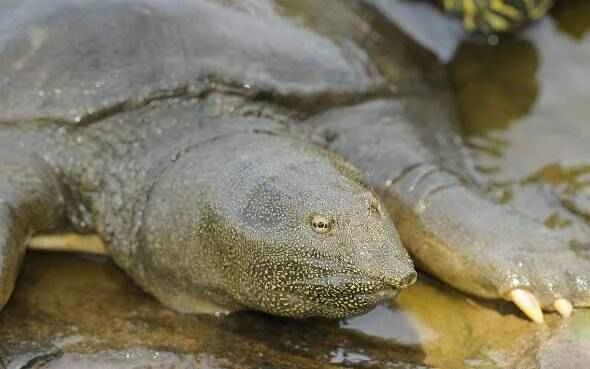
With the arrival of spring, female turtles climb ashore at dusk or dawn, choose a relatively moist muddy spot, and use their front and hind claws to dig a funnel-shaped burrow. They lay their eggs in the burrow, usually more than ten at a time. After laying the eggs, they fill the burrow back with mud and sand, and finally use their plastron to flatten the ground before safely leaving. Turtles have a relatively long hibernation period. When the water temperature drops below 10 degrees Celsius, they basically stop eating and moving, entering a dormant state, which is one reason why they grow relatively slowly.
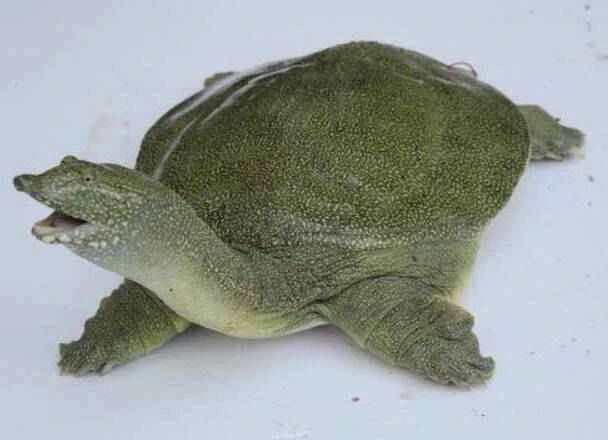
Turtle meat is highly nutritious and considered a nourishing delicacy. The shell is also used in traditional medicine, making it a highly valuable aquatic product. In China, turtles are widely regarded as a top-grade delicacy and used as a nourishing food for medicinal purposes. The history of eating turtles can be traced back to the Zhou Dynasty or even earlier. Turtle meat is delicious, especially the skirt (or fin) which is particularly popular. Turtle meat is rich in protein, unsaturated fatty acids, polysaccharides, various trace elements, and vitamins. The content of various nutrients varies depending on the part of the turtle. Turtle meat is rich in animal collagen, keratin, iron, vitamin D, and other nutrients. However, due to differences in species and habitat, the nutritional composition is not entirely consistent.