In documentaries, you often see reptiles or amphibians lying on rocks for long periods of time "sunbathing." Why do they do this? The answer lies in "cold-blooded animals" (commonly known) – scientifically called ectotherms . These animals cannot stabilize their body temperature solely through their own metabolism ; they need to rely on the ambient temperature to regulate their body temperature, thus developing many unique behaviors and physiological adaptations.
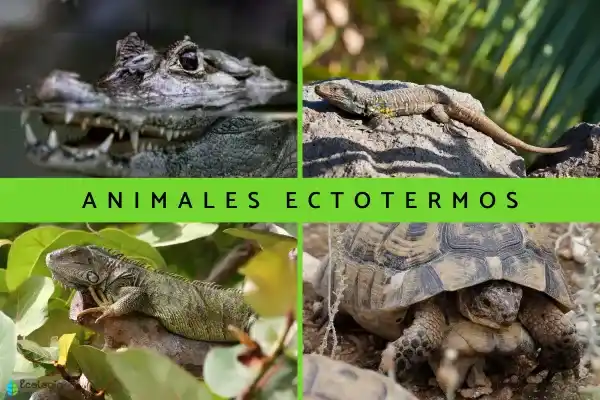
Below is a systematic overview of the meaning and core characteristics of cold-blooded (ectothermic) animals, along with 35 typical examples and brief explanations categorized by group.
Why are they called "cold-blooded animals"?
"Cold-blooded" does not mean that the blood is always cold, but rather that the body temperature mainly changes with the environment . Ephemeral animals regulate their body temperature through behaviors such as basking in the sun (warming up) , entering the shade/water (cooling down) , changing posture and body position , and choosing different microenvironments (behavioral thermoregulation) . This is completely different from homeothermic (endothermal) animals, which rely on metabolic heat production to maintain a relatively stable body temperature.
Terminology Tips
External temperature (ectothermy) : mainly relies on external heat sources for temperature regulation.
Poikilothermy : Body temperature fluctuates greatly with the environment (often overlapping with external temperature).
Giantothermy/Regional thermothermia : The special circulatory structure of large bodies or local tissues allows some fish (such as tuna and great white sharks) to maintain a tissue temperature that is higher than that of the environment to a certain extent.
Common characteristics of ectothermic animals
Limited metabolic heat production : It can produce a small amount of metabolic heat, but not enough to independently maintain a constant body temperature.
Enzymes are adaptable to a wide range of temperatures : they typically have more temperature isomers and can remain active over a wider temperature range.
Behavioral thermoregulation : sunbathing, entering the shade/water, changing the orientation of the body surface and the contact surface, digging holes, etc.
They eat less frequently : they don't need to eat frequently to "burn calories and keep warm," so their energy requirements are relatively low.
Vascular regulation : Peripheral vasodilation/vasoconstriction can accelerate or decrease heat exchange.
The range is extensive : it includes both invertebrates (a large number of insects, crustaceans, mollusks, etc.) and vertebrates (mostly amphibians, reptiles and the vast majority of fish).
Classic taxa and representative species
Note: The scientific names are appended to the Chinese names below for easy retrieval and to ensure scientific accuracy.
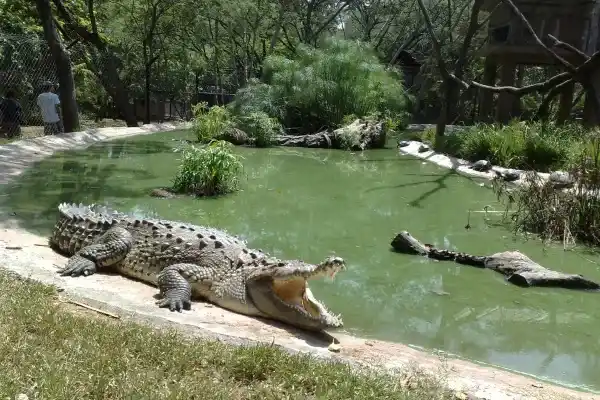
1) Crocodiles (Crocodylus spp.)
They spend most of their time in the water at night (where the water temperature is often higher than on land), and come ashore during the day to sunbathe and increase their surface area exposed to sunlight to raise their body temperature. This is a typical amphibious behavior for temperature regulation .
2) Lizards (multi-group)
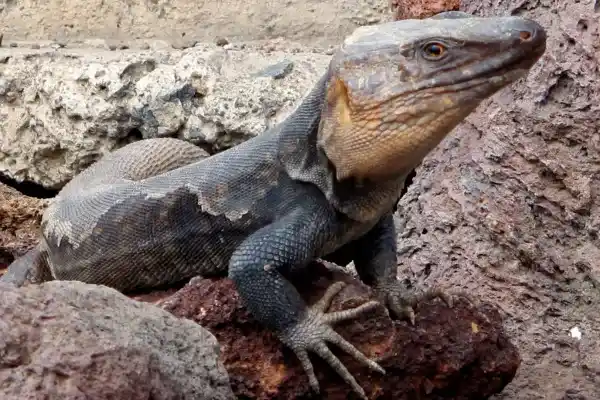
Patterned monitor lizard/Eye-spotted monitor lizard Timon lepidus : During the hot and dry season, it will soak in the water to cool down.
South American rock lizards (such as those in the Phymaturus genus) : Dark pigmentation (melanism/blackening) can improve the efficiency of solar heat absorption and shorten the warming time in low-temperature environments.
3) Skinks and Alpine Lizards ( Iberolacerta , etc.)
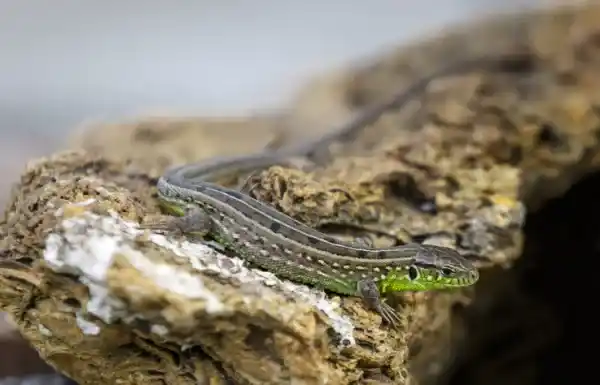
Most small lizards at high altitudes are limited by low temperatures and weak winter sunlight, with a narrow warming window, making them extremely sensitive to climate warming . They are key subjects for studying the thermoecology and conservation of exothermic organisms.
4) Vipers and Viperidae
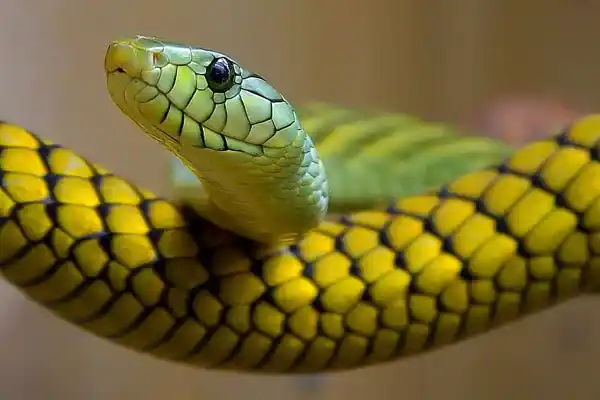
They often warm themselves on sunny rocks , using conduction and sunlight to raise their temperature; they can also quickly adapt to changes in ambient temperature through the vasoconstriction and vasodilation of peripheral blood vessels .
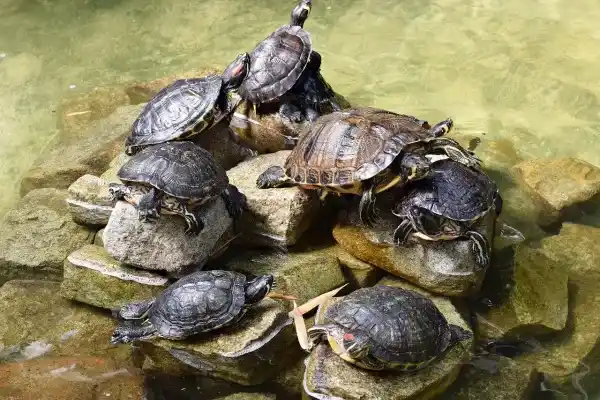
5) Turtles and tortoises (Chelonia)
Many species (such as sea turtles ) exhibit macrothermia , relying on their large size and high heat capacity to maintain relatively higher tissue temperatures in water; however, they are still generally exothermic and athermothermic , with their body temperature fluctuating with the environment.
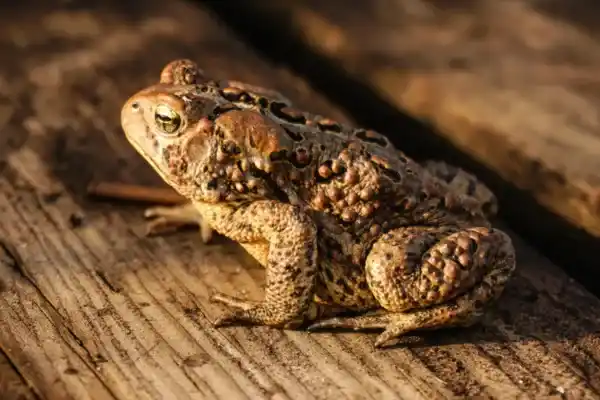
6) Toads and other amphibians (Bufonidae, etc.)
For example, the common toad , Bufo bufo , can survive for a long time with little food when its energy and body temperature needs are met ; amphibians generally avoid overheating and dehydration by choosing damp and shady places .
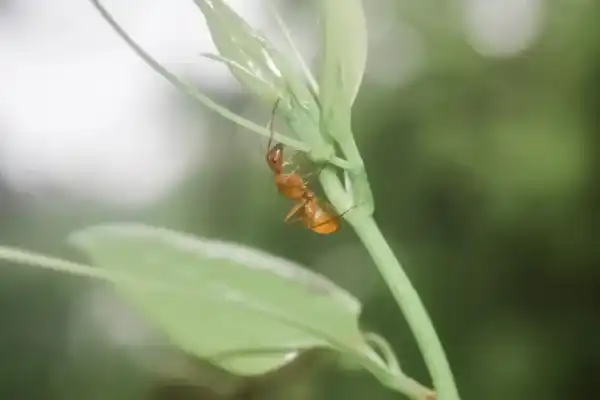
7) Ants (Formicidae)
They prefer to build their nests under large, sun-exposed rocks , utilizing the insulating effect of the rocks to maintain a higher nest temperature; their activity periods and methods are strongly driven by the external temperature.
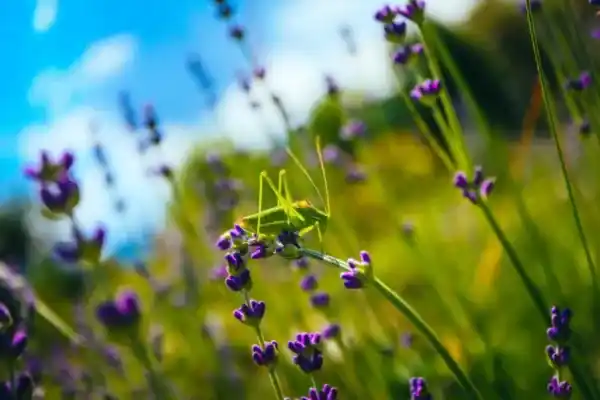
8) Orthoptera
Cricket ( Gryllidae )
Locusts/Grasshoppers ( Caelifera suborder)
In the early morning, the plant first seeks out sunlight on its vertical stem , and then descends to the ground to continue warming itself using secondary radiation from the ground . This is a textbook example of behavioral thermoregulation.
9) Teleostei (boneless fish)
Tuna ( Thunnus spp.): Swimming muscles and countercurrent heat exchange (rete mirabile) can maintain high temperatures in red muscle , enhancing swimming speed and predation performance.
Sunfish ( Mola mola ): They find suitable water temperature layers by surfacing/diving and use surface sunlight to warm up the water.
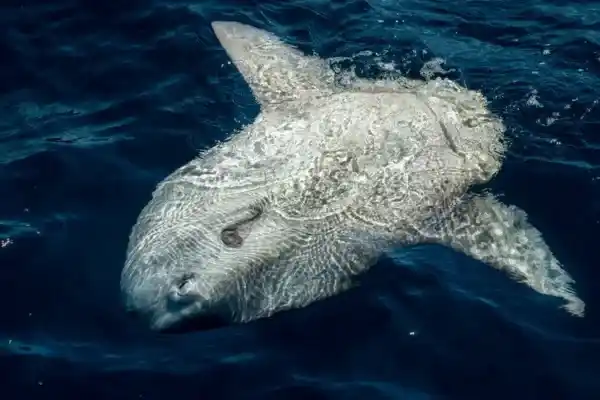
10) Chondrichthyes (Cartilaginous fish)
Saw rays, stingrays (Batoidea), and many types of sharks are generally ectothermic, but some large predators have ectothermic structures that raise the temperature of their eye muscles/brain/swimming muscles to enhance their hunting abilities.
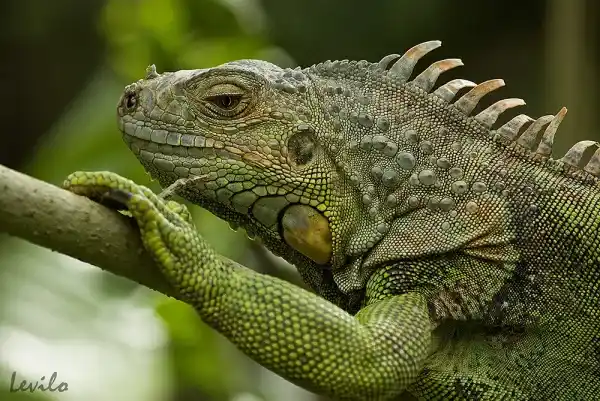
11) Green iguana ( Iguana iguana )
They can reach 2 meters in length and weigh 15 kg . They have a strong need for sunlight and often spend long periods of time sunbathing in warm and humid environments such as tree canopies/mangroves. Their diurnal activity rhythm is about 12/12 hours .
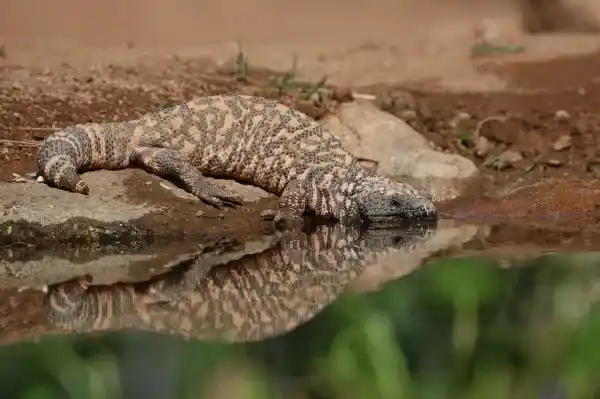
12) Heloderma suspectum (Gillard Lizard)
One of the few venomous lizards in the Mexican-Western American desert region, it is about 60 cm in size, slow-moving and generally not a great threat to humans; it is clearly thermotropic and relies on caves and sunlight to regulate its temperature.
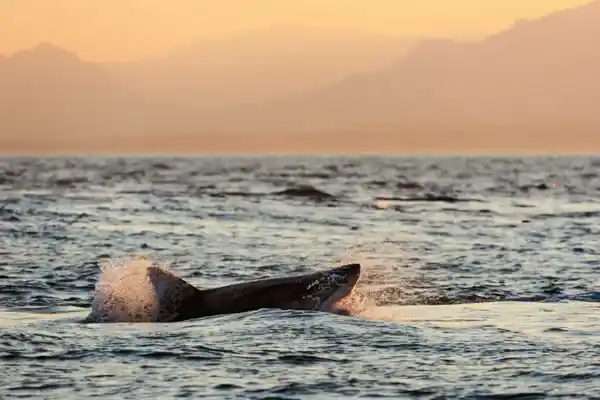
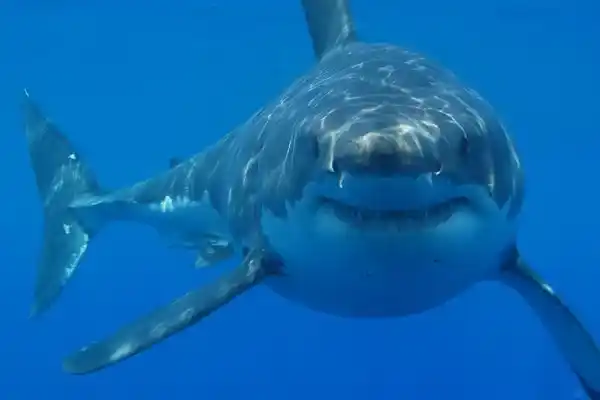
13) Great White Shark ( Carcharodon carcharias )
Living in warm temperate waters, it is assessed as vulnerable by the IUCN. It possesses intrathermal capabilities, allowing its red muscle, internal organs, eyes, and brain to be warmer than seawater, combining an exothermic framework with "local thermoregulation."
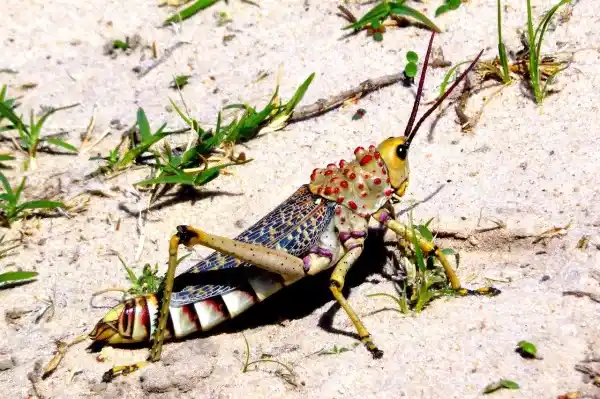
14) Migratory locust ( Locusta migratoria )
Widely distributed across Eurasia, Africa, and Australia, their swarming and phase transition can lead to serious agricultural pests . Their body temperature and activity are strongly driven by ambient temperature, requiring them to warm up in the early morning for efficient feeding and flight.
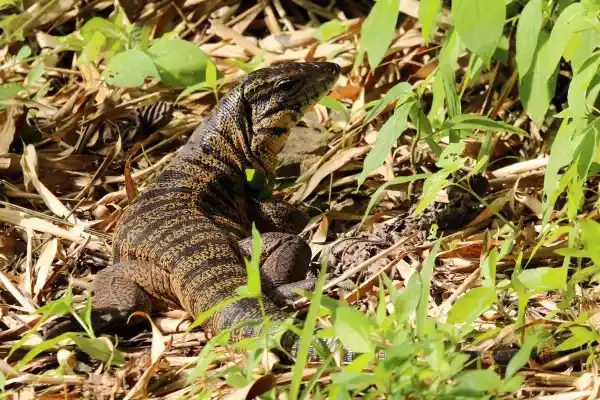
15) Thai monitor lizard ("Peni" or "Mado lizard") — Tupinambis teguixin
Distributed in Colombia, Venezuela, Bolivia, and Brazil, it can reach a length of about 1.5 meters (the original text's "1.5 centimeters" is a clear typo). It is most active in summer and enters diapause/hibernation in autumn and winter to avoid the cold.
Other cold-blooded animals (20 more examples)
Amphibians and Reptiles
Hairy Frog Trichobatrachus robustus
Nile crocodile Crocodylus niloticus
Hawksbill turtle (Eretmochelys imbricata)
anaconda Eunectes murinus
Green Tree Boa/Emerald Boa (Corallus batesii)
Komodo dragon Varanus komodoensis
King cobra (Example of the genus * Crotalus * in a broader sense)
Olive Turtle (Lepidochelys olivacea)
Malpolon monspessulanus ( false cobra/great spotted snake)
Caucasian newt ( Pelodytes caucasicus)
Epidalea calamita
White and black taigan monitor lizard Salvator merianae
Insects and other invertebrates
Desert locust Schistocerca gregaria
House cricket Acheta domesticus
Black fire ant (Solenopsis richteri)
Bullet Ant Paraponera clavata
fish
Bluefin tuna (Thunnus thynnus)
Red Swordfish/Black Swordfish ( Aphanopus carbo ) (For cross-referencing with the bony fish example above)
summary
Cold-blooded (external temperature) = mainly relies on external heat sources to regulate body temperature , and achieves body temperature management through a combination of behavior and physiology .
These strategies can save energy and adapt to changing environments, but they also make them more sensitive to climate and microhabitats .
From reptiles and amphibians to most fish and a large number of invertebrates, the diversity and adaptability of ectothermic organisms constitute an important part of the energy flow and food web of the ecosystem.
References
Alfaro, V. et al. Animal Physiology: Body Temperature and Heat Transfer Processes. University of Barcelona Textbook, Volume 1, pp. 141-150.
Sanmiguel, RA and Díaz, V. (2011) Physiological mechanisms of thermoregulation in livestock. Columbia Journal of Animal Science, Vol. 4.
Literas, S. (2017) "The Importance of Melanization in the Thermobiology of Verdugo Lizards". Digital Library, National University of Cuyo, Argentina.
Ortega, Z. (2015) Thermobiology of the genus *Iberian alpine lizard*. CREDOS, University of Salamanca, Spain.