Quintana Roo, located in southern Mexico, boasts a unique geographical location bordering the Caribbean Sea and the Gulf of Mexico, and is home to numerous islands and a rich ecosystem. These special geographical conditions make it a haven for a large number of endemic plant and animal species, and a significant biodiversity hotspot in Mexico and the Caribbean. This article will provide a detailed introduction to Quintana Roo's endemic species, including rare island animals, distinctive plants, and most representative wildlife. The content is authoritative and comprehensive, suitable for SEO optimization.
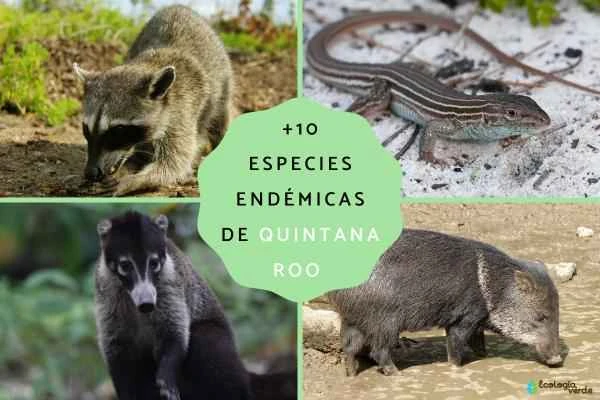
Table of contents
Cozumel raccoon (Procyon pygmaeus)
The limbless lizard of Cozumel Island (Aspidoscelis cozumelae)
Cozumel Island Miniature Atoll
Alouatta palliata pigra
Bucanello palm (Pseudophoenix sargentii)
Island raccoon (Nasua narica nelsoni)
White-lipped wild boar (Tayassu pecari)
Cave starfish (Copidaster cavernicola)
Central American tapir (Tapirus bairdii)
Chit fan palm (Thrinax radiata)
Jaguar (Panthera onca)
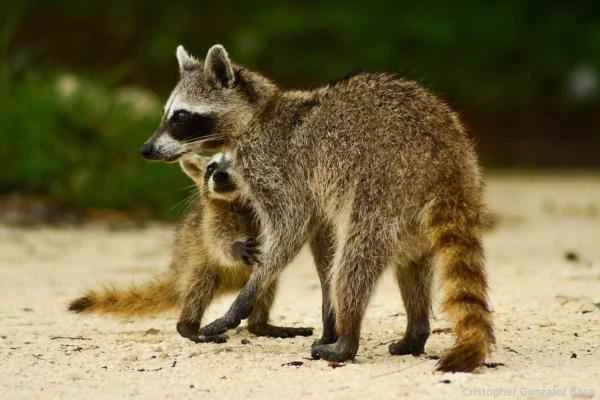
1. Cozumel raccoon (Procyon pygmaeus)
Cozumel Island, part of the state of Quintana Roo, has evolved many unique native species due to geographical isolation. The most famous of these is the Cozumel raccoon, also known as the dwarf raccoon or miniature raccoon. Smaller than the common raccoon, an adult weighs only about 3 kilograms (compared to about 15 kilograms), it is nocturnal and adept at using its forepaws to catch food. Currently critically endangered, its population is extremely small, and it is a global focus of conservation efforts.
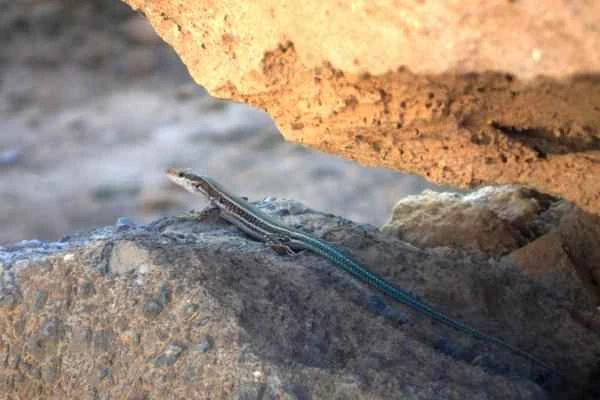
2. Cozumel Island lizard (Aspidoscelis cozumelae)
This lizard is a unique reptile endemic to Cozumel Island. Its most distinctive feature is its parthenogenesis; males are almost nonexistent on the island, and females reproduce naturally. This rare reproductive method is representative of the island's biodiversity.
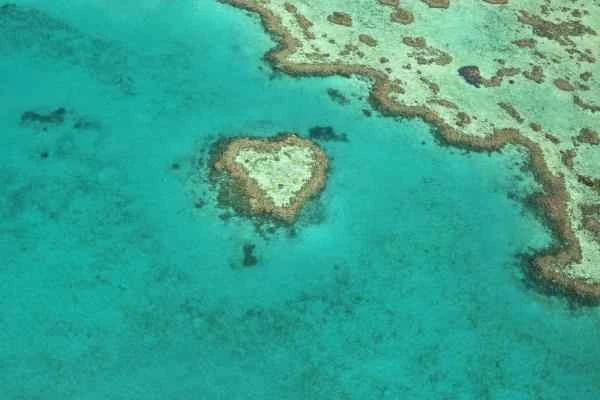
3. Cozumel Island Miniature Atoll
Cozumel Island boasts not only unique wildlife but also a distinctive marine ecosystem. Its micro-atolls are constructed by a variety of marine organisms, including calcareous algae and vermétidos, with key species including *Porolithon pachydermum*, *Lithophyllum congestum*, and *Paragoniolithon sp.*. These unique atolls provide distinctive habitats for small marine life, enriching coastal biodiversity.
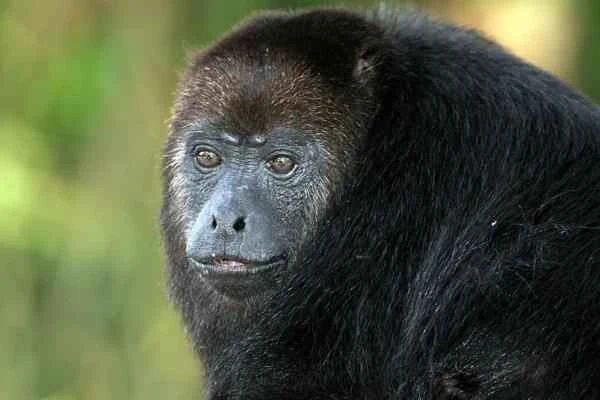
4. Yucatan Howler Monkey/Black Howler Monkey (Alouatta palliata pigra)
The Yucatan howler monkey (black howler monkey) is found on the Yucatan Peninsula (including Quintana Roo, Belize, and Guatemala). It is an iconic species of the local rainforest, primarily feeding on leaves and fruits. Its extremely loud call is one of the loudest in the tropical forest. Its survival is threatened by deforestation and habitat loss.
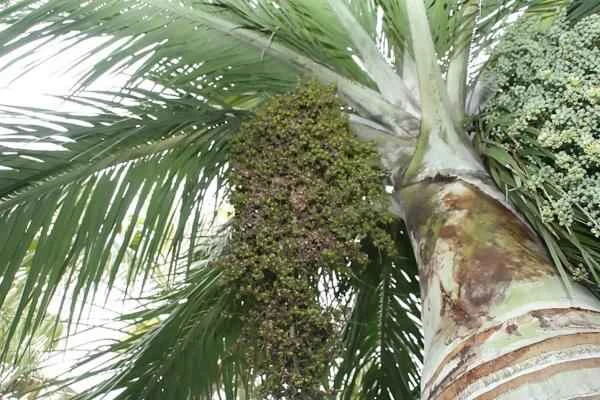
5. Bucanello Palm (Pseudophoenix sargentii)
Bucanello palm is endemic to the Yucatan Peninsula and the Caribbean coast, and is a common ornamental palm in landscaping. It can grow up to 8 meters tall, is highly salt-tolerant, and mostly grows in sandy coastal areas; it can also be found in parts of Florida, USA.
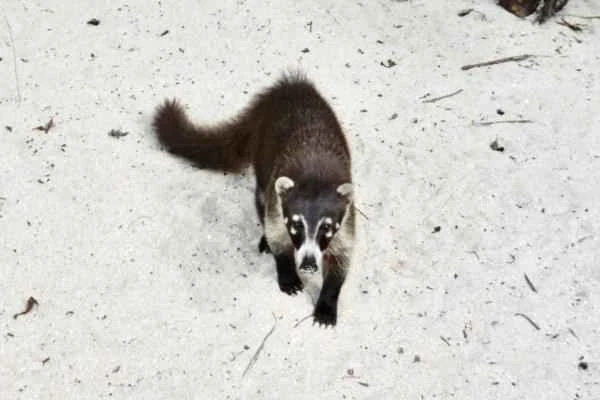
6. Island Raccoon (Nasua narica nelsoni)
The island raccoon is also a mammal endemic to Cozumel Island, smaller than its mainland counterpart, a phenomenon commonly known as "island dwarfism." A skilled climber, it is commonly found in the island's forests and beaches, its long, white snout being a distinctive feature. While its numbers are limited, it holds an important ecological position.
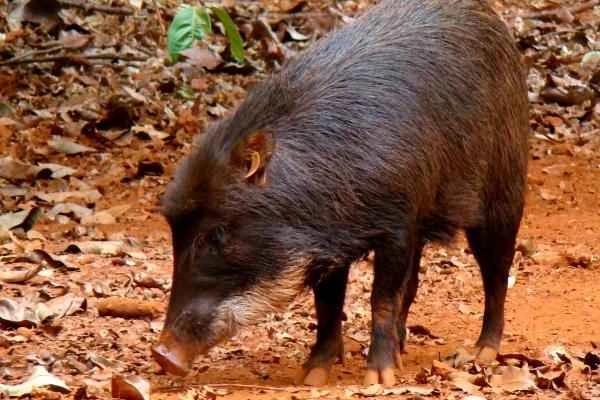
7. White-lipped wild boar (Tayassu pecari)
The white-lipped wild boar is a highly social mammal found in the subtropical forests along the Gulf Coast (including Quintana Roo). They can live in groups of up to 300 individuals, communicate effectively using vocalizations, and enjoy wallowing in mud to cool off. They primarily inhabit areas near water sources. Due to habitat loss, their numbers have drastically declined, with larger populations remaining only in protected areas such as Sian Ka'an.
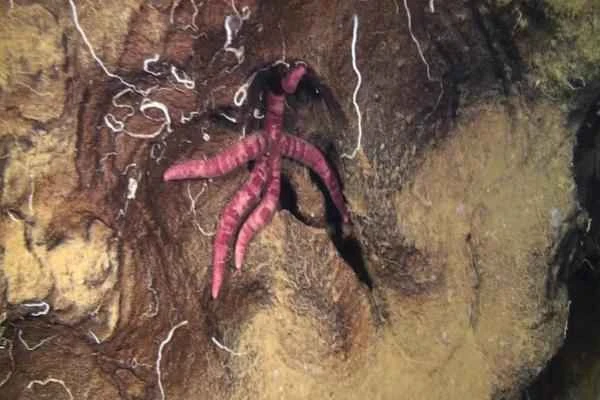
8. Cave starfish (Copidaster cavernicola)
Cave starfish are a newly discovered endemic species found in the underwater cave of "El Aerolito" off the island of Cozumel in recent years. They are bright red, reaching a maximum diameter of 40 centimeters, and have an extremely low survival rate, with only about 300 individuals discovered. They are suspected of cannibalism and are the first recorded cave starfish species in the world.
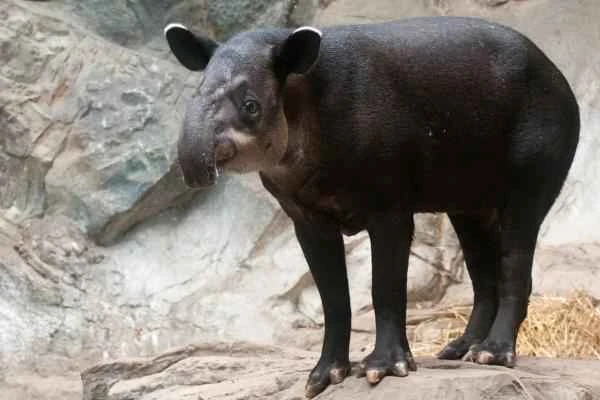
9. Central American tapir (Tapirus bairdii)
The Central American tapir is one of the largest mammals native to Mexico, found in the Yucatan Peninsula and the tropical rainforests of Central America. Adults can weigh up to 300 kilograms, are adept swimmers and divers, and feed on leaves, fruits, and bark. Due to habitat loss and poaching, it is listed as an endangered species.
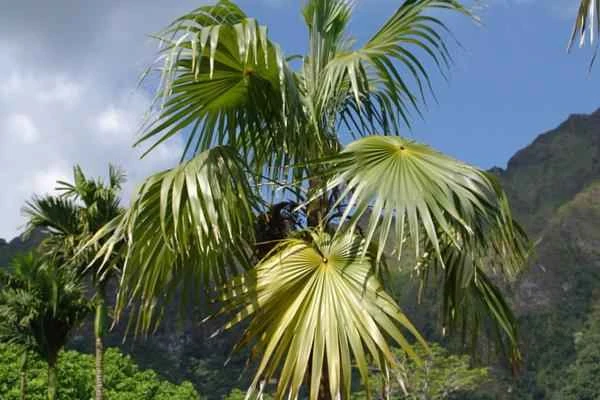
10. Chit Fan Palm (Thrinax radiata)
This is the only Thrinax palm in Mexico, distributed along the coast of the Yucatan Peninsula and Quintana Roo. Its large, fan-shaped leaves are often used in traditional local architecture (such as the palapa pavilion). It is salt-tolerant, wind-resistant, and thrives in sand dunes, mangroves, and other environments.
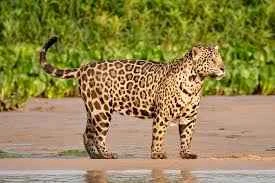
11. Jaguar (Panthera onca)
Jaguars are the most iconic wildlife of Quintana Roo and an important cultural symbol of the Mayan civilization. Historically widespread, Quintana Roo is now one of the Mexican states with the largest jaguar populations. According to data from 2009-2011, there are approximately 800 jaguars in the state. Several areas, including Sian Ka'an, have been designated as jaguar sanctuaries. As apex predators, they are crucial to the local ecological balance.
Summarize
Quintana Roo, with its unique geography and ecosystem, is home to a wealth of endemic plant and animal species. These native species not only showcase the amazing diversity of nature but also form a vital foundation for regional ecological balance and biodiversity conservation. If you love wildlife, why not follow the stories of these rare creatures in Quintana Roo and join us in conservation efforts!
References
Quintana Roo Institute for Biodiversity and Nature Reserves. (2016). Miniature endemic species of Quintana Roo. Accessible at: https://www.biodiversidad.gob.mx/media/1/region/eeb/files/13_QROO_IBAN-QROO.pdf
The Quintana Roo News editorial team. (2017). Quintana Roo is home to the largest jaguar population in the country! Visit: https://sipse.com/novedades/jaguar-quintana-roo-serlva-areas-protegidas-unam-estudio-presas-especie-proteccion-conservacion-preservacion-237068.html
Ministry of Environment and Natural Resources. (2018). Action Plan for the Conservation of the White-lipped Wild Boar (Tayassu pecari). SEMARNAT/CONANP, Mexico.