Dinosaurs have always been associated with ferocity, but some were also quite beautiful. So we often wonder what would happen if these creatures returned to Earth; we probably don't know the answer. Without further ado, let's take a look at nine of the most fascinating dinosaurs.
1. Xiujialong
The smallest species in the dinosaur family
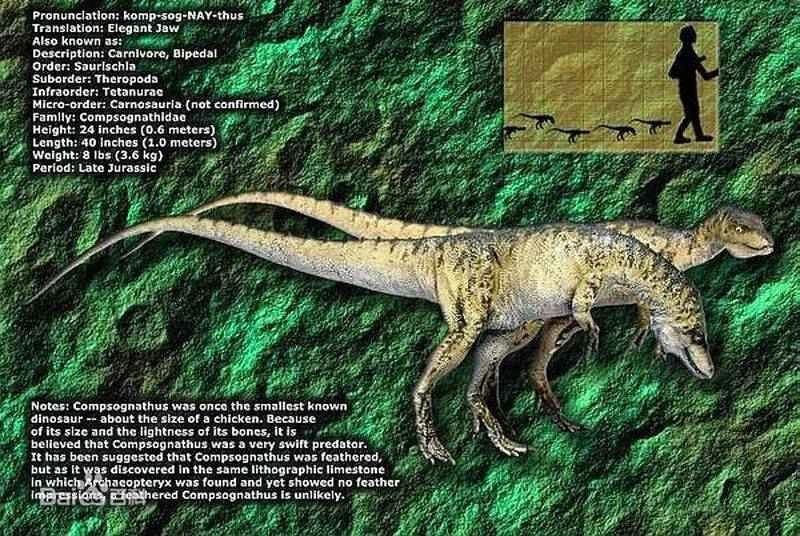
Compsognathus is a small and delicate species in the dinosaur family. An adult specimen measures only 75 centimeters in length from head to tail, with a body about the size of a hen, making it undoubtedly the smallest member of the dinosaur family. This dinosaur lived in the Jurassic period. Although unremarkable in appearance and unremarkable, its connection to what is believed to be the ancestor of birds has made it a subject of great interest to experts and scholars among dinosaur enthusiasts.
2. Liopleurodon
Carnivorous marine reptiles
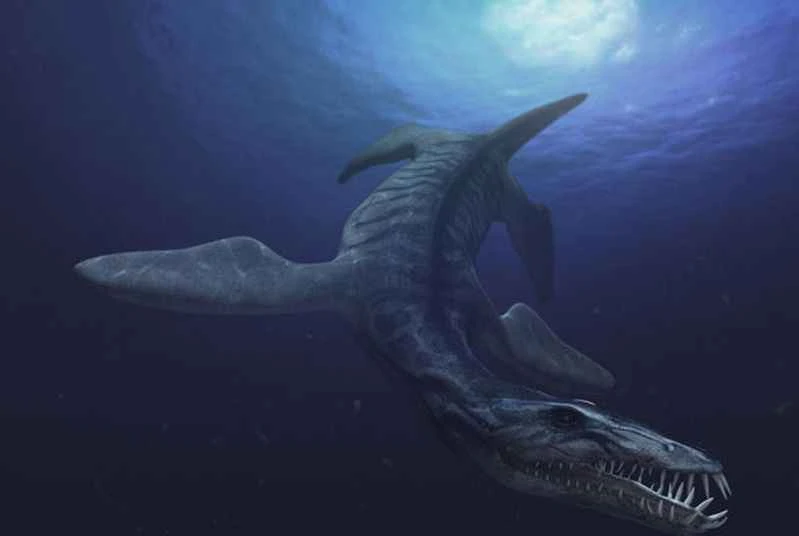
Liopleurodon, meaning "smooth-sided teeth," was a carnivorous marine reptile belonging to the short-necked pliosaur suborder of the order Plesiosauria. Liopleurodon lived during the Karlovian stage of the Middle Jurassic, approximately 160 to 155 million years ago. As a marine reptile in the Late Jurassic, its robust body was propelled by four medium-sized paddle flippers. Its long jaws were filled with sharp teeth.
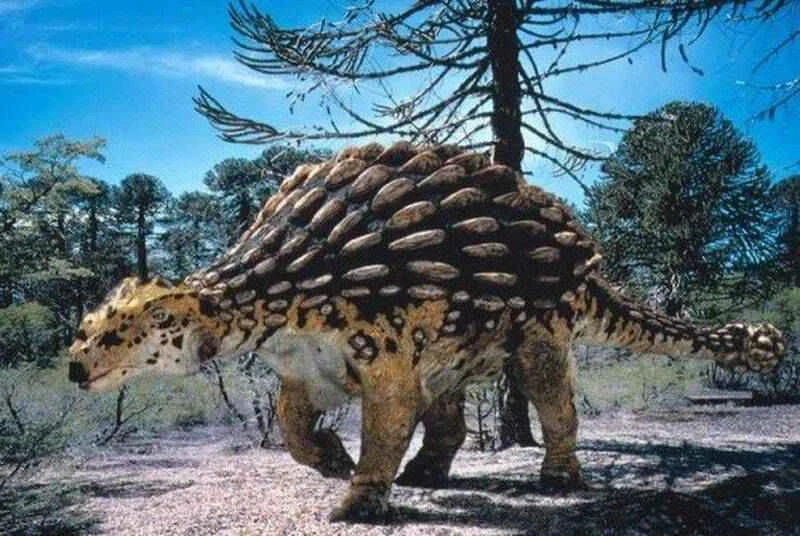
3. Armored Dragon
Defense experts
Ankylosaurus could reach 10 meters in length, with a wide body and short neck; its limbs were short, thick, and strong; its feet were short and wide, with five toes on its forefeet and four on its hind feet, the tips of which had hoof-like claws, adapted for terrestrial activity. When encountering enemies, the ankylosaurus could insert its claws into the ground to prevent its body from being overturned and to protect its soft abdomen; its well-developed tail club was used to launch a counterattack.
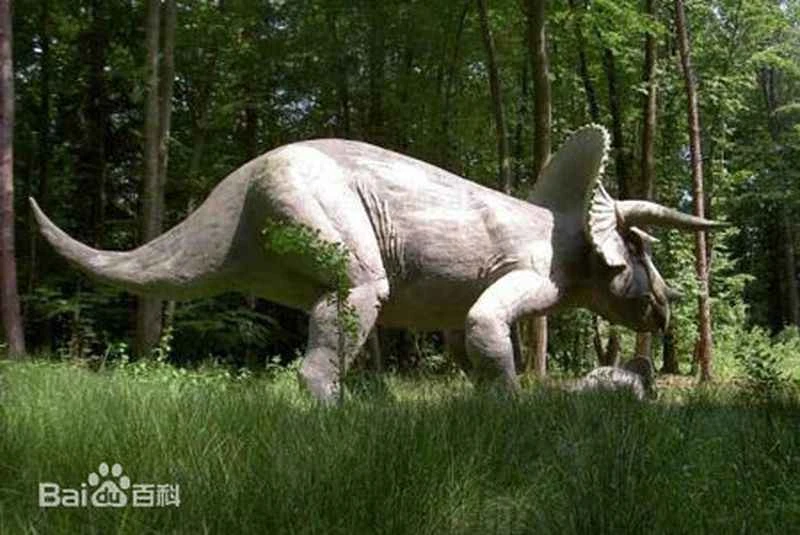
4. Triceratops
One of the last dinosaur species to appear before the Great Extinction
This was one of the last dinosaur species to appear before the Great Extinction. Triceratops was a tetrapod with a large bony fold and three horns, somewhat resembling a modern rhinoceros. It is one of the most easily recognizable species in the dinosaur family. Although it lived in the same area as the fearsome Tyrannosaurus Rex and was often their prey, it is unclear whether these two species ever actually engaged in battles as depicted in museums or some pictures.
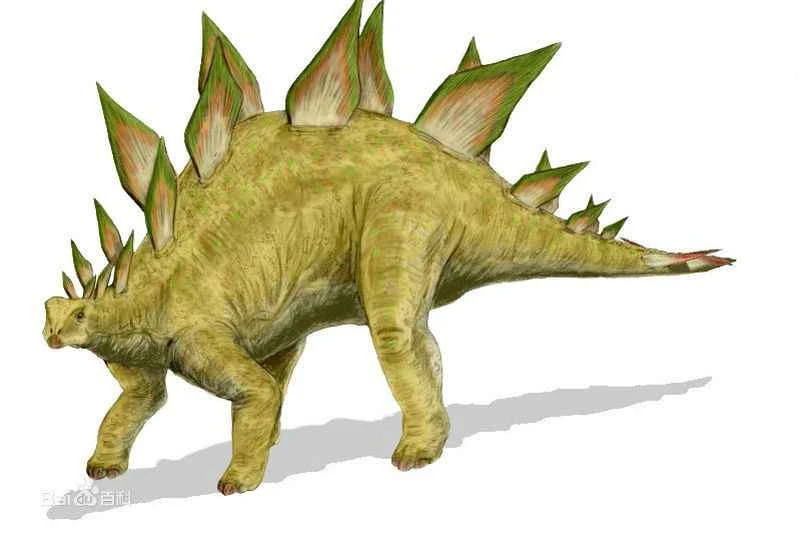
5. Stegosaurus
Late Jurassic herbivorous tetrapod dinosaur
Stegosaurus was a giant herbivorous dinosaur that lived during the Late Jurassic period. It had a row of large bony plates on its back and a dangerous tail with four sharp spikes to defend against predators. It was approximately 7-9 meters long, 2.35 to 3.5 meters tall, and weighed 2 to 4 tons. They lived on plains and in nomadic herds alongside other herbivores, such as Diplodocus.
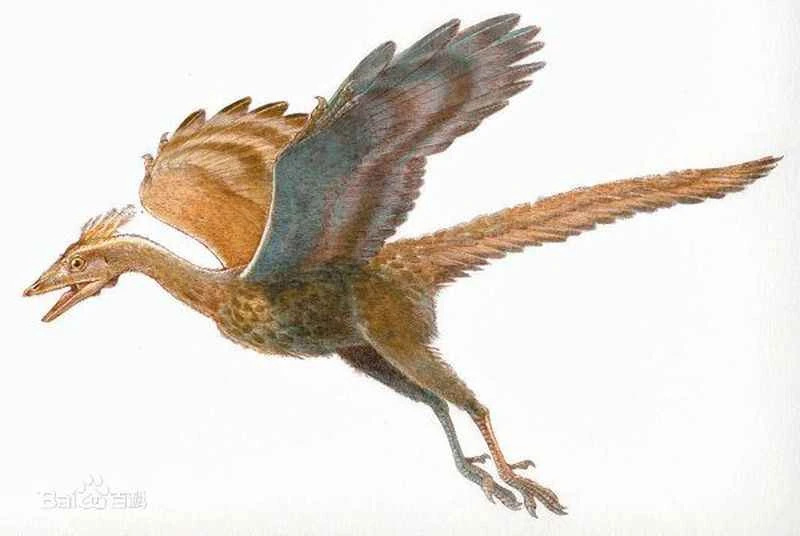
6. Archaeopteryx
This represents a primitive type of dromaeosaurid.
Archaeopteryx was a small dinosaur that lived during the Late Jurassic period. Belonging to the order Deinonychus, it represents a primitive type of Deinonychus. It was originally thought to have existed even earlier than Confuciusornis and Liaoningornis, and its name comes from the ancient Greek word for "ancient feathers" or "ancient wings." Archaeopteryx was an ancient vertebrate with a bird-like head, claws and wings, enabling it to fly to some extent. It had teeth, resembling a reptile, and a long tail composed of multiple caudal vertebrae.
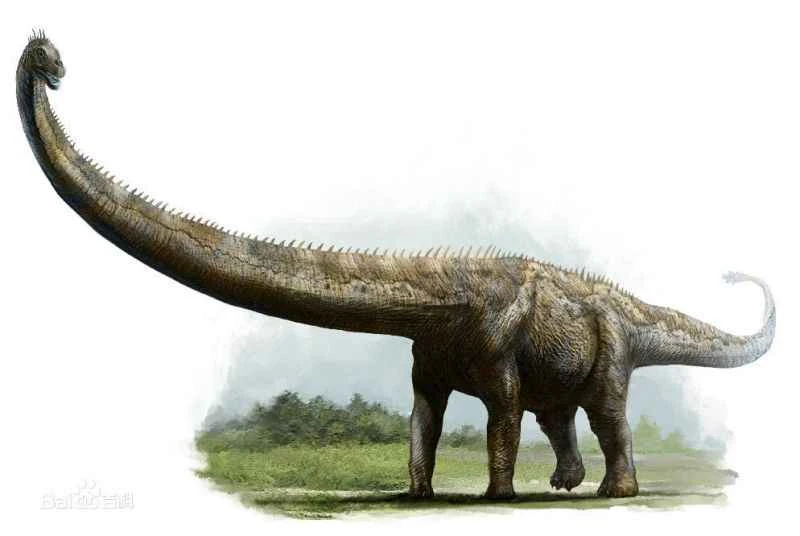
7. Fragile Double-Cavity Dragon
The longest vertebrate discovered
Amphicoelias fragillimus was excavated in 1877 by Oramel Lucas, a fossil collector hired by paleontologist Edward Drinker Cope. Lucas discovered this partial vertebra (neural arch and neural spines) in Garden Park, north of Canon City, Colorado, near the mine where Amphicoelias fragillimus was found. Undoubtedly, Amphicoelias fragillimus was the longest and heaviest dinosaur in history, even exceeding the weight of a blue whale. It reached a length of 35 meters and was closely related to Diplodocus.
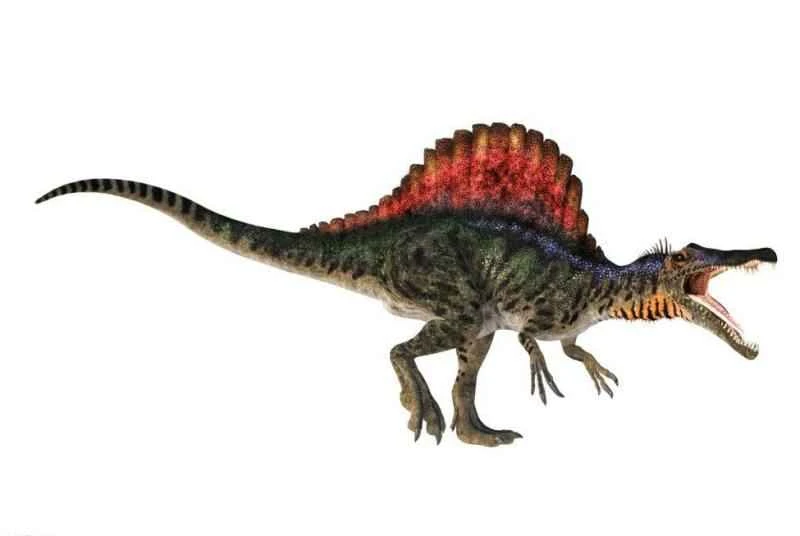
8. Velociraptor
Fast Lizard
Velocisaurus, meaning "fast lizard," is a ceratopsian dinosaur that lived in Argentina during the Cretaceous period. Velocisaurus may have been about 4 feet long. Only hind leg bones have been discovered so far; the hind legs and feet indicate they were adapted for running, hence the name Velocisaurus.
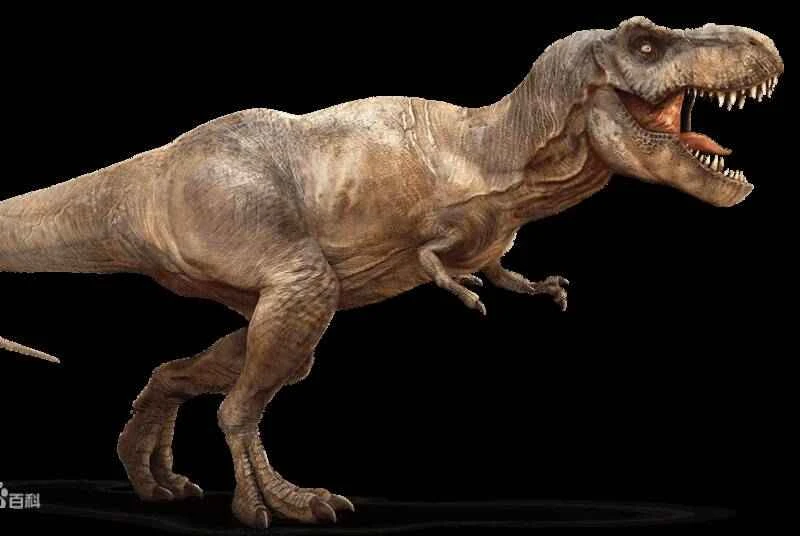
9. Tyrannosaurus Rex
King of Dinosaurs
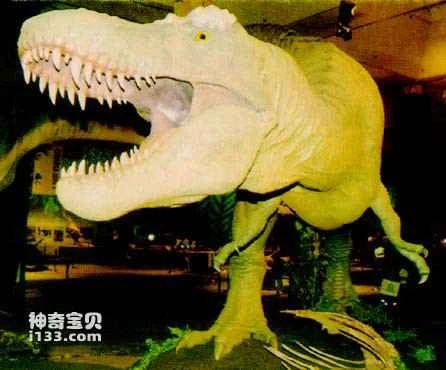
Tyrannosaurus Rex, also known as Tyrannosaurus Rex, is the largest species in the Tyrannosauridae family. It measures approximately 11.5-14.7 meters in length, with an average hip height of about 4 meters. The highest hip height reached approximately 5.2 meters, and the highest head height approached 6 meters. Its average weight was about 9 tons (ecological average about 7.6 tons), with a maximum weight of 14.85 tons. The longest head was approximately 1.55 meters. Its bite force was typically 90,000-120,000 Newtons, reaching up to 200,000 Newtons at the tip of its jaws. It was also the most robust carnivorous dinosaur.