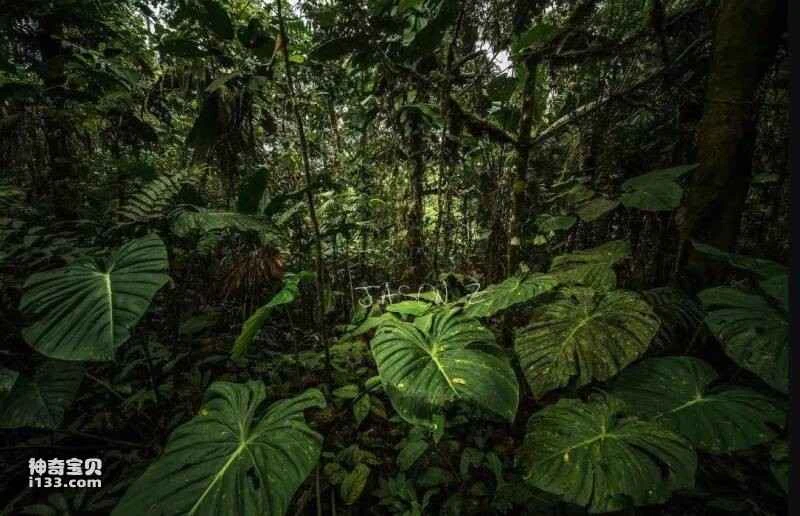
According to experts, nearly 60,000 plant species and 2,500,000 insect species live within the Amazon rainforest. Furthermore, it is home to a rich variety of bird species, as well as various mammals, amphibians, and reptiles; approximately one-fifth of the world's bird species inhabit the Amazon rainforest. Here, you can witness almost all of the world's biodiversity and experience breathtaking natural wonders. Years of ecological evolution have made the Amazon rainforest increasingly valuable, undoubtedly making it a true "treasure trove" of life. However, the Amazon rainforest also harbors many dangerous creatures . Even humans, the dominant species on Earth, will not find much advantage when entering the Amazon rainforest; they may even lose their lives there.
1. Mosquitoes in the Amazon rainforest
Mosquitoes, a common creature in our lives, have always been a formidable opponent for humans. However, Amazon rainforest mosquitoes are clearly much more sophisticated than the mosquitoes we encounter regularly.
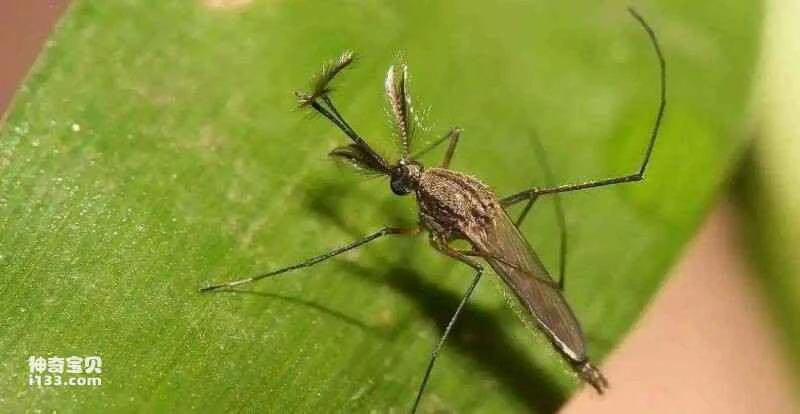
First, due to the humid climate, mosquitoes inside the Amazon rainforest are much "plumper" than ordinary mosquitoes. They are often large in size and agile, frequently ambushing humans from the shadows.
Secondly, mosquitoes in the Amazon rainforest often carry highly toxic substances.
There are as many as 300 species of mosquitoes here, most of which carry unique and deadly viruses. Many of these viruses are unknown, and being bitten by a mosquito in the Amazon could be fatal.
2. Bullet Ants
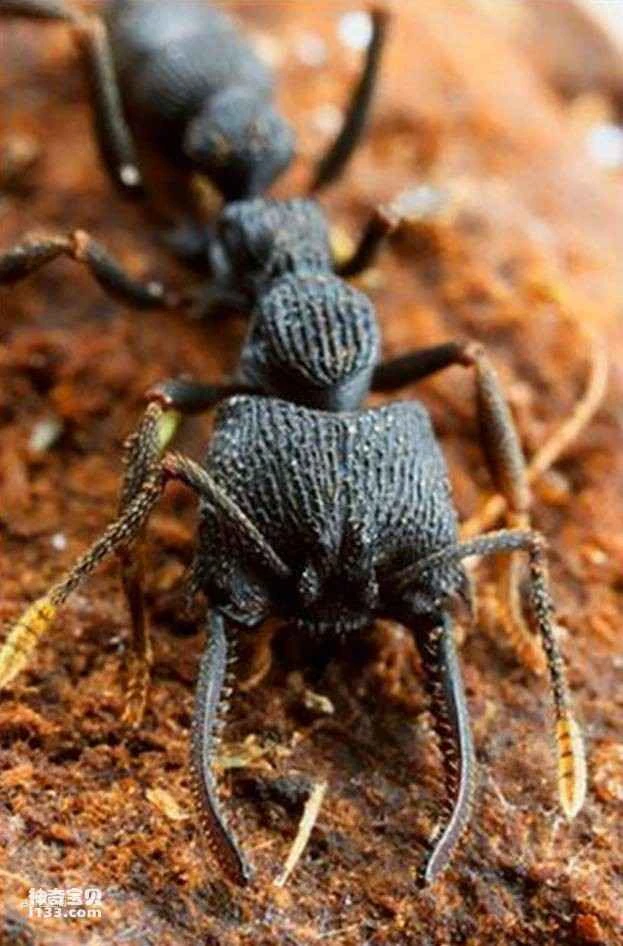
Judging from its name, you can tell it's up to no good. The reason it has such a name is that if you are bitten by a bullet ant, you might feel as if you've been shot, experiencing excruciating pain like being hit by a bullet.
Legend has it that being bitten by a bullet ant is as painful as breaking 20 ribs simultaneously. Bullet ants are among the most venomous ant species, and are five times the size of a regular ant. If you encounter one, it's best to run away.
3. Highly venomous spiders (wandering spiders and giant birdeaters)
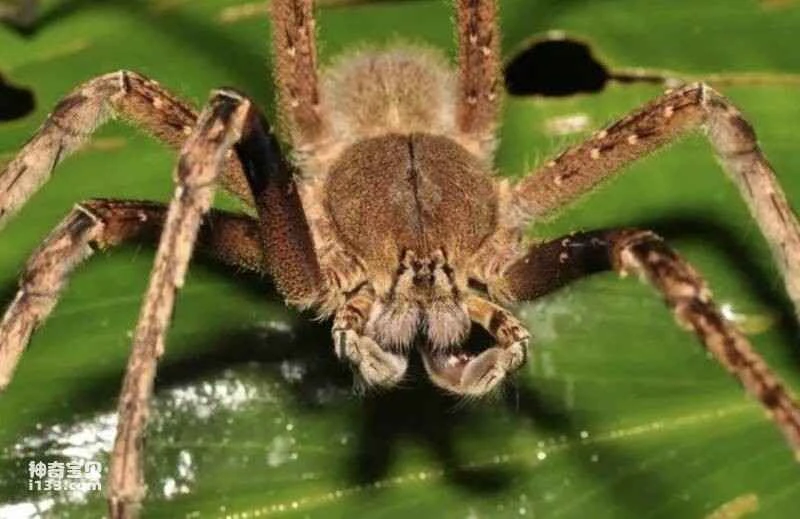
The wandering spider is one of the world's most venomous spiders. Its venom contains an extremely potent neurotoxin; if this neurotoxin enters the human body, it can rapidly paralyze the cardiovascular and respiratory systems. Without immediate medical attention, death is highly likely.
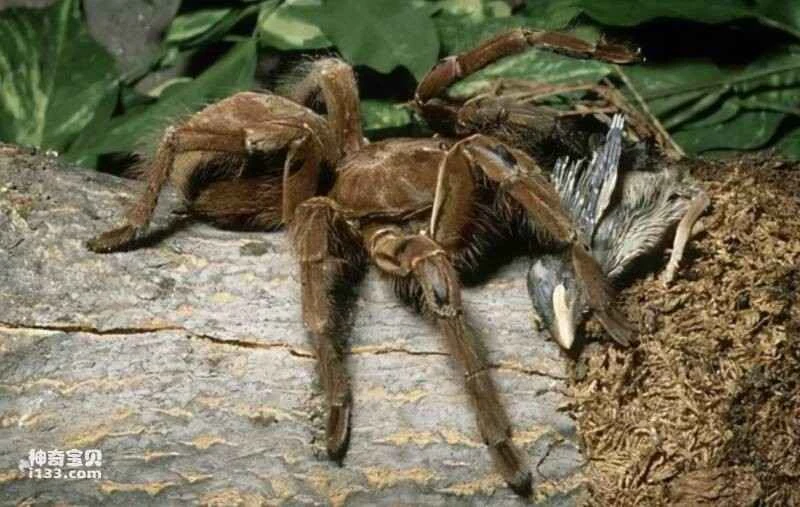
Besides the wandering spider, the giant birdeater is another extremely terrifying spider species. It is recognized as one of the largest spiders in the world, often growing to 30 centimeters in length. While its venom isn't particularly potent, it can easily swallow birds and small creatures, and even venomous snakes become its prey.
The giant birdeater has pincer-like fangs that can easily pierce human skin, causing great harm.
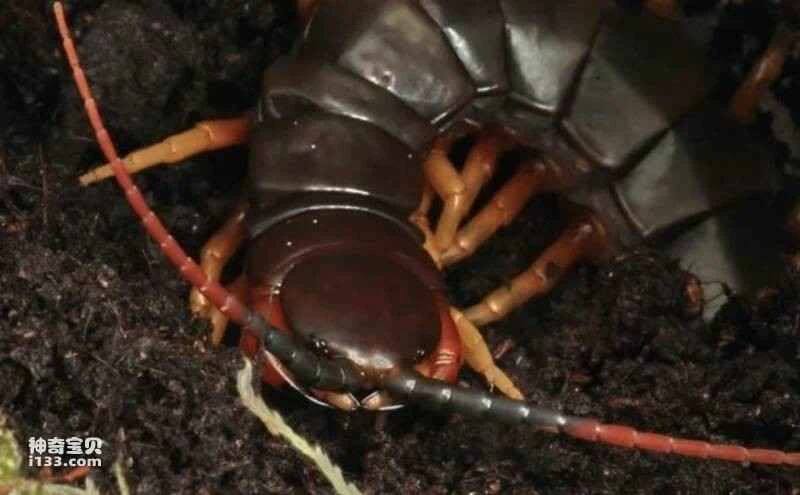
4. Giant centipede
Besides these, the centipedes in the Amazon rainforest are also much larger than ordinary centipedes. The Peruvian giant centipede, living in the rainforest, can exceed 40cm in length. Centipedes are one of the traditional "Five Poisons" in China, and these Amazon centipedes are also highly venomous. While not fatal, a bite from one of these centipedes is extremely painful. The thick layer of fallen leaves and the numerous tree trunks and crevices of the Amazon rainforest provide a natural habitat for these centipedes. They generally hide in these places during the day and only become active at night, making the rainforest nights particularly terrifying.
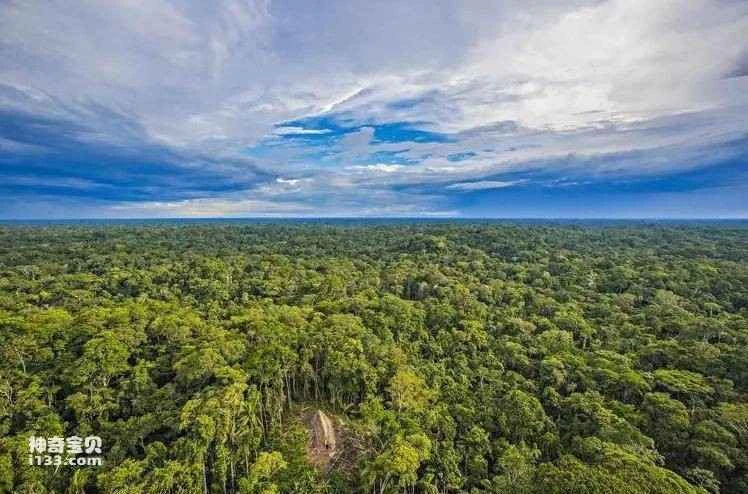
The creatures listed above represent only a small fraction of the dangerous organisms lurking in the Amazon rainforest. Countless other dangerous species exist within the rainforest, making long-term human survival in the Amazon extremely difficult. Although these creatures are highly venomous, they rarely come into contact with humans as long as their territory remains untouched. However, with the large-scale development of rainforests, tropical rainforests are being destroyed at an unprecedented rate. Losing their habitats, these creatures are forced to enter human society to survive, thus threatening human lives. Therefore, the most important thing to avoid these highly venomous creatures is not to stay away from the rainforest, but to protect it and stop its destructive activities.