Where are Antarctic penguins originally from? Could their ancestors fly? How did penguins evolve? These questions about the origin of penguins are topics that biologists are exploring and researching, and so far remain a mystery. But it is truly deserving to be called the symbol of Antarctica.
I. The Current Status of Penguins
1. Due to their large numbers, high density, and wide distribution, over 100 million penguins have been discovered in the Antarctic region, accounting for 1/10 of the world's seabird population. They can be found along the Antarctic coast and on islands in the sub-Antarctic region. Anyone who sets foot on Antarctica will first notice the flocks of penguins covering the mountains and fields, bringing life to this desolate and lonely icy world.
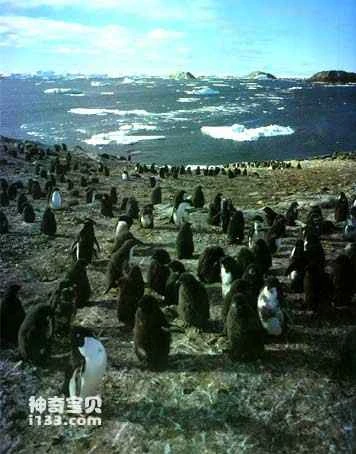
2. Because penguins are lovable in appearance, especially their dignified, polite, and gentlemanly demeanor, which leaves a deep impression on people.
3. Because penguins have shared joys and sorrows with Antarctica for generations, they have developed a unique physiological ability to adapt to the harsh Antarctic environment, namely, the ability to withstand low temperatures.
4. Because of the unique living habits of penguins, such as male penguins incubating eggs and the penguin nursery, these have long been popular stories and interesting anecdotes.
5. Because penguins are a symbol of cold, the sight of a penguin immediately evokes the image of Antarctica, the coldest place on Earth. No wonder the global frozen dessert industry often uses penguins as trademarks; in the sweltering summer, the sight of a penguin brings a sense of coolness and refreshment.
It is this mysterious world of Antarctica that has given birth to such unique "inhabitants." Like polar bears, Antarctic penguins have become well-known and iconic animals.
II. The Origin of Penguins
Where is the Antarctic penguin's ancestral home? Could penguins' ancestors fly? What did penguins evolve from? These questions about the origin of penguins are topics that biologists are exploring and researching, and so far, they remain a mystery.
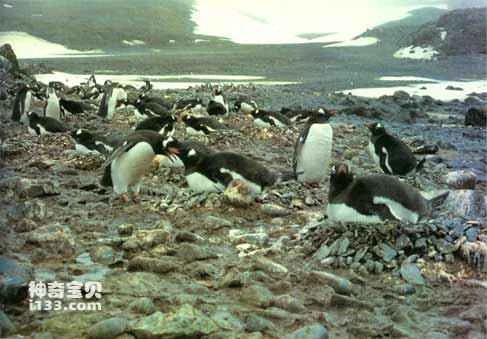
However, one theory suggests that Antarctic penguins originated from a flying animal during the breakup of Gondwana. Around 200 million years ago, Gondwana began to break apart, with Antarctica separating and drifting south. At this time, a group of flying animals happened to be flying over the ocean. They discovered the drifting Antarctic continent as a paradise, so they circled, watched, and chattered amongst themselves. Finally, they decided to land on this land. Initially, they lived there happily, with plenty of food and clothing, chasing and reveling to their hearts' content. However, this didn't last long. As the continent moved south, it became increasingly cold, and they had nowhere to fly. Surrounded by vast ice seas and snowfields, they had no choice but to stay on this land. Soon, Antarctica reached the polar regions, and over time, it was covered with thick ice and snow. The once thriving wildlife died out in large numbers, except for the penguin's ancestor—a flying animal—which survived. However, they underwent a radical transformation: they went from being able to fly to being unable to, their once broad, fluffy feathers became fine, needle-like feathers, and their slender, elongated bodies became shorter and stouter. Their physiological functions also underwent profound changes, with increased resistance to low temperatures. As time passed and centuries changed, they finally evolved into modern penguins, becoming the indigenous inhabitants of the Antarctic region.
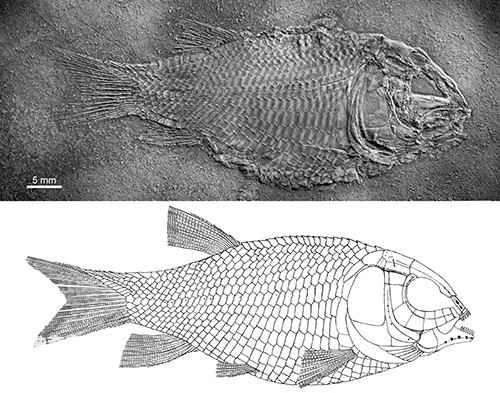
While the above claims may seem far-fetched, they are not entirely unfounded and have some scientific basis. Paleontologists have discovered penguin-like fossils in Antarctica. Analysis suggests that these penguin-like birds possessed some amphibian characteristics, were about 1 meter tall, and weighed 9.3 kilograms; perhaps they were the precursors to penguins.