Fish have accompanied humankind for over five thousand years, forging an inseparable bond and becoming an essential part of daily life as both food and pets. Approximately 32,000 species of fish have been discovered worldwide. Fish live in water, distributed in both oceans and freshwater, with two-thirds inhabiting the ocean and the remainder in freshwater. Do you know which prehistoric fish species have survived to this day? These include the frilled shark, coelacanth, lamprey, arowana, sturgeon, Senegalese multifin, beluga sturgeon, alligator gar, arapaima, and great white shark. Let's take a look at the characteristics of these prehistoric fish.
1. Frilled Shark (380 million years ago)
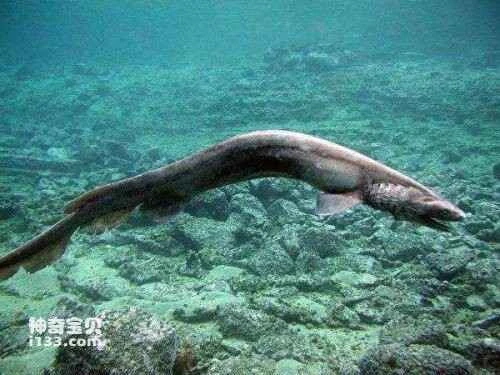
The frilled shark, a species of shark belonging to the genus *Frillus* in the family Frillidae, is also known as the frilled eel shark. It is a primitive species of shark with no subspecies differentiation, often referred to as a "living fossil." It has six gill slits on each side of its body, with elongated and folded intergill slits that overlap each other, hence its name. Frilled sharks primarily inhabit deep seas and are distributed almost worldwide, albeit sporadically. The reason they have more gill slits than other sharks is likely due to their predominantly deep-sea environment, living at depths of 500-1500 meters, and they have existed for over 380 million years.
2. Coelacanth (377 million years ago)
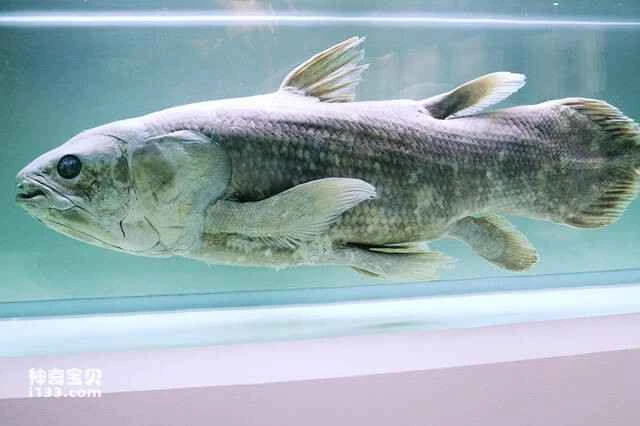
Coelacanths are a collective term for some lobe-finned bony fishes in the order Coelacanthia. Closely related but extinct species in the suborder Pteranodontia are considered ancestors of terrestrial vertebrates. Modern coelacanths are deep-sea fish of the family Coelacanthidae, named for their hollow fin spines. They are larger than most fossil species. They are ferocious predators, with stout, slimy bodies, limb-like fins, and agile movements. They are brightly colored and easily distinguishable. Coelacanths first appeared and evolved 377 million years ago, when they were extremely abundant on Earth. Coelacanth fossils have been found from the Late Permian to the Early Cretaceous.
3. Lamprey (360 million years ago)
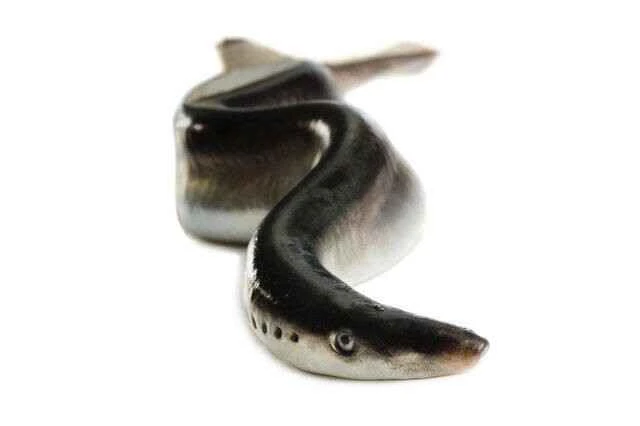
Lampreys, also known as eight-eyed eels or seven-star eels, are ancient animals belonging to the class Cyclostomata and order Lampreys. They represent an intermediate point in the evolution of invertebrates into fish, and are considered one of the most primitive groups of fish-like animals. Lampreys resemble common eels, with slender, eel-shaped bodies, bare, scaleless skin, and a long dorsal fin extending to the tail and forming a caudal fin. They possess no other fins. Lampreys are among the few surviving jawless vertebrates. Fossilized lampreys date back 360 million years, predating the dinosaurs. Therefore, lampreys are called "living fossils" and are of great significance for the study of biological evolution.
4. Golden Dragon Fish (355 million years ago)
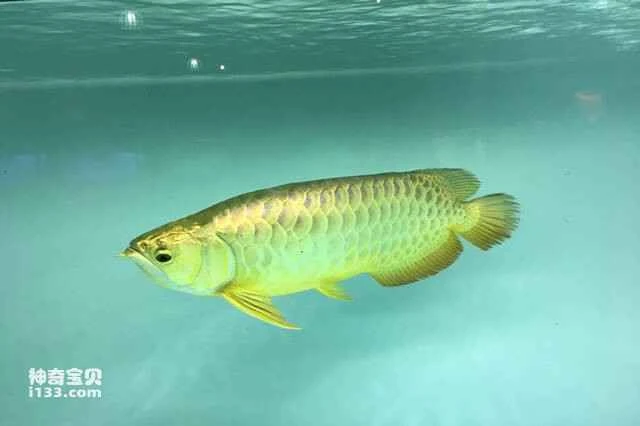
The beautiful, bony-tongued arowana, also known as the Asian arowana or golden arowana, is an ancient, primitive freshwater fish. Adults reach 40-50 cm in length and can live for decades. It is ferocious and primarily preys on live fish, shrimp, aquatic insects, and frogs. Developed as an ornamental fish in the mid-20th century, it has gained immense popularity due to its shimmering metallic scales, vibrant colors, and majestic appearance, commanding prices in the tens of thousands of dollars and becoming one of the most prized ornamental fish. Arowanas, belonging to the Osteoglossidae family, existed as far back as the Carboniferous period. Around 140 million years ago, they migrated to Asia and the Indian subcontinent, and subsequent crustal movements gradually distributed them to various continents around the world.
5. Sturgeon (150 million years ago)
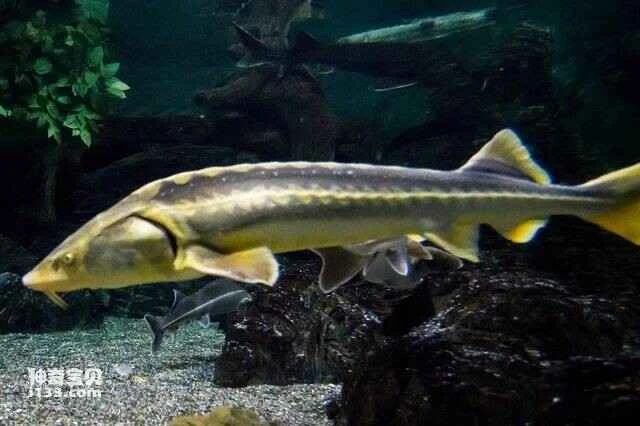
Sturgeon are among the earliest extant vertebrates. The term "sturgeon" usually refers to fish in the order Acipenseriformes, one of the most primitive groups of fish. Sturgeon belong to the class Osteichthyes, subclass Actinopterygii, superorder Acipenseriformes, and order Acipenseriformes. They are rare ancient fish that survived from the Mesozoic Era 150 million years ago. Their skeletons are intermediate between cartilaginous and bony, with generally reduced ossification. The central axis is an unossified, elastic notochord, and they lack vertebral bodies. The cartilaginous shell of their skull is largely unossified.
6. Senegalese Polypterygian (145 million years ago)
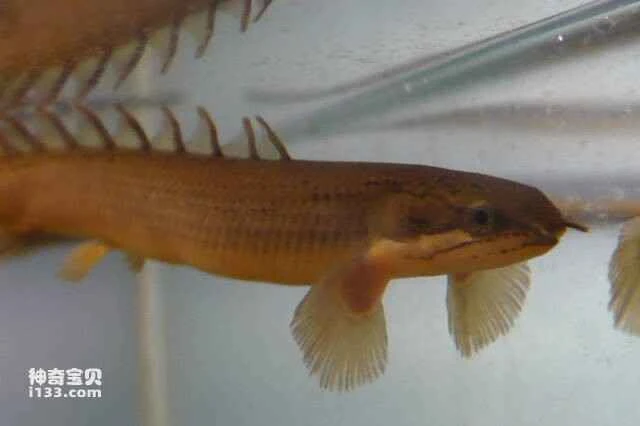
The Senegalese Polypterus is a freshwater fish, commonly known as the Polypterus, also called the Golden Dinosaur or Nine-Section Dragon. It belongs to the order Polyptera, family Polyptera, and genus Polypterus, and is an ancient fish endemic to Africa. The Golden Dinosaur is widely distributed in freshwater streams and lakes throughout East, West, and Central Africa, with relatively abundant populations. Its unique structure makes it an important species for research in fish evolution, and its unusual appearance also makes it suitable as an ornamental fish. This fish appeared on Earth approximately during the Cretaceous period. They are extremely resilient, possessing a body with incredibly dense scales that allow them to retain water far more effectively than other fish. Therefore, even after being out of water for extended periods, the Senegalese Polypterus may not necessarily die.
7. Beluga sturgeon (130 million years ago)
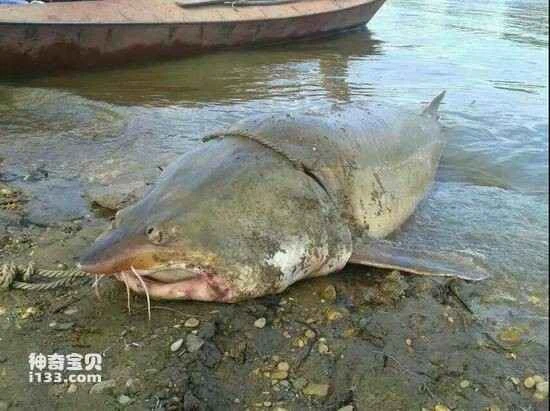
Kaluga sturgeon, commonly known as the beluga, is a cartilaginous fish originating from the Cretaceous period, 130 million years ago. It is a rare fish species found only in the Heilongjiang River basin. Kaluga sturgeon is relatively large, being one of the largest freshwater fish species. It is mainly distributed in the Heilongjiang River and its major tributaries and connected lakes, especially in the middle reaches of the Heilongjiang River; it is also found in the lower reaches of the Ussuri River and Songhua River, and occasionally in the lower reaches of the Nenjiang River. This freshwater fish never swims into the sea and is divided into populations in the Heilongjiang River estuary, populations that live year-round in the river channel, and populations in the freshwater areas along the coast of the Sea of Okhotsk and the Sea of Japan.
8. Alligator gar (over 100 million years ago)
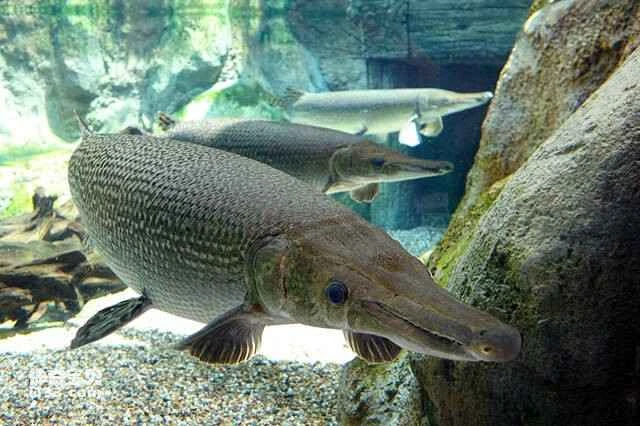
The alligator gar is the largest of the seven species of gar in North America, growing up to 3 meters long. It is a large, predatory fish that primarily inhabits freshwater, occasionally venturing into brackish water. It prefers a solitary lifestyle. Its eggs are poisonous, green, and adhere to aquatic plants or gravel. The alligator gar is a giant, carnivorous freshwater fish endemic to southern North America, belonging to prehistoric fish species that have existed on Earth for over 100 million years. Its name comes from the shape of its snout, and its body is covered in extremely hard, enamel-like scales. Fossils date back to the Late Cretaceous period. In ancient times, it was widespread throughout North America, Europe, India, and Africa; now it is only found in eastern North America, Central America, and Cuba. It is a large, predatory fish.
9. Arapaima (100 million years ago)
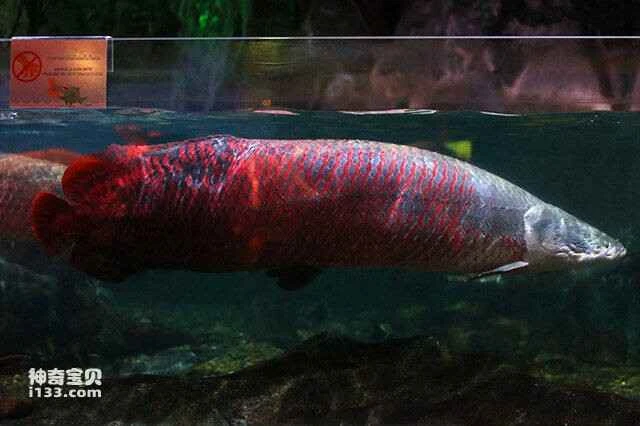
The Arapaima, also known as the giant arapaima, is a species of fish in the genus Arapaima. Adults can reach 2-6 meters in length and weigh up to 100 kilograms. They are large, elongated, and slightly laterally compressed. Their skull is composed of free, plate-like bones. They have a large mouth and no barbels. They lack a lower jawbone, but possess strong, well-developed teeth on their tongue. The Arapaima is a remnant of ancient freshwater fish, believed to have first appeared 100 million years ago. Because of the bony teeth on its tongue, this type of fish is called a bony-tongued fish. The Arapaima primarily inhabits the riverbanks of the Amazon River basin, but its exact age of distribution, particularly in the lower part of the basin, remains unknown.
10. Great White Shark (20 million years ago)
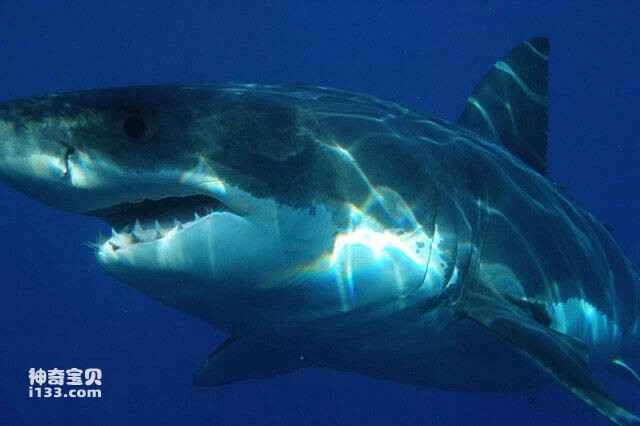
The great white shark, also known as the man-eating shark, is the largest carnivorous fish, reaching up to 6.5 meters in length and weighing 3200 kilograms. It has a crescent-shaped tail, large, serrated, triangular teeth that are 10 centimeters long, and is a large, aggressive shark. Due to its exceptionally large size, it can be considered the ultimate predator in the food chain, the highest apex consumer. Great white sharks are distributed in the tropical and temperate zones of all oceans, generally living in open ocean areas but often venturing into inland waters. They primarily prey on seals and sea lions, and occasionally also consume dolphins and whale carcasses. The great white shark first appeared in the Miocene epoch and is the only extant member of the genus *Carcharodon*.