Bolivia is one of the world's most biodiverse countries, listed as a "super-diversity" country, ranking seventh globally. However, like many parts of the world, human activities pose a serious threat to these species, leading to the risk of extinction for many animals.
This article will introduce 13 endangered animal species in Bolivia, helping you to better understand the country's unique ecological wealth and the challenges it faces.
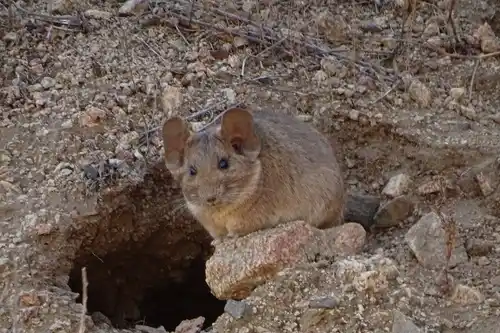
1. Bolivian Chinchilla (Abrocoma boliviensis)
This is a small rodent found only in Bolivia, primarily inhabiting cloud forests and rocky areas. Its back is grayish-brown or brown, while its belly is lighter in color. It feeds on grasses and shrubs.
Threats : Agricultural and pastoral expansion has encroached on its habitat, while human hunting for its fur has led to a sharp decline in its population.
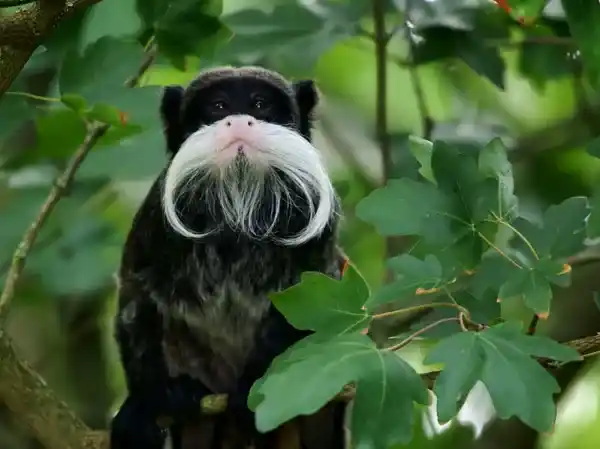
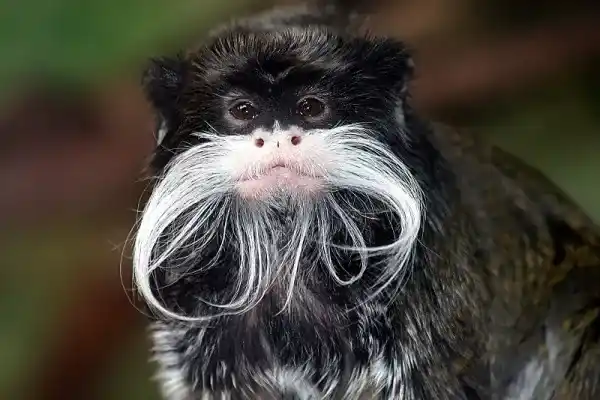
2. Emperor Marmoset (Saguinus imperator)
This monkey is known for its distinctive long white beard and primarily inhabits the treetops of both arid and humid forests. Its fur is greyish-black with yellow spots on its back, and it is a typical omnivore.
Threat : Large-scale deforestation, agriculture, and mining activities are constantly shrinking its living space.
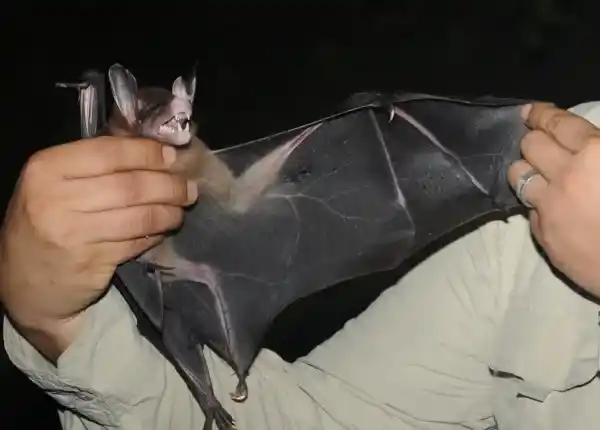
3. Vampyrum spectrum (false vampire bat)
One of the world's largest bats, with dark brown or orange plumage, it is found in forests, jungles, and savannas. It feeds on amphibians, birds, insects, and small reptiles.
Threat : Habitat destruction deprives it of shelter and food sources, leading to a sharp decline in population size.
4. Bolivian River Dolphin (Inia boliviensis)
These are freshwater whales endemic to Bolivia, inhabiting rivers in the Amazon basin. They are mostly solitary, except during the breeding season, and their diet includes crustaceans, small fish, and other aquatic organisms.
Threats : River pollution and the construction of dams have destroyed its habitat, becoming the main threats to its survival.

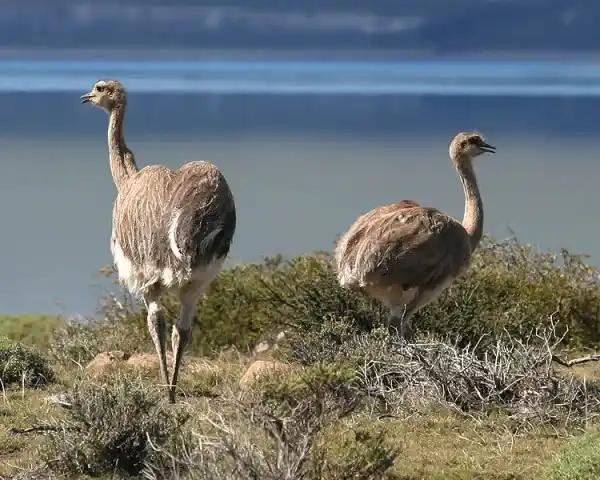
5. Andean ostrich/South American ostrich (Pterocnemia pennata)
Commonly known as the "Darwin's ostrich" or "Andean ostrich," it can reach a height of 1.2 meters and weigh about 25 kilograms. Although it cannot fly, it can run at speeds of up to 60 kilometers per hour. Its plumage is a mixture of grayish-white and brown.
Threats : Human hunting for its meat and eggs, deforestation, and grassland burning have exacerbated habitat loss.
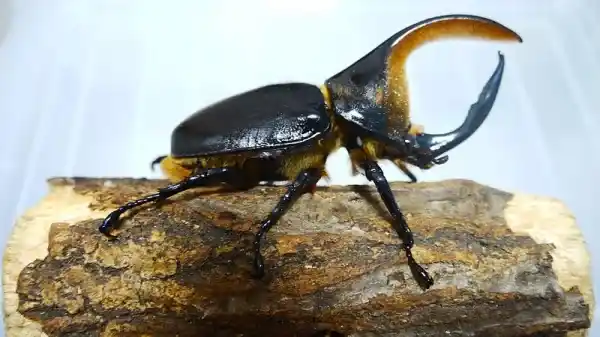
6. Satan Beetle (Dynastes satanas)
A beetle with a very peculiar appearance; males are larger. It is commonly found in humid forest areas and typically has a lifespan of only two years.
Threat : Agricultural activities and deforestation have drastically reduced its habitat.
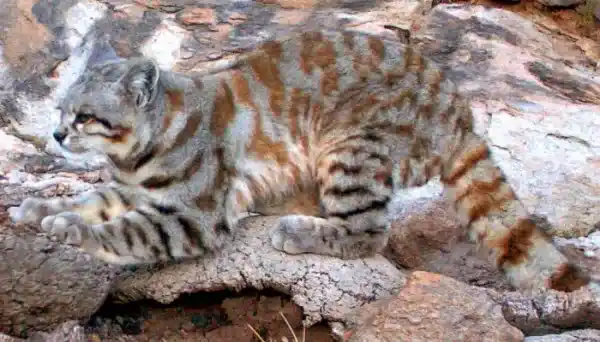
7. Andean cat (Leopardus jacobita)
This small feline has silver-grey fur and large, round ears with excellent hearing. It is a typical carnivore, feeding on birds, rodents, and reptile eggs.
Threats : Illegal hunting and habitat destruction, coupled with a decline in the population of its primary prey, the Bolivian chinchilla.
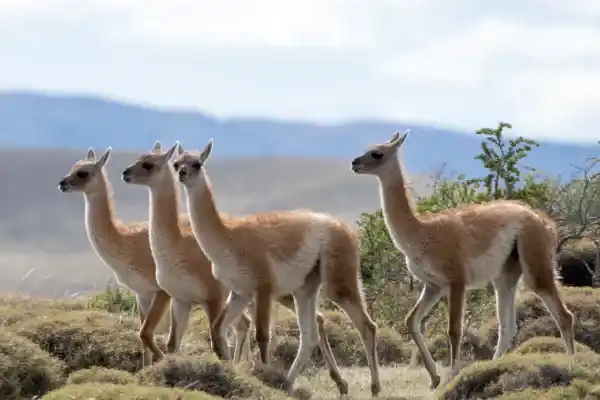
8. Loggerhead (Lama guanicoe)
Similar to alpacas, but smaller in size. They are mainly distributed in arid and semi-arid regions, even in alpine grasslands at altitudes of 4,500 meters.
Threat : Overhunting and land development have led to a sharp decline in their numbers, and they are now listed as a protected species.
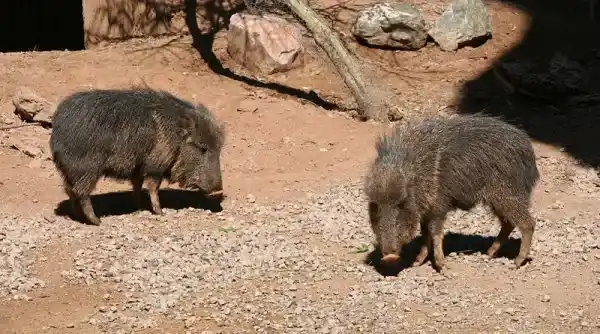
9. Chillimero wild boar (Catagonus wagneri)
Also known as "tagua", it is an ungulate endemic to Bolivia and parts of South America. It mainly lives in arid, thorny vegetation areas and feeds primarily on cacti.
Threat : It was once thought to be extinct due to overhunting for its meat value, and was not rediscovered until 1975.
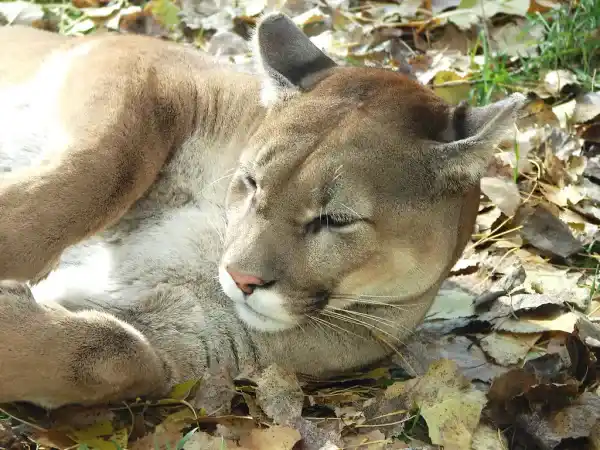
10. Cougar (Puma concolor)
A large cat species widely distributed across North and South America, it is mainly concentrated near the Andes Mountains in South America. It is adept at ambushing prey by hiding in dense vegetation.
Threats : Commercial and recreational hunting and habitat destruction put immense pressure on its population.
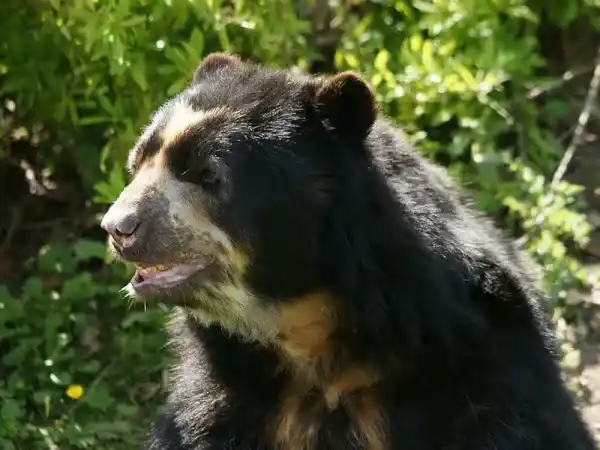
11. Spectacled Bear / Andean Bear (Tremarctos ornatus)
The only bear species found in South America, it is medium-sized and omnivorous but mainly herbivorous, hence the name "opportunistic omnivore".
Threat : They are hunted because they are mistakenly believed to be a threat to crops and livestock, and their numbers are often reduced due to hunting.
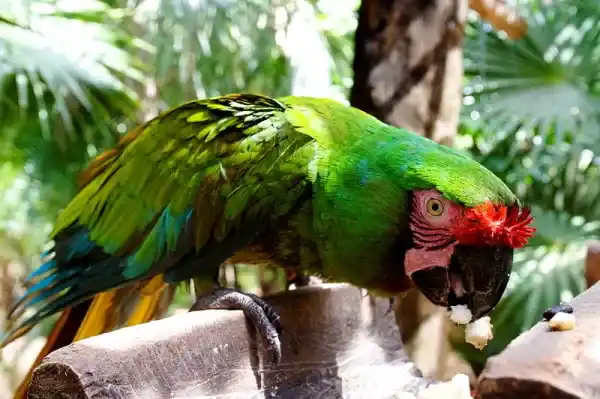
12. Green Macaw (Ara militaris)
A large parrot with predominantly green plumage, interspersed with small amounts of yellow, blue, and red. It lives in lowland forests and riverside areas.
Threats : Illegal capture for the pet trade, and deforestation.
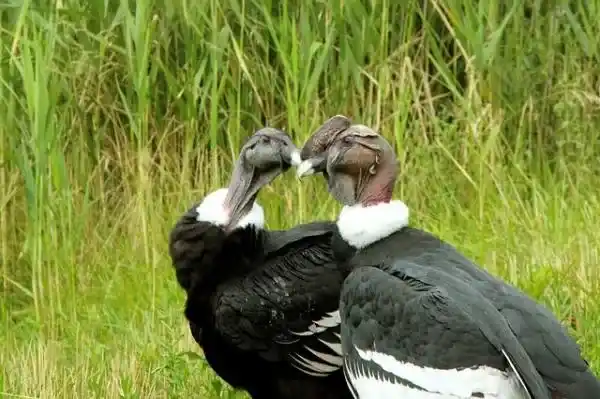
13. Andean condor (Vultur gryphus)
One of the most iconic birds of prey in South America, with a wingspan of up to 3 meters and a weight of up to 15 kilograms. Its plumage is predominantly black, with a white ring around its neck. It skillfully uses strong mountain winds to soar high in the sky and feeds on carrion.
Threats : Habitat loss, conflicts of interest between humans and livestock, and hunting all contribute to its precarious situation.
How can we help Bolivia's endangered animals?
To prevent these precious species from going extinct, humans can take the following measures:
Avoid introducing invasive alien species.
Strengthen legal protection for endangered animals and habitat conservation.
Boycott all products involved in the illegal wildlife trade.
Report poaching and illegal trade.
Actively participate in ecological conservation organizations and projects to promote public awareness of the fate of endangered animals.
These 13 animal species are just one part of the crisis facing Bolivia's rich biodiversity. Protecting them is not only about maintaining the balance of the ecosystem, but also about safeguarding the natural heritage of all humankind.