The Sengenburg Natural History Museum, located in Frankfurt, is Germany's largest natural history museum and one of the world's most famous and top-tier museums.
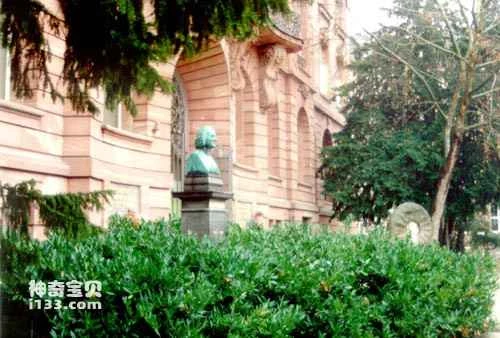
Sengenberg statue
In 1763, the Sengenburg Foundation was established using the estate of the renowned German physician and philanthropist, Mr. Sengenburg, to promote scientific advancement. In 1815, Goethe, Germany's greatest poet and writer, visited the Sengenburg Foundation during a trip back to his birthplace, Frankfurt, and first proposed the creation of the Sengenburg Natural Society. On November 22, 1817, 17 free citizens of Frankfurt spontaneously formed the non-governmental Sengenburg Natural Research Society, relying on private donations to conduct various activities. In 1818, the society began preparations for building a museum. Mr. Bateman donated 3,000 guilders of gold in a single donation that year, and continued to donate substantial sums to the society annually in the following years. In 1883, Mr. Bausch bequeathed his estate of 800,000 marks to the Sengenburg Natural Research Society, securing its employment for many years. In addition, many other individuals donated numerous rare and valuable private collections to the Sengenburg Museum for its exhibits. Today, the Sengenberg Museum receives 2 million marks in donations annually, approximately 10% of its average annual expenses. These donations come from prominent doctors, lawyers, and entrepreneurs, as well as from many ordinary citizens. These donations have played a significant role in the development of the Sengenberg Natural Research Association and its affiliated Sengenberg Natural Museum and Sengenberg Institute.
For over a century after its founding, the staff of the Senenberg Natural Research Society were entirely voluntary. It wasn't until 1901 that one person began receiving a government stipend; and by 1950, only ten staff members were receiving government salaries. The development of the Senenberg Museum is inseparable from the unwavering passion and selfless dedication of all these staff members for natural science. During World War II, Germany suffered severe devastation, with many cities reduced to ruins. A dozen or so members of the Senenberg Natural Research Society spontaneously moved and hid the museum's collection, ultimately ensuring the complete preservation of the collection accumulated over 100 years, preventing its destruction by the war.
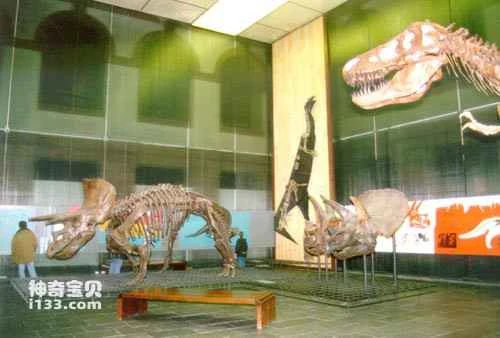
Dinosaurs at the Sengenburg Museum
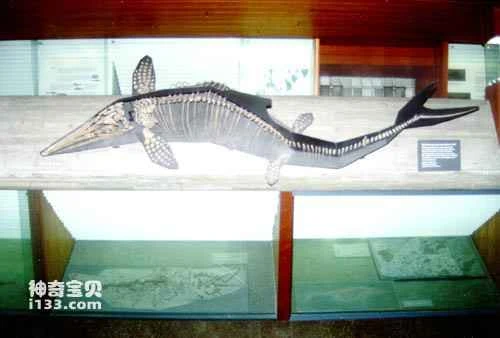
Ichthyosaurs in the Sengenburg Museum
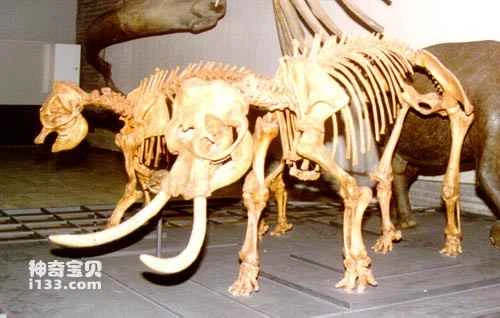
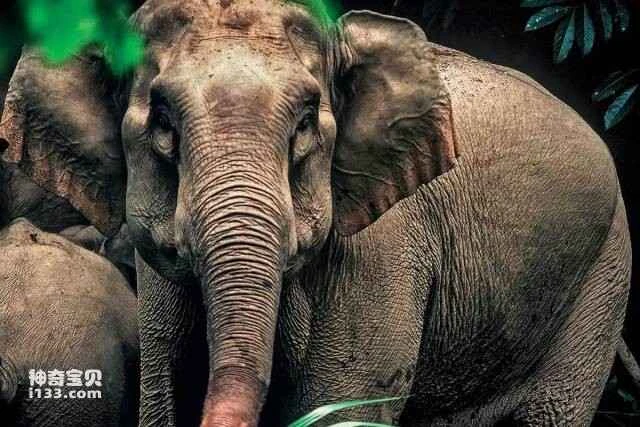
Elephant fossils in the Sengenburg Museum
The Sengenburg Natural Research Society started with only 17 members; now, its membership has grown to 4,500, in addition to numerous corresponding and honorary members, including many world-renowned poets, scientists, and philosophers such as Goethe, Darwin, Cuvier, and Hegel. Most notably, Wegener delivered his first academic presentation on continental drift at the Sengenburg Natural History Museum. The revolutionary impact of continental drift on geology is as profound as the impact of Einstein's theory of relativity on physics.
The Sengenberg Natural History Museum boasts millions of specimens of plants, animals, fossils, and minerals from around the world, many of which are priceless treasures. Its paleontology exhibits are particularly rich, encompassing a wide range of ancient fish, dinosaurs, ichthyosaurs, pterosaurs, Archaeopteryx, and mammals. The museum's displays are meticulously crafted. For example, the elephant exhibit uses fossilized molars of various ancient elephants as evidence of their origin and evolution. Based on these fossils, it vividly depicts the development, distribution, and evolution of elephants across the globe, providing visitors with a direct visual impression. Finally, it displays several elephant skeletons and life-size replicas alongside the massive skeletons of modern whales, allowing visitors to appreciate the wonder and diversity of life in the vast biological world.
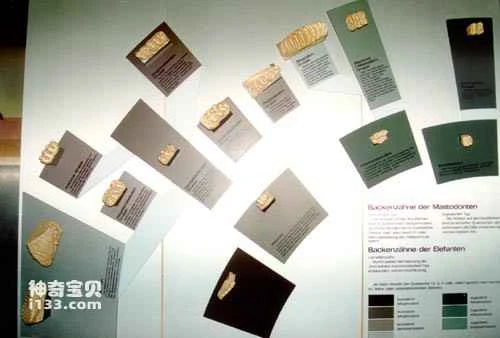
Ivory tusks show evolution
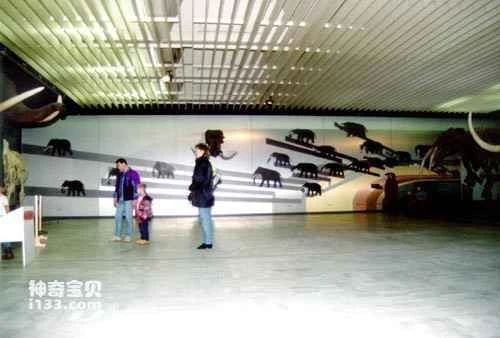
Elephant dispersal
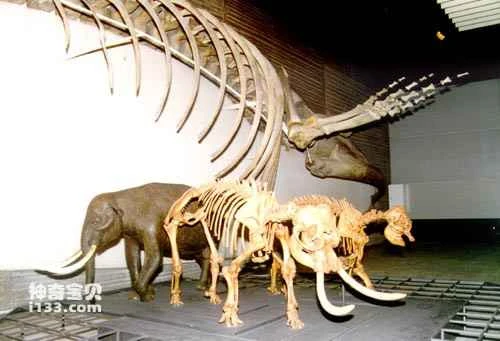
Whales and Elephants
The Senenberg Natural History Museum not only boasts flawless exhibition design and execution, but also a dedicated museum education program. Visiting the museum for natural science education has become a compulsory course for German primary and secondary school students. Here, students not only tour the exhibits but also answer various questions on a test paper as part of their assessment. According to statistics from 1989, the Senenberg Natural History Museum received 300,000 visitors that year, 45% of whom were adults and 55% were primary and secondary school students. The Senenberg Natural History Museum has become a great university for introductory natural science education.
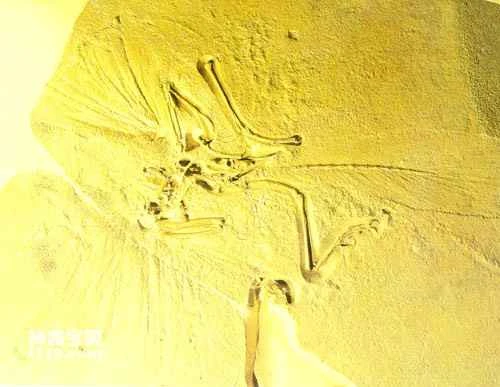
Archaeopteryx
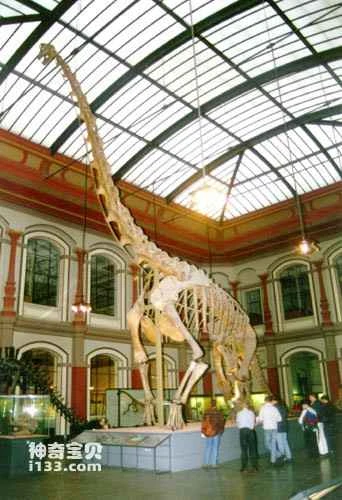
Berlin Natural History Museum
The Sengenburg Natural History Museum maintains friendly exchanges and academic collaborations with several scientific research institutions and museums in my country. Guo Jianwei, the deputy director of the Paleozoological Museum of China (whose pen name is "Longzi," the museum's owner), visited the museum in 1998. During the summer vacation of 2001, the museum is likely to organize a week-long scientific exploration trip to Germany for a group of Chinese primary and secondary school students. One of the destinations will be the Sengenburg Natural History Museum. The trip will also include geological and paleontological investigations in Solnhofen, the famous Archaeopteryx site, Berlin, and the nearby town of Halle, a town known for its numerous fossil discoveries, while also showcasing the captivating European scenery. Interested readers can stay tuned for further announcements regarding the plans.