Animals that ovulate before estrus: unique reproductive mechanisms and advantages
In the animal kingdom, ovulation is a crucial process for reproductive success. Most animals ovulate during or after mating, but some specific animals ovulate before estrus . This phenomenon allows them to better adapt to reproductive needs in response to environmental changes, thereby increasing their reproductive success rate. This article will detail which animals possess the preestrus ovulation mechanism and explore the underlying biological principles and advantages.
What is preestrus ovulation?
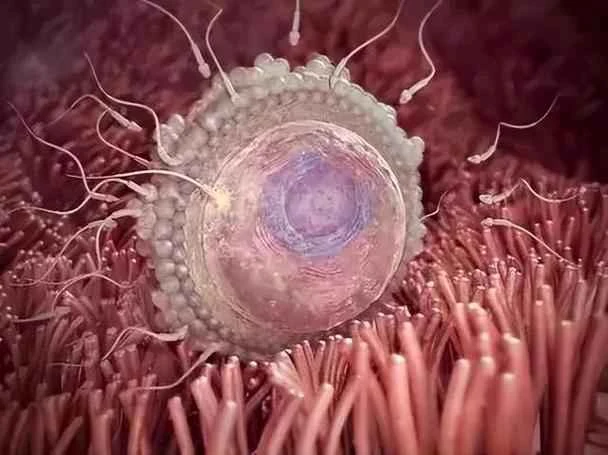
Preestrus (PE) refers to the process by which an animal's ovary releases an egg before it enters estrus. Unlike animals that ovulate during estrus or after mating, animals with a PPE mechanism automatically prepare their eggs for fertilization before estrus begins. This mechanism ensures that the eggs are ready at the time of mating, increasing the chances of pregnancy.
Animals with preestrus ovulation mechanism
1. Felines
Most felines, including domestic and wildcats, primarily ovulate after mating. However, some felines may ovulate earlier during the breeding season. This is because their bodies prepare the eggs in advance by sensing the presence of males, their scent, or mating behavior.
2. Domestic Rabbits
Domestic rabbits typically ovulate through mating, but under certain conditions, they can also ovulate before estrus. This mechanism ensures that the eggs are ready for fertilization at the time of mating, increasing reproductive success.
3. Primates
Some primates, such as baboons and macaques, also ovulate before estrus. They decide whether to ovulate early based on environmental factors, social stress, and food availability. This mechanism increases their chances of conceiving within the limited breeding season.
4. Rodents
Rodents, such as mice and hamsters, also ovulate before estrus. They typically have very short estrous cycles and ovulate early to ensure a higher chance of conception during mating.
5. Equines
Female horses and other equines will ovulate in advance as they approach estrus to ensure that the eggs are ready for fertilization during mating, thereby increasing the chances of pregnancy.
Biological mechanisms of preestrus ovulation
Ovulation before estrus is controlled by hormonal fluctuations in the animal's body. The following are the main steps of this process:
Sensing environmental changes : Animals sense the arrival of the breeding season through external factors such as day length, temperature, and social interactions.
Hormonal regulation : The hypothalamus releases gonadotropin-releasing hormone (GnRH), which stimulates the pituitary gland to secrete follicle-stimulating hormone (FSH) and luteinizing hormone (LH), thereby triggering follicle development.
Early ovulation : When the follicle matures, the ovary releases an egg before the onset of estrus, ready for fertilization.
Advantages and limitations of preestrus ovulation
Advantages
Increase reproductive success rate : Early ovulation ensures that the egg is ready for fertilization at the time of mating, increasing the chances of pregnancy.
Adapting to environmental changes : This mechanism allows animals to adjust their ovulation time according to environmental and food conditions, enabling them to cope with reproductive challenges more flexibly.
Optimize the reproductive cycle : Early ovulation shortens the estrus period, allowing animals to mate multiple times within a limited breeding season, increasing the chances of offspring survival.
Limitations
Energy consumption : Premature ovulation requires a lot of energy, especially in harsh environments or when food is scarce, which may be detrimental to the animal's health.
Risk of mating failure : If ovulation occurs prematurely and mating does not occur in time, the egg may lose its chance of fertilization, leading to reproductive failure.
Preestrus ovulation is a unique reproductive mechanism in some animals, particularly felines, rabbits, primates, and equines. This mechanism helps them reproduce more efficiently, increasing reproductive success rates in harsh environments or with limited breeding time. Understanding these reproductive mechanisms not only enriches our biological knowledge but also provides a scientific basis for animal reproductive management.
Why do many animals have estrus cycles, while humans not only don't, but also seem to have a hidden ovulation period?
The difference between animal estrus cycles and human reproductive cycles stems from differences in evolution, social behavior, and reproductive strategies. Most mammals display clear reproductive signals through estrus (also known as "thermoplegia"), helping them mate at the appropriate time. In contrast, humans conceal their ovulation period and do not have a distinct estrus cycle. This phenomenon involves complex evolutionary mechanisms. Here are some key reasons:
1. Evolutionary adaptation : Ensuring enduring mating relationships
In many animals, estrus helps ensure mating and reproduction success within a limited breeding season. However, human evolution has gradually shifted towards forming long-term, stable pair bonds. Hidden ovulation means that men cannot predict a woman's optimal fertility time, thus prompting them to maintain focus on and protection of their partners throughout the reproductive cycle. This mechanism may help strengthen the bond between partners, form stable family structures, and consequently improve offspring survival rates.
2. Maximizing reproductive success
Most animals experience estrus during the breeding season to ensure pregnancy when environmental conditions are most favorable. However, humans do not have a specific breeding season. Women can become pregnant year-round, an evolutionary advantage that allows them to choose the optimal time to reproduce based on varying living conditions. Hiding ovulation also avoids competition for mating opportunities, making human reproduction more flexible.
3. Promoting cooperation and social structure
In early human societies, concealed ovulation likely fostered more complex social cooperation and group living. Compared to animals with defined estrus cycles, social cooperation and mutual assistance within human groups were more complex and crucial. Concealed ovulation reduced social conflict arising from estrus competition, making cooperation possible.
4. Reduce sexual selection pressure
In many animals, estrus is a period of intense competition, with males potentially engaging in physical or strategic contests for females. However, the human practice of concealing ovulation may help reduce the extreme selective pressures on physical and sexual characteristics. This could lead to greater genetic diversity and avoid the destructive effects of intense sexual selection on social structures and individuals.
5. Increase the survival chances of mothers and offspring.
For mammals, the survival rate of both mother and offspring is crucial for successful reproduction. Hiding ovulation reduces the frequency of male competition, allowing females more time and energy to care for their offspring. In contrast, animals in estrus need to concentrate on mating; hiding ovulation reduces the sexual selection pressure faced by females, thus better protecting themselves and their offspring.
6. Enhance the social function of sexual behavior
In humans, sexual behavior is not merely a tool for reproduction; it also serves to maintain emotional bonds, facilitate social interaction, and sustain relationships. Hidden ovulation separates sexual activity from reproduction, further strengthening the emotional connection between partners. Compared to animals, human sexual behavior is more frequent and social, playing a crucial role in stabilizing social relationships and interpersonal interactions.
The human characteristics of concealed ovulation and the absence of a defined estrus cycle are the result of a complex evolutionary process. This phenomenon has helped humans gain a significant advantage in the course of evolution by increasing the stability of mate relationships, reducing competition, promoting social cooperation, and optimizing reproductive strategies. This hidden mechanism ensures that humans can better reproduce and thrive in complex social and environmental conditions.