Mosquitoes are common blood-sucking flying insects and important vectors for many infectious diseases. There are many species of mosquitoes worldwide, usually classified by genus, species, morphological characteristics, genetic differences, and ecological habits. Generally, only female mosquitoes bite and suck blood (to provide protein for egg development), while male mosquitoes mainly feed on nectar and other plant sugars.
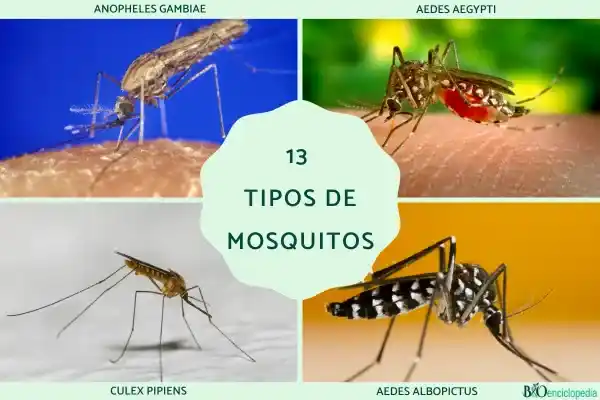
Below is a list of 13 types of mosquitoes that are frequently mentioned around the world. They are either widely distributed and closely associated with human activity areas, or they are related to disease transmission or biting nuisances.
Why do mosquitoes bite people? Which types are more dangerous?
Female mosquitoes bite, male mosquitoes do not.
Male mosquitoes have mouthparts that are not strong enough to pierce the skin. Female mosquitoes need to obtain nutrients from blood to lay eggs, which is why they bite humans or animals. After feeding, female mosquitoes usually seek out bodies of water to lay their eggs.
Not all mosquitoes transmit the same disease.
Whether a mosquito is "dangerous" depends on its preferred host (whether it prefers biting humans or birds/animals), whether the pathogen can complete its development within its body, and whether a corresponding virus/parasite cycle exists in the local area.
The core of mosquito prevention is to "stop their reproduction".
Most mosquitoes rely on stagnant water to breed. Cleaning up stagnant water is often more effective and longer-lasting than simply spraying insecticide.
1) Anopheles gambiae
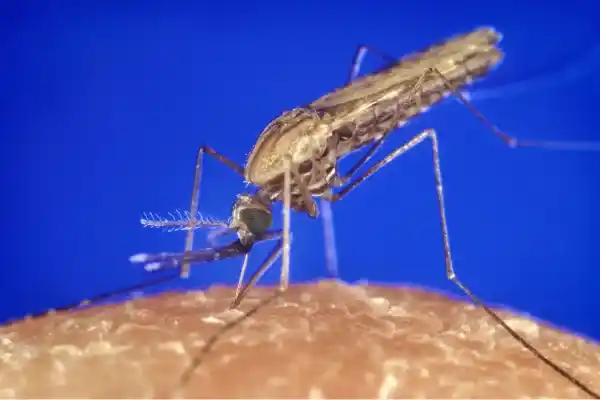
Anopheles gambiae is very important in public health because it is a major vector for malaria, especially falciparum malaria. It is found in tropical and subtropical Africa, with peak activity occurring at dusk and night.
Key points for identification
It is small in size, slender in body, and has relatively long legs and antennae.
More active at dusk and night
A clear preference for human blood is evident in many regions.
Breeding environment
It is commonly found in shallow water and temporary water accumulation, such as puddles after rain, shallow ponds, and small water pits, and is highly seasonal.
Prevention and control recommendations
Use window screens and mosquito nets (or, if possible, reusable mosquito nets).
Reduce water accumulation around residential areas
High-risk areas typically require comprehensive prevention and control measures at the community level.
2) Aedes aegypti
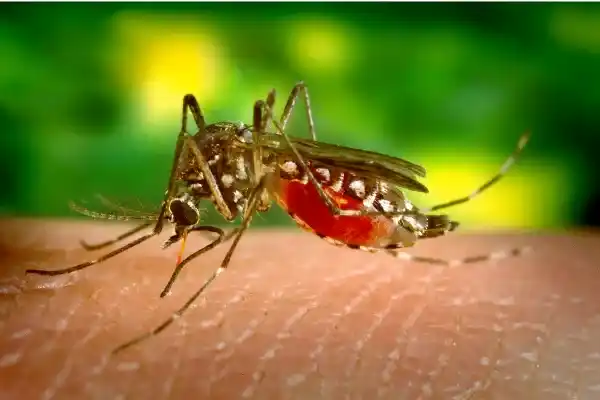
Aedes aegypti is one of the most common and troublesome mosquitoes in cities and suburbs. It is highly adaptable to human living environments and is often associated with the transmission of viruses such as dengue fever, Zika, chikungunya, and yellow fever.
Key points for identification
The body is dark-skinned, and there are often noticeable white stripes on the legs.
They bite mostly during the day , and are more active in the early morning and evening.
Very "friendly", often active near people both indoors and outdoors.
Breeding environment
They like to collect water in small containers: buckets, vases, trays, old tires, bottles and cans, and ditches with poor drainage.
Prevention and control recommendations
Empty and scrub the container every 3–7 days.
Water storage container should be sealed with a lid.
Use mosquito repellent products and long sleeves and trousers when engaging in outdoor activities during the day.
3) Culex pipiens (domestic mosquitoes/common Culex pipiens )
Culex mosquitoes are widespread in many parts of the world, often appearing near residential areas. They are mostly active at night, and in some areas are associated with the transmission risk of viruses such as West Nile virus, which can cause significant biting nuisance.
Key points for identification
The body color is mostly brownish-gray, and the body length is about 3–7 mm.
More active at night and around dawn
Easily attracted by body heat and carbon dioxide
Breeding environment
They can reproduce in a variety of stagnant waters, including ponds, ditches, stagnant areas, and even nutrient-rich or dirty water bodies.
Prevention and control recommendations
Clear drainage outlets and ditches to prevent long-term water accumulation.
Strengthen physical protection such as window screens and mosquito nets.
For stationary water bodies, more persistent methods of larval control can be considered.

4) Aedes albopictus (Asian tiger mosquito)
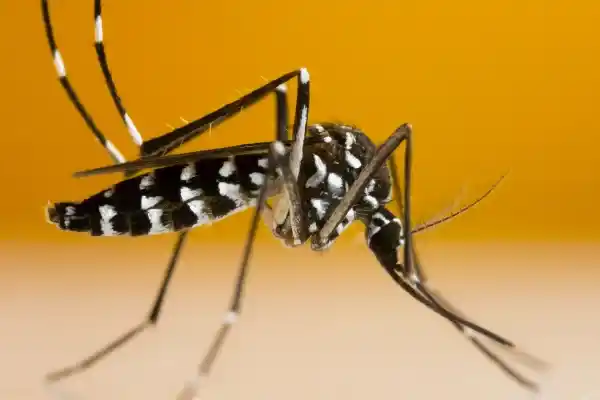
Aedes albopictus, named for its black and white stripes, has a more aggressive bite. It is active outdoors during the day and has spread to many countries and regions, frequently appearing in urban greenbelts, courtyards, and communities.
Key points for identification
With a black background and distinct white stripes, its appearance resembles "tiger stripes".
They often bite outdoors and during the day.
Adaptable to urban/suburban environments
Breeding environment
Various small water accumulations: flower pot trays, old tires, debris grooves, clogged gutters, outdoor containers, etc.
Prevention and control recommendations
After the rain, focus on checking for water accumulation points in courtyards and balconies.
Trim overly dense vegetation to reduce mosquito habitats in damp, shady areas.
Take precautions against mosquitoes when going out during the day.
5) Anopheles stephensi
Anopheles skeletalus is associated with malaria transmission in urban and suburban environments in parts of South Asia. Female mosquitoes feed on blood and may transmit malaria parasites, and are most active from dusk to night.
Key points for identification
Medium-sized, with slender legs and antennae.
Body color is mostly brown to dark.
In some areas, they are more adaptable to the urban environment.
Prevention and control recommendations
Pay attention to window screens and mosquito nets at night.
Community-level waterlogging cleanup and unified management are more effective
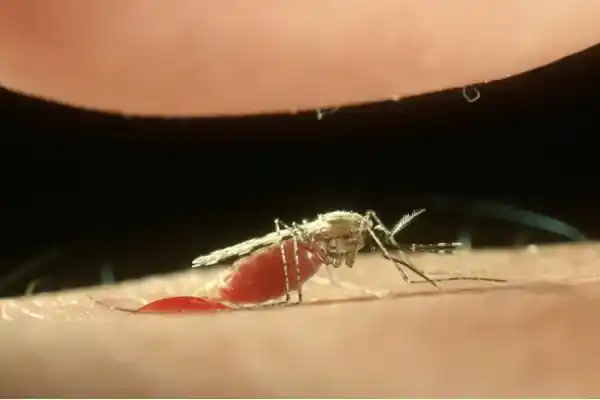
6) Culex melanura (black mosquito)
This mosquito species is native to North America and has a darker body color, hence it is often called the "black mosquito." It is more often associated with bird habitats and may participate in bird disease cycles in some areas. The risk of direct transmission to humans is usually not as prominent as the aforementioned types, but it can still cause biting problems.
Key points for identification
Medium build, with a distinct brown-black appearance
Commonly found in wetlands, woodlands, and swamps
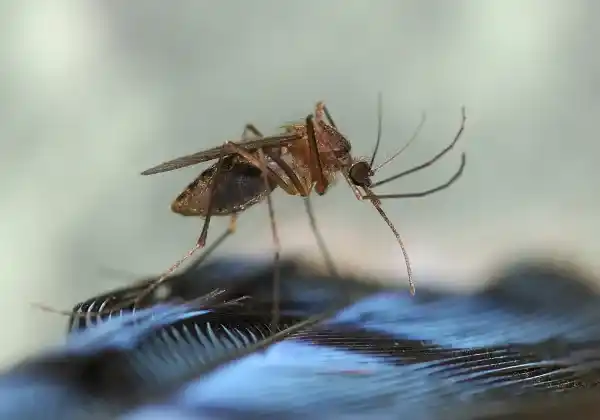
7) Aedes japonicus (Japanese mosquito)
The Aedes Japanese mosquito originated in Asia and later spread to parts of North America and Europe. One of its characteristics is its stronger adaptability to colder environments, so it can also be found in temperate regions.
Key points for identification
The body is dark in color with lighter-colored markings.
It has strong cold resistance and a wider seasonal distribution.
Small bodies of water such as containers and stone pits can be used for breeding.
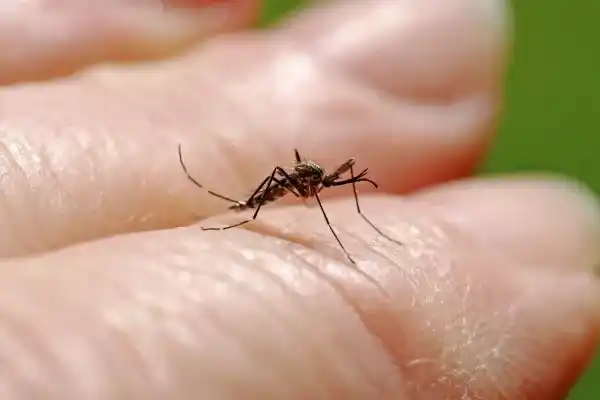
8) Large mosquito ( Psorophora columbiae )
These mosquitoes are known for their large size and intensely painful bites. Their numbers typically increase after rainfall or in wetland environments, and females are very active biters, appearing both day and night.
Key points for identification
The body size is significantly large, approaching 20 mm.
The mouthparts are relatively thick, and the bite is very stimulating.
Can be active all day and is aggressive
Breeding environment
It is often associated with wet soil and areas with short-term water accumulation after rain, and rainfall often triggers a large number of hatchings.
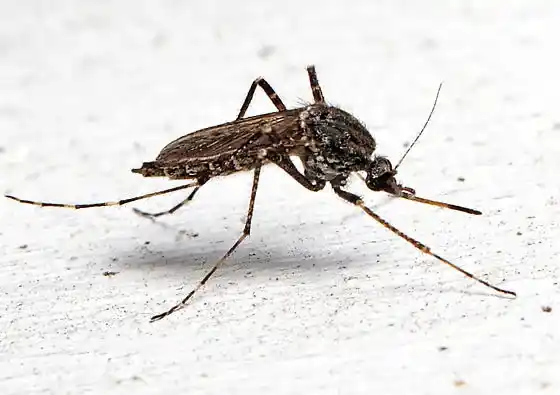
Other frequently mentioned types of mosquitoes
In addition to the eight types mentioned above, the following categories also frequently appear in mosquito science and control materials:
9) Aedes polynesiensis (Mosquito)
It is commonly found in Pacific island environments, where it can reproduce by using natural water accumulation points and containers to hold water, and has a significant impact in island areas.
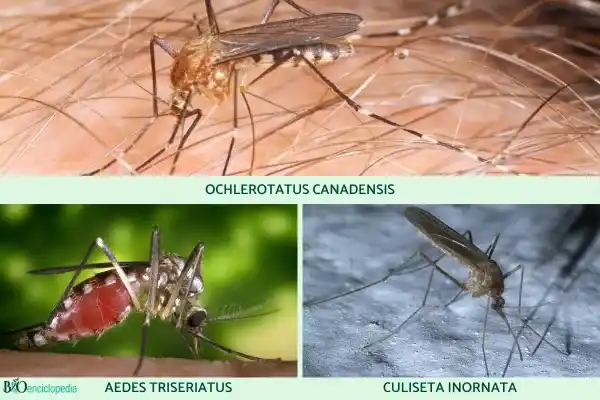
10) Tree-hole mosquito ( Aedes triseriatus )
As the name suggests, they often reproduce by accumulating water in tree holes or natural cavities, and may also use containers in the yard to collect water. They are more common in forest edges and suburbs.
11) Culiseta inornata
It is distributed in parts of North America and can appear in large quantities in a short period of time due to seasonal rainfall and local water conditions.
12) Canada mosquito ( Ochlerotatus canadensis )
They are better adapted to cooler climates and are more active in late spring and early summer. Their reproduction is closely related to forest water accumulation and snowmelt water.
13) Important Anopheles mosquitoes outside Gambia ( Anopheles funestus )
It is also associated with malaria transmission in parts of Africa, often reproduces in specific aquatic environments, and is frequently used in public health discussions.
Mosquito prevention in homes and communities: 3 practical steps
1) Clear the standing water (most crucial)
Check balconies, yards, roof gutters, flower pot trays, and storage corners weekly.
Used tires, bottles, toys, and other items that can collect water should be turned upside down or stored away.
Water storage tanks and rainwater tanks should be covered to prevent mosquitoes from laying eggs.
2) Reduce insect bites (personal protection)
Use mosquito repellent products during outdoor activities.
Wear long sleeves and trousers in areas with lots of mosquitoes.
Use window screens and mosquito nets indoors, especially in areas where mosquito bites are severe at night.
3) Reduce stopover sites (environmental management)
Trim weeds and overly dense shrubs to reduce damp resting space.
Keep the yard well-ventilated and reduce damp corners.
Quickly determine the cause based on the time of the bite (for easy daily management).
Bites more often during the day
Aedes aegypti (Aedes aegypti mosquito)
Aedes albopictus (Tiger mosquito)
In some areas: Aedes japonicus (Japanese mosquito)
Bites are more common from evening to night.
Anopheles gambiae (Gambian mosquito)
Anopheles stephensi (Anopheles stephensi mosquito)
Culex pipiens (House mosquitoes)
To truly reduce mosquito numbers, the most effective method is usually not "spraying more insecticide," but rather long-term cleaning of stagnant water and personal protection during peak mosquito seasons . If you tell me your region (country/city) and the times when mosquitoes typically appear (day or night), I can also help you write the "localized case study paragraphs" in the article to better reflect the reader's real experience.