Animal aggression refers to the aggressiveness and intimidation they display in hunting, defense, or competition. Nature is a place where the strong prey on the weak; only animals with strong aggression can stand at the top of the food chain and become dominant. So, do you know which animals in the world have the strongest aggression? This article brings you the top ten most aggressive animals in the world. How many do you know? The top ten most aggressive animals in the world are: killer whale, tiger shark, elephant, African buffalo, lion, tiger, crocodile, brown bear, cassowary, and chimpanzee. Let's take a look.
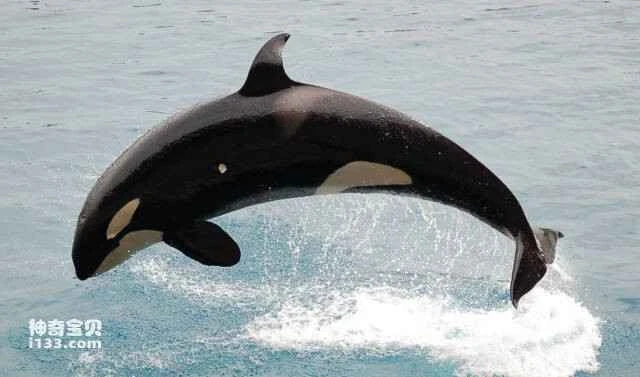
1. Killer whale (Orcinus orca)
Orcas, also known as killer whales, are marine mammals that inhabit all the world's oceans and are the largest known dolphins. They can reach 9-10 meters in length and weigh 6-8 tons, with large heads, towering dorsal fins, and typically black and white skin. Orcas are apex predators, feeding on fish, squid, seals, and other marine life. Naturally fierce, they possess immense power and intelligence, and are considered one of the most dangerous predators in the ocean. Orcas have a highly developed social structure and cooperative abilities, often hunting in small groups and working together to catch prey. They are widely distributed across the Arctic, Antarctic, North Pacific, South Pacific, North Atlantic, and South Atlantic, and are highly mobile animals capable of swimming to almost any location. Orcas have also been imbued with many mystical symbolic meanings, representing courage, strength, and wisdom in legends.

2. Tiger shark (Galeocerdo cuvier)
Tiger sharks are large sharks that inhabit tropical and subtropical oceans worldwide and are among the most dangerous sharks known. They can reach lengths of over 6 meters and weigh approximately 700 to 900 kilograms. Their backs are dark blue or gray with distinctive black stripes, hence the name "tiger shark." Tiger sharks feed on various fish, turtles, birds, and mammals, actively seeking prey while swimming in the ocean, often found in shallow waters and near coastlines. They possess immense strength and speed, typically employing a surprise attack method, often killing their prey in one strike. Tiger sharks are extremely dangerous fish, and statistics show they cause numerous human injuries and deaths each year. Therefore, tiger sharks are listed as an endangered species, receiving global attention, and conservation measures are essential to ensure their survival.
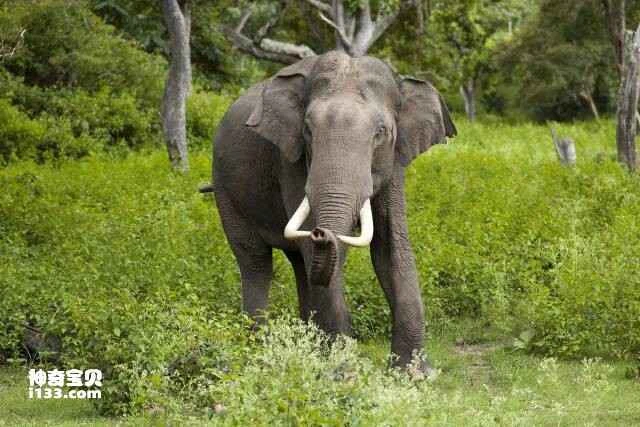
3. Elephant
Elephants are the largest land animals in the world, belonging to the family Elephantidae in the order Primates. They are characterized by their enormous size, long trunks, large ears, and massive tusks, reaching heights of 3-4 meters and weighing over 7 tons. Elephants are highly intelligent animals with excellent memory, emotional intelligence, and social skills. Their intelligence rivals that of primates. In the wild, they can use tools to obtain food and possess a high degree of emotional expressiveness, such as mourning deceased members of their herd. Elephants are generally gentle and friendly animals, but under certain circumstances, they may exhibit aggression to protect themselves or their territory. An elephant's trunk is highly flexible and can be used to strike and ram enemies. Furthermore, their tusks are extremely sharp and can also be used for attack. An elephant's feet are incredibly strong, capable of crushing or injuring enemies. Because their tusks are very hard, they sometimes use them to stab enemies or other threats.
Although elephants do not frequently attack humans, they can become very dangerous when they feel threatened or provoked. Therefore, protecting and respecting wild elephants is extremely important. We should avoid conflicts with elephants and stay as far away from these animals as possible to ensure the safety of both humans and elephants.
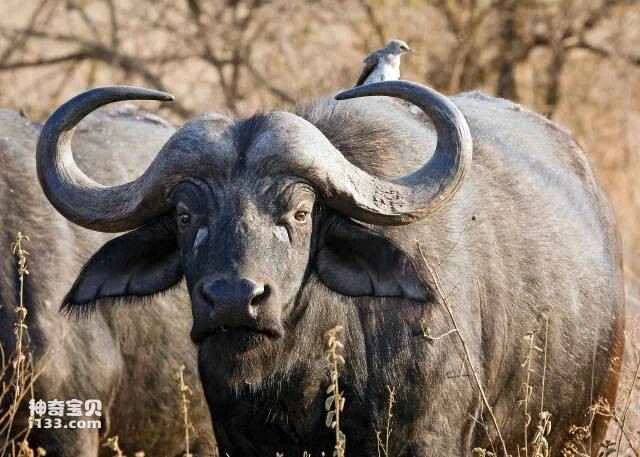
4. African buffalo (Syncerus caffer)
The African buffalo is a giant herbivorous mammal that lives on the African continent, also known as the "black buffalo." They are very strong animals, much larger than ordinary domestic cattle. African buffalo can reach 3 to 4 meters in length, about 1.5 meters in shoulder height, and weigh over 900 kilograms. They have a highly developed physique and are aggressive, possessing a pair of sharp, powerful horns used to defend their territory or attack enemies. Furthermore, they have strong bodies and muscles, are extremely fierce, and can resolutely fight back even against very dangerous predators. The African buffalo is a magnificent and majestic animal, and a vital ecological component of the African continent. We should take effective measures to protect these animals to ensure their continued existence and reproduction in their natural environment.
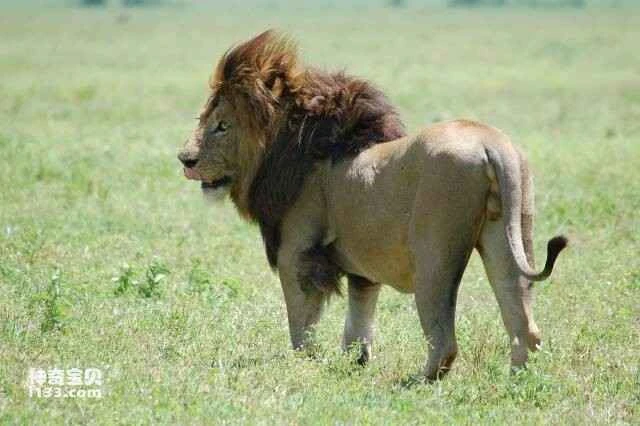
5. Lion (Panthera leo)
The lion is a large cat species found in Africa and the Indian subcontinent. It is one of the largest living cat species, with adult males weighing 190-240 kg and reaching a length of about 3.5 meters, while females are slightly smaller. Lions typically inhabit grasslands and are fierce predators, feeding on large mammals such as cattle, antelopes, and zebras. Their hunting methods rely on speed, strength, and excellent hunting skills. Lions are social animals, often forming family groups led by a male, working together to find food and protect territory. Lions are highly skilled hunters, possessing well-developed teeth and claws; they pounce on their prey with astonishing speed and power, often delivering a fatal blow. Furthermore, lions are considered symbols of courage and strength, holding a special place in human culture. The lion is a magnificent and mysterious animal with immense scientific and cultural value. We should strengthen the protection and management of their habitats, avoid overhunting and habitat destruction, and strive to ensure their continued existence in the future.
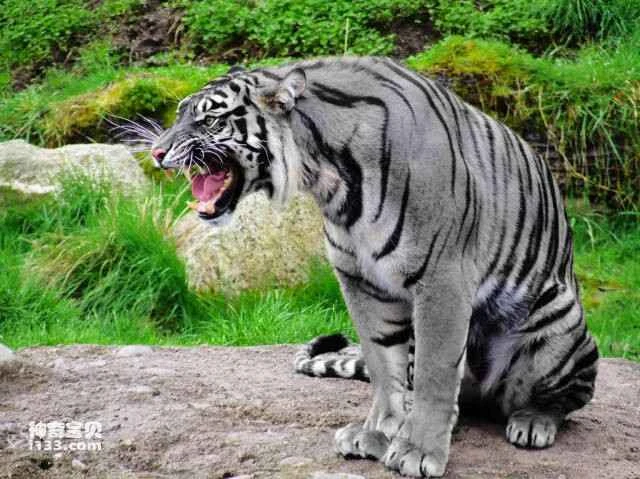
6. Tiger (Panthera tigris)
Tigers are large cats native to Asia and are among the most iconic wild animals in the world. They are enormous, reaching lengths of up to 3.5 meters and shoulder heights of over 1.2 meters, with weights ranging from 300 to 600 kilograms. Tigers are carnivorous, feeding on wild mammals such as deer, wild boar, and mountain goats, but also preying on livestock and humans. They are typically nocturnal and capable of leaping over obstacles up to 3 meters high to pursue their prey. Tigers are solitary animals, each with its own territory and unique personality. Tigers are critically endangered; it is estimated that only about 3,900 remain worldwide, most of them living in India and Southeast Asia. Although tigers are considered a threat to humans, they have high scientific and cultural value. We should strengthen the protection and management of tiger habitats, avoid overhunting and habitat destruction, strive to ensure their continued existence in the future, and achieve peaceful coexistence between humans and tigers.
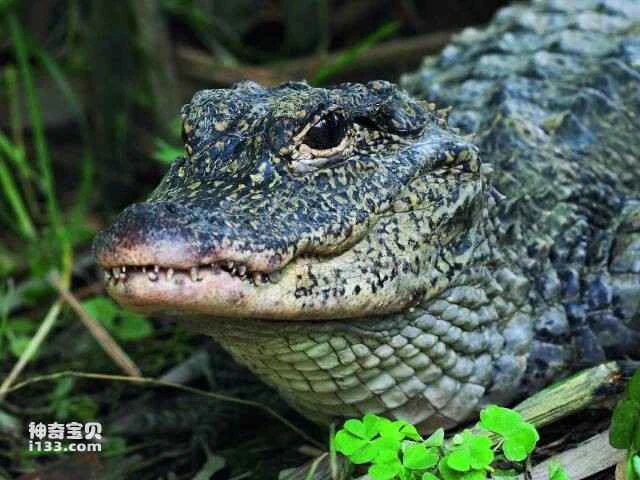
7. Crocodile (Crocodilia)
Crocodiles are a group of reptiles that live in both freshwater and marine environments, encompassing various species such as alligators, crocodiles, and snapping turtles. They are large animals with tough skin, capable of prolonged diving, and are primarily carnivorous. They enjoy swimming, hunting, and resting in the water, and can remain submerged for hours or even days without breathing air. They also possess excellent visual and auditory perception. Due to competition and pressure in their environment, crocodiles have gradually developed powerful offensive and defensive capabilities. A crocodile's jaws are incredibly powerful, easily crushing bones and pulling prey back into the water to drown. Furthermore, their thick and tough skin effectively protects them from attacks. Crocodiles are very special and mysterious animals, playing a vital role in the entire ecosystem. We should strive to protect crocodiles and their habitats, and abide by relevant laws and regulations to ensure their continued survival in the future.
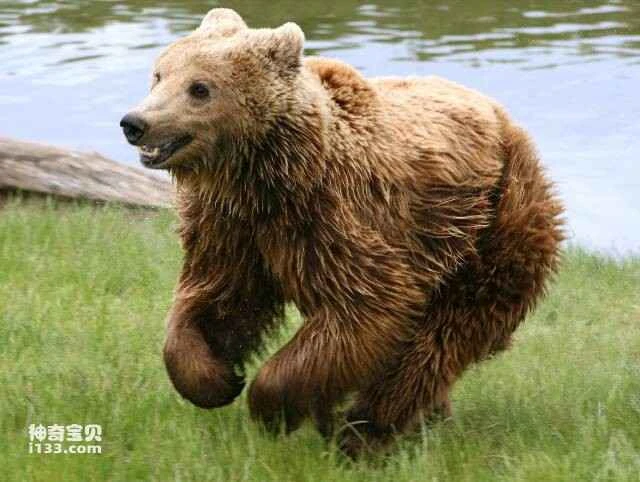
8. Brown Bear (Ursus arctos)
Brown bears are large mammals found in North America, Eurasia, and Asia. They are primarily herbivores, but also eat small animals and fish. Brown bears are enormous; adult males can weigh over 450 kg and stand about 2.5 meters tall at the shoulder. Brown bears are solitary animals, preferring to build their dens in relatively secluded places such as forests and mountains to avoid humans and other threats. They have a powerful sense of smell and hearing and are very intelligent and alert. While brown bears generally do not attack humans, they can become very dangerous when they feel threatened. Brown bears are spectacular and mysterious animals with important ecological roles. We should strengthen the protection and management of their habitats, avoid overhunting and habitat destruction, and strive to ensure that they can continue to exist as a species in the future and coexist peacefully with humans.
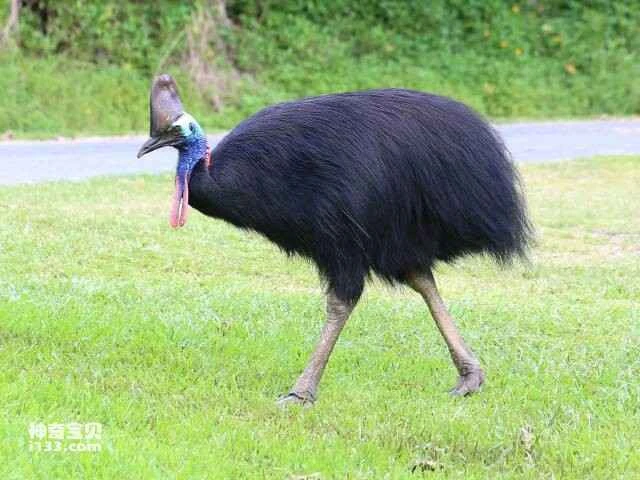
9. Cassowary
The cassowary, also known as the fire-eating cassowary, is one of the most aggressive birds. It is large in size and has a protective horn-like helmet on its head. It can strike grass while moving through the forest. Its wings have degenerated earlier than those of ostriches and rheas, rendering it flightless. It has a blue head, one or two red dewlaps on its throat, black plumage, long, strong legs, and sharp claws. It has three toes, with the inner toe possessing a long, sharp claw for defense. This bird has a unique defensive technique: upon encountering an enemy, it leaps into the air with a "whoosh," then strikes its target with its powerful legs, its long claws on its toes piercing like swords, causing injury or even death. Cassowaries inhabit tropical rainforests, living in pairs or alone. They are adept runners and jumpers, alert, fierce, and highly aggressive. Their call is deep and rumbling like thunder. They are capable runners and jumpers, frequently using their sharp inner toe claws to attack predators. They feed on seeds and berries. Cassowaries are considered among the most dangerous animals in zoos.
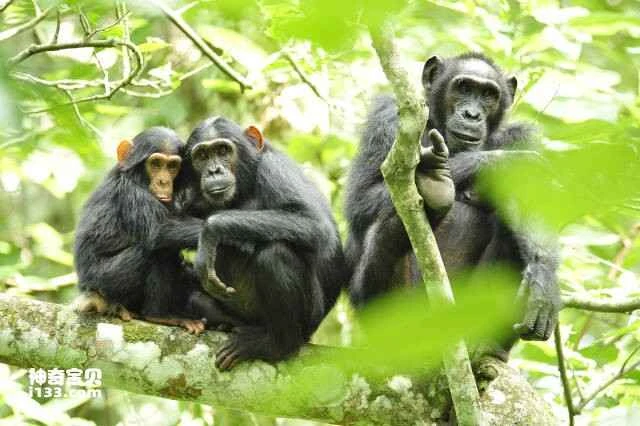
10. Chimpanzee (Pan troglodytes)
Besides physical strength, intelligence is also a crucial aspect of combat effectiveness. Chimpanzees are known to be the second most intelligent animals after humans. They typically live in tropical rainforests or mountain forests, in family groups consisting of dozens of adult chimpanzees with a clear social hierarchy and role division. Chimpanzees possess high intelligence, capable of using various tools, learning language, and solving simple calculation problems. They also exhibit advanced cognitive abilities such as emotional empathy and self-awareness. We should strengthen the protection and management of their habitats, avoid over-logging and habitat destruction, and strive to ensure their continued existence and peaceful coexistence with humans in the future.
In conclusion, an animal's aggressiveness is a crucial characteristic it displays in its survival and competition, helping it to survive in its natural environment. We should strengthen the protection and management of its ecological environment, avoid overhunting, and reduce the impact of human activities on its habitat.