World-class national treasures refer to animals that possess exceptional value, rarity, or cultural significance globally. These animals are often considered symbols of a country or region and have important ecological, scientific, and economic value. Different countries or regions may protect and recognize different types of animals. Do you know which countries around the world have their own national treasures? This article introduces ten of the world's most famous national treasures, including the giant panda, crested ibis, Asian elephant, koala, alpaca, polar bear, one-horned rhinoceros, bald eagle, red-breasted robin, and kiwi, among others. Let's take a look!
1. Giant Panda of China
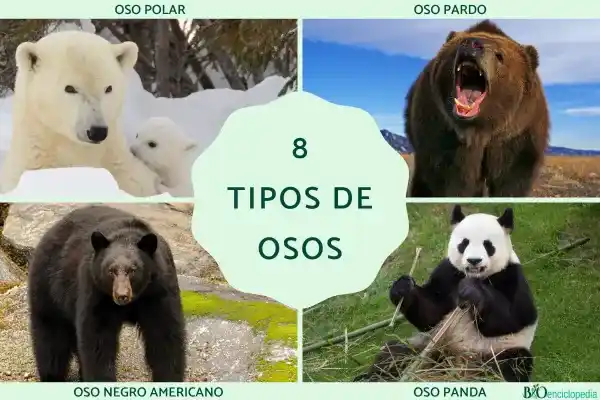
The giant panda is an endangered mammal and one of the world's most popular animals, hailed as China's "national treasure" for its cuteness and rarity. A large, plump, and adorable bear, the giant panda has black and white fur with a distinctive "V" shape at the junction of its head and body. Its diet is highly specialized, consisting almost entirely of bamboo. Giant pandas are seasonal animals, with a mating season lasting only 2-3 days each year. During this period, male giant pandas attract females by calling out and marking their bodies. Giant pandas have a low reproductive rate, typically mating around 4-5 years of age and producing only 1-2 cubs per year.

Giant pandas in China primarily inhabit the mountainous regions of southwestern China, including Sichuan, Shaanxi, and Gansu provinces. They are solitary animals, typically nocturnal, and rest during the day in tree hollows or bamboo forests. Their main habitats are dense bamboo forests and high mountain valleys. Due to severe habitat destruction and the impact of human activities, giant pandas face serious survival challenges. Currently, only about 1,800 wild giant pandas and over 300 captive giant pandas remain globally, making them a critically endangered species internationally and one of China's rare and protected animals.
2. Japanese Crested Ibis
The crested ibis is a large bird endemic to Japan, also known as the "cuckoo" or "red crane." It is a large bird, reaching up to 1.5 meters in length and with a wingspan of up to 3 meters. It is very conspicuous with a bright red bare patch of flesh on its head and a fan-shaped black pad. Its plumage is primarily white, with black feathers covering its tail and wings. The crested ibis breeds from April to June, building fluffy nests in trees and laying 1-2 eggs. The chicks require a long period of incubation and care, jointly raised by the mother and male.
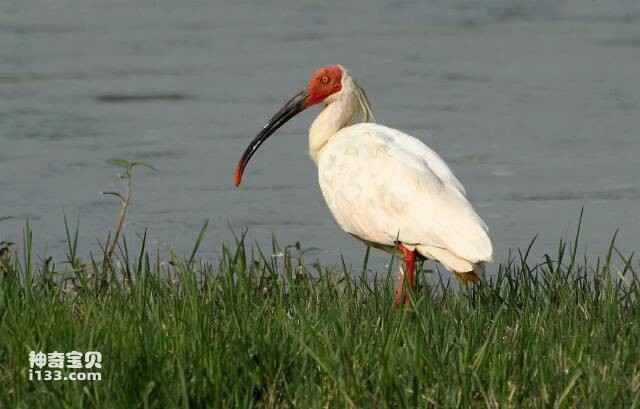
The Japanese crested ibis is mainly distributed in Honshu, Shikoku, and Kyushu, and is endemic to Japan. Crested ibises typically live in mountainous areas, feeding on acorns and pine nuts found in forests. They are seasonal migratory birds, nesting and breeding in high-altitude areas during the summer and migrating south to lower altitudes for the winter. Due to habitat destruction and the impact of human activities, the crested ibis was once on the verge of extinction in Japan. Currently, Japan has implemented conservation measures to protect this rare bird, and the crested ibis has been listed as one of Japan's national treasures.
3. Asian elephants in Thailand
The Thai Asian elephant is a large mammal native to Thailand and a subspecies of the Asian elephant. Thai Asian elephants are massive, typically weighing 3 to 5 tons and standing up to 3 meters tall at the shoulder. They have very long trunks, which they use to gather food, drink water, and communicate. Thai Asian elephants have thick, grey skin and large ears. They begin breeding between the ages of 6 and 10, with a gestation period of approximately 22 months, giving birth to one calf. The calf needs to live with its mother for 2 to 3 years before becoming independent.

The Thai Asian elephant is mainly distributed in northern and northeastern Thailand, as well as some neighboring countries such as Laos, Cambodia, and Myanmar. Thai Asian elephants are social animals, typically inhabiting tropical rainforests or grasslands. They are omnivorous, primarily feeding on plants, but also consuming insects and small animals. Due to habitat destruction, illegal hunting, and the impact of human activities, the Thai Asian elephant currently faces the threat of extinction. They are listed as a CITES Appendix I protected species and are an important representation of Thai culture and tourism.
4. Australian koalas
The Australian koala is a wombat species endemic to Australia. It measures approximately 60-85 cm in length and weighs between 4-15 kg. Its fluffy body is covered in soft, grey fur. Koalas are excellent climbers, with forelimbs shorter than hind limbs and five sharp claws on their hands, which they use to climb trees and grasp food. Australian koalas reach maturity at around 2-3 years old, with mating season between September and November. The gestation period for female koalas is 35-36 days, and they typically give birth to only one calf. The calf lives under its mother's protection for 6-7 months before becoming independent.
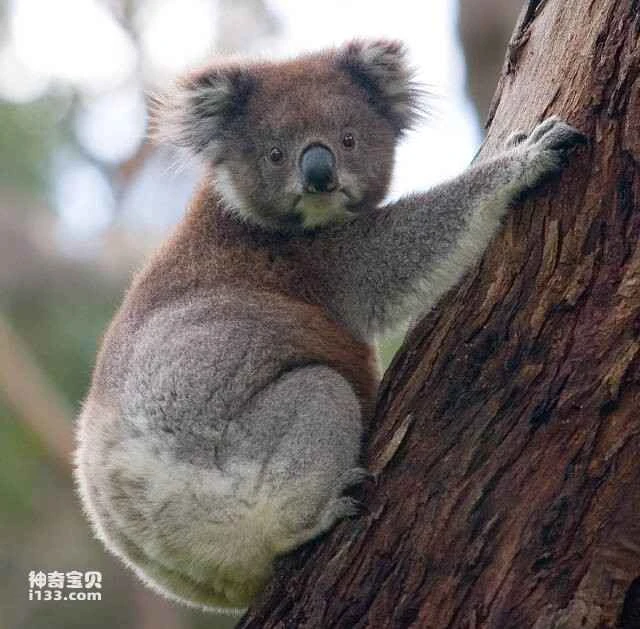
Australian koalas are primarily found in the forests and scrublands of the eastern coastal regions of Australia. They are nocturnal, typically sleeping during the day. They are lazy animals, spending most of their time idly in trees or on the ground. Koalas mainly feed on eucalyptus leaves and require 30% of their body's nutrients daily to survive. Despite their common presence in Australia, Australian koalas still face threats due to habitat destruction and human activities. Currently, they are listed as a "Near Threatened" species and are under Australian national protection.
5. Russian polar bear
The Russian polar bear, also known as the white bear, is a large carnivore that lives in the Arctic region. Russian polar bears are enormous animals; adult males can reach 3 meters in length and weigh over 600 kilograms. Their fur is white or yellow, and their thick skin protects them from the extreme cold. Russian polar bears have very sharp claws, which they use to climb icebergs and catch prey. The mating season for Russian polar bears is generally in the spring, and the gestation period for females is about eight months. Cubs need to stay with their mothers for two to three years after birth before they can live independently.

Russian polar bears are primarily distributed in the Arctic region, including countries such as Russia, Canada, Norway, and Denmark. They are solitary animals, typically living and breeding on sea ice. Their diet consists mainly of seals and other marine life. Due to the effects of climate change, their habitat is shrinking, threatening their survival. As a result of global climate change and human activities, Russian polar bears face the threat of extinction. They are listed as a CITES Appendix II protected species and are also one of the World Wildlife Fund's (WWF) representative species.
6. Nepalese One-Horned Rhinoceros
The Nepalese one-horned rhinoceros, also known as the Indian rhinoceros, is a large mammal endemic to Asia. It is enormous, measuring approximately 2 to 3 meters in length, with a shoulder height reaching 1.8 meters, and a weight exceeding 2 tons. Its skin is thick, grayish-brown, and covered in numerous wrinkles. The rhinoceros has a relatively long head, a large horseshoe-shaped forehead, and a long, sharp horn on its head. Nepalese one-horned rhinoceroses begin breeding at 5-7 years of age, with a gestation period of about 15 months for the mother, giving birth to one calf per litter. The calf requires extensive nursing and care after birth.
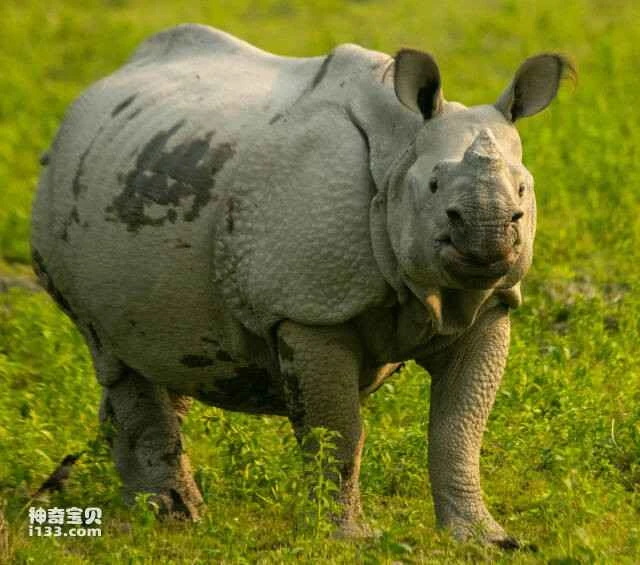
The Nepalese one-horned rhinoceros is mainly distributed in southern Asia, including countries such as Nepal, India, and Bhutan. It primarily inhabits grasslands and forests near rivers and is an adept swimmer and diver. They are omnivorous, feeding mainly on herbs and leaves, but also consuming fruits and buds. Due to habitat destruction and the impact of human activities, the Nepalese one-horned rhinoceros now faces the threat of extinction. They are listed as a CITES Appendix I protected species and are protected by countries such as Nepal and India.
7. American Bald Eagle
The American bald eagle is a large bird of prey native to North America and is the national bird of the United States. It measures approximately 2-3 feet in length, has a wingspan of 7-8 feet, and weighs between 4 and 6 kilograms. Its head and tail are covered in white feathers, while its body is dark brown. Bald eagles possess very sharp talons and beaks, which they use to grasp and tear food. American bald eagles begin breeding at 4-5 years of age. They lay 1-3 eggs per year, with an incubation period of 35-40 days. The chicks spend 3-4 months in the nest before they can begin to fly and live independently.

The American bald eagle is primarily distributed along the coast of North America, including the United States, Canada, and Mexico. It mainly inhabits coastal areas and around lakes, feeding primarily on fish. They also prey on small mammals and other birds. Bald eagles are monogamous, with a male and female typically building their nest in the same tree and breeding there. Due to the impact of human activities and pollution, the American bald eagle was once on the verge of extinction in the early 20th century. However, through conservation measures and restoration programs, their numbers have gradually recovered, and they are now listed as a protected species in the United States.
8. British Red-breasted Robin
The English Red-breasted Robin, also known as the English Wicker Robin, is a small passerine bird belonging to the Muscicapidae family. It weighs approximately 20-25 grams and is about 14 centimeters long. Its head, neck, and lower body are brown, its breast is reddish-brown, and its wings and tail are dark. English Red-breasted Robins breed between April and June, typically nesting in tree cavities or bushes. They usually lay 4-5 eggs per clutch, and the female incubates them for about 13-15 days. The chicks remain in the nest for about 8-15 days after hatching before leaving.
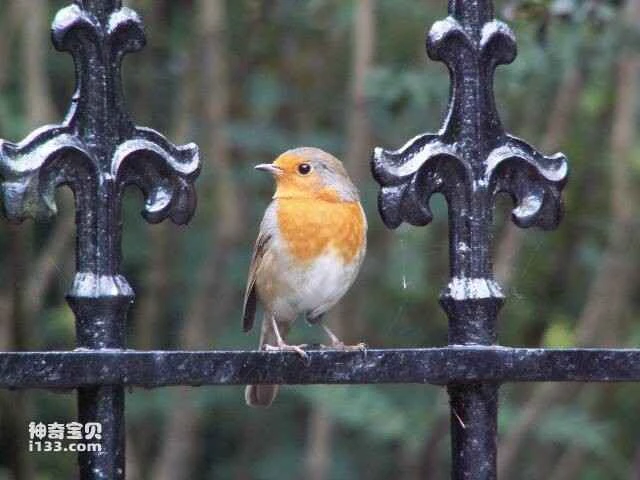
The English Red-breasted Robin is mainly distributed in Europe and northern Asia, and also lives in forests and woodlands in Britain. It is a bird that prefers to inhabit forests and bushlands. They feed on insects, spiders, and other small invertebrates, and sometimes also eat berries and seeds. English Red-breasted Robins are solitary birds, but during the breeding season they form pairs or family groups. The British have a deep affection for the Red-breasted Robin, especially admiring the male's instinct to patrol and defend its established territory, calling it "God's Bird." In 1960, it was chosen as the national bird of the United Kingdom through a referendum.
9. Peruvian alpaca
The Peruvian alpaca, also known as the South American alpaca or, more commonly, the "grass mud horse," is a mammal native to South America, belonging to the camel family. Peruvian alpacas have long heads, two food pouches in their mouths, and thick fur covering their bodies, protecting them from low temperatures and harsh climates. They stand approximately 1.8-2 meters tall and weigh 150-200 kilograms. They have long, strong legs with fleshy pads on their feet, adapted for traversing desolate, high-altitude terrain. Peruvian alpacas breed between May and November each year. The gestation period for female alpacas is approximately 11 months, and they give birth to one calf per birth. After birth, the calf stays with its mother for a period, gradually learning how to obtain food and water.
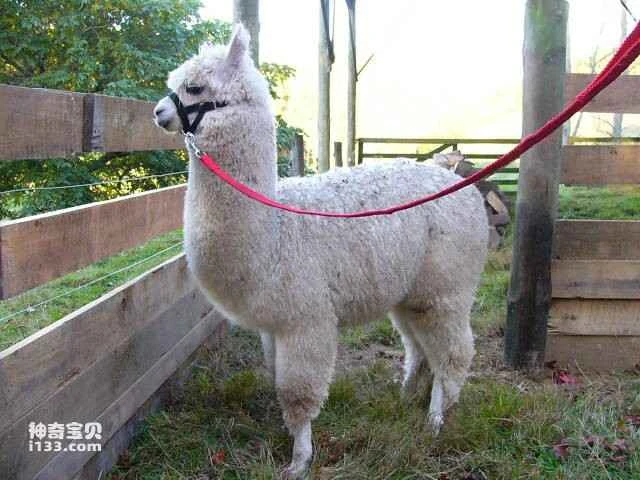
Peruvian alpacas are mainly distributed in the Andes Mountains of South America, including countries such as Peru, Bolivia, Chile, and Argentina. They are herbivores, feeding on grasses and shrubs. They can survive at altitudes above 5,000 meters, storing sufficient water in water sacs. Peruvian alpacas are social animals, typically living in groups of 10-20 individuals. They are an important livestock for the Achuna people of South America and a local tourist attraction. Due to human activities and climate change, Peruvian alpacas face the threat of extinction. Currently, they are listed as a CITES Appendix II protected species.
10. New Zealand Kiwi
The kiwi, also known as the kiwi bird, is a wingless bird native to New Zealand and is the national bird of New Zealand. Kiwis are small, only about 20-50 centimeters long and weighing between 1-5 kilograms. Their appearance is distinctly different from other birds; they lack prominent wings, are brownish-black in color, and have long, curved beaks used for catching insects and small animals. Kiwis are monogamous, with a pair typically nesting and raising their young underground. The female kiwi usually lays a very large egg, weighing about a quarter of her own body weight. The incubation period is 70-80 days, and the hatchlings require a long period of care before they can live independently.

Kiwis are native to New Zealand and are found primarily in its forests, grasslands, and coastal areas. They are nocturnal, typically hunting for food at night. Kiwis are solitary animals, preferring to live alone. They are highly sensitive and rely on their senses of smell and touch to perceive their surroundings. Kiwis are iconic New Zealand animals, holding significant importance in local culture and history. However, due to habitat loss, the invasion of non-native predators, and the impact of human activities, kiwis currently face the threat of extinction. Therefore, they are protected by the New Zealand government and listed as a CITES Appendix I protected species.