In traditional Chinese culture, some animals are considered ferocious beasts, believed to bite and cause harm, and potentially bring bad luck and disaster. Therefore, people usually avoid contact with them, even regarding them as unlucky. This article selects ten animals widely considered to be malevolent in folk beliefs, including owls, black cats, snakes, weasels, crows, bats, centipedes, foxes, and hedgehogs. Let's take a look at the most terrifying aspects of these rural malevolent animals! This list of ten malevolent animals mainly reviews a group of animals with the highest public perception of malevolence, based on widely circulated folk beliefs, feng shui, legends, and other relevant information, and also refers to relevant internet rankings. Science is the sole criterion for testing truth; this list is for reading purposes only. If you have any questions, please feel free to comment/discuss at the end.
1. Owl
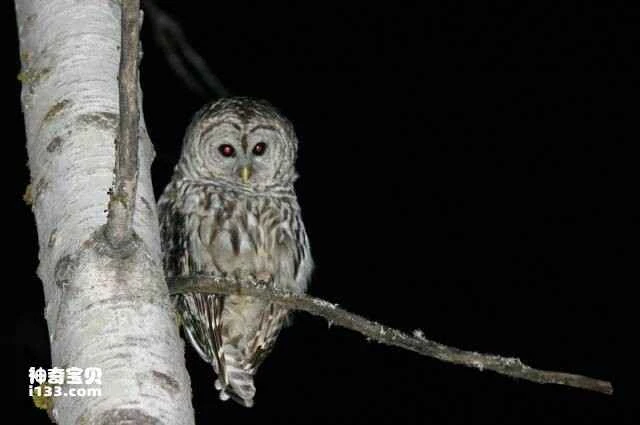
One of the top five ominous animals in rural areas, the owl is considered an unlucky bird due to its eerie appearance and mournful call. Owls mostly live in the mountains and rarely fly to inhabited areas, so there's a rural legend that if an owl lands in your yard at night or you hear its call, misfortune is imminent. Regarding the owl's call, there's a saying in rural areas: "It's not the owl's call that's scary, it's the owl's laughter," meaning that hearing an owl's call at night will bring bad luck.
2. Black Cat
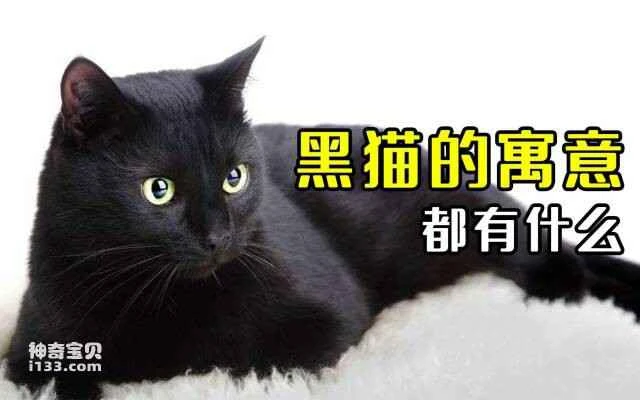
For centuries, both in rural China and Western countries, black cats have been considered unlucky animals. There's an old saying in rural China: "Encountering a black cat brings three days of bad luck," meaning that meeting a black cat is equivalent to encountering bad fortune and disrupting the home's feng shui. In the West, cats symbolize mystery because of their agility and flexibility, while black represents evil. Therefore, black cats are a combination of evil and mystery. Some legends even claim that black cats were the pets of witches, who would ride them at night.
3. Snake
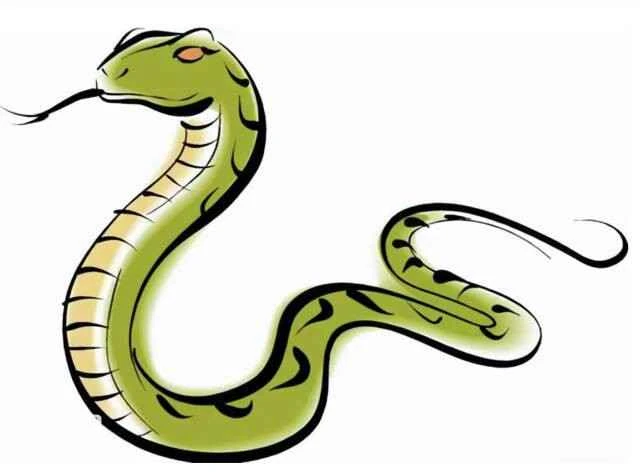
In rural areas, snakes are sometimes called "little dragons," and many mythological figures are associated with snakes, often depicted as having human heads and snake bodies. According to rural legends, snakes can cultivate themselves into spirits and transform into human form with graceful figures; for example, Nuwa was said to have a human head and snake body. Therefore, snakes are considered one of the most mysterious of the ten most ominous animals and should not be provoked. Furthermore, there is a folk belief that having a snake in the house means someone in the household has lost their soul. This belief refers to the soul and consciousness leaving the body, a near-death state.
4. Weasel
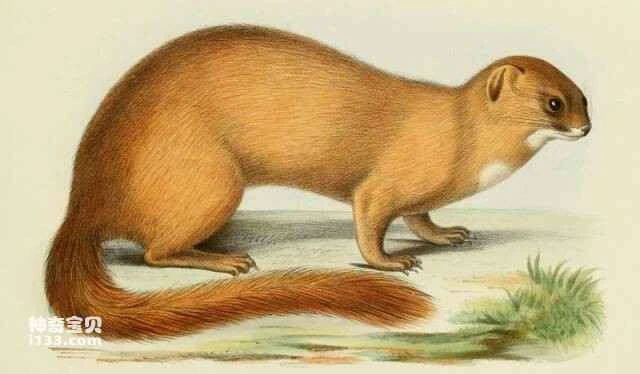
In the countryside, weasels are also called "yellow weasels." Elders say they can bewitch people and see through their hearts. After becoming spirits, they enjoy interacting with humans, receiving worship, and sometimes even helping them. However, they are extremely vengeful; if anyone bullies them, they will retaliate tenfold. Some also say that some weasels about to transform into human form will bow and greet people. If you say "like" to them, they will no longer need to cultivate. But if you don't speak or insult them, they will never be able to cultivate and will even seek revenge.
5. Crow
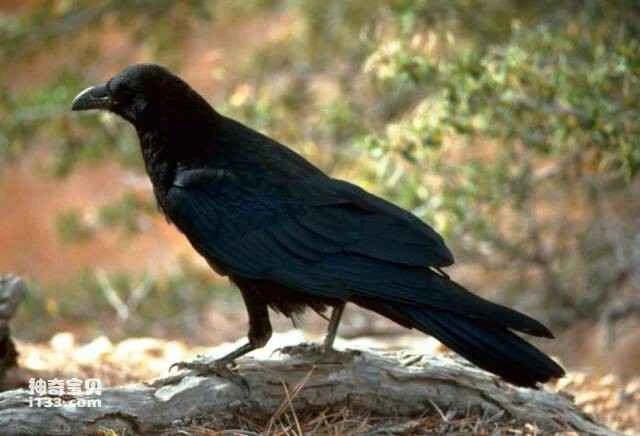
One of the five ominous animals. The saying "a raven's mouth" isn't without reason. In the countryside, there's a saying that crows are messengers sent by the King of Hell to collect souls. This saying seems to be quite accurate. I remember when I was a child, if crows cawed for several days in a row in the mountains opposite our village, someone in the village would surely die soon after. The old people in the village would often shake their heads and sigh when they heard the crows cawing, saying someone was about to die. But strangely enough, if magpies called one day, a baby would be born within a few days.
6. Bats
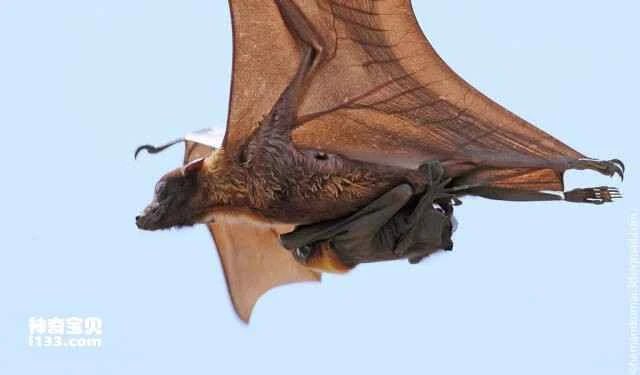
Bats are nocturnal animals, and due to their unsightly appearance, most farmers consider them a symbol of darkness. However, bats are not only considered unlucky in rural areas and forbidden from entering homes, but they are also carriers of viruses and pathogens. According to our research, experts have isolated more than 80 viruses from bats, some of which are sources of zoonotic diseases, including rabies, plague, and other viral illnesses. Some studies also suggest that bats may be the natural host of SARS.
7. Centipede
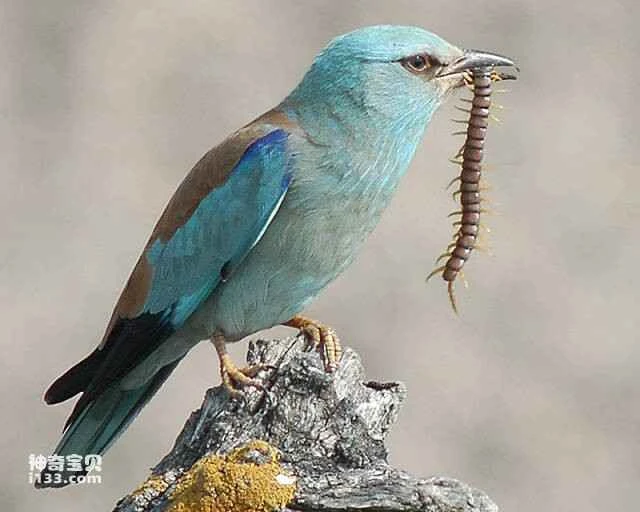
A blue-chested Buddhist monk was carrying a centipede.
Centipedes, one of the ten most malevolent animals, are also known as one of the five poisonous creatures. They are used in witchcraft and black magic. Centipedes are placed with venomous snakes and spiders, allowing them to fight and kill each other. The residue is then ground into powder, creating a type of poison called "Gu," which, according to village elders, can cause mental instability. Furthermore, from a feng shui perspective, having centipedes in the home disrupts the yin energy field, leading to strained interpersonal relationships, frequent arguments, and even marital instability.
8. Fox
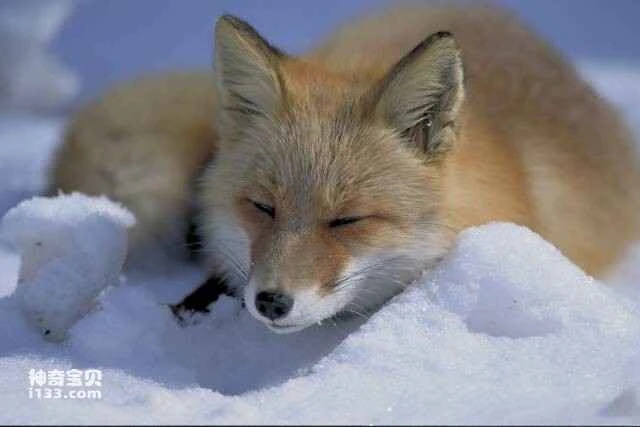
We often hear the phrase "fox spirit," which reflects people's understanding of foxes. In folk tales, foxes that transform into human form are said to be extremely beautiful, regardless of gender, and adept at seducing and bewitching the opposite sex to achieve their goals. Regarding this malevolent creature that plagues rural areas, older villagers generally believe that foxes possess great magical power and, through cultivation, guidance from a wise person, or absorbing the essence of the sun and moon or human energy, can transform into human form, ultimately achieving immortality, almost eternal life.
9. Hedgehog
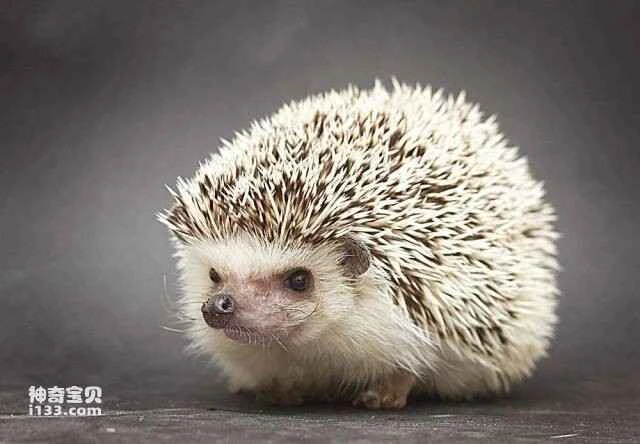
Hedgehogs are also considered unlucky animals in folk beliefs, and certainly shouldn't be kept as pets. According to older generations, keeping a spiky animal in the home is very unlucky, because one belief is that hedgehogs belong to one of the five great deities, and one shouldn't keep a deity in the house. If a hedgehog accidentally dies, it might bring even greater disaster to the family. This belief in hedgehogs as omens of misfortune has persisted to this day due to the transmission of knowledge among older generations, making it one of the ten most unlucky animals in rural areas.
10. Rooster
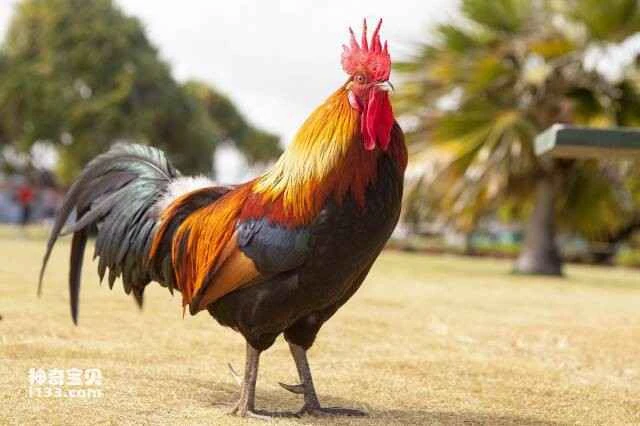
The inclusion of roosters on the list of animals considered unlucky in rural areas might puzzle many. In ancient times, during periods of war, roosters were often startled by noise and firelight, causing them to crow loudly at night. Thus, the ancients viewed "a rooster crowing at night" as an ominous sign of war, and elders considered a rooster crowing at midnight a bad omen, believed to bring misfortune to the household. Nowadays, when faced with such situations, elderly people in rural areas often kill the rooster to ward off the bad luck, bringing them peace of mind and preventing misfortune from befalling their homes.
Of course, these rumors lack scientific basis and evidence, so we should treat them rationally and not blindly follow them. Instead, we should use scientific methods to understand and learn about animals. This list is for entertainment purposes only.