Most birds build some type of nest to lay eggs and raise their chicks. Depending on the bird, the nest can be large or small. It may be located in a tree, on a building, in a bush, on a platform over water, or on the ground, and may be made of mud, dry leaves, reeds, or dead tree branches.
1. Scraping the nest

Caspian terns scrape their nests
Scratching nests represent the simplest type of nest that birds can build. They typically consist of just a shallow depression in the ground for the bird to lay its eggs. The edges of the scrape are just deep enough to prevent the eggs from rolling away. Some birds may add stones, feathers, shells, or leaves to the scrape. Eggs found in scrapes are usually camouflaged because their location on the ground makes them vulnerable to predators. Nesting birds often have precocious chicks, meaning they leave the nest soon after hatching.
Representative birds that build burrows include ostriches, thrushes, shorebirds, seagulls, terns, falcons, pheasants, quails, partridges, bustards, nightjars, vultures, and some other birds.
2. Caves and nests
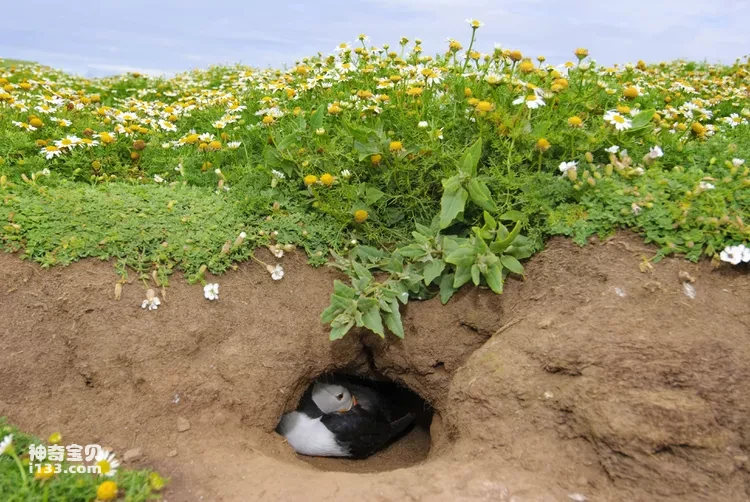
Atlantic Sea Nest
Cave nests are shelters in trees or on the ground, providing a safe refuge for birds and their developing chicks. Birds use their beaks and feet to dig the burrows. Most birds create their own burrows, but some (such as cave-dwelling owls) prefer to use burrows created by other birds. This type of nest is commonly used by seabirds, especially those living in cold climates, as cave nests provide protection from predators and weather conditions. Auks, gulls, kingfishers, miners, crab plovers, and leaf-spreaders are all cave-dwelling animals.
3. Empty nest
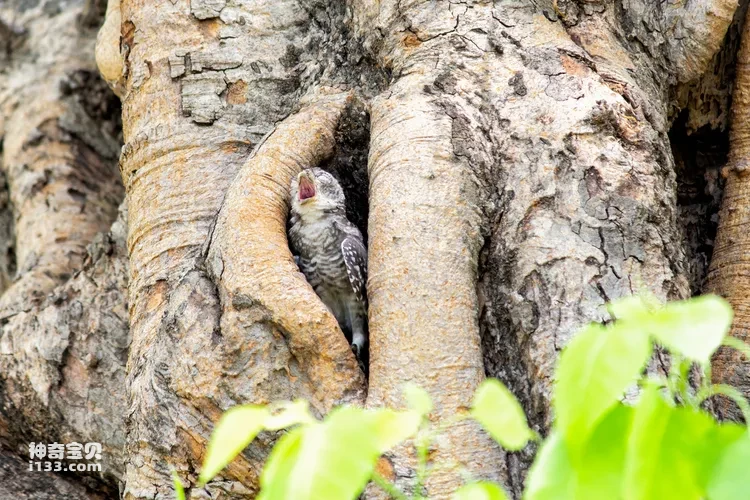
owl
Empty nests are the most common rooms found in trees (whether alive or dead), and some birds use them to raise their chicks. Only a few birds—such as woodpeckers, finches, and magpies—are capable of digging their own empty nests. These birds are considered the primary empty-nest birds. But most cave nesters—like some ducks and birds such as owls, parrots, hornbills, and blue robins—use natural burrows or burrows created and abandoned by other animals.
Cave dwellers often line their nests with leaves, dry grass, feathers, moss, or fur. If no other natural caves are available, they will also use nest boxes.
4. Platform Nest
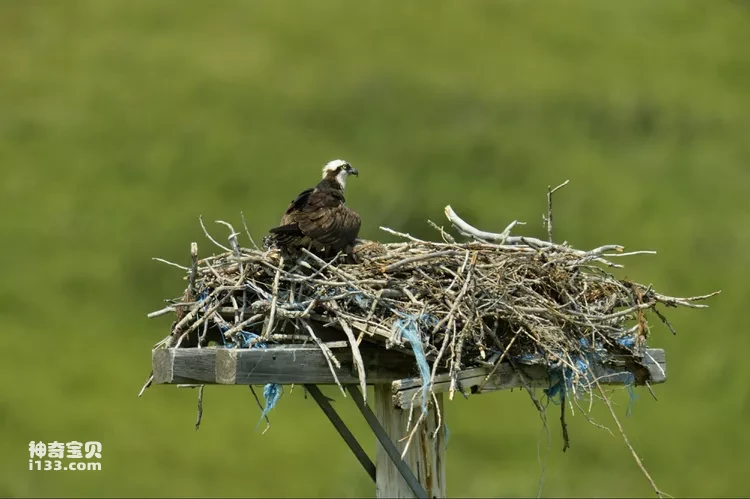
Osprey platform nest
Platform nests are large, flat nests built in trees, on the ground, on top of vegetation, or even on debris in shallow water. Many platform nests are reused by the same bird year after year, with additional material added to the nest each time it is used. This practice can result in enormous nests, damaging trees—especially in inclement weather.
Ospreys, mourning pigeons, egrets, herons, and many birds of prey are the most common platform nesters. Raptor nests are also known as "eyries" or "aeries".
5. Cup Nest
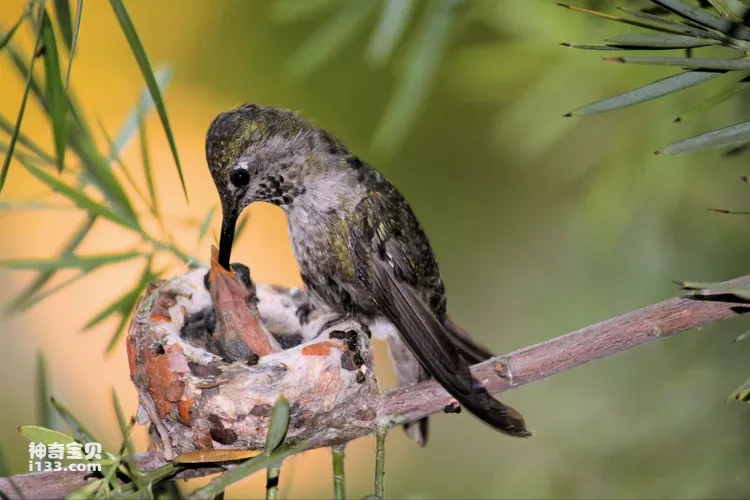
Anna's hummingbird is in the nest
As the name suggests, cup-shaped nests are indeed cup-shaped. They are usually round with a deep depression in the center to hold eggs and chicks. Hummingbirds, some flycatchers, swallows, swifts, little kingfishers, green cuckoos, crested birds, and some warblers are all birds that utilize this common nest shape. Cup-shaped nests are usually made of dry grass and twigs, which are held together with saliva. Soil and spider webs can also be used.
6. Mound Nest
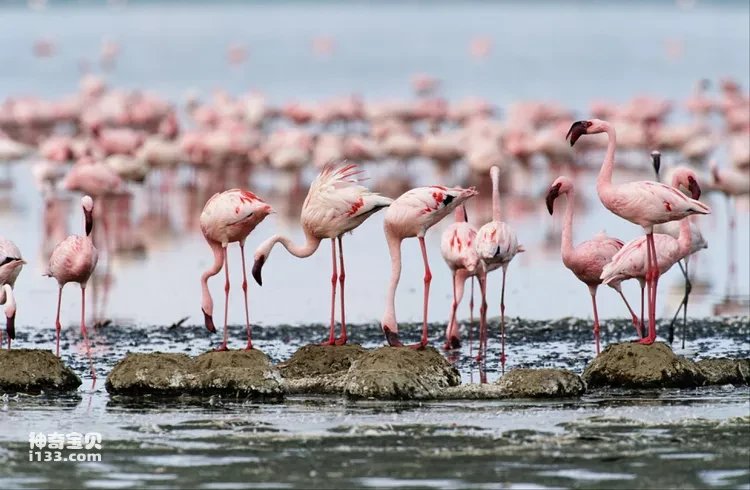
Flamingo mound nest
Like cave nests, mound nests serve a dual purpose: protecting the eggs from predators and keeping them warm in changeable weather. Mound nests are typically made of mud, twigs, sticks, branches, and leaves. Just as a compost pile heats up as organic matter begins to decompose, the dead matter in a mound nest decomposes and releases valuable heat to incubate the chicks.
For most mound-building birds, it is the male who builds the nest, using his strong legs and feet to pile up the material. The female will only lay eggs when the temperature inside the mound reaches what she considers an optimal level. Throughout the nesting season, male mound-building birds continuously increase the number of nests to maintain their size and temperature. Flamingos, some coots, and bush turkeys are common mound-building birds.
7. Pendant Nest
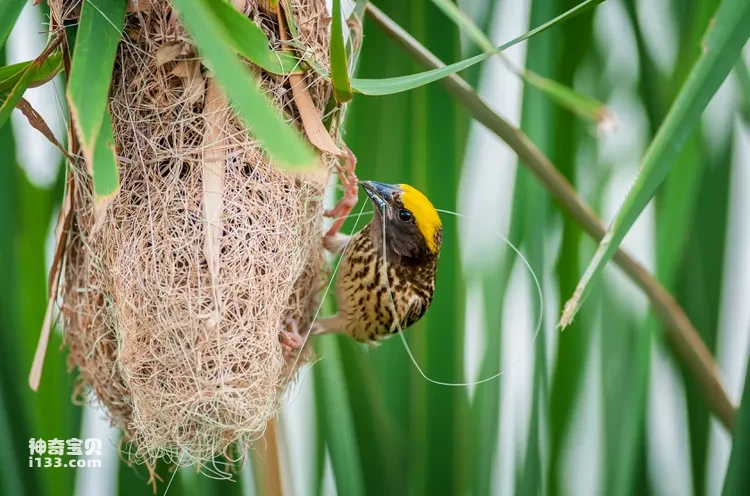
A male striped weaverbird is building its nest.
Dangling nesting birds construct a slender pouch from a branch, made of soft material such as grass or very thin twigs, to house their young. Weavers, warblers, sunbirds, and chief birds are common examples of dangling nesting birds.