Fish are the largest group of vertebrates, with a very wide distribution and diverse morphology and habits. The following is a detailed overview of the characteristics and habits of fish:
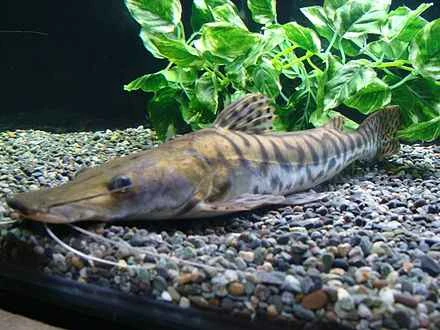
Classification and characteristics
Classification: Fish are a diverse group of organisms, including countless species from freshwater and ocean, and can be divided into two main categories: cartilaginous fish and bony fish.
Characteristics: Typical fish have scales, gills, and swim using fins. The body shape of fish can vary from species to species, including long, flat, and plump forms.
Distribution and ecological environment
Distribution: Fish are found in water bodies all over the world, in a variety of environments from freshwater lakes to oceans and rivers.
Ecological environment: Different kinds of fish have different ecological habits. Some need to live in freshwater, while others need to live in the ocean; some inhabit the bottom, while others float in the water, etc.
Dietary habits
Diet: Fish have a wide variety of diets, including carnivorous, herbivorous, and omnivorous. Some fish feed on plankton, while others prey on other fish.
Hunting techniques: Some fish have excellent hunting techniques, such as hiding in coral reefs to ambush prey, or forming large-scale encirclement nets to hunt prey.
Lifestyle
Reproduction: Fish reproduce in various ways. Some are oviparous, some are viviparous, and some fish even perform spawning rituals in specific locations, such as salmon and trout spawning in rivers.
Social structure: Some fish have relatively complex social structures, such as dolphins and whales. They often live in groups and have a clear social structure.
Relationship with humans
Economic value: Fish are one of the main food sources for humans, and many fish species are also used for ornamental and commercial aquaculture.
Protection: Overfishing of some fish species and habitat destruction caused by water pollution have already threatened the survival of some fish species.
Special characteristics
Endangered and protected: Some fish species have been listed as endangered species. Various measures have been taken to protect these fish species, such as fishing restrictions and fishing bans.
Scientific research: The importance of fish to ecological balance has attracted widespread attention. Scientists are helping humans to better protect and manage aquatic ecosystems by studying the environmental adaptability, behavior and ecological role of fish.
In summary, fish have a significant impact on Earth's ecosystems and provide humans with food and other benefits. The diversity of fish species results in a wide variety of lifestyles and ecological roles, presenting both challenges and opportunities for conservation and research.