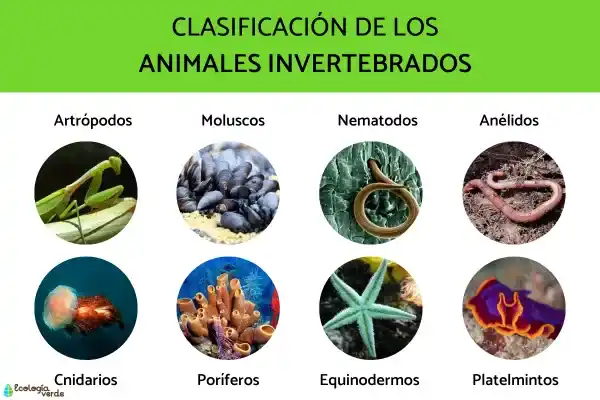
Jellyfish are an ancient group of aquatic creatures found in the world's oceans and freshwaters, attracting much attention for their unique appearance and simple physiological structure. Below is detailed information about jellyfish and their habits:
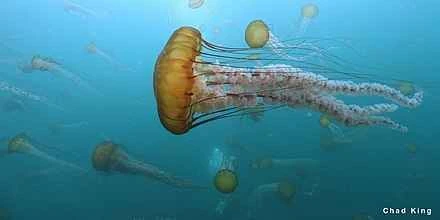
Physical appearance and physiological characteristics:
Size: Jellyfish vary in size. Some species are only a few millimeters in diameter, while other large species can have a bell diameter of more than 2 meters.
Tentacles: Most jellyfish have tentacles covered with stinging cells, which are used to capture prey and for self-defense.
Transparency: Jellyfish typically have translucent bodies. Although they lack a head, torso, and tail, their simple structure makes them excellent swimmers.
Distribution and Habitat:
Geographical distribution: Jellyfish are widely distributed and mainly live in waters around the world, from freshwater lakes to oceans.
Habitat: Different species of jellyfish have diverse habitats, with some living in shallow waters and others in deeper marine environments.
Lifestyle habits:
Predation: Jellyfish feed on plankton, small fish, and phytoplankton, and usually capture prey using stinging cells on their tentacles.
Swimming: Jellyfish can move freely in the water by their own peristaltic movements. They are usually moved by ocean currents and tides.
Reproduction: Jellyfish have a complex reproductive cycle, which usually includes both sexual and asexual reproduction. Some species of jellyfish reproduce multiple times during their growth cycle.
Toxicity: Some jellyfish have venomous tentacles, including some dangerous species such as the Box jellyfish, which is considered one of the most dangerous jellyfish in the world.
Diversity of species:
Jellyfish come in a wide variety of species, ranging in shape and size. Some species have short lifespans, while others can live long lives, and some may even be considered "immortal."
Role in the ecosystem:
Jellyfish play an important role in marine ecosystems. They are part of the food chain, filter large amounts of plankton, and help maintain the balance of marine ecosystems.
Jellyfish have attracted much attention due to their unique appearance and biological characteristics. Although our understanding of jellyfish is still limited, studying them helps us better understand the complexity of marine ecosystems and the challenges of environmental change.