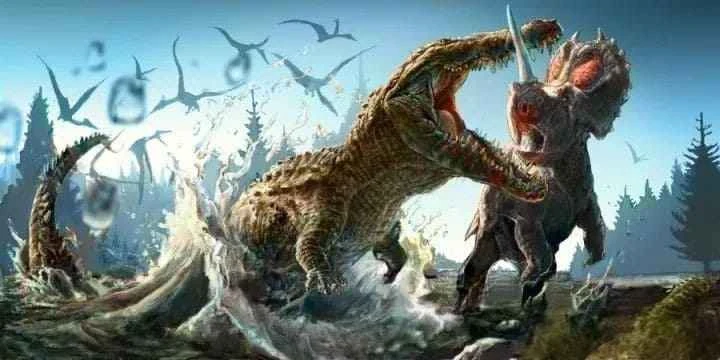
Deinosuchus, belonging to the superfamily Alligatoroidea , was an extinct giant crocodile that lived during the Late Cretaceous period (approximately 80–73 million years ago ), primarily distributed along the eastern coast and inland basins of North America . It is often considered one of the largest crocodiles in Earth's history and may even have preyed on large dinosaurs .
Fun fact about the name: Deinosuchus is composed of the Greek words deinos (terrible) and suchus (crocodile), and literally translates to "terrible crocodile".
I. Controversy over size and length: How big is it exactly?
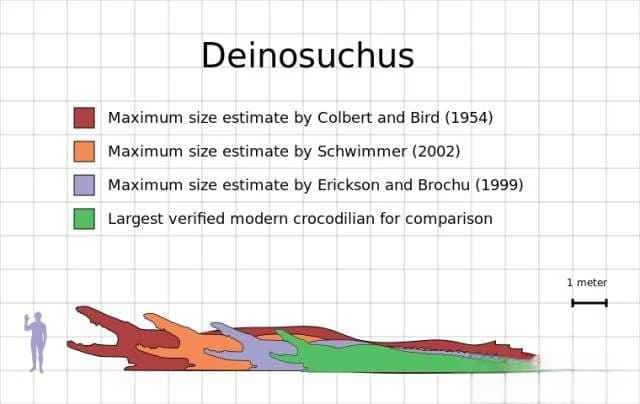
The fossils of Deinosuchus are mainly skulls and scattered bone fragments ; complete skeletons are rare and often fragmented, leading to significant discrepancies in body length estimates over a long period. Several representative estimates from the academic community are as follows:
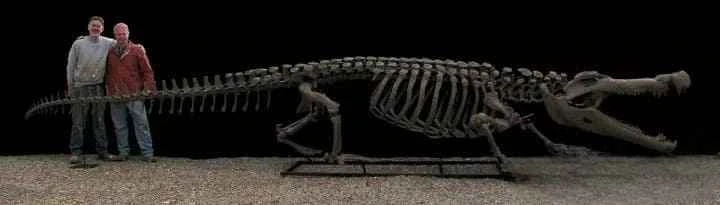
In 1954 , Edwin H. Colbert and Roland T. Bird:
Based on the mandible (approximately 2 m ) and analogy, an extreme upper limit of approximately 15 m for body length is proposed.
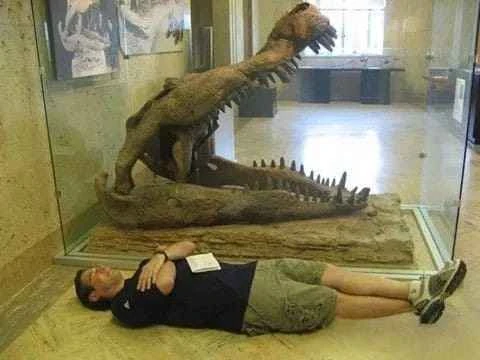
In 1999 , Gregory M. Erickson and Christopher A. Brochu:
A more conservative range is given, approximately 8–10 m .
In 2002 , David Schwimmer:
It was noted that the eastern population was smaller, about 8 m / 2.3 tons ; while the western population was more robust, about 12 m / ≥8.5 tons .
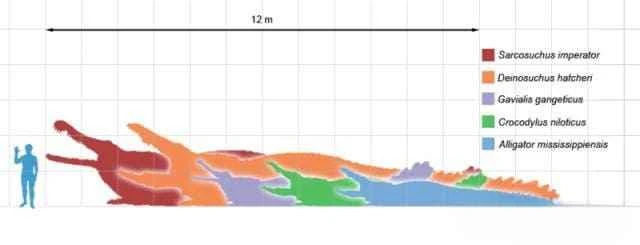
Consensus points : Regardless of which estimation method is used, Deinosuchus was significantly larger than any extant crocodile ; even according to the "minimum estimate", its weight exceeded the upper limit of modern crocodiles.
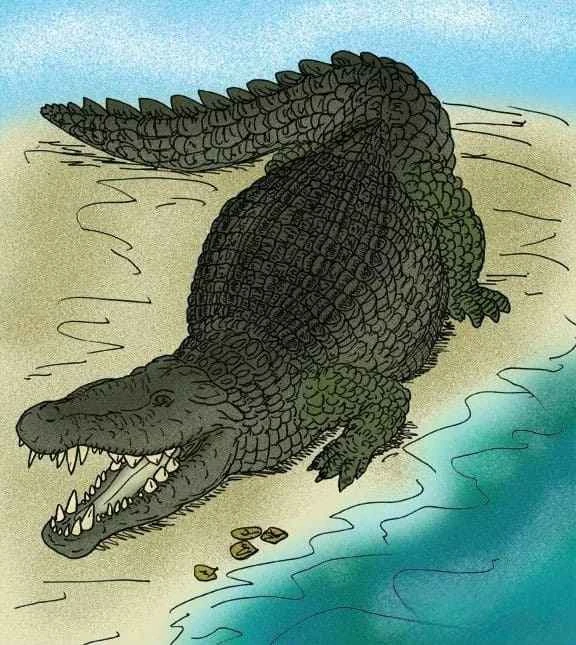
II. Appearance and Bite: Macrojaw + Thick Teeth + Strong Bite Force
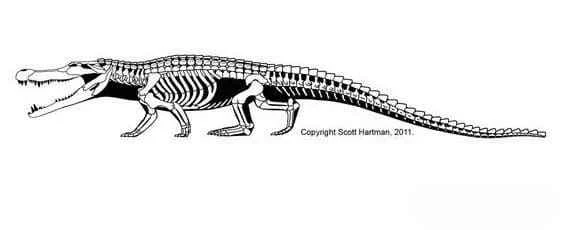
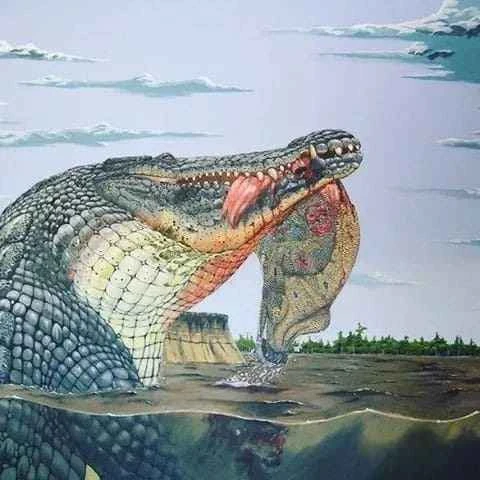
Head and snout : Deinosuchus had a broad, slightly bulging short snout ; its teeth were thick and robust , with the hind teeth being shorter and blunter, which was conducive to crushing and tearing .
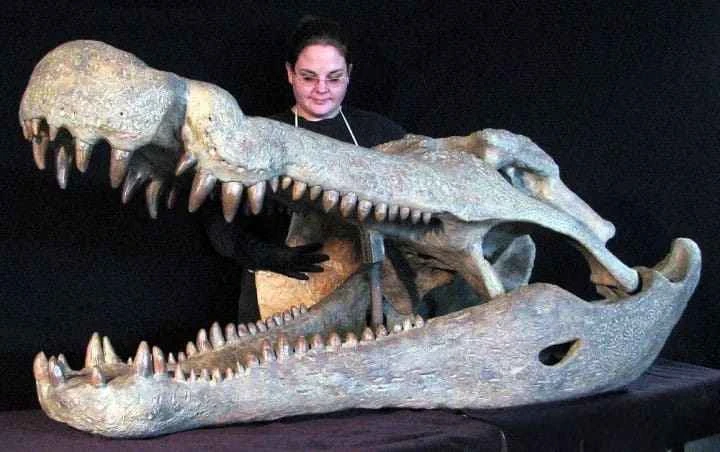
Continuity with modern morphology : The overall outline is similar to that of modern crocodiles, indicating that crocodiles had already developed an efficient semi-aquatic predation design by the Late Cretaceous.
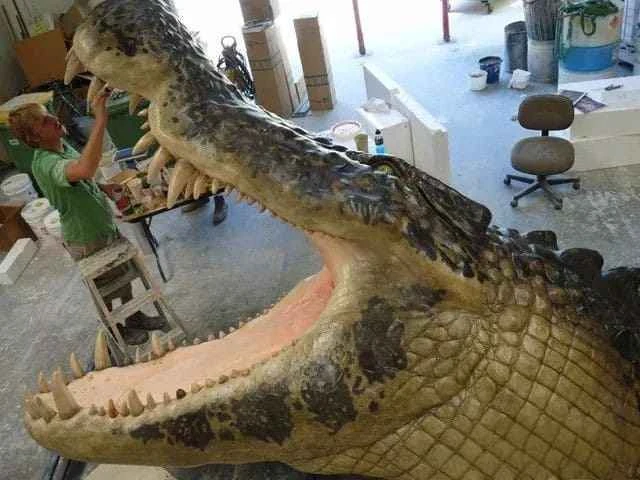
Bite force estimation : Based on the attachment of skull muscles and lever arms, researchers estimated that the bite force of the Deinosuchus could reach about 18,000 pounds (≈ 80,000 N) , which is much higher than the measured value of about 2,125 pounds (≈ 9,452 N) for the American alligator.
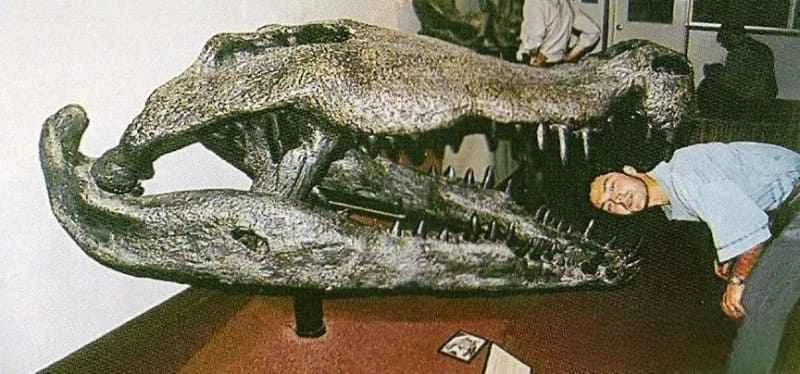
Note: Different research models and restoration methods may introduce errors, but the conclusion of " extremely strong interlocking " is relatively stable.
III. Armor and Osteoscopic Features: Reinforced for "landing"
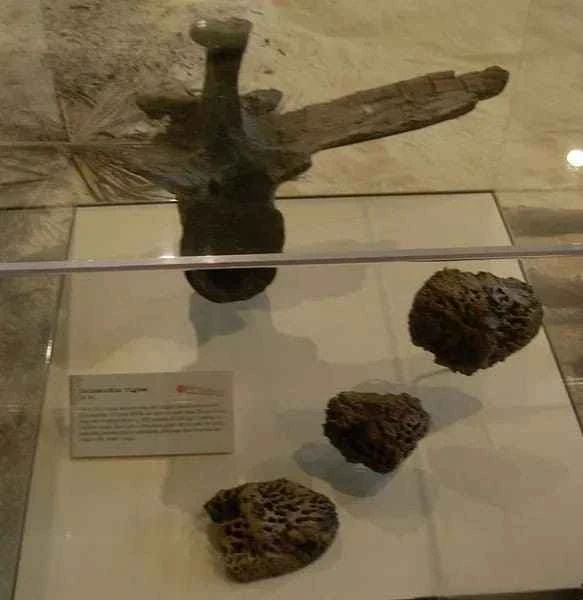
Intradermal ossification (bone plates/scaly plates) : Deinosuchus has thicker intradermal ossification , with large semi-circular bone plates covering the back, and surface grooves and depressions are interpreted as soft tissue attachment points .
Based on this, some scholars speculate that when such a large individual moves or ambushes on land , the carapace and soft tissue may play a role in bearing weight and stabilizing the situation.
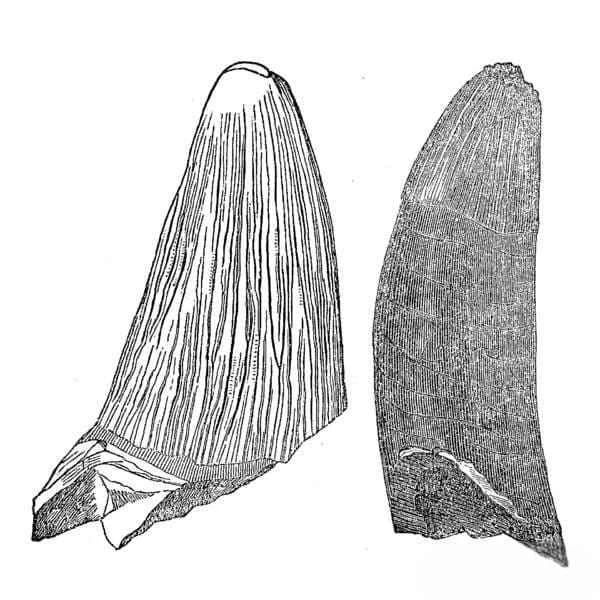
Bony secondary palate : allows it to continue breathing through its nostrils when its snout is submerged in water , which is beneficial for underwater lurking and ambush .
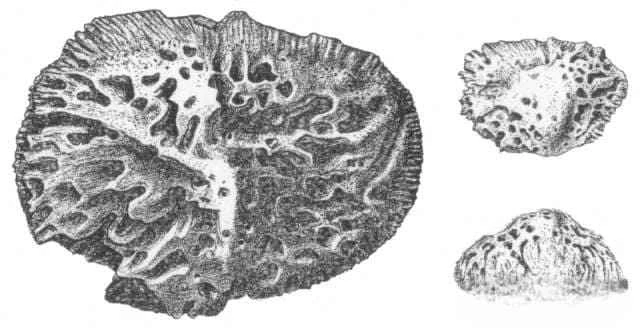
Vertebrae type : Procoelous vertebrae, with each vertebral body concave anteriorly and convex posteriorly, forming ball-and-socket joints ; similar to modern crocodilians, this is considered a derivative feature that facilitates flexible twisting and aquatic maneuvering .
IV. Growth Rate and Lifespan: Can tree rings be used to calculate age?
Erickson & Brochu, 1999 :
Studies of the growth rings (similar to tree rings) on the dorsal plates suggest that it takes approximately 35 years for a Deinosuchus to reach full maturity, with the oldest individuals exceeding 50 years .
Schwimmer's 2002 criticism :
Does the growth cycle necessarily reflect the annual seasons ? In the context of relatively small climate fluctuations during the Mesozoic Era, prey migration, wet and dry seasons, ocean currents, and other factors could also form rhythmic signals.
Conclusion : The tree ring method has reference value, but the chain of evidence needs to be more rigorous , and it is not advisable to make a single-line assertion about lifespan.
V. Fossil Sites and Paleoenvironments: The Hunter of Estuaries, Lagoons, and Intertidal Zones
Reported fossil sites are widely distributed, including Alabama, Mississippi, Montana, Georgia, New Jersey, North Carolina, New Mexico, Texas, Utah, and Wyoming . In 2006 , intradermal osteoblasts were also discovered in northern Mexico , marking the first record outside the United States . Numerous fossils have been unearthed in the Gulf Coast Plain of Georgia (near Alabama).
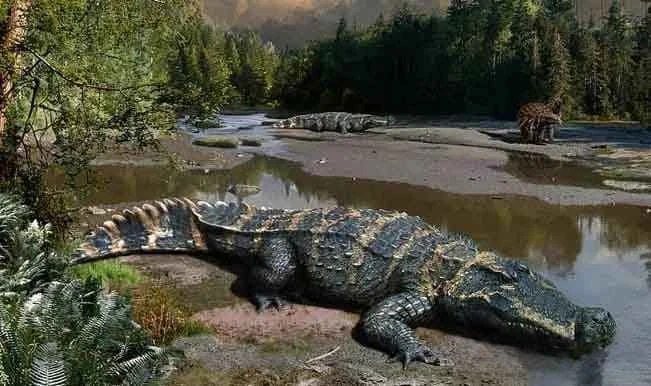
Sedimentary environment indications : Multiple locations show that the deinosuchus was commonly found in brackish water-nearshore transition zones such as estuaries, tidal zones, and salt marshes ; some specimens were located in marine layers , which may reflect its behavior pattern of foraging in the sea (similar to today's saltwater crocodiles).
Size differences : Individuals in the western basin are larger and have lower density ; individuals in the eastern basin are relatively smaller and have a wider distribution .
VI. Diet and Ecological Niche: "Waterfront Ambushers" in the Dinosaur Era
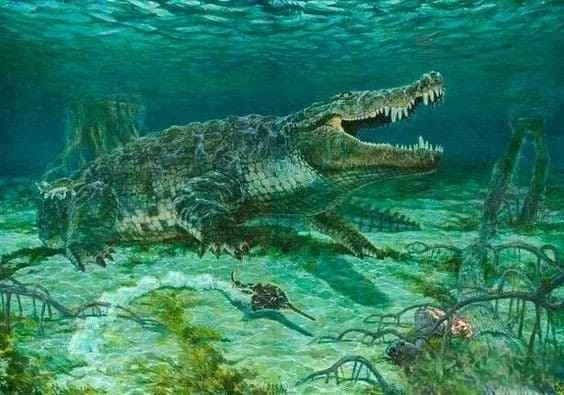
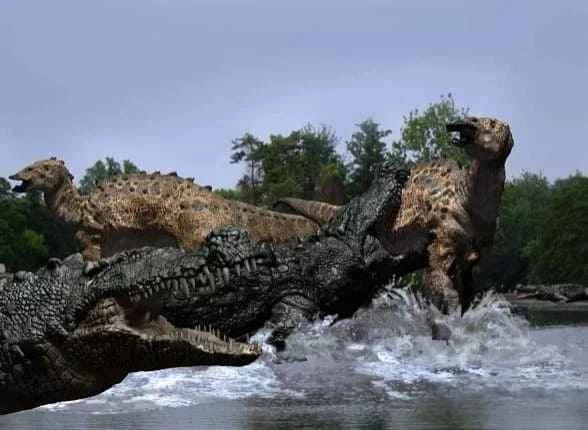
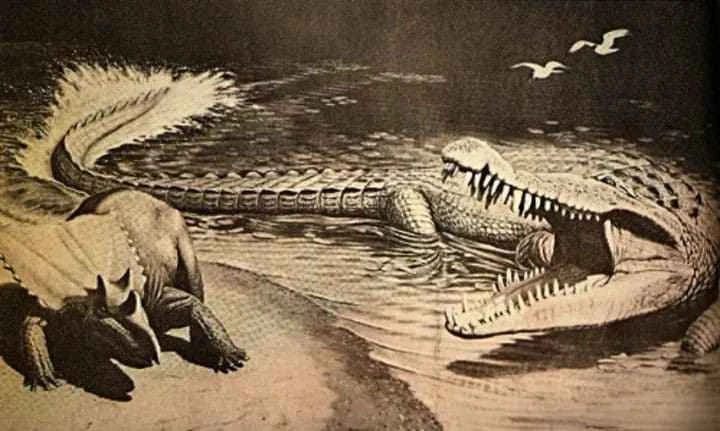
Hunting method (inferred) : Similar to modern crocodiles, it lurks in the water and ambushes terrestrial animals that come to the water's edge to drink or wade , using its large jaws to bite and drag them to drown them .
Direct evidence : The discovery of hadrosaur tail vertebrae with tooth marks in strata near Big Bend National Park supports the inference that Deinosuchus preyed on or gnawed on dinosaurs .
Regional differences :
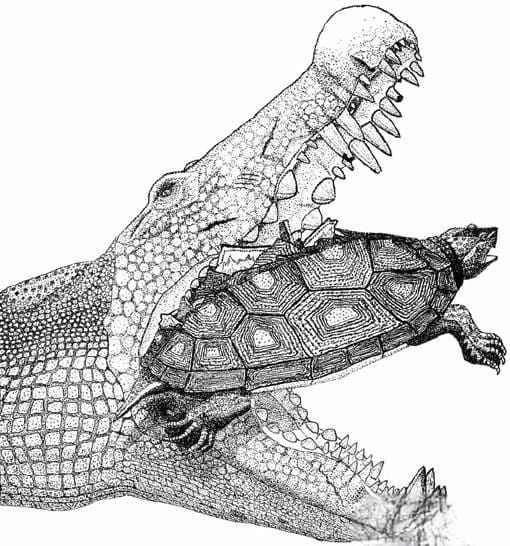
Smaller populations in the east : Their ecological niche is closer to that of modern American crocodiles, and they may have fed on a variety of prey , including turtles, giant fish, and small dinosaurs .
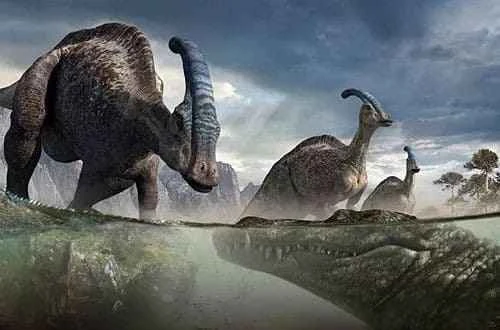
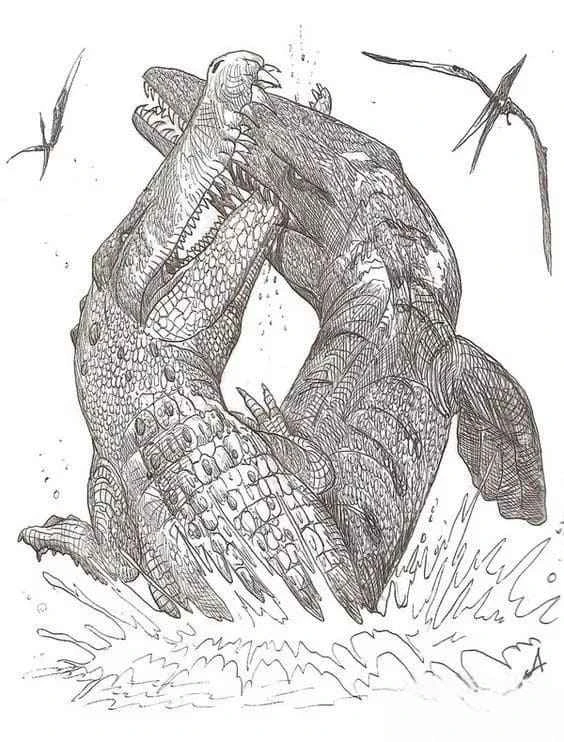
In western regions like Texas and Montana : larger and fewer individuals, they were more likely to prey on larger dinosaurs .
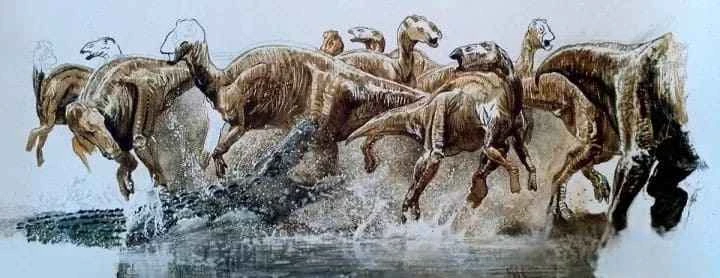
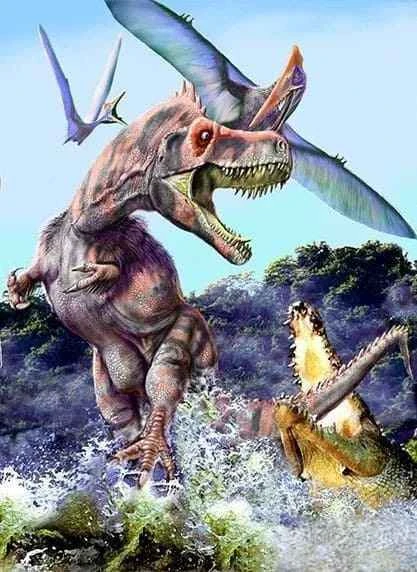
Food chain position : In some eastern regions, there are no records of theropods larger than Deinosuchus , suggesting that Deinosuchus was likely the top predator .
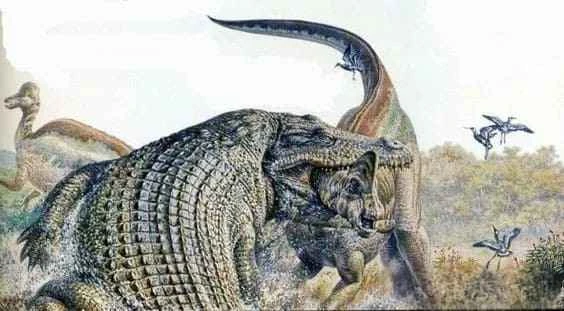
7. What would happen if they were still alive today?
With its size, bite force, and ambush strategy , the Deinosuchus would be an overwhelming presence in modern wetland and estuarine ecosystems.
It could pose a deadly threat to large ungulates, crocodiles, and even large coastal mammals.
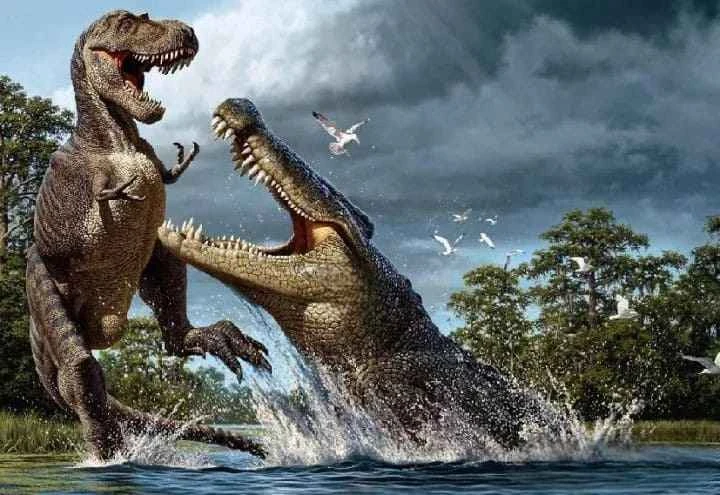
However, their large size also means high energy requirements and habitat dependence , making them more sensitive to climate and hydrology .
VIII. Restoration and Modeling: Conservative vs. Radical
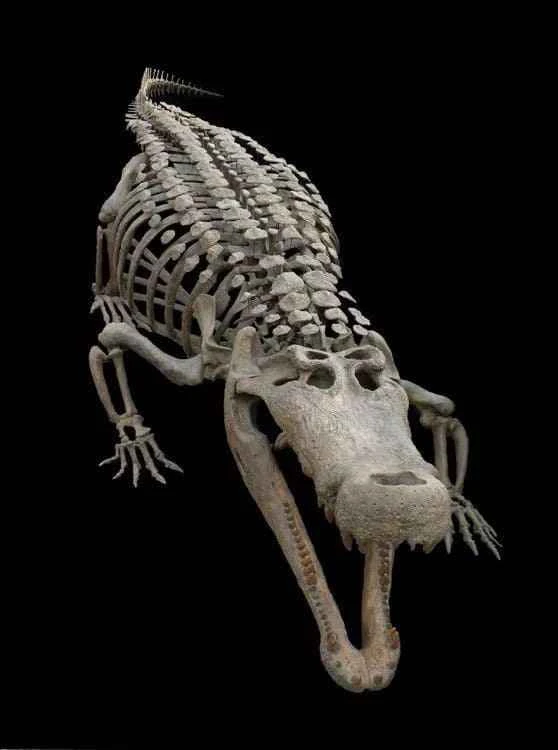
When the American Museum of Natural History reconstructed the head model, it referenced the head shape of the Cuban crocodile and used plaster to complete it. Some scholars believe this version is too conservative ; if the saltwater crocodile were used as a geometric reference, the proportions of the Deinosuchus's head and overall size could be reconstructed to be even more exaggerated . This also explains the systematic differences in the length/weight estimates among different teams.
Key knowledge points overview
Era : Late Cretaceous (approximately 80-73 million years ago)
Classification : Order Crocodilians → Family Crocodilian (within the superfamily Alligator)
Distribution : Found in many states in eastern and western North America; also recorded in northern Mexico.
Body length : Approximately 8–12 m (conservative estimate) / Up to ~15 m (extreme estimate)
Weight : Approximately 2.3 tons in the east; up to ≥8.5 tons in the west (significant model differences).
Bite force : Estimated ≈ 80,000 N
Ecological niche : Semi-aquatic apex predator , inclined to ambush near water.
Recipe : Large bony fish, turtles, and even dinosaurs (with evidence of tooth marks).
Bone features : thick carapace, bony secondary palate, and anteriorly concave vertebrae; consistent with the evolutionary features of modern crocodilians.
1) Why are giant crocodiles more commonly found in estuaries/deltas?
The accumulation of nutrients, abundant fish and reptile resources, and the formation of well-concealed ambush sites by tides and sediment—these factors combined provide an ideal environment for low-metabolism, high-burst ambush predators.
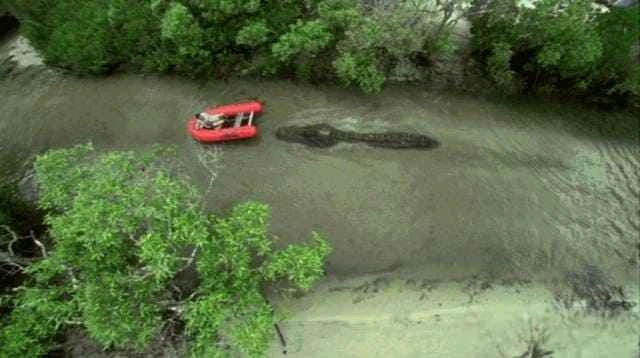
2) Compare the size with Sarcosuchus and Nile Crocodile <br/>If we use the mainstream conservative value, the overall length of Deinosuchus still surpasses that of the extant Nile Crocodile and American Short-snouted Crocodile ; compared with "Sarcosuchus" in the fossil record, the two are from different epochs and ecological niches , so it is not appropriate to simply compare "who is bigger", but both are giant crocodilians at the top of their time .
Conclusion
Deinosuchus pushed the advantages of "crocodilian design" to their limits in the Cretaceous: its powerful cranial jaw system, heavy armor, and amphibious ambush strategies gave it unparalleled dominance in the estuarine wetlands of the dinosaur era. Although fossils are fragmented and estimates differ, one point is almost undisputed: it was one of the most fearsome prehistoric waterfront predators .