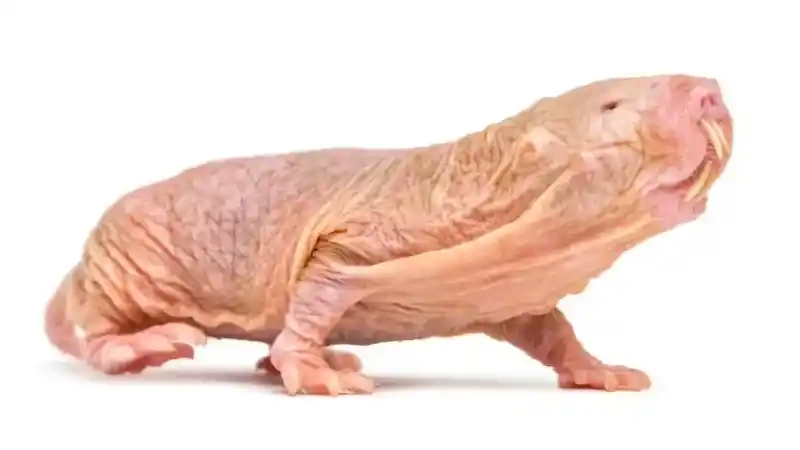
Thousands of bee species are found all over the world, ranging from docile honeybees to highly aggressive wasps. Among these bees, some are known as "deadly queen bees" due to their potent venom, fierce temperament, and astonishing attack power. Today, let's take a look at the ten most venomous and dangerous bees in the world: killer bees, hornets, bull hornets, Japanese hornets, landmine bees, cave hornets, golden-ringed hornets, black velvet hornets, yellow-legged hornets, and black-shielded hornets.
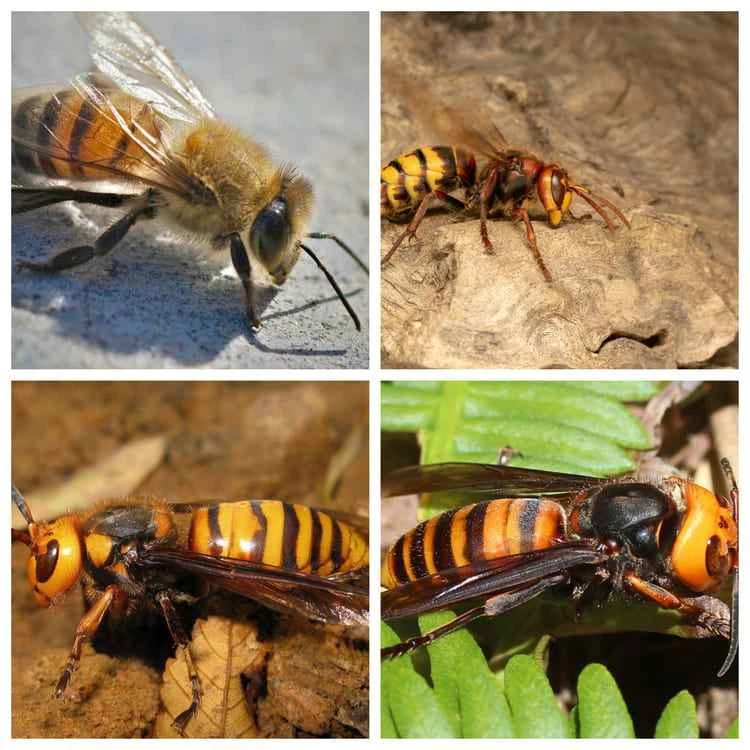
1. Killer bees (Africanized honeybees)
Killer bees, also known as "Africanized honeybees," are a new breed resulting from the hybridization of African honeybees and South American Brazilian honeybees. They inherit the aggressive nature and formidable aggression of African honeybees, capable of pursuing intruders for kilometers. It is estimated that thousands have died from their stings. The venom of killer bees contains cardiotoxins, and stings often cause symptoms such as headache, vomiting, difficulty breathing, and muscle spasms; in severe cases, it can even lead to death from acute kidney failure.
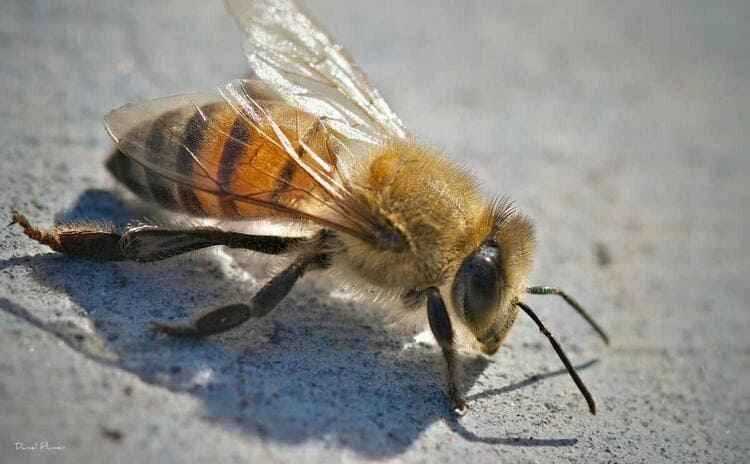
2. Oriental wasp (a yellow and black "aerial tiger")
The Asian giant hornet (Vespa mandible) is one of the most representative species in the Vespidae family, named for its yellow and black markings. It has strong mandibles and a sharp stinger; its venom, composed of various amino acid proteins, can cause redness, burning pain, allergies, and even shock. Every autumn, they migrate in large numbers to store energy, leading to an increase in encounters with humans.
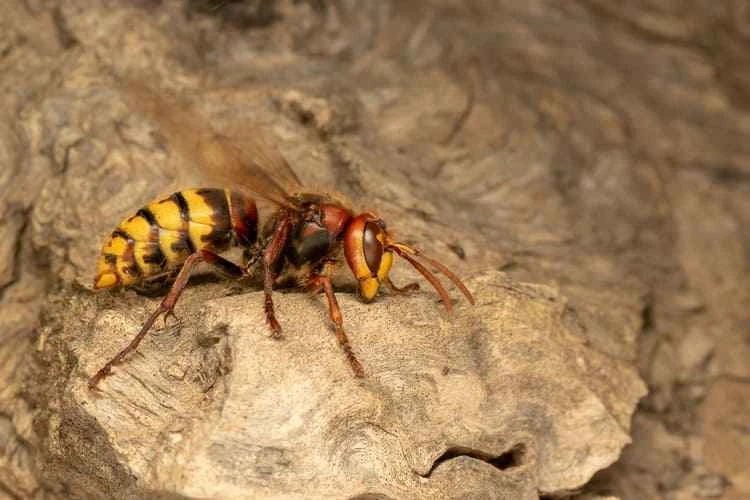
3. Horned Wasp (triple stinger, potent venom)
The bullhorn wasp is conspicuous in appearance, with a yellow head and a black and yellow striped abdomen, and possesses three stingers. Its venom contains histamine, melittin, and hyaluronidase, which can damage blood cells and nerve tissue; a sting can cause hemolysis, bleeding, and anaphylactic shock. Although bullhorn wasps are mostly defensive, they will swarm and attack if their nest is invaded, making them extremely lethal.
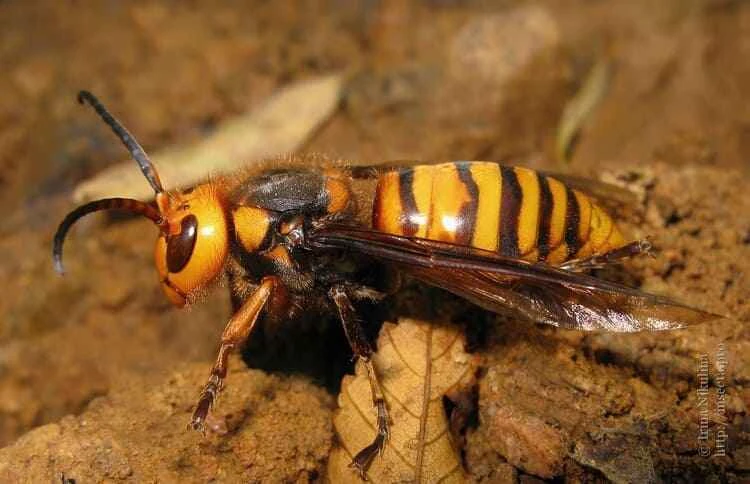
4. Japanese giant hornet ("the hornet from hell")
The Japanese giant hornet is the largest hornet in the world and possesses extremely potent venom. Its stinger, exceeding 6 millimeters in length, injects a highly corrosive enzyme-based venom that can directly dissolve human tissue. While they typically do not attack humans unprovoked, their stings can be excruciatingly painful if provoked. Approximately 40 people die annually in Japan from their stings, mostly due to allergic reactions or delayed treatment.
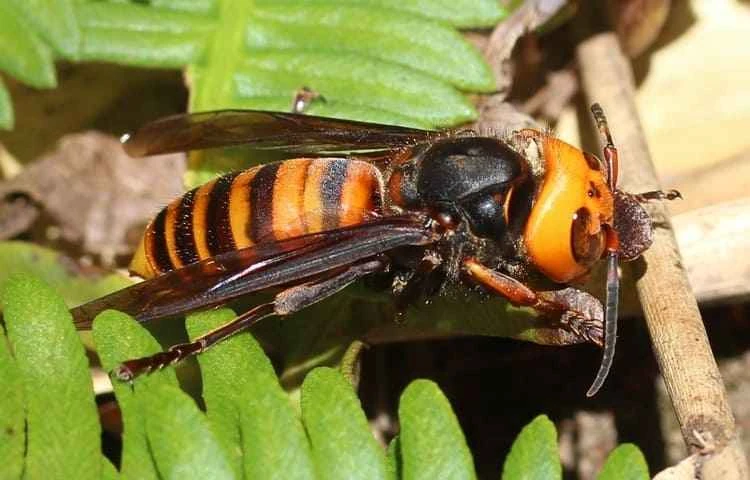
5. Landmine wasp (its sting is as painful as an explosion)
Landmine wasps are about 3 to 5 centimeters long and have a brownish-yellow appearance. Their name, "landmine wasp," comes from the traumatic nature of their stings—the wound resembles a landmine explosion, leaving a bloody and mangled mess. After being stung, a person will quickly experience dizziness, numbness, and excruciating pain, which can last up to ten hours. Being stung two or three times in succession can be fatal.
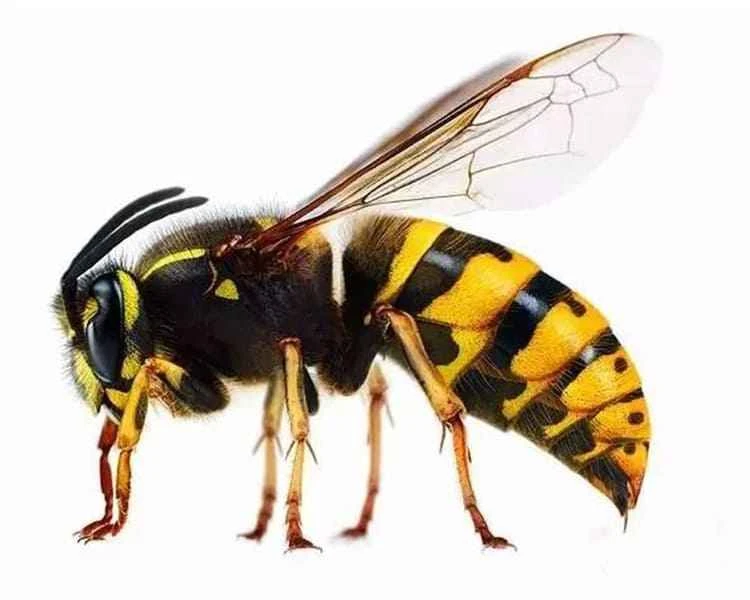
6. Cave wasp (nocturnal hunter with highly venomous venom)
The cave hornet, also known as the "great night hornet," primarily inhabits dense forests at altitudes of 1500 to 2500 meters. Its body is covered in long, downy hair, giving it a majestic appearance. Its venom is extremely potent among hornets, even surpassing that of the golden-ringed hornet. Although mainly nocturnal, it will swarm during the day if its nest is disturbed, chasing enemies for tens of meters.
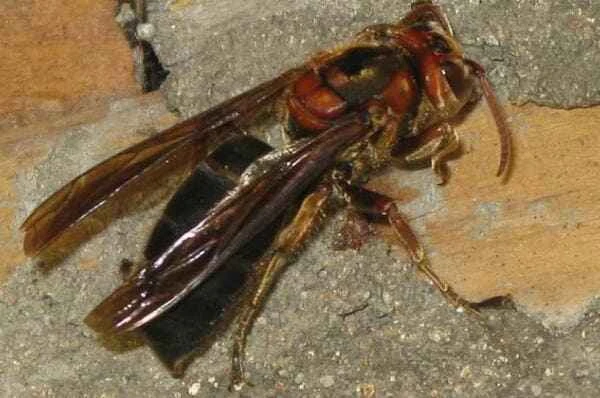
7. Golden-ringed hornet (Chinese giant hornet)
The golden-ringed hornet is one of the largest and most aggressive hornets in the world, also known as the "human-headed hornet." Its stinger can be up to 6 millimeters long, and its venom contains up to 50% melittin by dry weight, which can cause hemolysis, muscle necrosis, and organ failure. If a human is stung by twenty golden-ringed hornets simultaneously, they are highly likely to perish.
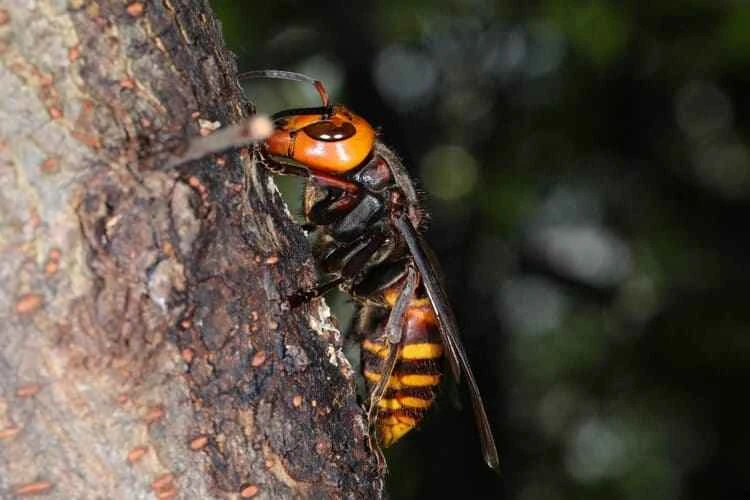
8. Black velvet wasp (thick and dense hairs, among the top three most venomous)
The black velvet hornet is large, with a reddish-black thorax and back, a jet-black abdomen, and a body covered in dense hairs, hence its name. Its venom is comparable to that of the golden-ringed hornet and the cave hornet, possessing hemolytic and neurotoxic properties. A sting immediately causes redness and swelling of the skin, accompanied by severe pain; in severe cases, it can lead to kidney failure or shock. Those with allergies should be especially cautious.
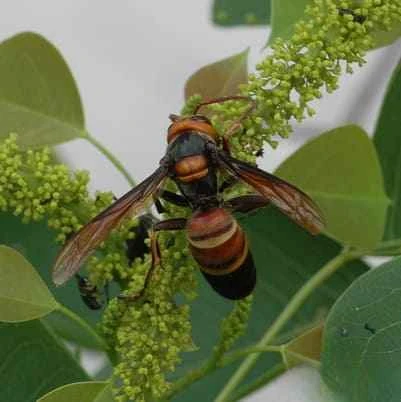
9. Yellow-legged hornet (one of the most aggressive hornets)
The yellow-legged hornet, also known as the red-tailed hornet or black-breasted hornet, gets its name from its yellow legs. They are extremely protective of their nests, swarming in and relentlessly pursuing any intruders they sense. Although they rank low in the hornet genus, their venom is still formidable, and there are cases of death each year due to their stings.
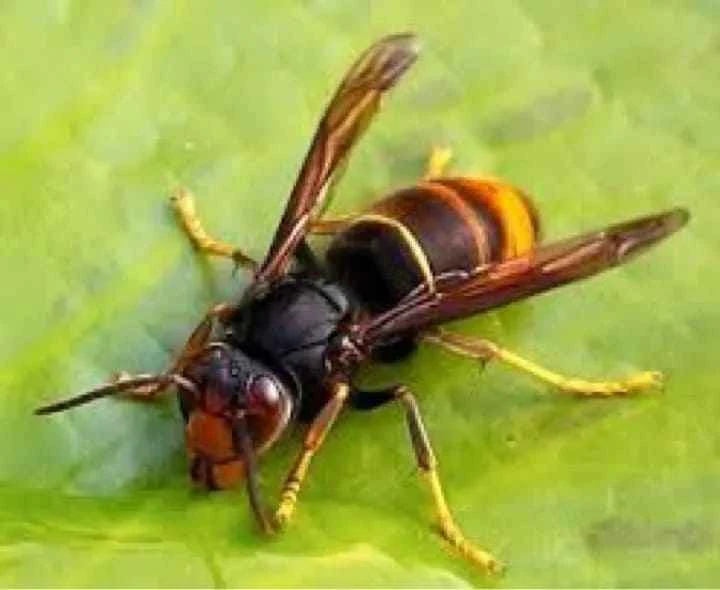
10. Black Shield Wasp (Distinctive appearance, venom still poses a threat)
The black-shielded hornet is distinguished by its pure black thorax and bright yellow abdomen. Although its venom is slightly less potent than that of the golden-ringed hornet and the black-velvet hornet, it is still considered a dangerous species. A sting can cause severe pain, swelling, and itching; in severe cases, it can lead to difficulty breathing, arrhythmia, or acute renal failure.
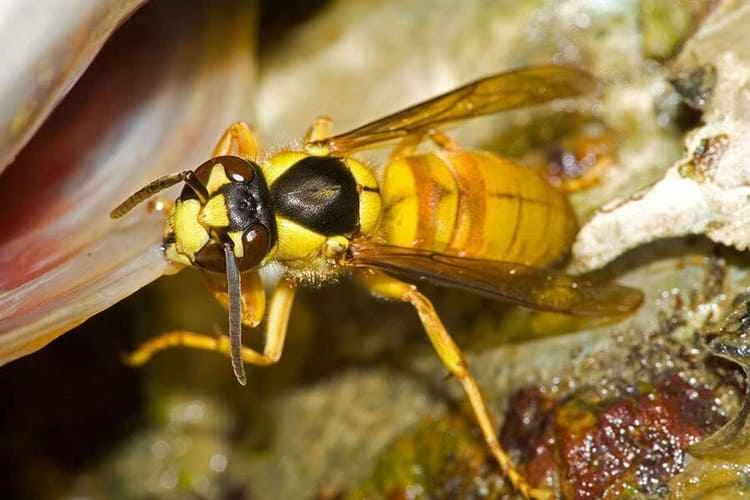
Conclusion
The above ranking of ten bee species based on their venom potency, aggressiveness, and number of human fatalities is for reference only. It is worth noting that bees also play important roles in ecosystems, such as pollination and maintaining ecological balance.
The data in this article is compiled up to October 13, 2025 , and references multiple natural observation and entomological sources. Please feel free to leave comments or differing opinions in the comment section.