Animals are truly amazing creatures, and the "laughter" they emit or the joyful behaviors they display are particularly captivating. This article will take you on a journey through all aspects of animals that "laugh," from scientific discoveries to heartwarming moments that will make you laugh out loud.
Table of contents
Introduction: Do animals really laugh?
Scientific Analysis of Animal Laughter
Animals known for their laughter
Coyote
chimpanzee
dolphin
Laughing Kookaburra
mouse
Pets and their sense of humor
Animals with rich emotions: joy and play in nature
Fun and Culture: "Laughing Animals" in the Media
Interesting facts about animals that can "laugh".
Do animals really laugh?
First, we need to answer a question: Do animals really laugh? While not all animals laugh like humans, some animals make laughter-like sounds when playing or feeling happy. This behavior is not only amazing but also allows us to understand the rich emotional world of animals.
Scientists have discovered that laughter is often a social behavior that promotes interaction and connection among animals. But it's not just science; these animals' comical behaviors often make us laugh too!
Scientific Analysis of Animal Laughter
The study of animal laughter has been ongoing for decades. Scientists believe that animal laughter, like human laughter, is closely related to play and social interaction.
Playful behavior : Laughter usually occurs when animals are playing, indicating that the activity is friendly and non-threatening.
Social bonds : Animals use these sounds to strengthen relationships within their groups.
Neuroscience : Research has found that mice emit extremely high-frequency "giggle" sounds when tickled, but these sounds are inaudible to the human ear.
Fun fact: Laughter isn't limited to mammals; birds like parrots and kookaburras can also make sounds that sound like human laughter!
Animals known for their laughter
Coyotes: Nature's Laughter Experts
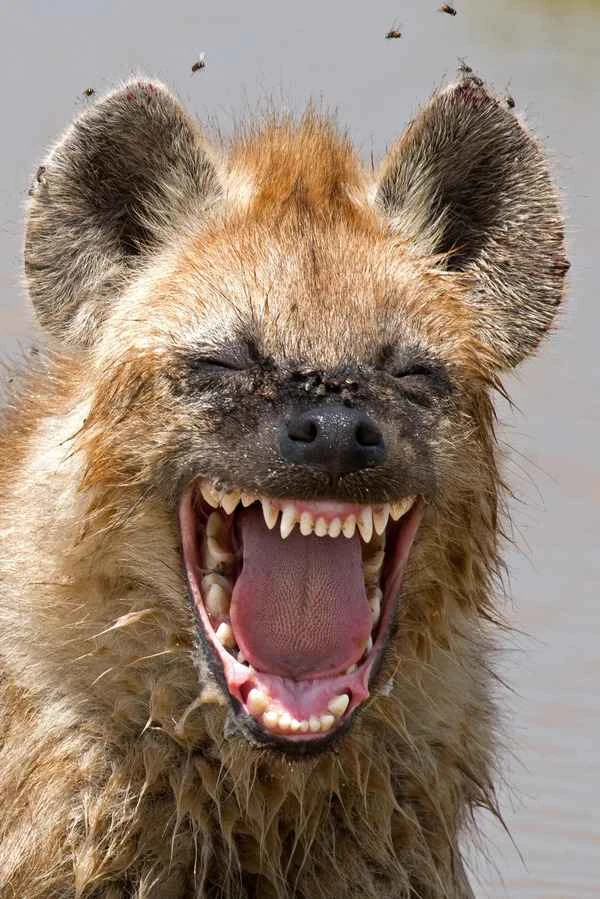
The laughing hyena is one of the most well-known "laughing animals." However, their laughter is not always due to happiness, but rather a form of communication, often used to express excitement, tension, or submission and vulnerability within the group.
Chimpanzees: Laughing Relatives
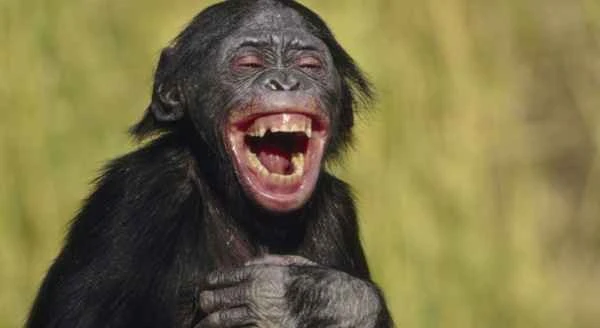
Chimpanzees and humans share many similarities, including the ability to laugh. They giggle when playing or being tickled, making their social interactions more fun and heartwarming.
Dolphins: Messengers of Joy Underwater

Dolphins are very playful animals, and they make unique sounds during social interactions, which are often described as "laughter." These sounds typically occur when they are playing games or interacting with humans.
Laughing Kookaburra: A bird that laughs
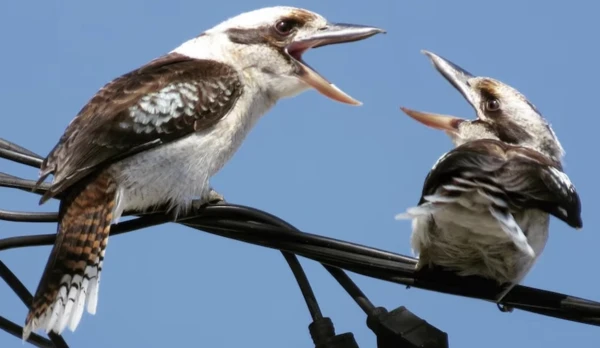
The laughing kookaburra is best known for its signature "laugh" call. This sound is primarily used to mark territory or communicate with the group. Their laughter even frequently appears in the soundtracks of jungle music!
Mouse: The Smiling Master

That's right, even mice laugh! Research has found that mice emit high-frequency "laughter" when tickled or played with. This sound is a pure expression of joy, but special equipment is required to hear it.
Pets and their sense of humor
Do pets like dogs and cats have a sense of humor? Although they don't laugh like humans, they often exhibit behaviors that are "funny" and seem to enjoy making humans happy.
Dogs : Dogs make funny noises when they play, and their comical behavior often makes people think that they have a sense of humor.
Cats : Cats may seem aloof, but some of their quirky behaviors, such as crawling into boxes or chasing unseen objects, can always make people laugh.
Pets like parrots can also mimic human laughter, adding a touch of humor to their personalities.
Animals with rich emotions: joy and play in nature
Animals are emotional beings, and behaviors like laughter are often expressions of happiness. From elephants to otters, many animals express joy through play.
Social animals : Social species like wolves and primates strengthen their social bonds through play and laughter.
Play signals : Laughter and other behaviors help animals indicate that their actions are friendly, not aggressive.
These behaviors tell us that happiness and laughter are not just for humans; they are also part of nature.
Fun and Culture: "Laughing Animals" in the Media
Laughing animals have taken over the internet! From viral videos of parrots mimicking human laughter to adorable clips of dogs "smiling," these moments have brought joy to countless people.
Funny emojis : Animal emojis with laughter have become a classic element of online humor.
Cartoons and movies : Animated characters like the laughing hyena in The Lion King exemplify humanity's fascination with animal laughter.
Compilation Videos : These compilation videos are full of funny animal behaviors and laughter, and are very popular with viewers.
These cultural phenomena not only entertain us, but also stimulate people's curiosity about animal behavior.
Interesting facts about animals that can "laugh".
Finally, let's end with some interesting facts:
Mice are ticklish and will make a "laughing" sound when tickled!
Dolphins' laughter is closely related to their lively personalities.
The laughing kookaburra gets its name from its loud "clucking laugh".
The hyena's laughter is actually a way of expressing dominance and obedience.
Humans are not the only species that likes to laugh—animals do too!
Animals that laugh show us the joy and playfulness of nature. From wild hyenas to domestic parrots, their laughter reminds us that laughter is a universal language!