Fish has always been a popular ingredient on the dining table; however, despite the delicious taste of many fish, some harbor potential toxins. Below are ten of the world's most poisonous fish: stonefish, pufferfish, stingray, yellowtail moray eel, lionfish, longsnout catfish, eel catfish, and eel. These fish can pose a serious threat to human health if consumed improperly. Therefore, it is essential to exercise caution when purchasing and cooking fish to protect your health. Hopefully, this introduction will increase your understanding of these most dangerous fish.
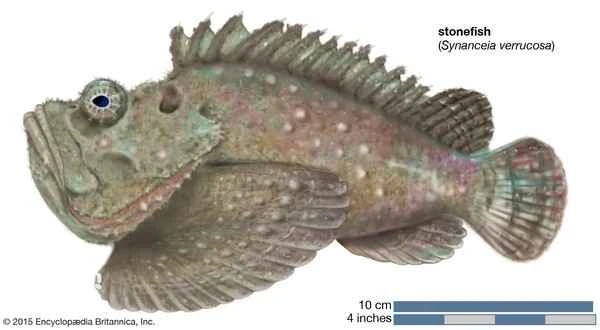
1. Stonefish (known as "the most painful sting for humans")
Stonefish, also known as poison scorpionfish, tops the list of most venomous fish, described as delivering the most intense and deadly sting to humans. Despite its unassuming appearance, measuring only about 30 centimeters in length, the stonefish skillfully hides on the seabed or in rock crevices, disguising itself as an ordinary stone. If someone unfortunately steps on it, the stonefish will retaliate without hesitation, releasing a deadly toxin. Its 12 to 14 sharp spines on its back are as sharp as needles, easily piercing the sole of a shoe and causing immediate poisoning, prolonged and severe suffering, and ultimately, death. This fish primarily inhabits the waters around the Xisha Islands and Taiwan, and is distributed across the Indian Ocean to the central Pacific Ocean.
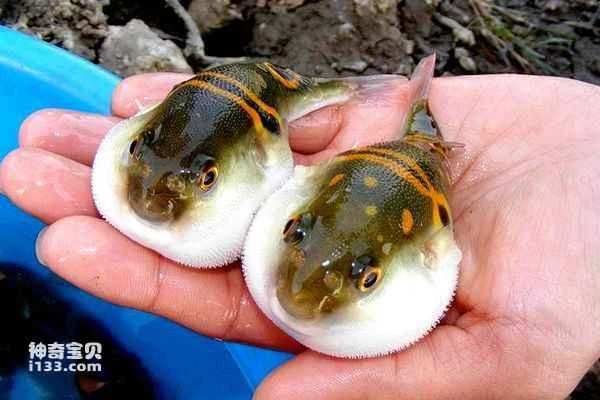
2. Pufferfish (minimum lethal dose for humans is 0.5 mg)
Pufferfish, also known as river pufferfish, is one of the most poisonous fish in the world, yet it is also a precious and high-end aquatic product, hailed as the "crown jewel of gastronomy." Pufferfish meat is exquisitely delicious; an ancient saying goes, "One taste of pufferfish meat, and all other flavors in the world are forgotten." However, improper handling or excessive consumption can be fatal. Pufferfish are rich in tetrodotoxin, a neurotoxin nearly a thousand times more toxic than potassium cyanide, making it one of the most toxic non-protein substances in nature. A concentration of one part per fifty million is enough to paralyze the nervous system within just 30 minutes; the minimum lethal dose for humans is only 0.5 milligrams. In Japan, people die every year from accidentally ingesting pufferfish toxin. Let this serve as a warning to others to avoid such a tragic fate.
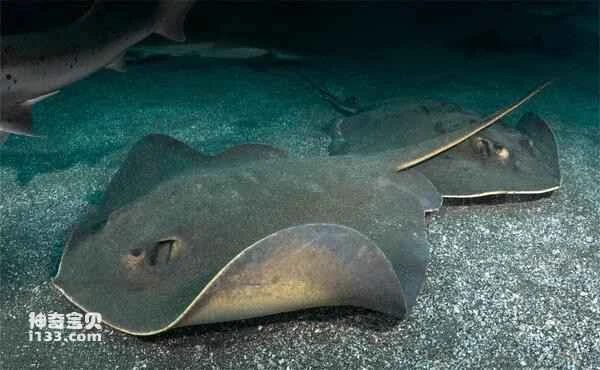
3. Stingray (redness, swelling, fever, and even death)
Stingrays rank high on the list of most venomous fish. They typically have long, slender tails, and many species possess one or more sharp, serrated venomous spines on their tails. A sting from these spines can cause swelling, fever, and even death. Therefore, fishermen often cut off the tails of stingrays before catching them to avoid accidental injury. The most notorious stingray is the red stingray, whose long, hard spines on the back of its tail are capable of piercing armor, and its base contains venom glands containing highly toxic liquid. Once stung by a stingray's spines, the venom is injected into the victim's body, causing severe pain in mild cases and even death in severe cases. Extreme caution is necessary to protect oneself.
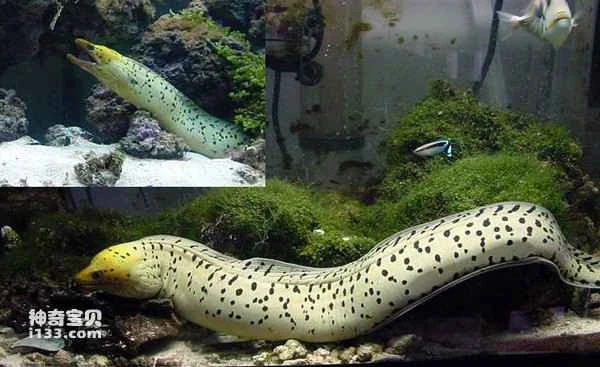
4. Yellow-edged naked-breasted eel (significant spasms/paralysis and high mortality rate)
The yellow-edged moray eel is one of the most venomous fish, frequently appearing on lists of highly poisonous species. Resembling an eel in appearance, it can reach a length of about 1 meter and is distributed in Taiwan and the South China Sea islands. While suitable for aquariums as ornamental fish, it is not suitable for consumption. Its serum contains a toxic protein called serotoxin, making it a typical example of a botulinum toxin-laden fish. Numerous cases of poisoning have been linked to its consumption, some resulting in death. Symptoms are severe, including convulsions and paralysis, with a high mortality rate. Reports of poisoning from ingesting yellow-edged moray eels have surfaced in Taiwan; therefore, extreme caution must be exercised when consuming fish.
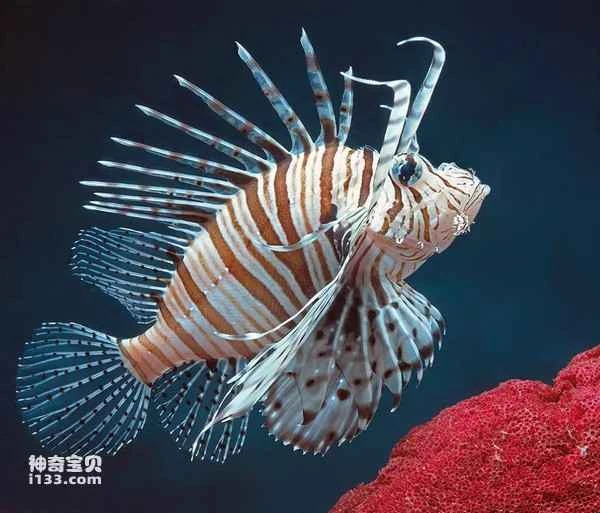
5. Lionfish (severe pain, difficulty breathing, fainting)
Lionfish, also known as lionfish, are among the ten most venomous fish. They are typically yellow with red to brown stripes and have 13 venomous spines along their backs. These spines are magnified and display vibrant colors to intimidate predators. Furthermore, lionfish have venom glands at the base of their fins and on the skin flaps around their mouths that secrete highly toxic venom. If a human is stung by a lionfish, they will experience severe pain, difficulty breathing, and may even faint. One common treatment is to immerse the injured area in hot water, but the best advice is to seek immediate medical attention for emergency treatment.
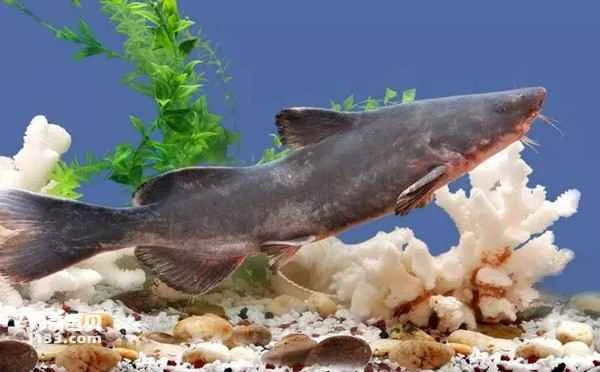
6. Long-snout catfish (severe pain, burning sensation, bleeding, and localized swelling)
The longsnout catfish, also known as the river catfish , is one of the ten most poisonous fish species. This fish is renowned for its delicious taste; it's often said that "without tasting the river catfish, one cannot know the true flavor of fish." Its swim bladder is particularly thick and, when dried, becomes the famous delicacy "fish maw," enjoying a high reputation both domestically and internationally, and is considered a top-grade freshwater edible fish. However, the longsnout catfish's dorsal and pectoral fin spines contain venom glands, making it one of the most venomous freshwater fish. A sting will cause immediate, intense pain and burning sensations; the wound may pierce and tear, resulting in bleeding and local swelling. In some cases, it may cause fever, pain, and itching at the injured site, which takes about half an hour to an hour to subside. Most stinging incidents occur during the catching process, therefore, extreme caution is required.

7. Eel catfish (caused by spasms, convulsions, paralysis, and tetanus)
The eel catfish is an important species on the list of venomous fish, widely distributed in the Indo-Pacific region, including East Africa, the Red Sea, Samoa, Korea, Japan, the South China Sea, Australia, and Lord Howe Island. The eel catfish has serrated spines on its dorsal and pectoral fins, which contain venom glands. Therefore, a sting from these spines causes extreme pain, making it a dangerous fish. The venom secreted by its spines contains eel catfish neurotoxin and eel catfish hemolytic toxin. A sting can cause excruciating pain, spasms, and paralysis lasting for tens of hours, and may even lead to tetanus. High vigilance should be maintained regarding this fish.
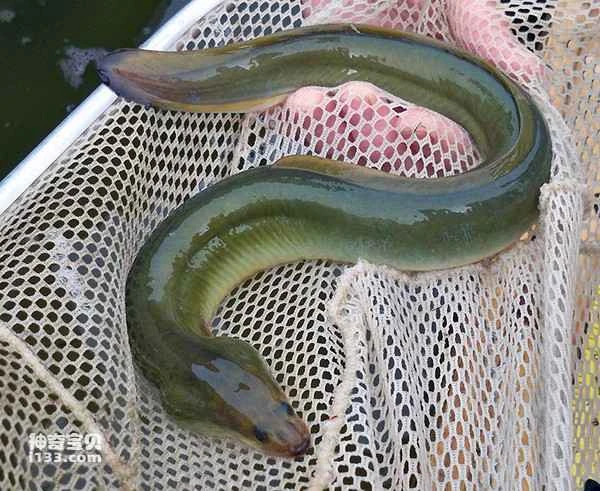
8. Eel (inflammatory, suppurative, and gangrenous)
Eels are poisonous fish. Although they are considered a high-end edible fish and a valuable export species, their blood contains serotoxin. This toxin is destroyed by heat or stomach acid digestion, but drinking raw eel blood can sometimes lead to poisoning. This toxin also has a strong irritant effect on mucous membranes. If damaged mucous membranes or injured fingers come into contact with eel blood, it can cause inflammation, abscesses, and necrosis. It can also lead to inflammation and infiltration of the lymphatic system, and in severe cases, tissue edema. To avoid accidental poisoning, avoid eating raw eels or drinking raw eel blood when purchasing them. Also, avoid contact between the oral mucosa, eye mucosa, and injured fingers and eel blood to prevent unnecessary inflammatory reactions.

9. Boxfish (contains toxic substances)
Boxfish are a type of shallow-water marine fish characterized by their bodies being mostly encased in a hard, box-like protective shell. Except for their fins, mouth, and eyes, the rest of their bodies are covered in thick, hard scales, allowing them to swim slowly. Some species have horn-like projections on their heads, hence the occasional nickname "cowfish." Boxfish are widely distributed in tropical and temperate waters worldwide. Their flesh is prized and often used in art pieces. However, boxfish are highly venomous. When caught or touched, they typically release a toxic substance that can kill any other fish that come into contact with them. Therefore, extreme caution is required when handling boxfish to avoid exposure to their toxicity.
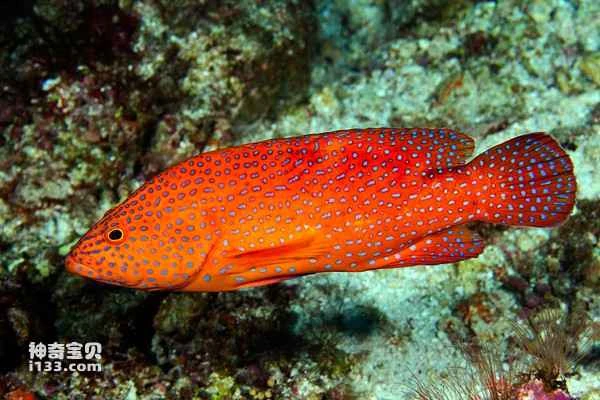
10. Blue-spotted nine-spined perch (internal organs are poisonous)
The Blue-spotted Nine-spined Bass is a well-known and delicious edible fish, suitable for steaming, boiling, or making soups. Its flesh is delicate and flavorful. Furthermore, it has both edible and ornamental value. However, despite being a common edible fish, its large size and reef habitat mean it can sometimes accumulate coral reef toxins, especially in its internal organs, due to its food chain behavior. In Taiwan, Blue-spotted Nine-spined Bass is a frequent cause of poisoning. In 1991 and 1995, poisoning incidents occurred in Taipei and Pingtung respectively, resulting in 5 and 3 people being poisoned after consuming this fish. The toxins in the internal organs of larger fish are particularly potent compared to smaller fish. Therefore, caution must be exercised when consuming Blue-spotted Nine-spined Bass or similar fish to avoid the unfortunate situation of poisoning.
The list of the world's ten most poisonous fish is primarily based on their toxicity and popularity, and also takes into account relevant internet rankings and lists. If you have any questions, please feel free to comment or offer criticism at the end.