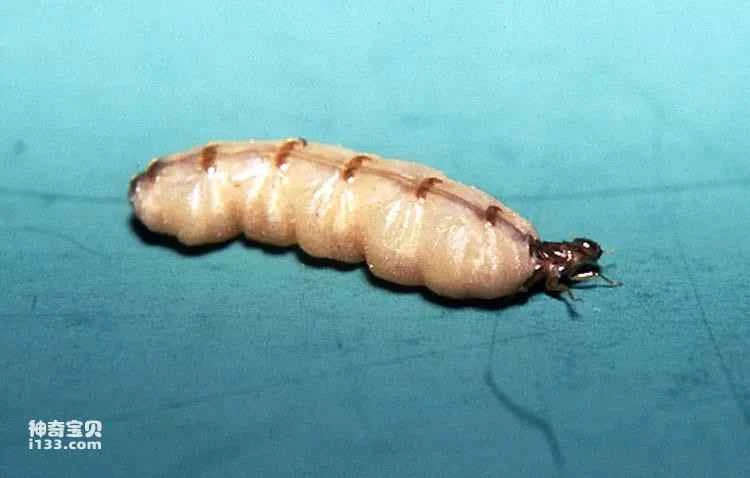
Ticks are parasites that attach themselves to mammals, birds, and reptiles, feeding on their blood. They not only harm their hosts but can also transmit various diseases, such as Lyme disease and cat scratch fever. While ticks play an important role in ecosystems, overpopulation can negatively impact human and animal health. Therefore, understanding the natural enemies of ticks and their impact on organisms is crucial.
natural enemies of ticks
In nature, several animals feed on ticks. Here are some of the main natural enemies of ticks:
Birds: Many birds, such as wild pigeons, robins, and sparrows, feed on ticks. They search for ticks in grass and branches while foraging, thus reducing the tick population.
Lizards: Some lizards, such as green iguanas and chameleons, also prey on ticks. The activities of these reptiles help control tick reproduction.
Small mammals: Some small mammals, such as rodents and rabbits, can catch ticks on their fur and remove them through routine cleaning behaviors.
Parasites: Some parasites, such as small nematodes and fungi, can also threaten ticks. These parasites live inside or outside the tick, causing it to die.
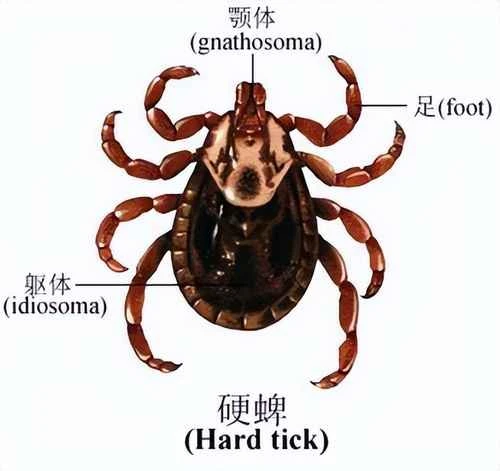
The impact of ticks on humans
The impact of ticks on humans is mainly reflected in the following aspects:
Disease transmission: Ticks are vectors for many infectious diseases, such as Lyme disease, Rocky Mountain spotted fever, and babesiosis. These diseases can cause serious health problems and even be life-threatening.
Allergic reactions: Some people have an allergic reaction to tick saliva, which may cause discomfort such as itchy skin and redness.
Psychological impact: After being bitten by a tick, many people feel panic and anxiety, worrying about possible diseases, which affects their mental health.
The effects of ticks on animals
Ticks pose a threat not only to humans but also to the health of animals:
Disease transmission: Ticks can transmit a variety of animal diseases, such as canine Lyme disease and canine babesiosis. These diseases can cause symptoms in animals such as weakness and loss of appetite.
Anemia: Numerous tick bites can cause blood loss in animals, leading to anemia and affecting their overall health.
Skin diseases: Tick bites can cause skin infections and inflammation, causing pain and discomfort to animals.
Habitat
Ticks typically inhabit the following environments: forests and bushes: especially under trees and shrubs, where they provide shelter and humidity. Grasslands and open fields: tall grass and bushes are common habitats for ticks. Moist environments: ticks prefer humid places and avoid direct sunlight.
Ticks are most active during the warm and humid season, usually from spring to autumn (about March to November), especially during the summer.
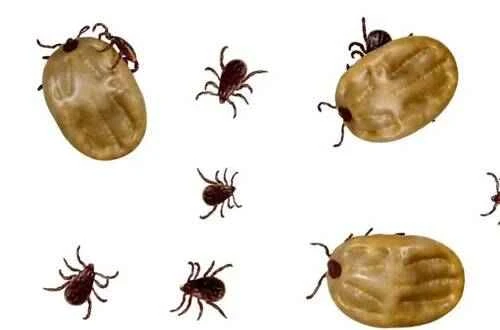
How to control tick populations
To reduce tick populations and their impact on humans and animals, the following measures can be taken:
Environmental management: Regularly trim grass and shrubs, keep the yard tidy, and reduce tick habitats.
Regular checks: Regularly check your pets and family members for ticks and remove them promptly if found.
Use a flea and tick repellent: Apply a specialized flea and tick repellent to your pet to prevent tick bites.
Education and awareness campaigns: Raise public awareness of ticks and the diseases they transmit, and enhance preventative measures.
Ticks play a role in the ecosystem, but their threat to human and animal health cannot be ignored. Understanding tick predators, their impact on humans and animals, and implementing effective control measures can effectively reduce tick populations and protect our health.
The following are the treatment methods for tick bites:
1. Remove ticks immediately.
Using tweezers or a dedicated tick removal tool, grasp the tick near the skin and gently pull it upwards. Make sure to remove the tick as completely as possible, avoiding leaving its mouthparts intact.
2. Disinfect the wound
Thoroughly wash the bite area with soap and water, then disinfect it with alcohol or iodine.
3. Observe the symptoms
Observe the bite site and the whole body for redness, swelling, itching, or other discomfort. If symptoms such as fever, headache, fatigue, or rash occur, seek medical attention promptly.
4. Record the time of the bite.
Note the time and location of the tick bite so that your doctor can assess the potential risk of infection.
5. Consult a doctor
If you have any concerns about tick bites, especially if you have been in an area with a high incidence of ticks, it is best to consult a doctor and get checked and treated if necessary.
6. Preventive Measures
In the future, try to wear long-sleeved clothing, use insect repellent, and regularly check yourself and your pets to reduce the risk of being bitten by ticks.