I. Lancang River, Xishuangbanna
The Lancang River is known as the "River of a Million Elephants" in the hearts of the Dai people of Xishuangbanna. Locals regard elephants as auspicious, and elephant-themed art forms are ubiquitous in daily life: for example, Buddhist temple murals depict the story of the Buddha's previous life—Prince Visendara—who gave a precious elephant to Meng (meaning village in the Dai language), a village severely affected by disaster.
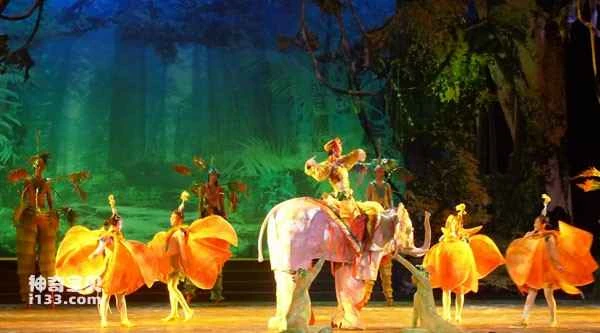
Cultural Factors in Asian Elephant Conservation: Xishuangbanna
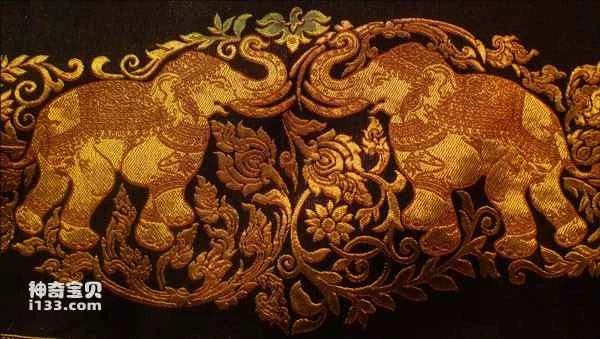
The Dai people's handwoven brocades feature various elephant patterns, among which the "Hundred Elephants Paying Homage to Buddha" and "Golden Elephant Carrying Flowers" patterns are particularly renowned. During major festivals, Dai men carry drums shaped like elephant feet—the elephant-foot drums—and perform the elephant-foot drum dance, mimicking the movements of elephants. Furthermore, the widely practiced Dai folk martial art, Elephant Boxing, is also choreographed by imitating various elephant movements…
II. Mekong River, Laos
Laos named its capital "Vientiane," meaning a place where many elephants gather.
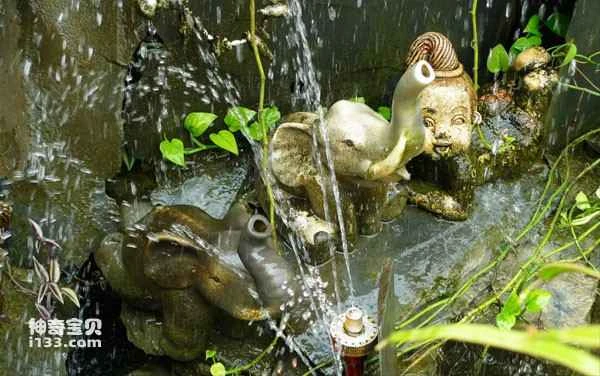
Even today, elephants remain sacred animals worshipped by the Lao people. Elderly women sprinkle perfume on elephants and collect the water that drips from their tusks and ears, smearing it on their grandchildren's heads, believing it will bring good luck. Some women even carry their children under the elephant's belly, supposedly to ward off misfortune and illness, and to make themselves and their children stronger and live longer. Elephant dung contains various plant residues, which the locals carefully collect and make into an ointment, said to have magical effects in daily life.
III. Mekong River, Thailand
Thailand is a major elephant-producing country in the world and is known as the "Land of Elephants".
In ancient Thailand, elephants were used as mounts in warfare, with the monarch riding a white elephant to enhance his divine power. Several famous ancient battles in Thai history were not only related to elephants, but elephants also played a crucial role in the fighting. As one Thai historian once said, "Without elephants, Thai history might have to be rewritten."
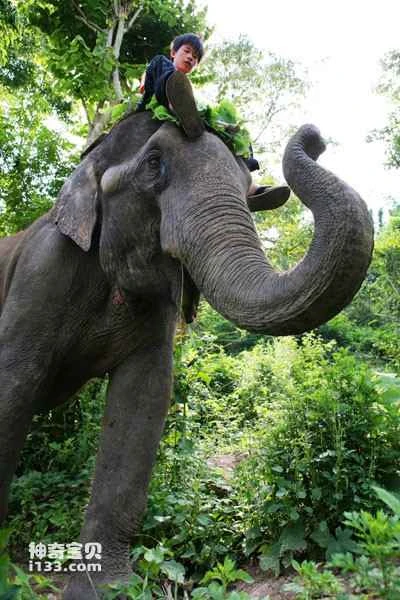
Cultural Factors in Asian Elephant Conservation: Thailand
It's worth mentioning that since forests cover more than half of Thailand's land area, locals train Asian elephants to transport timber. To this end, the Thai government established the world's first professional elephant training center in the north in 1968, jokingly referred to as the "Elephant School." Students at this "Elephant School" receive systematic training in timber transport from a young age, and after "graduation," they are assigned to work at forestry stations in mountainous areas throughout the country. If a female elephant becomes pregnant and gives birth, she takes "maternity leave" and receives appropriate care. When they reach old age, they go through "retirement" procedures and are sent to a special place to spend their "later years" in peace.