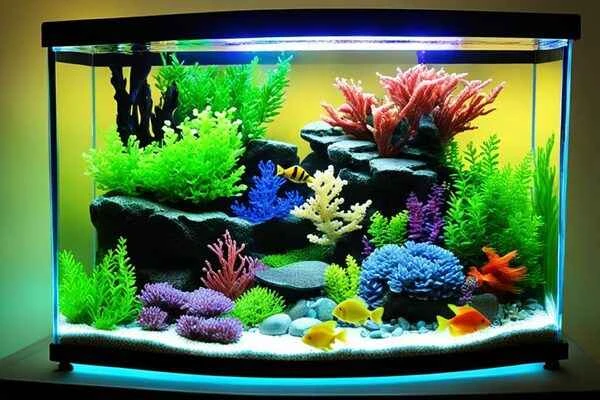
Setting up a home aquarium is a delightful experience, but it requires the right equipment to provide a healthy environment for your fish. This guide details all the essential equipment for a home aquarium , including their types, functions, and how to ensure the proper functioning of your aquarium ecosystem. Whether you're a beginner or a seasoned fishkeeper, this article will help you make informed choices.
1. Aquarium Filter: The Heart of the Aquarium
Why are filters important?
Filters are crucial for maintaining water quality, removing waste, leftover food, and harmful ammonia and nitrites. Without a proper filtration system, fish health can be quickly threatened.
Filter type
Mechanical filtration : Removes residues such as food scraps and fish waste.
Biofiltration : Cultivating beneficial bacteria to break down harmful toxins.
Chemical filtration : using activated carbon or resin to remove impurities and odors.
Filter type
Sponge filter : Suitable for small fish tanks or shrimp tanks.
Built-in filter : Affordable and suitable for small aquariums.
External canister filter : powerful and suitable for large aquariums.
Back-mounted filters (HOB) : Easy to operate, a popular choice for beginners.
Bottom sand filter : Uses bottom substrate for filtration, suitable for basic needs.
2. Aquarium water conditioner: Makes tap water safe to use.
Tap water typically contains chlorine, chloramines, and heavy metals, all of which are harmful to fish. Aquarium water conditioners can neutralize these chemicals, making the water safe. Additionally, some conditioners can support the fish's mucus layer, reducing stress.
3. Aquarium heater: Maintains a stable water temperature.
Most tropical fish require water temperatures between 75°F and 80°F (24°C to 27°C). An aquarium heater can ensure stable water temperatures and prevent fish from being injured by temperature fluctuations.
Heater type
Fully submersible heater : completely immersed in water, with precise temperature control.
External heater : Installed outside the aquarium, suitable for large aquariums.
Substrate heater : Heates from the bottom, making it especially suitable for aquariums with aquatic plants.
4. Aquarium lighting: Simulates natural light environment
Lighting not only enhances the aesthetics of the aquarium, but is also crucial for the photosynthesis of aquatic plants.
Types of aquarium lighting
LED lights : energy-saving and with adjustable spectrum, are currently the most popular choice.
Fluorescent lamps : economical, but have poor adjustability.
Metal halide lamps : suitable for deep aquariums, but may generate heat.
Incandescent lamps : Used less frequently and have low efficiency.
Proper lighting not only highlights the colors of fish and aquatic plants, but also supports the biological rhythms of aquatic organisms.
5. Water quality testing kit: Monitoring water health
Regular water quality testing is essential for maintaining a healthy aquarium environment. Testing kits can help detect:
ammonia content
Nitrates and nitrites
pH value
Total hardness (GH) and carbonate hardness (KH)
Frequent testing allows you to detect and resolve water quality issues before they harm your fish.
6. Fishing net and vacuum cleaner: Essential tools for maintaining a fish tank.
Fishing net
Fishing nets are an essential tool for safely transferring fish. Choose the appropriate size and material, especially for small or sensitive fish species.
Sewage cleaner
A sludge vacuum is used for changing water and cleaning substrate. It can remove waste and debris from the bottom without disturbing the fish.
7. Decorations and aquatic plants: Creating an attractive habitat
decorations
Decorations can provide hiding spaces for fish and reduce stress. Choose decorations that are safe for the aquarium and do not release harmful substances.
aquatic plants
Live aquatic plants : increase oxygen levels and beautify the environment. Recommended species include: Anna's Blood Plant, Staghorn Moss, and Amazonian Sword.
Artificial aquatic plants : easy to maintain, suitable for beginners.
Living aquatic plants can also help suppress algae growth, creating a more natural habitat for fish.
Frequently Asked Questions (FAQs)
1. What is the most important piece of equipment for a home fish tank?
Filters and water conditioners are key equipment for maintaining healthy water quality.
2. Does my fish tank need a heater?
If you are raising tropical fish, then a heater is needed. Cold-water fish (such as goldfish) usually do not need a heater.
3. Which type of filter is suitable for a small fish tank?
Sponge filters and built-in filters are ideal for aquariums under 20 gallons.
4. Will LED lights harm the fish?
No, LED lights are safe and, when properly adjusted, can enhance the color of fish.
5. Is it necessary to use live aquatic plants in a fish tank?
Live aquatic plants can improve water quality, but they are not essential. Beginners can start with artificial aquatic plants.
Setting up a home aquarium is a fun-filled journey, but the key to success lies in choosing the right equipment. From filters and lighting to aquatic plants and testing kits , each piece of equipment plays a vital role in the aquarium ecosystem. Use this guide to make informed choices and enjoy your own mini underwater world!