As human activities continue to expand, more and more animals face the risk of extinction. According to the International Union for Conservation of Nature (IUCN), more than 40,000 animal species worldwide are currently endangered to varying degrees, and the survival situation for endangered animals is becoming increasingly dire. From habitat loss to illegal hunting to climate change, these are all major causes of animal extinction. So today, let's take a closer look at ten endangered animals, examine the plight they face, and what we can do to protect them.
What are endangered animals?
Before learning about the specific ten endangered animals, we first need to understand what "endangered animals" are. Endangered animals are species that have already faced or are about to face extinction due to various factors such as habitat destruction, overhunting, and climate change. According to the IUCN Red List, endangered animals are classified into "critically endangered," "endangered," and "vulnerable," with critically endangered animals requiring the most attention.
Why should we protect endangered animals?
Protecting endangered animals is not only part of protecting the natural environment, but also crucial for maintaining ecological balance. Endangered species play vital roles in ecosystems; the extinction of a species can impact the entire food chain, thereby disrupting ecosystem stability. For example, the extinction of a large predator could lead to a surge in herbivorous populations, impacting plant growth and soil health. Therefore, protecting endangered animals is not just about protecting a single species, but about ensuring the health of the entire ecosystem.
Top Ten Endangered Animals
1. Amur Leopard
Scientific name: Panthera pardus orientalis
Current status: Critically endangered
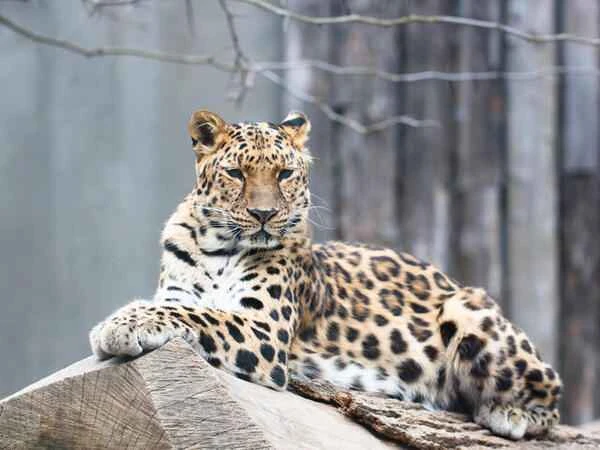
The Amur leopard is a beautiful big cat that inhabits the Russian Far East and Northeast China. Only about 100 wild Amur leopards remain worldwide. Their habitat is threatened by deforestation and human activities, making Amur leopard conservation a significant challenge. Through strengthened anti-poaching and habitat protection measures, the Amur leopard population has shown some recovery.
2. Javan rhinoceros
Scientific name: Rhinoceros sondaicus
Current status: Critically endangered

The Javan rhinoceros is found only in Udon Kurun National Park in Indonesia. Due to habitat loss and poaching, its population has plummeted, with only about 70 individuals remaining in the world. Protecting their habitat and preventing illegal hunting is currently a top priority.
3. Vakita dolphins
Scientific name: Phocoena sinus
Current status: Critically endangered
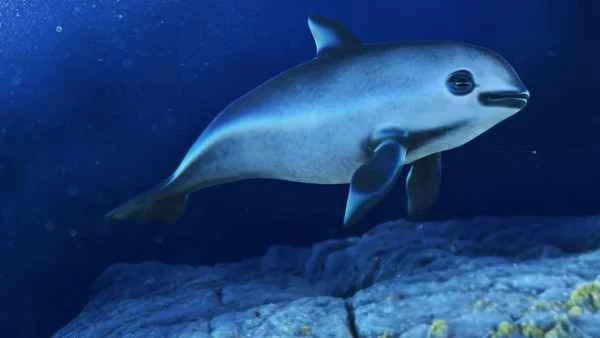
The Vácita dolphin is one of the world's most endangered marine mammals, inhabiting the Gulf of Galfo in Mexico. Due to illegal fishing, they are often caught in fishing nets. Currently, fewer than 10 Vácita dolphins remain globally, and without increased conservation efforts, they may soon become extinct.
4. Sumatran orangutan
Scientific name: Pongo abelii
Current status: Critically endangered
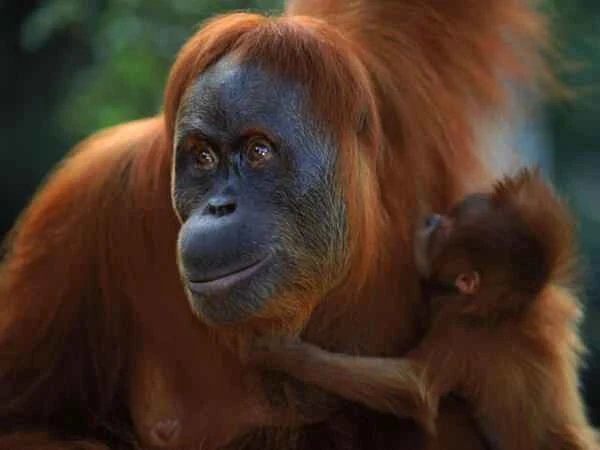
The Sumatran orangutan is a subspecies of orangutan found only on the island of Sumatra. Due to significant habitat loss, their population has plummeted to less than 10,000 individuals. Illegal logging, oil palm cultivation, and forest fires are the main threats they face. Protecting forests and combating illegal logging have become key priorities in their conservation efforts.
5. Kakapo Parrot
Scientific name: Strigops habroptilus
Current status: Critically endangered
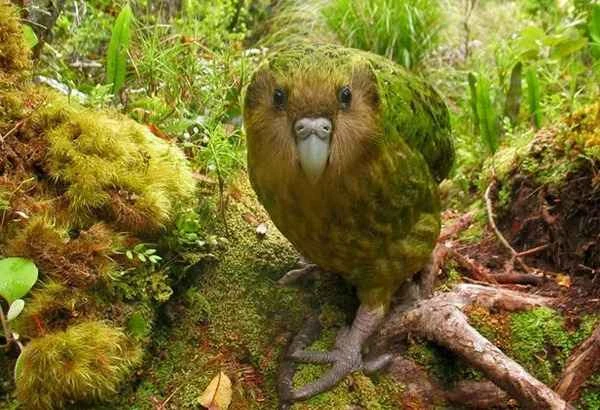
The Kakapo is a flightless parrot endemic to New Zealand, with fewer than 250 individuals remaining worldwide. Because of their inability to fly, the Kakapo has become prey for invasive species such as rats and raccoons. To protect this species, the New Zealand government has relocated all known Kakapo to islands free from predators.
6. Yangtze alligator
Scientific name: Crocodylus sinensis
Current status: Critically endangered
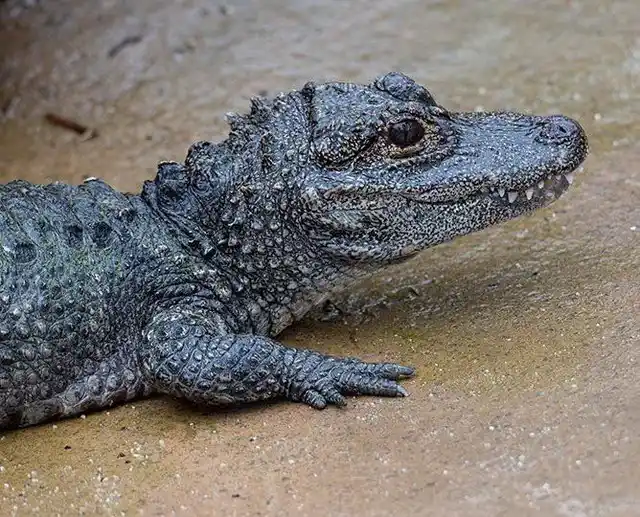
The Chinese alligator is a crocodile species endemic to China, inhabiting the Yangtze River basin. Due to habitat destruction and poaching, the number of Chinese alligators has declined drastically, with fewer than 100 remaining in the wild. The Chinese government has taken conservation measures and initiated artificial breeding and habitat restoration projects.
7. Saiga antelope
Scientific name: Saiga tatarica
Current status: Critically endangered
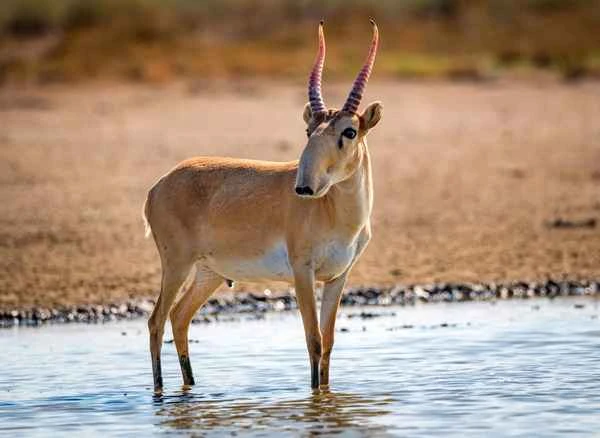
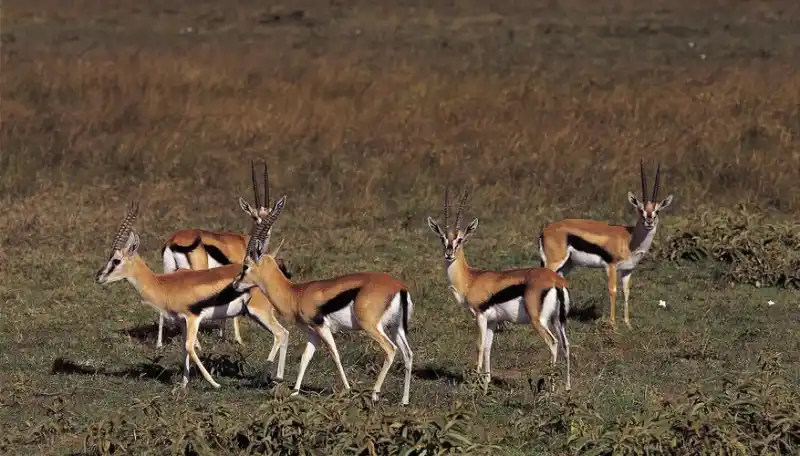
The saiga antelope is found in Central Asia, and its population has declined sharply due to overhunting and habitat loss. Sudden deaths of saiga antelopes (such as mass deaths caused by disease) have also contributed to their population crisis.
The saiga antelope ( Saiga tatarica ) is extremely rare and critically endangered. According to the latest data from the International Union for Conservation of Nature (IUCN), the saiga antelope population is estimated at around 50,000 , but this number has been steadily declining in recent years. In particular, a mass die-off in 2015 resulted in the deaths of tens of thousands of saiga antelopes, drastically reducing their population.
The saiga antelope is mainly distributed in the grasslands and arid regions of Central Asia, particularly in parts of Kazakhstan, Mongolia, and Russia. Due to habitat loss, poaching, and disease transmission, the saiga antelope faces immense survival pressure. Current conservation efforts include strengthening habitat protection, restricting poaching, and controlling diseases.
Despite the challenges, conservation efforts for the saiga antelope are ongoing, with measures such as artificial breeding and habitat restoration being implemented in some areas to help restore its population.
8. Amur Tiger
Scientific name: Panthera tigris altaica
Current status: Endangered
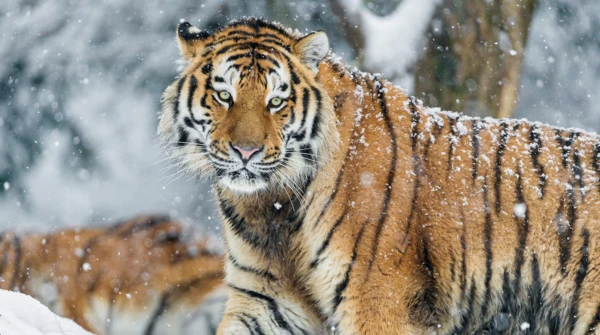
The Amur tiger is the largest tiger subspecies in the world, inhabiting the Russian Far East. Due to habitat destruction and poaching, the Amur tiger population has dwindled to approximately 500. Protecting the Amur tiger's habitat and strengthening anti-poaching efforts have become the most urgent tasks.
9. African Wild Dog
Scientific name: Lycaon pictus
Current status: Endangered
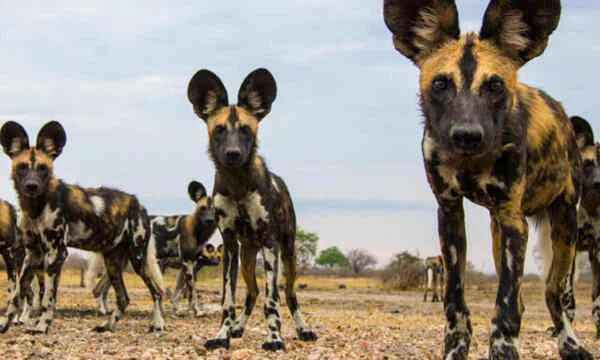
African wild dogs are among the major predators in Africa, and their habitat has been severely damaged over the past few decades. Overhunting, disease transmission, and human activity have reduced the African wild dog population to approximately 660 individuals remaining in the wild.
10. Three-toed sloth
Scientific name: Bradypus pygmaeus
Current status: Critically endangered

The three-toed sloth is a sloth found only on the island of Panama, and its population has dwindled to less than 100 individuals due to habitat loss. These sloths face immense survival pressure due to the impact of human activities on the island. Strengthening island protection and preventing illegal logging are crucial for their conservation.
Major threats to endangered animals
Habitat loss
Habitat destruction is one of the greatest threats facing endangered animals. With urbanization and the expansion of agricultural land, the habitats of many animals are being destroyed. Deforestation, wetland drainage, and other factors have deprived many animals of their homes. For example, Sumatran orangutans are losing habitat due to oil palm cultivation, leading to a shrinking living space.
Poaching and illegal wildlife trade
Illegal hunting and the wildlife trade are another major threat to endangered animals. Animal fur, horns, and teeth are considered luxury items, leading to their hunting. For example, poaching has caused a sharp decline in the numbers of rhinos and tigers.
Climate change
Climate change has had a profound impact on the survival of plants and animals. Rising temperatures, changing precipitation patterns, and extreme weather events make it difficult for many animals to adapt to new environments, and even directly threaten their survival. For example, the habitat of the Vakita dolphin is deteriorating due to climate change, further increasing its risk of extinction.
Protection measures for endangered animals
Artificial breeding project
Artificial breeding is an effective means of helping endangered animal populations recover. By controlling the breeding process, scientists can effectively increase the reproductive success rate of species and release them back into the wild when appropriate. The Kakapo parrot and the Chinese alligator have both benefited from artificial breeding programs.
Habitat restoration
Protecting existing habitats and restoring destroyed habitats are crucial measures for protecting endangered animals. Forest restoration projects and wetland conservation can provide better living spaces for endangered species. For example, habitat conservation efforts for the Amur leopard and Amur tiger have yielded some success.
Legal protection
The international community is increasingly emphasizing the protection of endangered animals. Establishing protected areas, enacting relevant laws, and strengthening anti-poaching efforts can effectively reduce illegal hunting and trade. For example, in the protection of the Yangtze alligator, the government has enacted strict laws to protect them from poachers.
Conclusion
Protecting endangered animals is everyone's responsibility. By supporting conservation projects, raising public awareness, and participating in environmental protection actions, we can provide greater protection for these plants and animals. The world's top ten endangered animals serve as a wake-up call, but we can still fight for their survival. If everyone contributes a little to protecting these species, the Earth will become a better place.