Armadillos are fascinating creatures, attracting many with their distinctive armored shells, unique appearance, and curious behavior. While these animals aren't as common as cats or dogs, keeping an armadillo as a pet is possible. In this article, we'll explore whether armadillos are suitable pets, how to choose the right one, and how to feed and care for them.
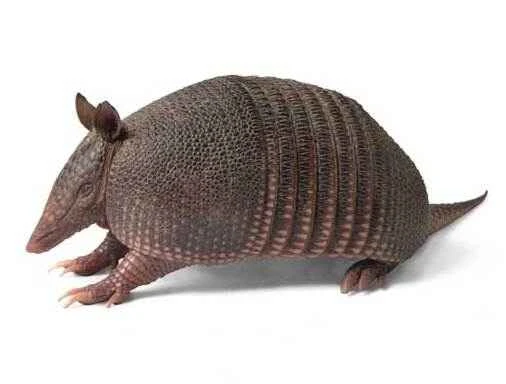
armadillo
Are armadillos suitable as pets?
While armadillos are fascinating and often misunderstood animals, they are not traditionally considered pets. Nevertheless, some people do keep armadillos as pets, especially in their native regions such as the southern United States, Central America, and South America.
Before deciding whether to keep an armadillo, it's important to consider the following factors. Armadillos are wild animals, and although they can be domesticated to some extent, they retain some instincts that make them challenging pets. Armadillos typically enjoy digging, are nocturnal, and their diet may be difficult to replicate entirely in a home setting.
If you're considering getting an armadillo as a pet, here's what you need to know.
How to choose a suitable armadillo as a pet
Not all armadillos are suitable as pets. The most common breed kept as a pet is the nine-banded armadillo (Dasypus novemcinctus). This breed is easier to keep in captivity compared to other armadillo species, but they still require specific living conditions.
Factors to consider when choosing an armadillo:
Legality: Before deciding to keep an armadillo, you must first ensure that keeping armadillos is legal in your area. Many places have strict laws regarding the keeping of exotic species, so it is necessary to understand the local laws.
Age: Young armadillos are generally easier to tame and adapt to a family environment. Raising a baby armadillo is very helpful in building a close bond.
Health Status: As with any pet, choosing a healthy armadillo is very important. Observe whether the armadillo has healthy eyes, clean fur, and active behavior. If you choose to adopt from a breeder or rescue center, ensure they receive proper care.
Space requirements: Armadillos need ample space to move around and burrow. Ensure you have suitable space to provide them with a proper living environment, whether it's an indoor enclosure or an outdoor fence.
Armadillo Dietary Guide
Providing armadillos with the right diet is an important part of their care. Armadillos are primarily insectivorous, but in the wild they also eat small animals, fruits, and plants. In captivity, it is crucial to mimic their natural diet as closely as possible.
Armadillo diet:
Insects: Crickets, mealworms, and earthworms are the main food source for armadillos. These insects need to be fresh and free from chemical contamination, and it is best to purchase them from reliable suppliers.
Small animals: In the wild, armadillos will occasionally eat small mammals or bird eggs. You can occasionally offer them cooked eggs or small mammals, but avoid feeding them raw meat.
Fruits and vegetables: Although insects are a major part of the armadillo's diet, they also enjoy a variety of fruits and vegetables. Small amounts of bananas, apples, grapes, carrots, and sweet potatoes can be provided.
Specialized food: Some armadillos also prefer food specially designed for exotic pets, which usually contains additional nutrients such as vitamins and minerals.
Feeding tips:
Feed 2 to 3 times a day, providing a balanced and varied diet.
Change the water source daily to keep it clean.
Avoid feeding your baby processed foods and human junk food, as these can lead to health problems.
How to care for the living environment of armadillos
Armadillos are burrowing animals, and their habitats need to accommodate this natural behavior. Whether kept indoors or outdoors, providing a comfortable and safe living environment is crucial.
Indoor armadillo keeping:
Enclosure size: Armadillos need a spacious enclosure that allows them to move around freely. The minimum recommended size for an indoor enclosure is 4 feet x 6 feet, and the floor should be firm (avoid using wire mesh, as their feet may get stuck).
Base material: Mattress materials such as wood chips, soil or sand can be used to mimic the natural environment and give armadillos the opportunity to dig burrows.
Temperature and humidity: Armadillos prefer warm environments. The enclosure temperature should be maintained between 75°F and 85°F (24°C to 29°C), with moderate humidity. Heat lamps or heating pads can be provided to ensure a warm environment.
Hiding places: Provide armadillos with a small space or tunnel where they can hide so they can feel safe when needed.
Outdoor fencing:
If you live in a climate suitable for keeping armadillos and have enough space, an outdoor enclosure can be a good option. Like indoor enclosures, outdoor enclosures require sufficient space, secure fencing, and materials for digging. It's also important to ensure the area is free from predators and has adequate shade and shelter from the wind.
How to care for the health and well-being of armadillos
In addition to providing the right diet and habitat, armadillos also need regular health care.
Veterinary care:
Armadillos should have regular veterinary checkups, especially by veterinarians who specialize in treating exotic animals. They may need vaccinations, deworming treatments, and checks for health problems such as skin diseases.
Armadillos are also susceptible to infections such as leprosy (although rare) and parasites such as ticks and fleas, so maintaining their health and having them checked regularly is very important.
Socialization and enrichment of the environment:
Armadillos are typically solitary animals, but they still require a certain amount of psychological and physical stimulation to thrive in captivity. Providing toys, safe outdoor time, and opportunities for digging and exploration can help keep them active and prevent boredom and stress.
Establish a connection with armadillos through gentle contact, but keep in mind that they can be timid at times and may not always be willing to interact.
In conclusion: Are armadillos suitable pets?
Armadillos can certainly make fun pets, but they have their own unique care needs. Their diet, habitat, and social needs are quite different from common pets like dogs and cats. If you're considering getting an armadillo, make sure you've done your research, can meet their needs, and that local laws allow armadillo ownership.
With proper care and attention, armadillos can make a unique pet, offering a truly special pet experience. However, please ensure you are prepared to take on the responsibility of caring for these amazing animals.