Scientific classification of the ruff
The Ruff Sandpiper (Philomachus pugnax) is a bird belonging to the class Aves and the family Scolopacidae. Below is its detailed scientific classification information:
Kingdom : Animalia
Phylum : Chordata
Class : Aves
Order : Charadriiformes
Family : Scolopacidae
Genus : Philomachus
Species : Ruff Sandpiper (Philomachus pugnax)
Other names: Collared Sandpiper
Foreign name : ruff (Calidris pugnax)
Species and related species of the ruff.
The genus *Philomachus* contains only one species, and therefore has no close relatives. This genus exhibits distinct sexual dimorphism, with males displaying very unique breeding season characteristics, such as a bright crest and courtship dance.
Relationship between genus and family : The Ruff Sandpiper shares similar biological characteristics with other sandpipers (such as the Sandpiper and the Bar-headed Sandpiper), especially in habitat selection and diet. These birds are all predatory birds that primarily feed on small invertebrates.
The scientific name of the Ruff Sandpiper , Philomachus pugnax, includes "Philomachus" which means "fighting enthusiast," reflecting the aggressive behavior of males during the breeding season; and "pugnax" which means "aggressive," emphasizing the competitive nature of males during courtship.
This classification makes the Ruff Sandpiper a unique member of the Sandpiper family, especially in terms of sexual dimorphism and courtship behavior, providing ornithologists with a valuable model for studying sexual selection and sexual differentiation.
The Ruff is a bird with significant sexual dimorphism and unique courtship behavior. Its biological characteristics, habitat, and migration patterns provide valuable research data for ecologists. This article will delve into various aspects of the Ruff, providing detailed information and the latest scientific research findings to better understand this species' ecological status, conservation status, and role in biodiversity.
History of Zoology
The ruff belongs to the Scolopacidae family and was first formally described by Western scientists in the 16th century. The species' scientific name, Philomachus pugnax, comes from Latin; "Philomachus" means "fighting," while "pugnax" refers to "aggressive or combative," accurately reflecting the competitive behavior exhibited by male ruffs during the breeding season.
The ruff has a significant historical record across multiple cultures, particularly in Europe. As a representative of wetland birds, it has long been a subject of waterbird observation. However, habitat degradation has led to various threats to ruff populations, prompting in-depth research by the biological community.
Morphological characteristics and physical properties
The ruff is a medium-sized bird, with adults typically measuring 25-30 cm in length, a wingspan of 50-60 cm, and a weight between 80 and 200 grams. The following are the main morphological characteristics of the ruff:
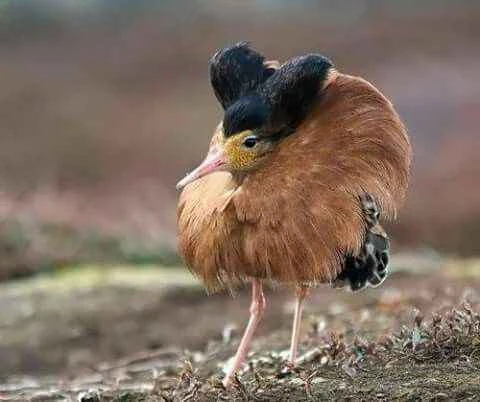
Male characteristics : Male ruffs display their sexual dominance during the breeding season with striking plumage. Males have brightly colored plumage, a distinctive crest, and upturned tail feathers, which are further enhanced, especially during courtship, to attract females.
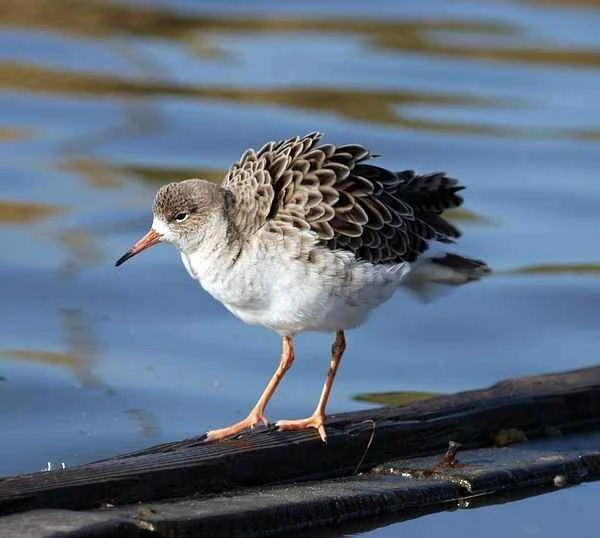
Female characteristics : Female ruffians have a more understated plumage, typically appearing greyish-brown or light brown, which helps them maintain concealment during incubation. Compared to males, females are smaller and possess stronger camouflage abilities.
Body shape : They have long, slender legs, which are suitable for foraging in wetlands, and long, straight, and sharp beaks that can penetrate into the mud or water to find food.
Global distribution and habitat
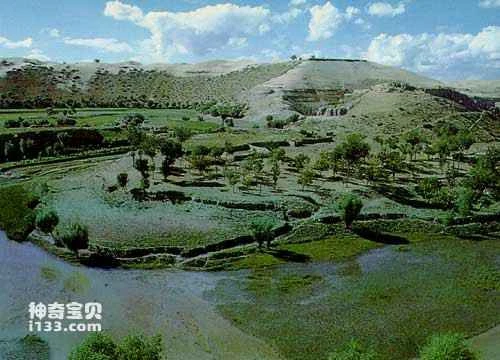
The Ruff Sandpiper is widely distributed in wetlands and marshes across Europe, Asia, and North Africa. Its habitats include damp grasslands, wetlands, lakes, and coastal mudflats. In spring , the Ruff Sandpiper migrates to inland wetlands in Europe and Asia to breed, while in winter it migrates to the Mediterranean and sub-Saharan Africa.
Habitat : Ruffs prefer wetland and grassland environments, especially those with low water levels and abundant vegetation. In wetland environments, they typically inhabit mudflats or riverbanks with sufficient vegetation and water sources.
Habitat threats : Wetland degradation, agricultural expansion, and urbanization are the main threats to the ruff's habitat. The reduction of global wetland area directly affects the ruff's habitat and foraging environment, especially in Northern and Eastern Europe.
Ecology and Behavior
The ruff's ecology and behavior are quite unique among birds. The most distinctive feature is the male's reproductive behavior, especially their courtship dance. During the breeding season, males attract females by expanding their crests, displaying brightly colored feathers, and performing dances. These behaviors not only reflect competition among males in sexual selection but also provide ornithologists with important insights into sexual dimorphism and theories of sexual selection.
Courtship behavior : Male ruffs will choose an open area and attract females by displaying their plumage, dancing, and calling. These behaviors are usually accompanied by exaggerated body movements, such as rapidly spinning their bodies and raising their tail feathers.
Social behavior : Ruffs are somewhat social, especially outside the breeding season, and they usually live in groups. Within the group, males compete for mating rights, while females choose the strongest male as their mate.
Migration patterns
The ruff is a typical migratory bird . Their migration routes typically extend from their breeding grounds in Europe and Asia to warmer regions such as the Mediterranean, North Africa, and South Africa. The ruff's migration is highly seasonal, often involving long-distance migrations in response to changes in temperature and food resources.
Breeding season : Ruffs typically breed in wetlands of Northern Europe, Russia, and Asia. The arrival of the breeding season is closely related to warm weather and abundant food resources.
Non-breeding season : After the breeding season, the ruff migrates to warmer Mediterranean regions and Africa for the winter. During this time, the ruff stays in wetlands and salt flats to continue foraging and recovering its strength.
Diet and foraging strategies
The ruff is an insectivorous bird that feeds primarily on insects, worms, small crustaceans, and other aquatic invertebrates. It uses its long, slender beak to catch these small animals from the water or mud.
Foraging behavior : When foraging, ruffs typically dip their beaks into the water or mud, using their keen sense of smell and sight to locate food. They usually live in groups to protect each other and share foraging resources.
Breeding of the Ruff Sandpiper
The Ruff ( Philomachus pugnax ) exhibits highly distinctive behavior and significant sexual dimorphism during the breeding season. Males display specific characteristics and behaviors designed to attract females and gain a competitive edge. The following is a detailed account of the Ruff's breeding process and related features:
Breeding season
The breeding season for ruffs typically lasts from late spring to early summer (May to July), during which time males begin to breed. They migrate to suitable breeding grounds, usually choosing open habitats such as marshes, wetlands, or grasslands. Males attract females through courtship behaviors and establish "courtship grounds" at the breeding sites—areas they usually carefully select and maintain themselves.
Sexual dimorphism and courtship behavior
Sexual dimorphism is very pronounced in ruffs, especially in males. During the breeding season, males become highly visible, their plumage becoming more vibrant, particularly the feathers on their necks and heads, forming a crest-like covering. Males also display themselves through a distinctive courtship dance, typically involving puffing up their neck feathers, emitting high-pitched calls, and leaping and spinning on the ground. They use this to demonstrate their health and genetic superiority.
Females are relatively low-key, with more subdued plumage, and primarily choose mates from males who possess the best dancing and territoriality. Females typically choose from several males, prioritizing those who demonstrate strong physical prowess and excellent dancing.
Mating and Nest Site Selection
Once a male wins the favor of a female, they will mate. Mating in ruffians is usually brief and efficient. After mating, the female will choose a relatively secluded location to build a nest, typically on the ground, using grass, bushes, or wetland plants to construct a simple nest.
Egg laying and hatching
The Ruff's eggs are typically 2 to 4, grayish-green or brown with dark spots on the surface. The female is responsible for incubating the eggs, which takes about 22 days. During incubation, the male patrols the vicinity to ensure that no predators invade its territory and nest.
The growth of young birds
Once hatched, the chicks are cared for by their mother in the nest until they are able to become independent. For the first few days after hatching, ruff chicks are completely dependent on their mother for food, primarily small invertebrates and insects. As they grow, the chicks gradually learn to forage and begin exploring their surroundings.
Ruffalo chicks grow rapidly and can begin to fly about 3 to 4 weeks after hatching. Nevertheless, the chicks still need the protection of their mother until they can survive independently.
Reproductive success rate and environmental factors
The breeding success rate of the ruff is influenced by a variety of factors, including habitat quality, climate conditions, food availability, and predator threats. In some years, due to abnormal climate or habitat degradation, the breeding success rate of the ruff may decline, which is one of the reasons for fluctuations in their population.
Special behaviors of reproduction
Male breeding behavior in the ruff is highly social, with males competing for females during the breeding season by displaying dances and engaging in territorial battles. These complex reproductive behaviors are not only an important part of the ruff's reproductive biology but also provide valuable data for ornithologists studying theories of sexual selection.
During the breeding season, male ruffs typically compete with other males for territory, exhibiting strong territoriality and aggressive behavior. Dances and vocal contests between males are often important factors in determining mate selection.
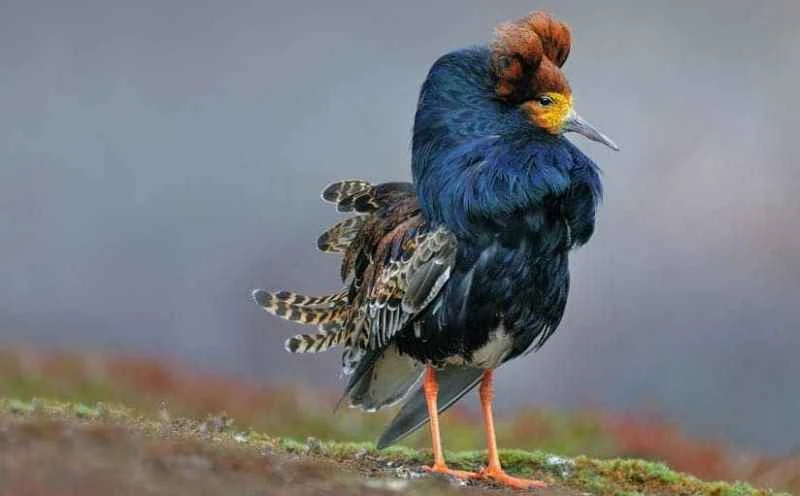
The breeding behavior of the ruff is unique among birds. Males attract females and compete for breeding opportunities through vibrant plumage, complex courtship dances, and intense territorial competition. Females, in turn, select based on the males' performance, a process that demonstrates the powerful driving forces of sexual selection and adaptation. Despite the numerous risks involved in reproduction, the ruff's breeding strategy effectively ensures the survival and continuation of the species.
Current status and protection level
According to the International Union for Conservation of Nature (IUCN), the Ruff is currently listed as Near Threatened . Its population is threatened by habitat degradation and environmental pollution, particularly in parts of Europe and Asia.
Habitat destruction : Wetland degradation, agricultural activities and urban expansion have severely impacted the habitat of the ruff.
Conservation measures : Protecting wetland ecosystems, reducing human disturbance, and strict hunting regulations help protect the habitat of the ruff.
Population status and major threats
The population of the ruff has declined in some areas. Habitat destruction, wetland drying, and the expansion of agricultural activities are the main threats. In addition, changes in migration routes caused by climate change and global warming have also affected the survival of the ruff.
Natural enemies : The main natural enemies of the ruff include birds of prey and foxes, which usually prey on chicks when they are hatching or when flocks are migrating.
Protective measures
To protect the ruff, numerous international organizations and national governments have taken action, including wetland conservation, habitat restoration, and environmental monitoring. These measures help reduce the negative impacts of human activities on the ruff's habitat, while strengthening conservation efforts through legal protection and international cooperation.
Ecological value and economic value
The role of the ruff in the ecosystem is undeniable; they are an important part of wetland ecosystems, helping to regulate the population of small invertebrates. Furthermore, as a migratory bird, the ruff is a focus of attention for many birdwatchers and ecotourists, possessing significant economic value in ecotourism.
The ruff not only has important value in ecological conservation, but also provides economic support for local tourism and the development of nature reserves.