When you think of mammals, the first characteristics that come to mind are probably homeothermic, viviparous, and fur. However, did you know that some mammals actually lay eggs? These unique creatures belong to the order Monotremes, and they retain features similar to reptiles. This article will delve into egg-laying mammals, exploring these species, their reproductive methods, and how they differ from other mammals.
What are egg-laying mammals?
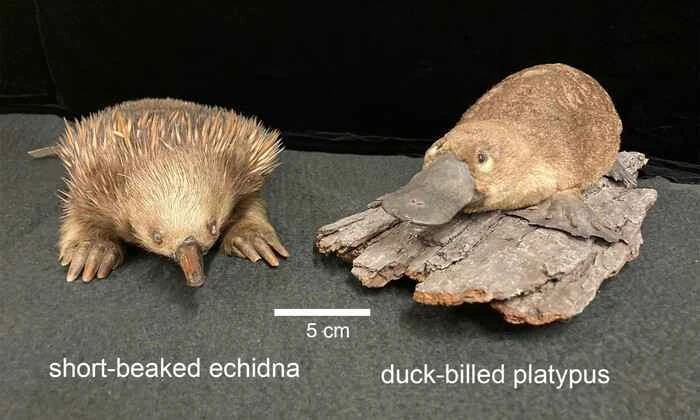
Egg-laying mammals, also known as mammals that lay eggs, are a very unique and rare group of creatures. The two most representative examples are the platypus and the echidna. They both belong to the monotremes, a group of mammals that are distinctly different from viviparous mammals and marsupials.
Monotremes are considered the most primitive extant mammals, and their characteristics are more closely related to reptiles than other mammals. Unlike viviparous mammals, monotremes reproduce by laying eggs. This evolutionary phenomenon provides us with many unique insights into mammalian evolution.
Platypus: an egg-laying mammal
The platypus is one of the most well-known egg-laying mammals. Living in Australia, they are famous for their duck-like beak, webbed feet, and venomous quills on their hind legs. Platypus egg-laying is a very rare phenomenon among mammals, making their incubation process a fascinating subject to observe closely.
Female platypuses typically lay one to three eggs at a time, which incubate in underground nests for about ten days. The hatchlings are nursed by their mother, but platypuses do not have nipples; instead, they secrete milk through openings in their skin, which the young absorb through their fur.
Echidna: Another egg-laying mammal
Besides the platypus, the echidna (also known as the hedgehog) is another egg-laying mammal. Echidnas live in Australia and New Guinea and also belong to the order Monotremes. Similar to the platypus, the echidna has a unique reproductive method: it typically lays only one egg at a time, which incubates in the mother's abdominal pouch.
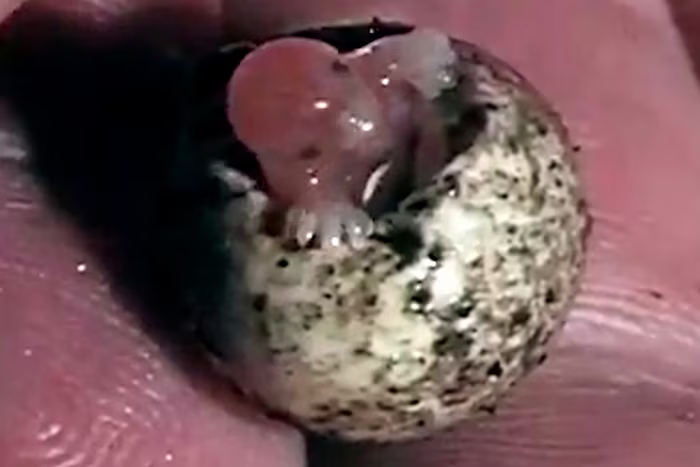
Echidna eggs have soft shells, not hard shells, similar to reptile eggs. After about ten days, the eggs hatch, and the pups (also called "puggles") are raised by their mothers for several months until they are able to live independently.
Monotremes: The Evolution of Egg-Laying Reproduction
Monotremes, such as the platypus and echidna, are the most primitive living mammals. They provide us with the opportunity to observe the early stages of mammalian evolution, revealing the evolutionary process from reptiles to viviparous mammals.
Unlike viviparous mammals (such as humans, dogs, and whales), monotremes reproduce by laying eggs. Their reproductive method shows characteristics similar to reptiles, which is what makes them unique among mammals.
Egg-laying mammals: A comparison with viviparous mammals
Egg-laying mammals (monothrix) exhibit significant reproductive differences from viviparous mammals. Viviparous mammals nurture their embryos within the mother's body via the placenta, and the fetus is born fully developed. This reproductive method allows the offspring to be born with a certain degree of survival ability.
In contrast, egg-laying mammals rely on external incubation to complete their reproduction. Monotremes typically incubate their eggs in underground nests or within the mother's pouch. During incubation, the young are not fully developed and must rely on their mother's care and nursing to survive independently after several months.
The unique features of monotremes: Understanding their peculiar biology
Monotremes have many amazing and unique characteristics. Here are some key facts about these creatures:
Monotremes are the only mammals that lay eggs.
They combine characteristics of reptiles and mammals, such as laying eggs like reptiles, but also nursing like mammals.
Both platypuses and echidnas have spines on their hind legs, a very rare feature among mammals.
Platypuses typically lay their eggs in underground nests, while echidnas incubate their eggs in a special pouch.
Monotremes are native to Australia and New Guinea and are considered an evolutionary transition between reptiles and mammals.
The importance of egg-laying mammals to evolution
Egg-laying mammals play a crucial role in understanding mammalian evolution. By studying monotremes, scientists have been able to understand how mammals evolved from reptiles, revealing the transition process from reptiles to mammals.
Although monotremes are considered "primitive," they play a crucial role in the mammalian evolutionary tree. Their egg-laying reproductive methods help us better understand the different reproductive strategies within mammals and highlight the adaptability of life forms to different environments.
Monotremes: a distinct group of mammals
In summary, egg-laying mammals, such as the platypus and echidna, are among the most amazing and unique creatures on Earth. With their unique reproductive methods and fascinating characteristics, these egg-laying mammals continue to attract the interest of scientists and nature lovers alike. They are living testaments to the diversity of life on Earth, showcasing the different adaptations life has undergone at different stages of evolution.
| Species | Is it an egg-laying mammal? | Characteristics of eggs | Reproduction methods |
|---|---|---|---|
| platypus | yes | Soft-shelled eggs, buried in the nest | The incubation period is 10 days. |
| Echidna | yes | Soft-shelled eggs, incubated in the abdominal pouch. | One egg each time |
| Monotremes | yes | Both species lay eggs. | The incubation period is different |
This article aims to introduce readers to the fascinating group of egg-laying mammals, which are not only a fascinating topic but also an important part of understanding mammalian evolution.