When we think of dangerous animals, we usually think of predators like sharks, lions, or crocodiles. However, the animal that kills the most people globally each year might surprise you. What animal is the world's deadliest killer? It's not a large predator, but a tiny, often overlooked creature. This article will delve into the world's deadliest animal, why it's deadly, and how to ensure your own and your family's safety. After reading this article, you will have a clearer understanding of which animals rank among the deadliest killers.
What is the world's deadliest animal? The answer is surprising.
When you ask, "What animal is the world's deadliest killer?", the answer might not be what you expect. Most people would think of large predators like lions or sharks, but in fact, mosquitoes are the deadliest animals on Earth.
Why are mosquitoes the number one killer?
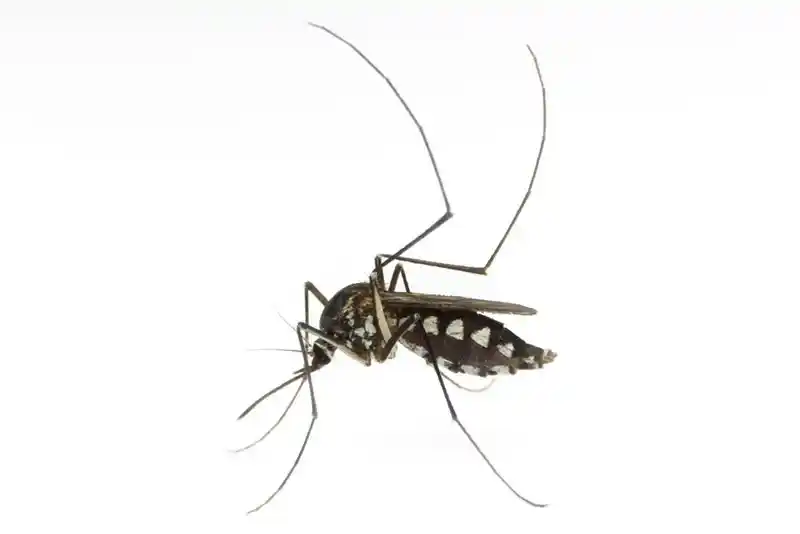
Mosquitoes cause millions of deaths each year by transmitting diseases. According to the World Health Organization (WHO), mosquito-borne diseases such as malaria, dengue fever, and Zika virus cause more than one million deaths annually. Mosquitoes are highly effective vectors of pathogens, spreading pathogens from one host to another. Malaria alone, transmitted by Anopheles mosquitoes, causes approximately 405,000 deaths annually (WHO, 2020).
Top 10 Deadliest Animals in the World
While mosquitoes top the list, several other animals also pose a significant and deadly threat to humans. Below is a ranking of the world's deadliest animals and the number of deaths they cause each year:
| Ranking | animal | Estimated number of deaths per year | Fatal cause |
|---|---|---|---|
| 1 | mosquito | 1,000,000 | Malaria, dengue fever, Zika virus, yellow fever, etc. |
| 2 | Human (homicide) | 400,000 | Violence, war, murder |
| 3 | snake | 100,000 | Venomous bites (such as cobra, venomous snake, or sea snake bites) |
| 4 | Dog (rabies) | 59,000 | Rabies can be transmitted through bites. |
| 5 | tsetse flies | 10,000 | Sleeping disorder (trypanosomiasis) |
| 6 | Crocodile | 1,000 | Attack and drowning |
| 7 | hippo | 500 | Territory attack, drowning |
| 8 | elephant | 500 | Attack, trampling |
| 9 | lion | 100 | Attacks, territorial disputes |
| 10 | shark | 10 | Attacks are usually accidental. |
Why do mosquitoes kill so many people?
Mosquitoes are deadly killers primarily because they can transmit deadly diseases. Unlike other animals that directly attack humans, mosquitoes transmit viruses, bacteria, and parasites through their bites and bloodsucking, leading to potentially fatal diseases. Here are some of the ways mosquitoes can be deadly:
Malaria: Transmitted by Anopheles mosquitoes, malaria remains one of the most widespread and deadliest diseases in tropical and subtropical regions. In 2019, there were approximately 229 million cases of malaria globally, resulting in 405,000 deaths (WHO, 2020).
Dengue fever: Transmitted by the Aedes aegypti mosquito, dengue fever can cause severe flu-like symptoms, hemorrhagic fever, and even death. According to the U.S. Centers for Disease Control and Prevention (CDC), dengue fever causes approximately 20,000 deaths annually.
Zika virus: Transmitted by the Aedes aegypti mosquito, Zika virus is particularly dangerous to pregnant women because it can cause birth defects in infants, such as microcephaly. Zika virus causes tens of thousands of cases of birth defects worldwide.
Yellow fever: Transmitted by Aedes aegypti and Hamargo mosquitoes, yellow fever causes flu-like symptoms and can lead to organ failure and even death. Yellow fever causes approximately 30,000 deaths annually (WHO, 2020).
Why are mosquitoes so dangerous?
Mosquitoes are deadly because of their ability to transmit diseases. Unlike other animals that die from direct bites, mosquitoes transmit viruses, bacteria, and parasites through their blood-sucking, making them one of the deadliest creatures in the world. Here are some key factors contributing to mosquito lethality:
Extremely high reproduction rate: Mosquitoes reproduce in still water, and a single female mosquito can lay hundreds of eggs in her lifetime, greatly increasing the chances of spreading diseases.
Global distribution: Mosquitoes are found on almost every continent except Antarctica, making them a significant threat to global public health. Their widespread distribution facilitates the spread of mosquito-borne diseases.
Highly adaptable: Mosquitoes can survive in a variety of environments, from cities to rural areas, making their spread extremely difficult to control. This adaptability makes them effective vectors for disease transmission.
Other deadly animals: snakes, dogs, etc.
While mosquitoes are the most prevalent animal, several other animals pose a significant threat to humans. Let's take a closer look at some of these animals:
Snakes: Deadly Venom
Venomous snakes, such as cobras, other venomous snakes, and sea snakes, cause approximately 100,000 deaths each year. Snakebites, especially in rural areas lacking medical care, can be fatal. If left untreated, snake venom can be deadly. The World Health Organization (WHO) estimates that approximately 2.7 million people are bitten by snakes each year, many of which result in death, particularly in sub-Saharan Africa and Southeast Asia.
Dogs: Transmit rabies
Dogs are another deadly animal, causing 59,000 deaths annually due to rabies. Rabies is a viral disease transmitted through saliva, usually spread through the bite of an infected animal. In developing countries such as Africa and Asia, stray dogs are a major source of rabies transmission.
Crocodile: The Silent Killer
Crocodiles are apex predators, causing approximately 1,000 deaths each year. Although crocodile attacks are relatively rare, their powerful bite and ability to drag prey into the water make them a deadly threat. Most attacks occur in Africa, Southeast Asia, and northern Australia.
How to protect yourself from deadly animals
Although the risk of encountering dangerous animals is low, taking precautions can help you stay safe, especially in areas where these animals are more common. Here are some basic safety tips:
Avoid mosquito bites: Use insect repellent, wear long-sleeved clothing and trousers, especially in areas where malaria, dengue fever, or Zika virus are prevalent, and use mosquito nets when sleeping.
Snake safety: Exercise caution when hiking or walking in areas known to have venomous snakes. Wear protective footwear and avoid entering grassy areas where snakes may hide.
Rabies prevention: Vaccinate your pets in rabies-endemic areas and avoid contact with stray dogs. If bitten by an animal, seek medical help immediately.
Crocodile safety: Avoid approaching waters where crocodiles are known to be present, and follow local safety guidelines when traveling in crocodile habitats.
Conclusion: What animal is the world's leading killer?
In short, mosquitoes are the world's leading killer, causing more than one million deaths annually, primarily through the transmission of deadly diseases such as malaria, dengue fever, and Zika virus. While mosquitoes are at the top of the list, snakes, dogs (through rabies), crocodiles, and other animals also pose significant global threats of death. Understanding the risks posed by these animals and taking necessary precautions can help protect you and your family from harm.
References:
World Health Organization (WHO). (2020). World Malaria Report 2020. WHO.
U.S. Centers for Disease Control and Prevention (CDC). (2020). Dengue Information. CDC.
Kofi, T. (2021). "Global snakebite burden: analysis of snakebite cases and mortality." Journal of Tropical Medicine, 14(3), 78-85.