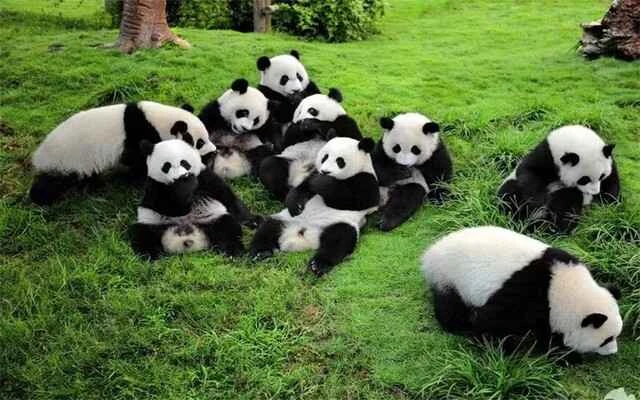
The giant panda (Ailuropoda melanoleuca), as one of the representatives of the bear family, is one of the world's most symbolic endangered species. It is mainly distributed in the mountainous regions of Sichuan, Shaanxi, and Gansu provinces in China. Although giant pandas share largely similar physical characteristics, several distinct subspecies have emerged due to differences in habitat and genetics across different regions. This article will analyze in detail the classification, genetic diversity, ecological adaptability, and conservation status of various species, including the Sichuan giant panda, Qinling giant panda, Gansu giant panda, and the rare brown giant panda, to further deepen our understanding of this precious species.
1. Sichuan Giant Panda (Ailuropoda melanoleuca melanoleuca)
1.1 Distribution range
The Sichuan giant panda mainly inhabits the mountainous areas of Minshan, Qionglai, Daxiangling and Xiaoxiangling in Sichuan Province, and is also distributed in the border area between Gansu and Shaanxi. It is the most numerous subspecies of giant panda.
1.2 Main Features
They are relatively large, with adult individuals weighing 100-150 kg.
The fur is black and white, with the white areas being brighter, creating a striking contrast.
It has a round head, small ears, and a short muzzle, making it a fairly typical animal.
1.3 Ecology and Habits
They mainly inhabit bamboo forests at altitudes of 1200-3500 meters.
Their main food is bamboo, such as arrow bamboo and cold arrow bamboo, but they also occasionally eat other plants or insects.
The Sichuan giant panda is the subspecies with the largest number of captive individuals in the world, with individuals kept in captivity at the Chengdu Research Base of Giant Panda Breeding and several international zoos.
2. Qinling Giant Panda (Ailuropoda melanoleuca qinlingensis)
2.1 Distribution range
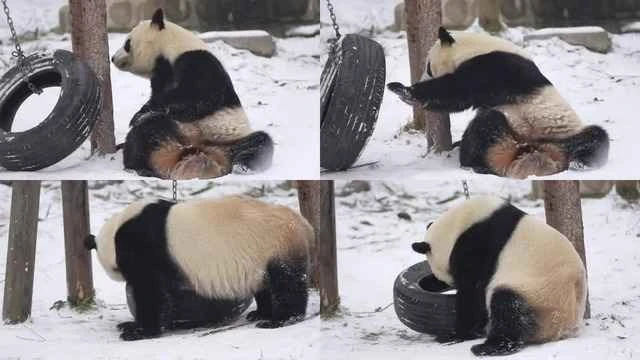
The Qinling giant panda mainly inhabits the Qinling Mountains in Shaanxi Province. Its habitat is relatively independent, and its population genes are somewhat isolated from those of the Sichuan giant panda.
2.2 Main Features
They are relatively small in size, with adult individuals weighing 80-120 kg.
Its fur is relatively dark, with black parts often tinged with brown or light brown, and the overall color is quite soft.
It has a pointed head, large ears, and a more elongated facial structure.
2.3 Ecology and Habits
They inhabit cold-temperate bamboo forests at altitudes of 1500-3000 meters.
Their diet consists mainly of bamboo, but the unique nature of their habitat makes their food choices slightly different from those of the Sichuan giant panda.
Due to its low reproduction rate, the wild population is far smaller than the population in Sichuan.
3. Gansu Giant Panda (Ailuropoda melanoleuca)

3.1 Distribution range
The giant pandas of Gansu inhabit the Gansu Baishuijiang Nature Reserve and its surrounding mountainous areas, and have some genetic exchange with the giant pandas of Sichuan.
3.2 Main Features
Its size and fur color are highly similar to those of the Sichuan giant panda.
Their habitat is harsh, their numbers are small, and their ecological environment is more remote.
3.3 Ecology and Habits
They inhabit bamboo forests at altitudes of 1,500-3,000 meters, and their diet and activity patterns are basically the same as those of the Sichuan giant panda.
Due to its remote habitat, limited research data, and low wild population size.
4. A rare brown panda.
4.1 Background Discovery
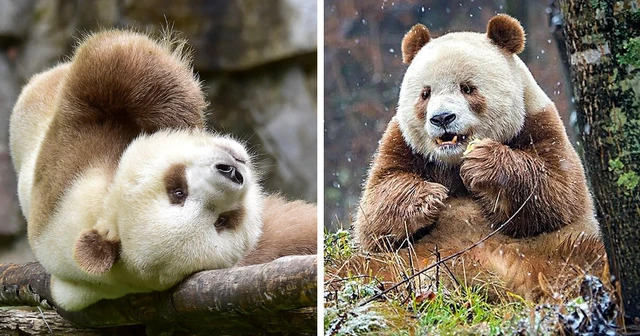
Brown giant pandas were first discovered in 1985 in the Foping Nature Reserve in Shaanxi Province. To date, very few brown giant pandas are known worldwide, the most famous being "Qizai," discovered in 2009.
4.2 Main Features
The fur is brown and light brown, with some individuals having lighter black parts and pale yellow white parts.
Its head shape is between that of the Sichuan giant panda and the Qinling giant panda.
4.3 Ecological and Genetic Research
The appearance of brown giant pandas may be related to factors such as recessive gene mutations, the mineral content of the soil in their habitat, and inbreeding.
Due to their extreme rarity, they have not yet been identified as a separate subspecies.
5. Other possible regional giant panda populations
5.1 Yunnan Panda
Giant pandas have been recorded in Yunnan Province in the past, but there is currently no conclusive evidence to prove that it is a separate subspecies.
5.2 Guizhou Panda
Giant panda fossils have been discovered in Guizhou, proving that giant pandas were distributed there in the past, but whether a stable population exists today remains questionable.
Giant Panda Breed Comparison Table
| feature | Sichuan Giant Panda | Qinling Giant Panda | Gansu Giant Panda | Brown panda |
|---|---|---|---|---|
| Distribution area | Minshan, Qionglaishan, Daxiangling, Xiaoxiangling, etc. in Sichuan Province | Qinling Mountains in Shaanxi Province | Gansu Province Baishuijiang Nature Reserve | Shaanxi Foping Nature Reserve, etc. |
| body shape | Large, weighing 100-150 kg | Smaller, weighing 80-120 kg | Similar to the Sichuan giant panda | Similar to the Sichuan giant panda, but difficult to determine due to its rarity. |
| fur color | The black and white areas are clearly defined, with the white areas appearing brighter. | Darker, black with brown or light brown undertones | Similar to the Sichuan giant panda | Brown and light brown, with lighter black parts and pale yellow white. |
| Head features | Rounded shape, small ears, short muzzle | Pointed, large ears, long face | Similar to the Sichuan giant panda | The head shape is between that of the Sichuan giant panda and the Qinling giant panda. |
| Habitat Altitude | 1200-3500 meters | 1500-3000 meters | 1500-3000 meters | Similar to the Qinling giant panda habitat |
| feeding habits | They mainly eat bamboo, and occasionally other plants or insects. | They mainly eat bamboo, but there are some differences. | Their main food is bamboo, similar to that of the Sichuan giant panda. | It is presumed to be primarily bamboo, but there is limited research on this. |
6. The genetic diversity of giant pandas and their importance for conservation.
6.1 Genetic Research
Through gene sequencing, scientists have discovered significant genetic differences between Qinling giant pandas and Sichuan giant pandas, especially in terms of appearance, ecological adaptability, and disease resistance.
Genetic diversity research helps to reveal the adaptive mechanisms of giant pandas and improve conservation efforts.
6.2 Protective Measures
Establish nature reserves: such as Wolong, Baishuijiang, Foping, and Qinling giant panda national reserves, to protect their habitat.
Artificial breeding program: To increase the breeding rate of giant pandas through the Chengdu Research Base of Giant Panda Breeding and international cooperation.
Habitat restoration: Reduce human activity damage to bamboo forest ecosystems and ensure a stable food supply for giant pandas.
7. Future Outlook
7.1 Ecological protection and habitat restoration
Global climate change may affect bamboo growth, indirectly threatening the survival of giant pandas.
We need to strengthen habitat connectivity and reduce population isolation to promote gene exchange.
7.2 Scientific Research and International Cooperation
Future research will focus on the genetic adaptability and behavioral ecology of giant pandas to develop more scientific conservation strategies.
We will continue to collaborate with zoos around the world to promote captive breeding and rewilding techniques.
8. Conclusion
Giant pandas are not only China's national treasure but also an important symbol of global biodiversity conservation. By gaining a deeper understanding of the classification and ecological characteristics of Sichuan giant pandas, Qinling giant pandas, Gansu giant pandas, and brown giant pandas, we can more effectively formulate conservation measures to ensure the future survival of this rare species. Protecting giant pandas is not just about protecting an animal, but about maintaining the balance of the entire ecosystem.