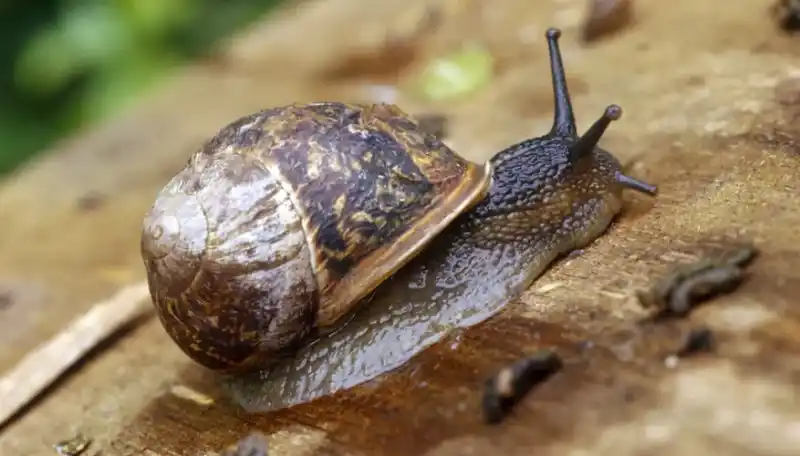
The slimy trails left by brown garden snails ( Cornu aspersum ) often ruin your newly sprouted garden vegetables. While this common snail was originally imported from France for cooking, it is one of more than 25,000 species of snails worldwide. These snails have spread to gardens across the country, often arriving through produce , aquatic plants , and even being deliberately introduced for other purposes. Fortunately, various snail predators can help control this invasion.
Mammals that eat snails
While humans often enjoy snails cooked with garlic and butter, some mammals also have a taste for them. Some common mammalian snail predators include:
| mammal | describe |
|---|---|
| North American short-tailed shrew | This ferocious carnivore consumes three times its own body weight in food every day. |
| American shrew mole | They frequently prey on snails and other small invertebrates. |
| Coastal mole | It is also known for preying on snails in gardens and other habitats. |
| Western European Hedgehog | They prey on snails and other small animals to supplement their food. |
Shredders are particularly voracious, actively hunting and consuming large quantities of snails. The Northern Shorttail Shredder even stores snails and other food items to survive the winter, including seeds, beetles, and nuts.
Birds that eat snails
Both wild and domestic birds are known for their habit of eating snails. For example:
| birds | Snail consumption |
|---|---|
| chicken | Actively search for snails to reduce their number in the garden. |
| Duck | They often eat snails and other garden pests. |
| Goose | Similarly, feeding snails can reduce their numbers. |
| Everglades kites | They feed on Florida apple snails in wetland areas. |
| Wood Stork | They eat various snail species in their migration and breeding grounds. |
| American Crane | They also eat snails during migration and nest building. |
Allowing chickens , ducks , and geese to roam your garden can significantly reduce snail populations , helping to protect your garden from these pests. Furthermore, waterbirds such as wood storks and whooper cranes rely on snails as a primary food source in certain habitats.
Snail-eating reptiles
Reptiles are also effective snail predators , and attracting them to your garden can help control pests. Consider the following:
| Reptiles | Snail consumption |
|---|---|
| toad | They are known for eating snails, especially when lured in with broken earthenware pots. |
| Spotted salamander | Actively capture snails in gardens and damp environments. |
| Common Box Turtle | They often feed on snails and other small garden pests. |
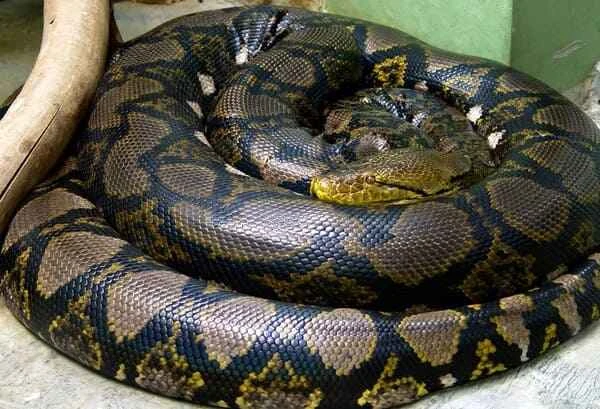
| garter snake | They capture snails and small invertebrates in various habitats. |
To attract toads and spotted newts , simply invert a broken terracotta pot and keep it moist; this will encourage these reptiles to make your garden their home. Snails can be a delicious addition to the diet of box turtles and garter snakes , but be careful with pesticides in your garden, as they can be harmful to reptiles.
Other snail predators
Interestingly, snails themselves are also snail predators . Some snails actively hunt and consume other snails, helping to control their populations. Notable predatory snails include:
| Predatory snails | For snail control |
|---|---|
| Neckless snails | Used in Southern California to control populations of brown garden snails. |
| Rose Wolf Snail | Hawaii was introduced to control the giant African snail . |
In addition, some beetles also prey on and eat snails:
| beetle | Snail hunting |
|---|---|
| Devil's Carriage | The snail's greedy predator. |
| Boatback beetle | They actively hunt and feed on snails. |
Both the headless snail and the rose wolf snail have been used as biocontrol agents in certain areas to reduce harmful snail populations. Beetles (such as the devil's charioteer ) eat the snails and leave behind empty shells, thus helping to naturally reduce the snail population.
in conclusion
From mammals to birds , reptiles , and even other snails , many creatures are effective predators of snails. Whether you're dealing with an invasion of snails in your garden or trying to control pest snails in an agricultural environment, these natural enemies can significantly reduce snail populations without the use of harmful chemicals. By encouraging these snail-eating animals to thrive in your environment, you can create a more sustainable and healthier ecosystem for your garden or landscape.