Sardines belong to the order Clupeiformes and family Clupeiidae. They are slender, silvery fish that typically live in schools and are an important economic fish species globally. Originally caught in Sardinia, Italy, they are named after the ancient Greek word "sardonios," meaning "from the island of Sardinia." Due to their small size and perishability, they typically don't fetch high prices in the market and are therefore primarily used to make canned sardines. Portugal and Morocco are the main producers of canned sardines.

So what kinds of sardines are there? We've compiled a list of ten delicious sardines: Far Eastern sardine, South American sardine, yellow sardine, dwarf sardine, golden sardine, Hualien sardine, black-tailed sardine, humpback sardine, white-bellied sardine, and blue-scaled sardine. Let's take a look at the classification and related information about sardines.
1. Far Eastern Sardines (greenish-blue/39cm in length, Indo-Pacific/Eastern Atlantic region)
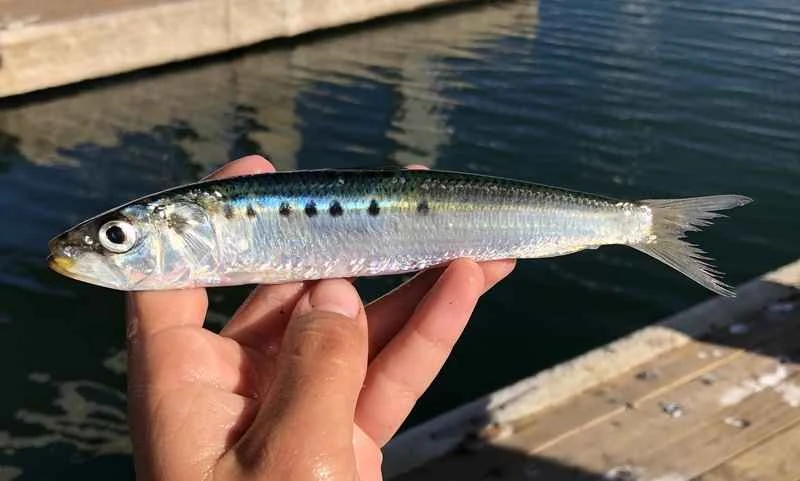
The Far Eastern sardine, also known as the spotted sardine or, more commonly, the blue-scaled sardine, is one of the most common types of sardines. Its back is bluish-green, the upper sides are slightly paler, and the lower sides and belly are silvery-white. The dorsal, pectoral, and caudal fins are light gray, while the anal and pelvic fins are silvery-white. Adult Far Eastern sardines reach approximately 39 cm in length. Their flesh is tender and high in fat, making them suitable for various cooking methods, such as steaming, braising, pan-frying, marinating, and steaming – all are very delicious.
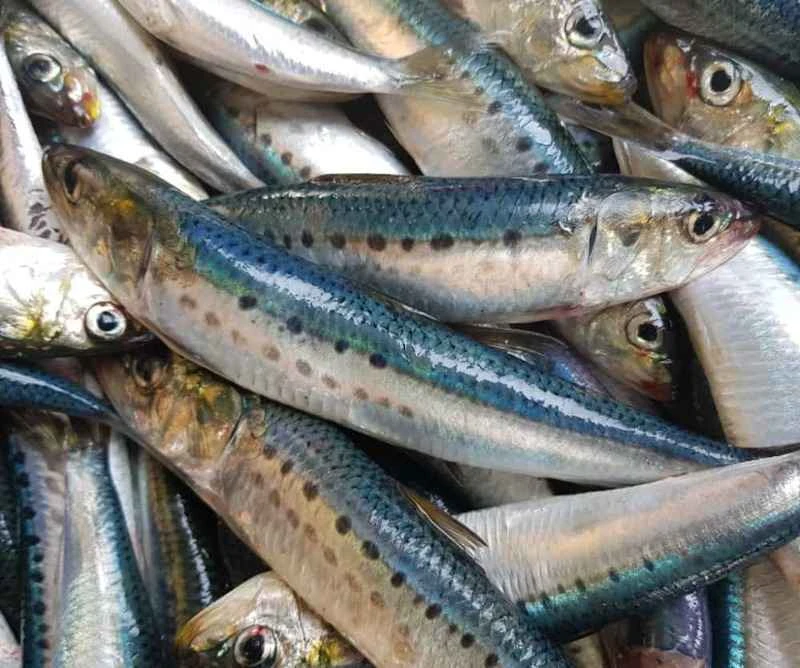
Far Eastern sardines are widely distributed in the Indo-Pacific and eastern Atlantic regions. They are cold-water, mid-to-upper-level marine fish, commonly found in waters 0 to 200 meters deep. They typically gather in large schools, often numbering 40,000 to 50,000 individuals, and are characterized by rapid growth and high reproductive capacity.
2. South American sardines (high yield, Indo-Pacific region)
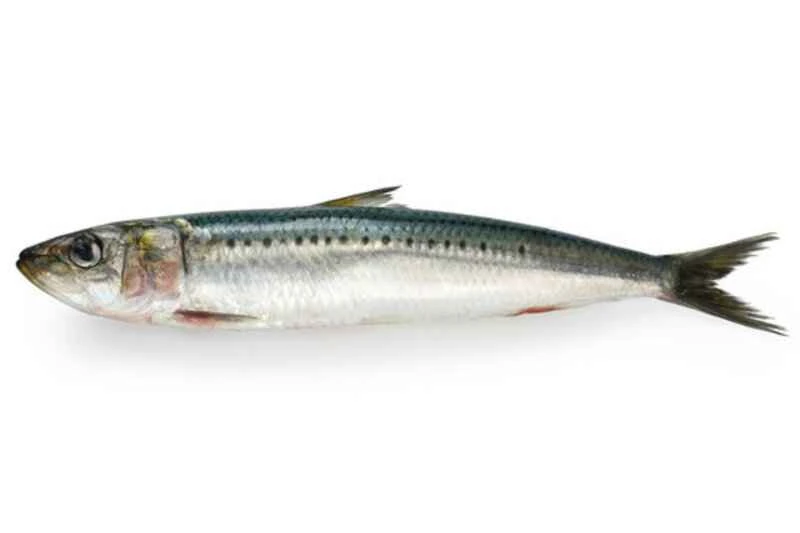
The South American sardine is a very popular species. It is distributed in the Indo-Pacific region, from southern Africa to the eastern Pacific, including many areas such as Taiwan, China. The South American sardine is a small to medium-sized migratory fish that lives in the upper and middle parts of coastal waters. It usually lives in schools and feeds mainly on plankton, such as diatoms, copepods and other small invertebrates.
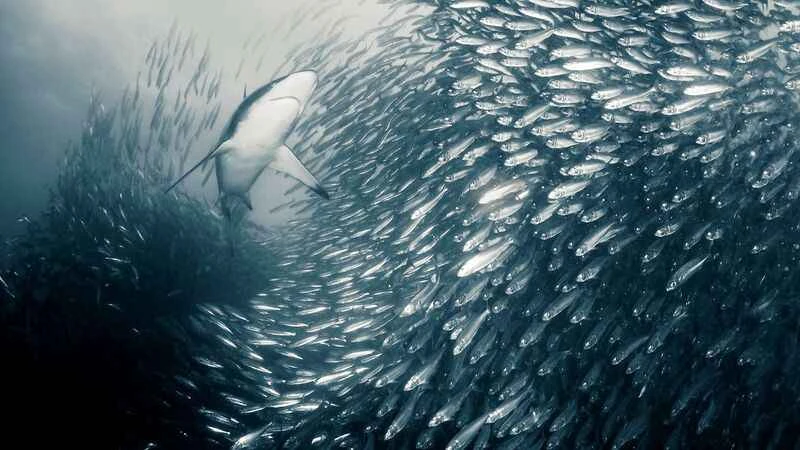
The annual yield of this fish is very high, exceeding 10,000 tons globally each year. The main fishing season is concentrated in summer and autumn, and fishing methods include drift nets, purse seines, incinerators, and trawls. Most South American sardines are salted and sold, while smaller individuals are typically used to make fishmeal for animal feed.
3. Yellow sardine (with golden longitudinal stripes on the lower side of the body, Indo-West Pacific region)
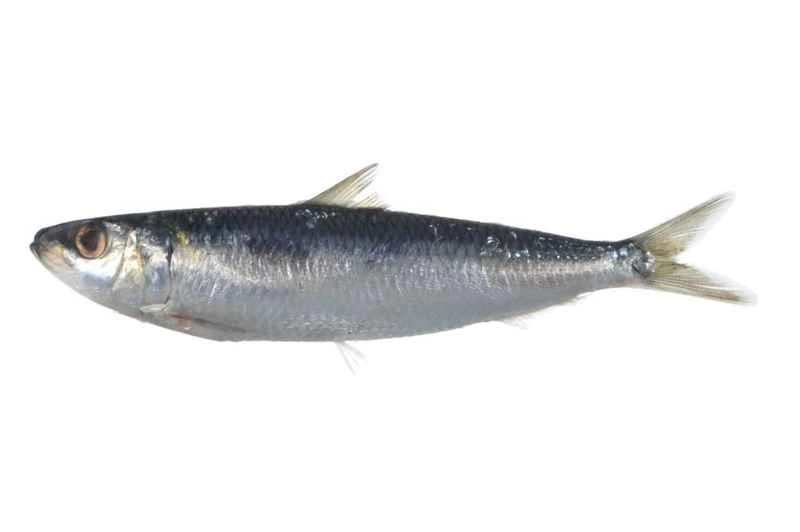
The yellowtail sardine, also known as the yellowtail sardine or yellow marsh sardine, is one of the world's top ten sardine species. It has an elongated, laterally compressed body with a slightly rounded abdomen, and can reach a length of 16 cm. The yellowtail sardine's back is bluish-green, while its lower sides and abdomen are silvery-white, with a golden longitudinal stripe running along its lower side. The dorsal and caudal fins are pale yellow with black edges; the upper and lower lobes of the caudal fin lack prominent large black spots. The pectoral fins are pale yellow, and the remaining fins are light-colored.
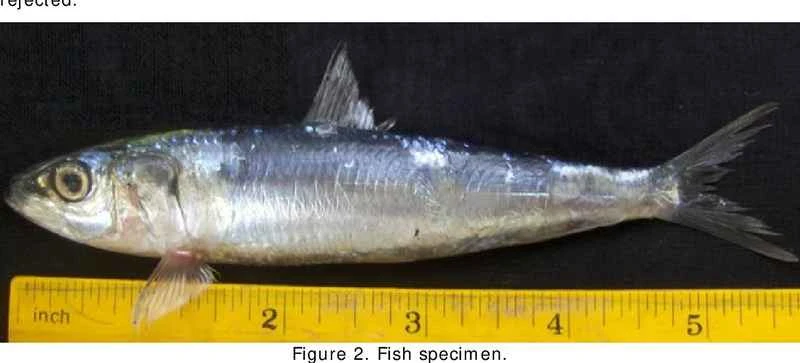
Yellow sardines originated in Indonesia and are now widely distributed in the Indo-West Pacific region. Their spawning season is typically between spring and summer, and they spawn in batches. After spawning, the fish disperse to find food. Yellow sardines can be eaten, but because their flesh has a strong fishy smell, they are usually best eaten dried.
4. Small sardines of Duchenne (metallic sheen on body, western Indian Ocean)
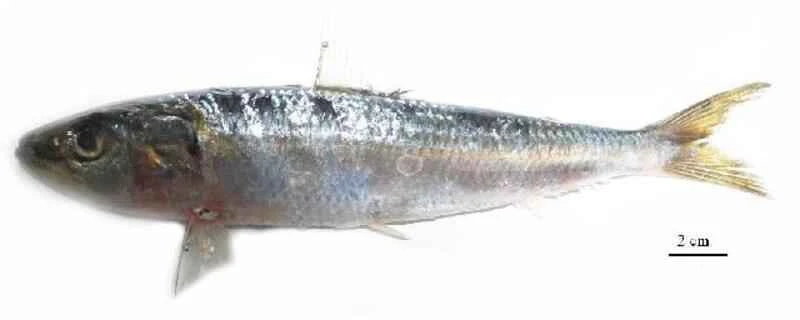
*Sardine dulcis* is a typical small to medium-sized migratory fish found in the upper and middle layers of coastal waters. It is mainly distributed in the western Indian Ocean, from India to Sri Lanka, and can also be found in Madagascar and Mauritius. It is also found in the South China Sea. As one of the common sardines, *Sardine dulcis* is approximately 3.2 to 3.9 times its body depth in length, 4.0 to 4.5 times its body length in head length, and approximately 3.2 times its snout length in head length. Its body is elongated and laterally compressed, with keeled scales on its abdomen, covered with cycloid scales, and lacks a lateral line.
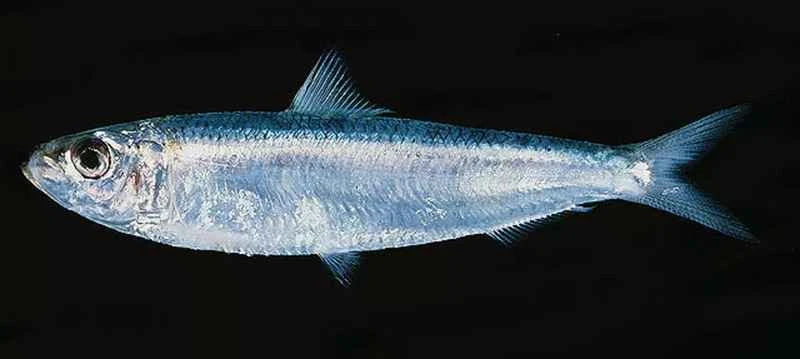
The most distinctive feature of the Dwarf sardine is its skin, which is rich in purine crystals, giving it a shimmering, metallic appearance in sunlight. Although the Dwarf sardine has a slightly fishy smell, it is not pungent, and its tender, juicy flesh offers a delicate and enjoyable texture.
5. Golden sardines (13-17cm in length, Atlantic/Mediterranean/Red Sea)
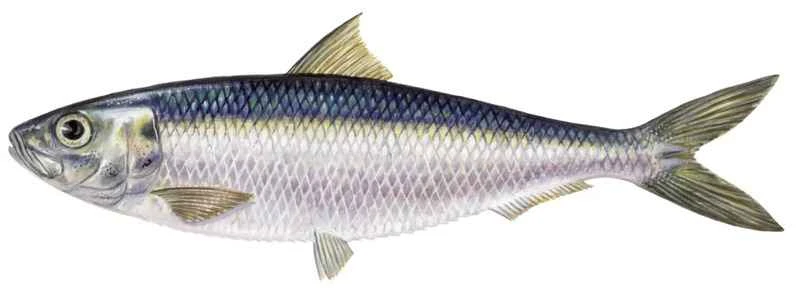
The golden sardine is a species of sardine in the family Clupeiformes. Although small in size, it usually appears in groups, thus possessing high economic value. The golden sardine is cylindrical, slightly laterally compressed, and ranges in length from 129 to 168 mm. Its body is covered with nearly hexagonal, round scales. Its back is bluish-green, with a pale yellow sheen longitudinal stripe along the upper side, and its belly is white. The dorsal and caudal fins are pale yellow with black edges, while the pectoral fins are slightly pale yellow.
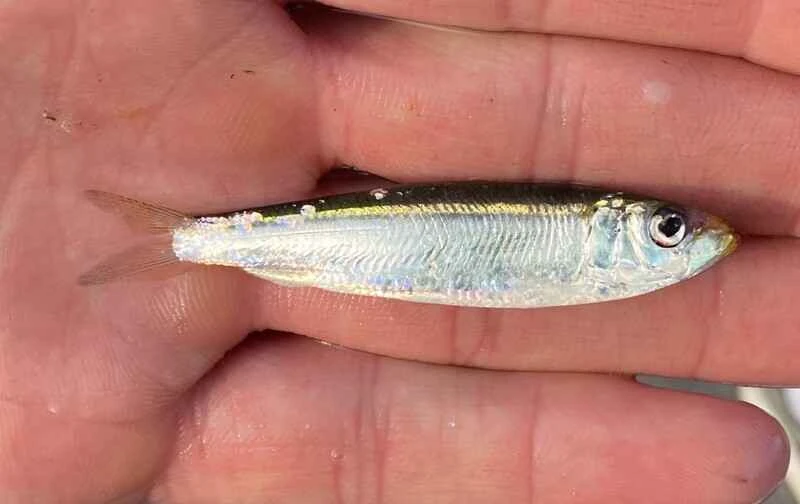
Golden sardines are widely distributed in the Atlantic Ocean, the Mediterranean Sea, the Red Sea, and also in the South my country Sea, the Taiwan Strait, and the East China Sea. They inhabit warm waters and migrate from the deep sea to nearshore areas to forage and spawn as water temperatures rise.
6. Hualien small sardines (with fatty eyelids/covering the eyes, Taiwan/Hong Kong)
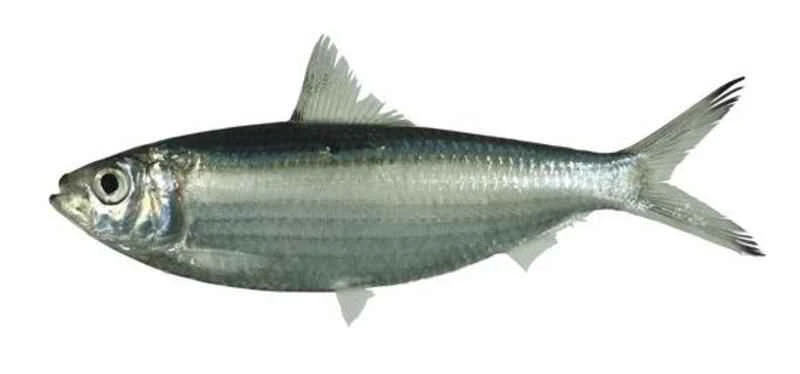
The Hualien sardine, named after its primary habitat in Hualien, Taiwan, is distributed throughout the western Pacific Ocean, particularly in the waters east of Taiwan, and can also be found as far south as Hong Kong. The Hualien sardine has an elongated, laterally compressed body with a slightly rounded abdomen. Its body is covered in keeled scales, and its adipose eyelids are well-developed, almost completely covering the eyes. Its dorsal fin is pale yellow with a black spot at the base of the tip, and its caudal fin is pale yellow, with possible black edges on the upper and lower lobes, and a large black spot at the tip. The pectoral fins are pale yellow, while the other fins are pale in color.
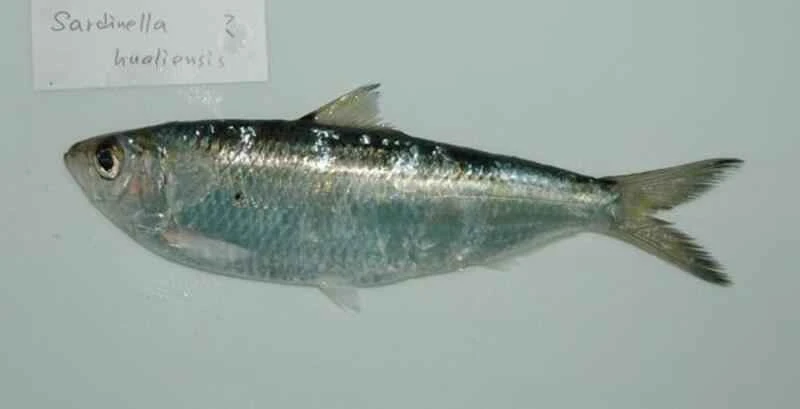
The Hualien sardines primarily feed on plankton, such as diatoms, copepods, and other small invertebrates. Due to their limited distribution area and relatively low yield, they are usually mixed with bottom-trawl catches and can be sold fresh, dried, or pickled.
7. Black-tailed sardine (with black spots on its tail fin, found in tropical waters of the Indo-West Pacific).
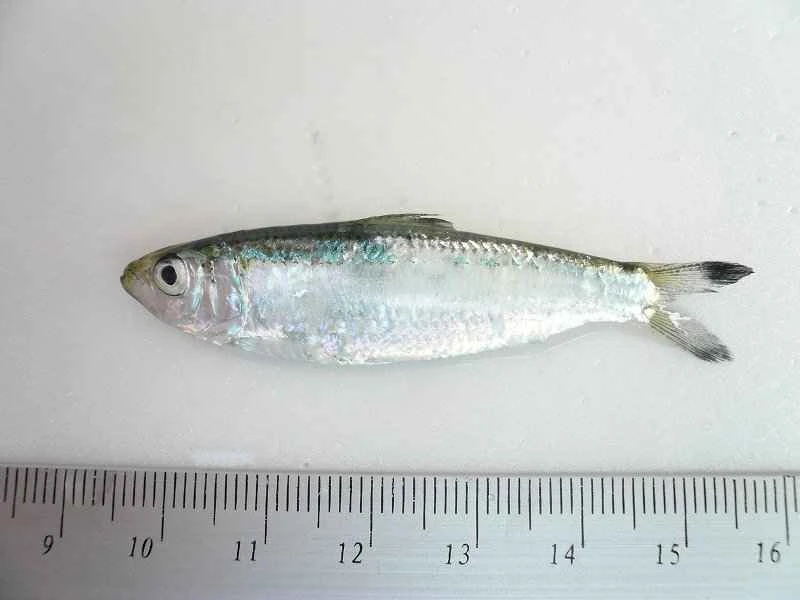
Blacktail sardines are not only delicious but also highly nutritious, making them a favorite among diners. They are mainly distributed in the tropical waters of the western Pacific Ocean, including the coastal waters of southern, northern, and western Taiwan. Blacktail sardines are highly adaptable to low water temperatures and often migrate northward with the help of warm currents, heading to areas where warm and cold currents meet to forage.
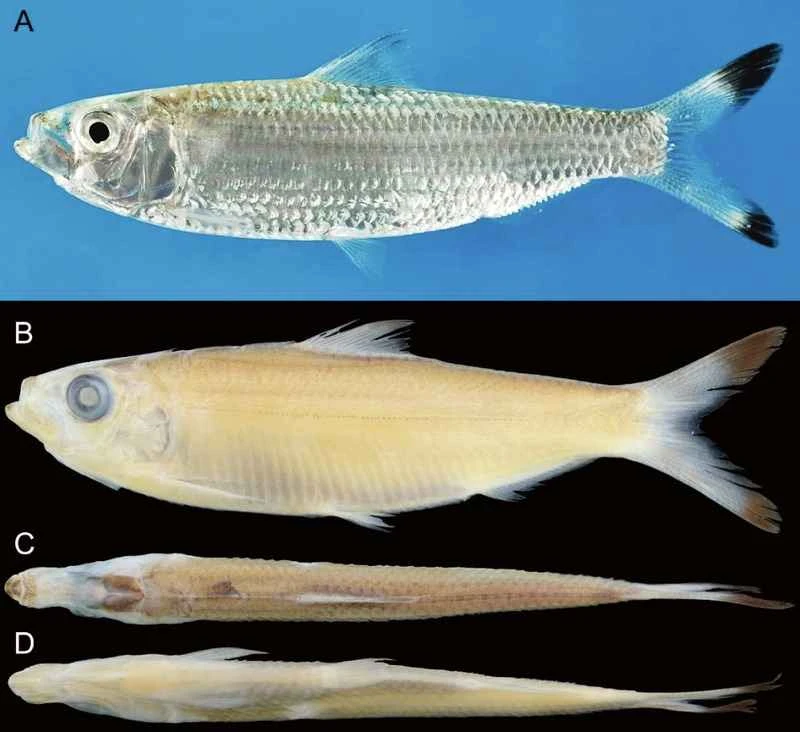
It is a carnivorous fish, primarily feeding on zooplankton. When faced with predators, the black-tailed sardine quickly gathers into a school, then disperses into smaller groups to escape when a large predator approaches. The black-tailed sardine has a slightly spindle-shaped body, with almost equal upper and lower jaws, well-developed adipose eyelids, and a bright silvery-white body color, with a relatively darker back. Its scales are easily detached. Its abdomen is slightly laterally compressed and has sharp ridges. Its most distinctive feature is its forked caudal fin, with prominent black spots at the tips of the upper and lower lobes.
8. Small sardine with a humpback (spots at the base of the dorsal fin/longitudinal lines on the sides of the body, Indo-West Pacific region)
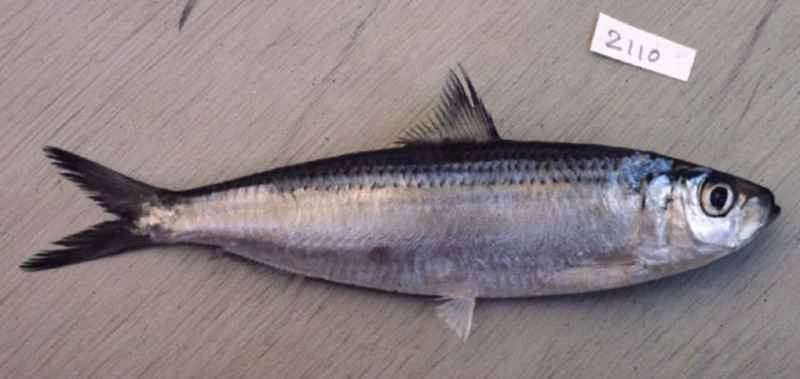
The sardine humpback, also known as the sardine humpback, is one of the world's top ten sardine species. It has a moderately sized and slender body, with two rows of longitudinal scales on each side of the central ridge in front of the dorsal fin, and a distinct spot at the base of the dorsal fin. It has a golden longitudinal stripe along its side, and can reach a length of 17 cm, with a body depth accounting for 24% to 30% of its standard length.
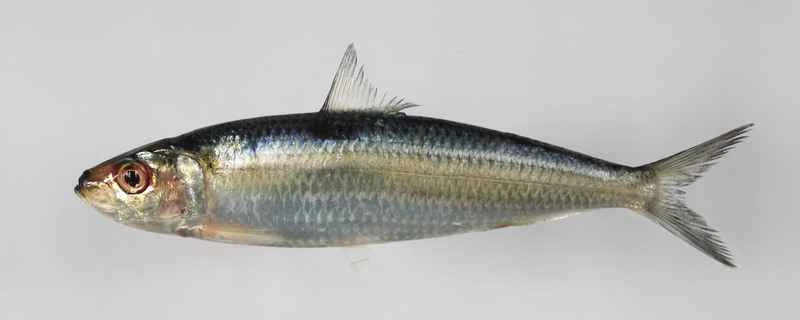
This type of sardine is distributed in the Indo-West Pacific region, including the Persian Gulf, East Africa, Japan, Taiwan, South Korea, Micronesia, and Papua New Guinea. The sardine humpback is a schooling fish, highly active, and usually gathers with other species of its family to defend against predators. Although it can be eaten fresh, its flesh has a strong fishy smell, so it is usually processed into dried fish or canned goods for sale.
9. White-bellied small sardine (silver-white sides and belly, Indo-West Pacific region)
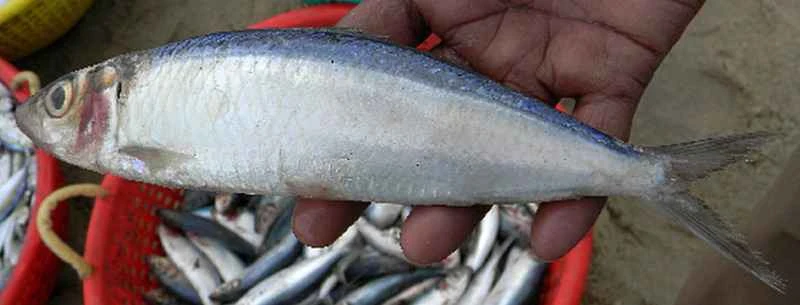
The white-bellied sardine belongs to the order Clupeiformes, family Clupeiidae, and is a small fish that migrates along the upper and middle layers of coastal waters. It is widely distributed in the Indo-West Pacific region, from the Red Sea, the Persian Gulf, and East Africa in the west, to Indonesia and the Arafura Sea in the east, from Taiwan in the north to Papua New Guinea in the south. In Taiwan, the white-bellied sardine is mainly distributed in the southern, western, and Penghu waters, and sometimes also inhabits estuaries, bays, or lagoons.
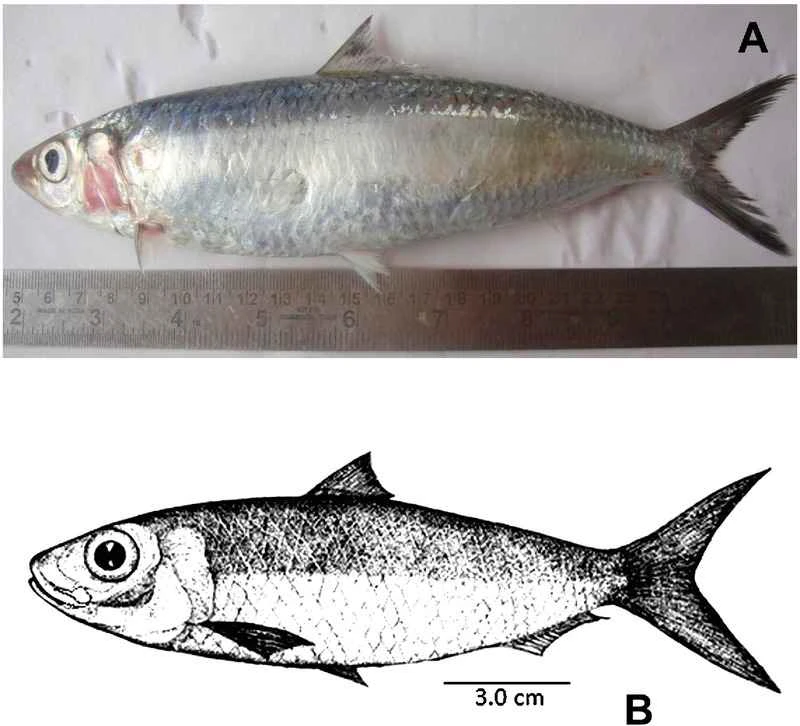
This type of sardine is covered with small, thin, round scales that are easily detached. Its back is bluish-green, while its lower sides and belly are silvery-white. Its dorsal, caudal, and pectoral fins are pale yellow. Like most sardines, the white-bellied sardine has tender, delicious flesh with a unique flavor, making it a highly popular seafood ingredient.
10. Small green sardines (annual production of 10,000-50,000 tons, China/Japan/Southeast Asia)
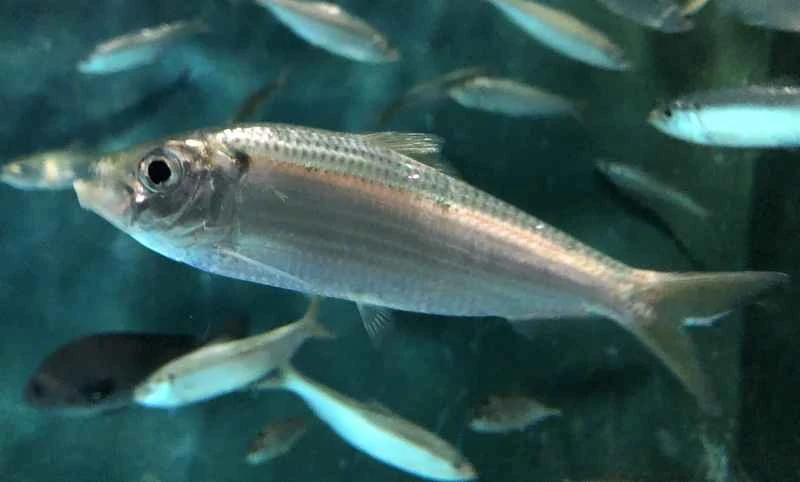
The sardine wrasse is one of the most common sardines in the world, with an annual production ranging from 10,000 to 50,000 tons. The sardine wrasse has a nearly rectangular, laterally compressed, and relatively high body with a slightly raised dorsal margin and sharp, keeled scales on its belly. Its back is bluish-brown, its sides and belly are silvery-white, it has a black spot on the upper corner behind the gill cover, black markings around the mouth, and grayish-white fins.
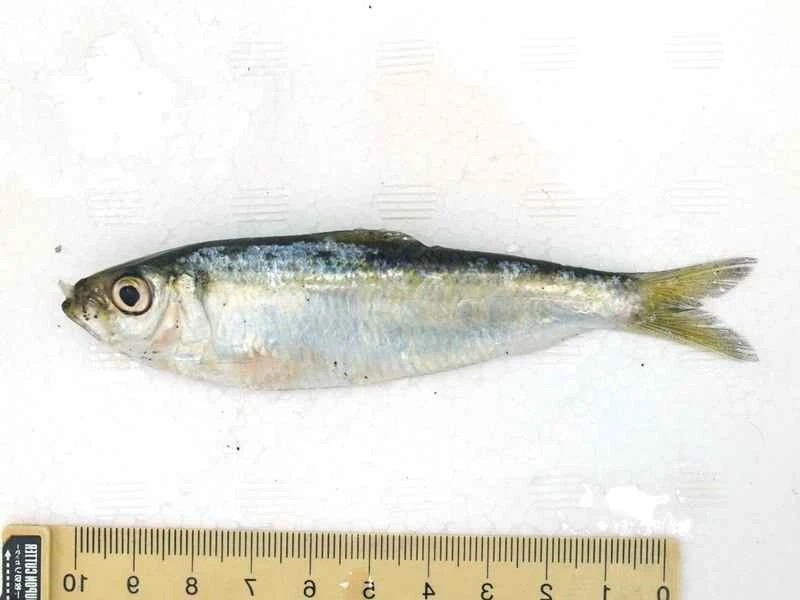
This fish is mainly distributed along the coasts of the Yellow Sea and Bohai Sea in my country, and also found in the southeastern coastal areas. Its main distribution areas abroad include the Pacific Ocean south of Japan, and the coastal areas of the Philippines, Vietnam, Thailand, and the Malay Peninsula in Southeast Asia.
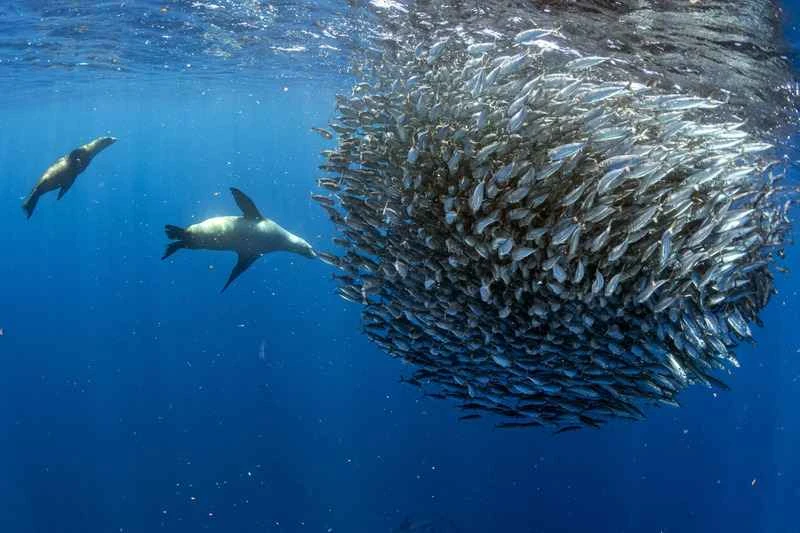
The list of the top ten sardine varieties is based on the characteristics and popularity of common sardines, combined with other relevant rankings/lists on the internet. It is for reference only. If you have any questions, please feel free to comment/discuss at the end.