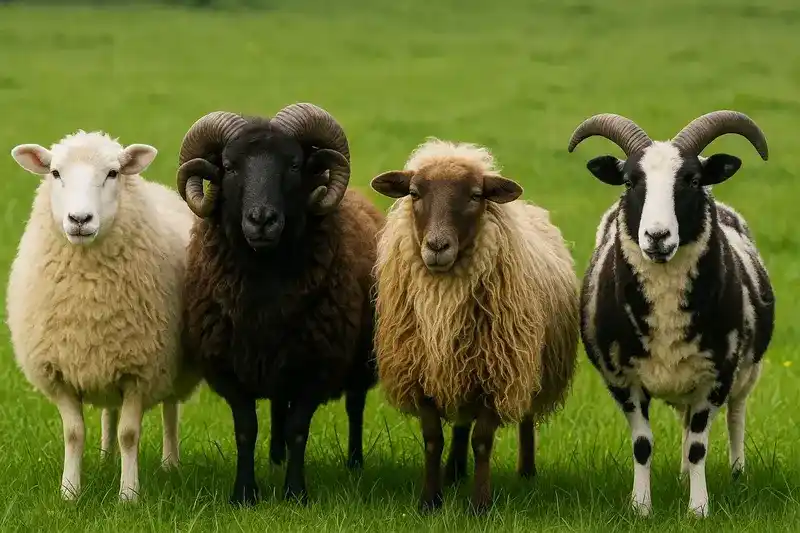
Sheep (genus: Ovis ) are ruminant mammals widely domesticated for their wool, meat, and milk. Many different breeds of sheep exist globally, each with its own characteristics in morphology, purpose, and adaptation. Below is an introduction to 15 common sheep breeds.
1. Merino sheep
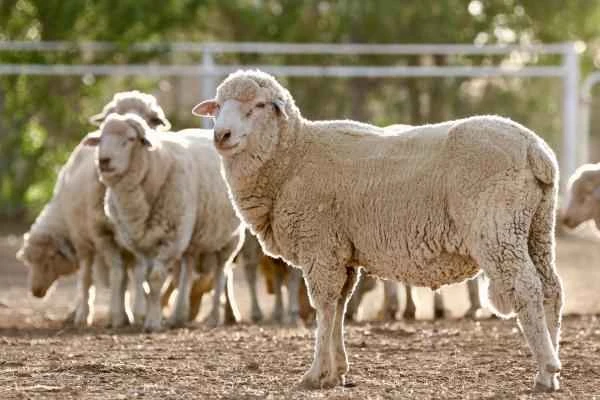
Originating in Spain, it is renowned worldwide for producing the finest, longest, and most sought-after wool . Highly adaptable and found throughout the world, it is the ancestor of most modern sheep breeds. In Spain, it also includes white, black, Grazalema, and Montes Universales subspecies.
2. Suffolk sheep
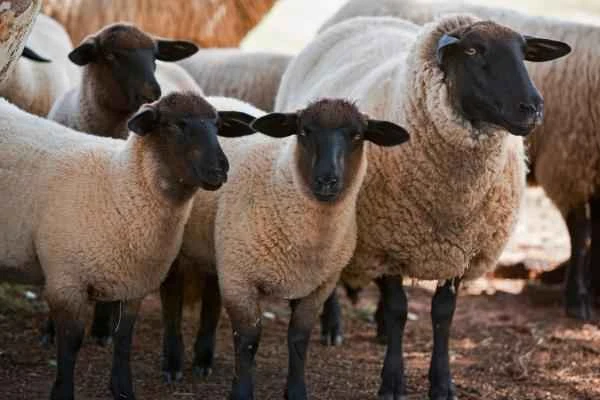
Originating in England, it was developed by crossing Southdown rams with Norfolk horned ewes. Characterized by its black head and limbs, it is known for its high-quality meat and rapid growth ; its wool is also valuable.
3. Dorper sheep
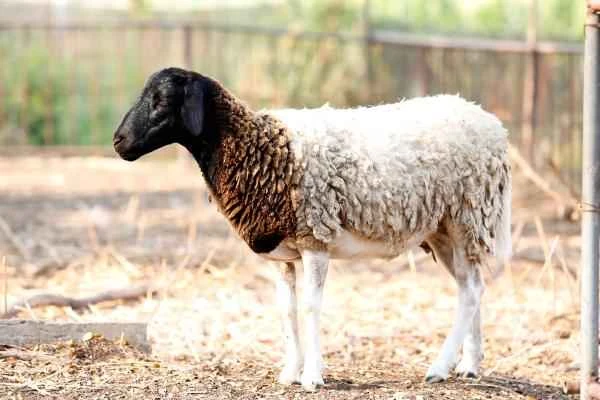
Originating in South Africa, it was bred to adapt to arid regions, producing lean meat, growing quickly, and exhibiting strong disease resistance . It comes in two appearance types: White Dorper and Black Dorper.
4. Texel sheep
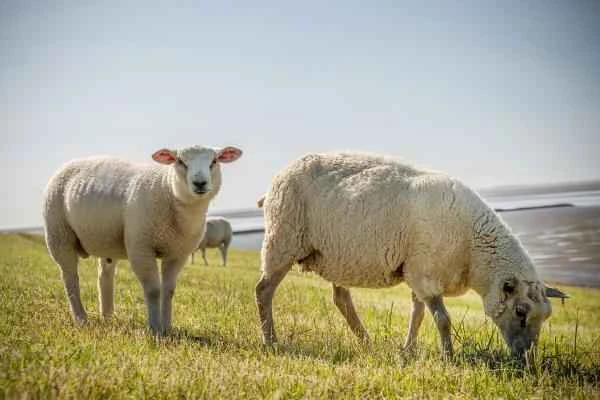
Originating from the Dutch island of Texel, these sheep are renowned for their well-developed muscles and excellent meat quality , and are widely raised in countries such as the United States, Australia, and Argentina. Their wool is white and dense, making it suitable for knitwear.
5. Romney sheep
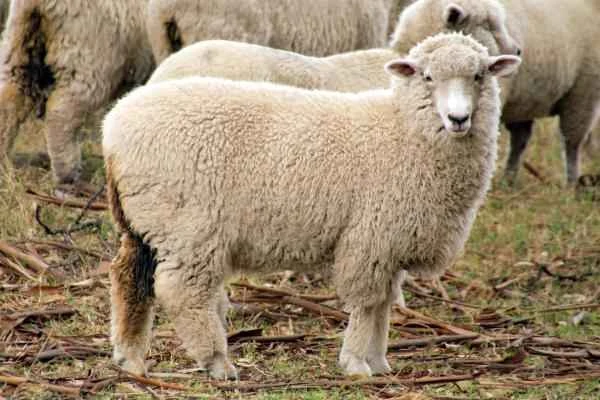
Originating from the "Sun and Green" region of England, this is a dual-purpose breed (meat and coat ). It is tolerant of damp and cold environments, has a sturdy build, and short, stocky limbs.
6. Cheviot sheep
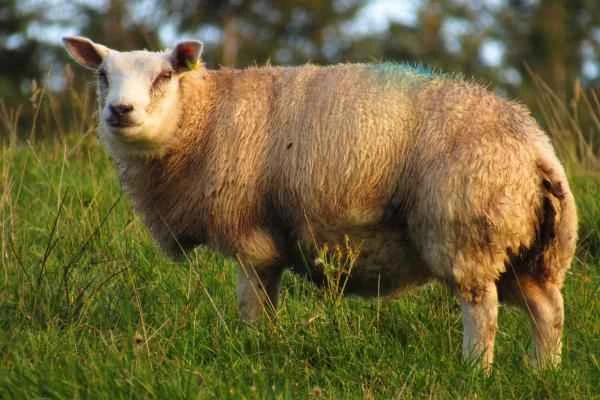
Originating from the Chevyott Mountains between England and Scotland, it has adapted to mountainous environments. It produces soft white wool , has erect ears, and is hairless on its head and limbs.
7. Jacob sheep
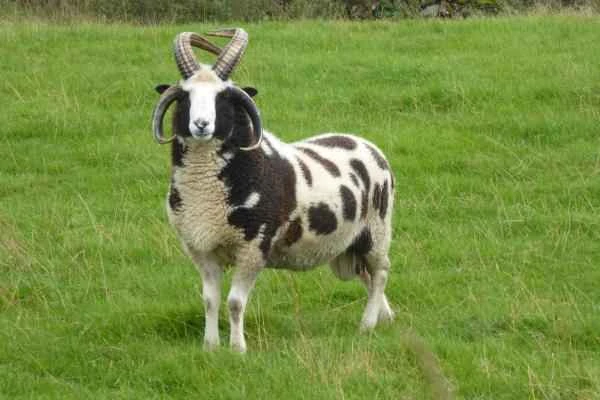
Originating in Scandinavia, this breed has four or more horns and a mottled black and white coat . It is robust and resistant to parasites and diseases. It requires high-quality pasture and protection during the rainy season.
8. Shetland sheep
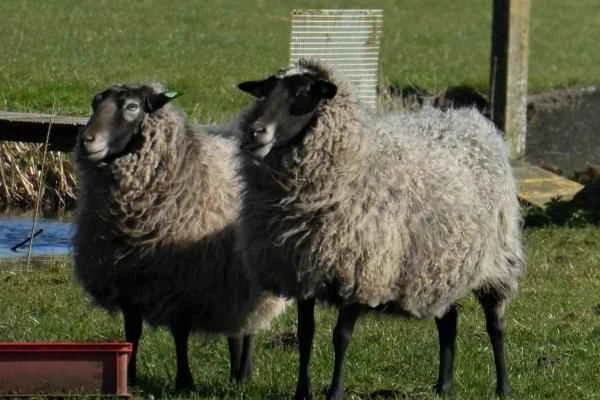
Native to the Shetland Islands of Scotland, this small animal produces fine, soft wool in various colors (grey, brown, white, black, etc.). It was endangered in the 1970s but has since recovered its population.
9. Karakul sheep
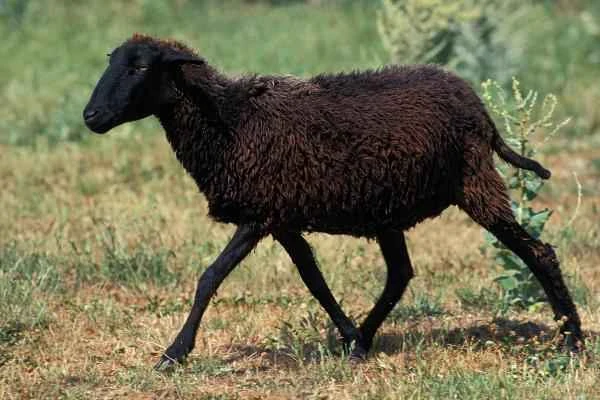
Also known as Karakul lamb, it originated in Central Asia and is one of the oldest breeds in the world. It is famous for its coarse wool and lambskin products , which are used to make coats and hats, and can also be used for meat.
10. Awassi sheep
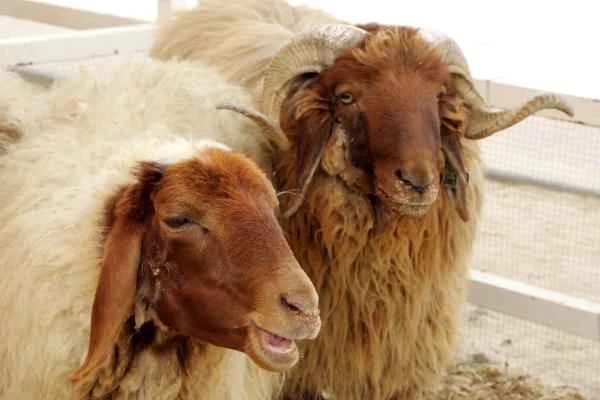
Originating in Syria and Mesopotamia, also known as the Baladi sheep, it is famous for its high-fat milk production , making it suitable for cheese making. It is medium-sized, commonly characterized by reddish-brown spots, and has large, drooping ears.
11. East Friesian sheep
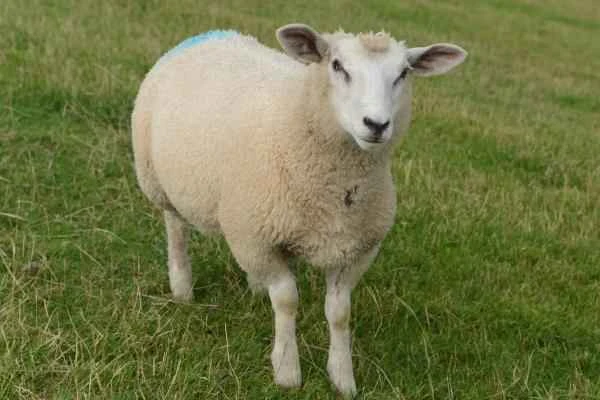
Originating in northern Germany, this is one of the world's highest-producing sheep breeds in terms of milk yield . Its milk is ideal for making high-quality cheese and yogurt. It is also frequently used in crossbreeding with other breeds to increase milk production. A distinctive feature is its long, thin, hairless tail .
12. Lacaune sheep
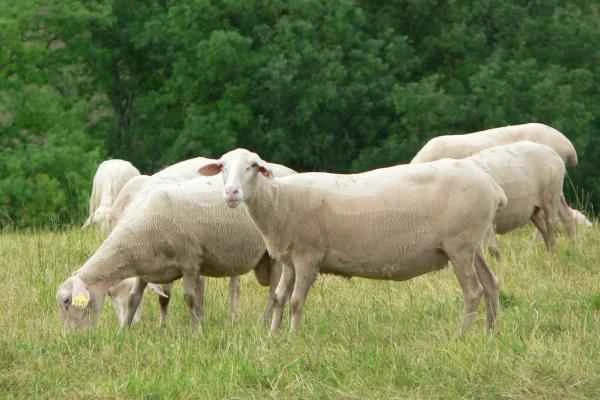
A French breed, producing both milk and meat , used to make the famous Roquefort cheese . Adapted to the Spanish climate and pastoral system. Medium to large in size, with loose, thin wool.
13. Scottish Blackface sheep
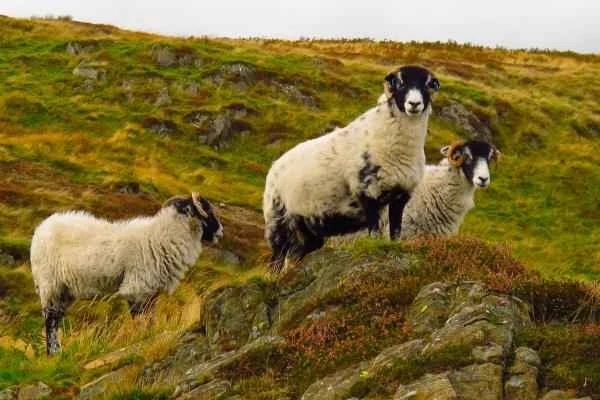
Native to Scotland and England, it is known for its black face and spiral horns . It is well-adapted to the extensive grazing environment of the Highlands, and both its wool and meat are valuable.
14. Dorset Horn
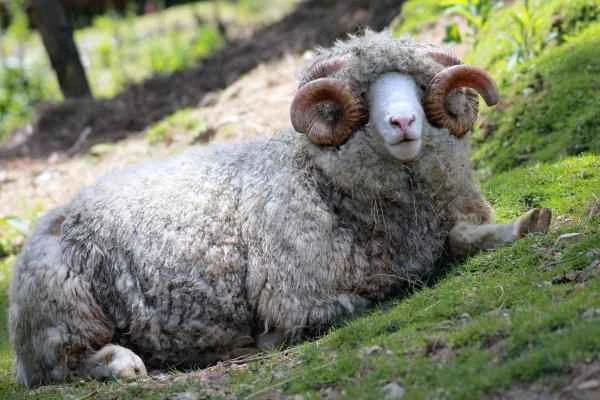
Originating in southwest England, this breed can breed year-round , producing high-quality meat and thick, white wool. It is highly adaptable and thrives in temperate to humid regions. Its distinctive features include symmetrical spiral angles and a robust physique .
15. Navajo-Churro sheep
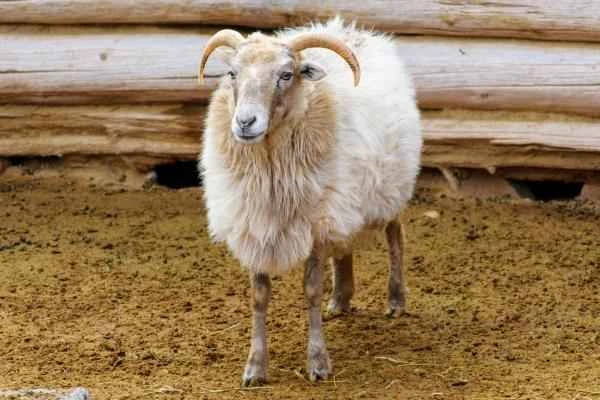
Introduced to the Americas by Spanish colonists, it is one of the earliest sheep breeds in the United States. Used by the Navajo people for traditional textiles , its wool is long and strong. It is small in size, with a long tail and horns.