Elephants, these colossal creatures, are no longer just stars in zoos; they are protagonists of mythology, engineers of nature, and even "tanks" on ancient battlefields. Today, we'll reveal 10 amazing truths about elephants that will give you a completely new perspective on them.
1. There are three types of elephants in the world.
Did you know that the elephants we commonly refer to actually include three different species: the African savanna elephant, the African forest elephant, and the Asian elephant? African elephants are generally larger, with males reaching 6-7 tons, making them the largest land animals on Earth. Asian elephants are slightly smaller and are mostly distributed in India, Thailand, and other regions.
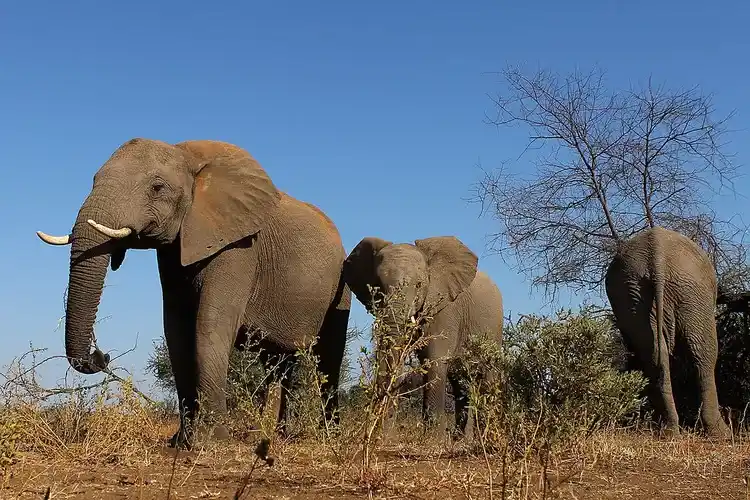
2. An elephant's trunk is a "multi-purpose tool".
An elephant's long trunk is not just for show; it's an "all-around robotic arm" that combines inhalation, smelling, drinking, grasping, greeting, and bathing. Its trunk has over 100,000 muscle fiber bundles, enabling it to lift heavy objects as easily as gently peeling a peanut.
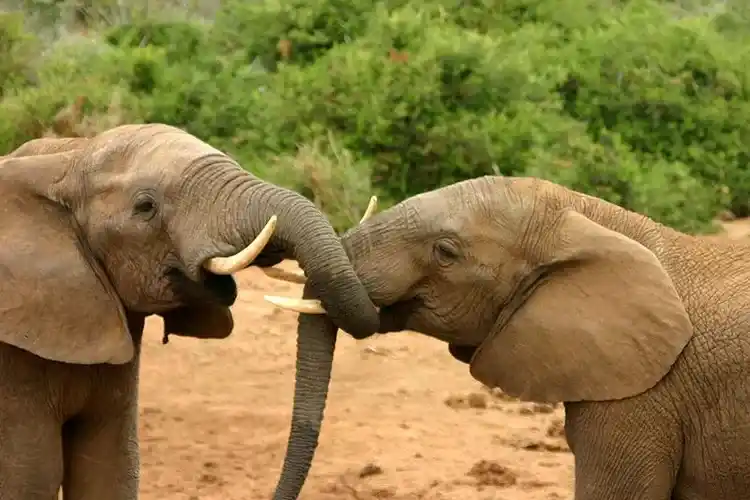
3. The large ears are not only "fans," but also "radar."
Elephants have large ears, and it's not just for cuteness. Their ears are densely packed with blood vessels, which helps them dissipate heat and prevent heatstroke. Moreover, elephants have extremely keen hearing; they can even hear the voices of their companions or the movements of predators from 5 kilometers away.
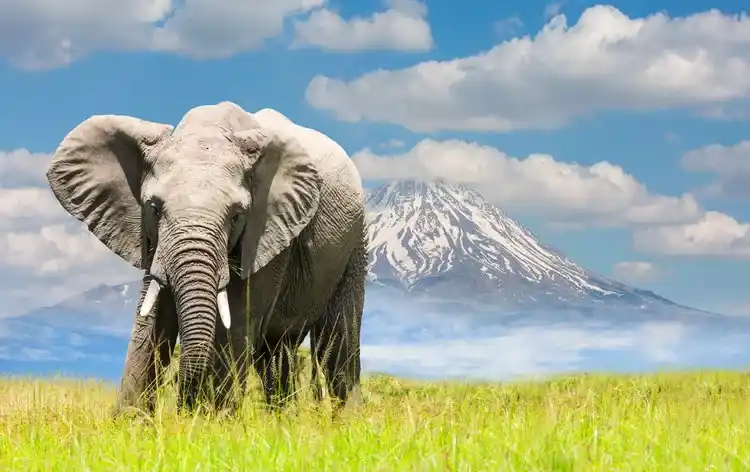
4. Elephants have an incredibly high level of intelligence.
An adult elephant's brain weighs up to 5 kilograms, making it one of the most intelligent giants among land mammals. They can not only use tools, but also recognize themselves in a mirror, and even show grief after the death of a companion—an emotional resonance that is very rare outside of humans.
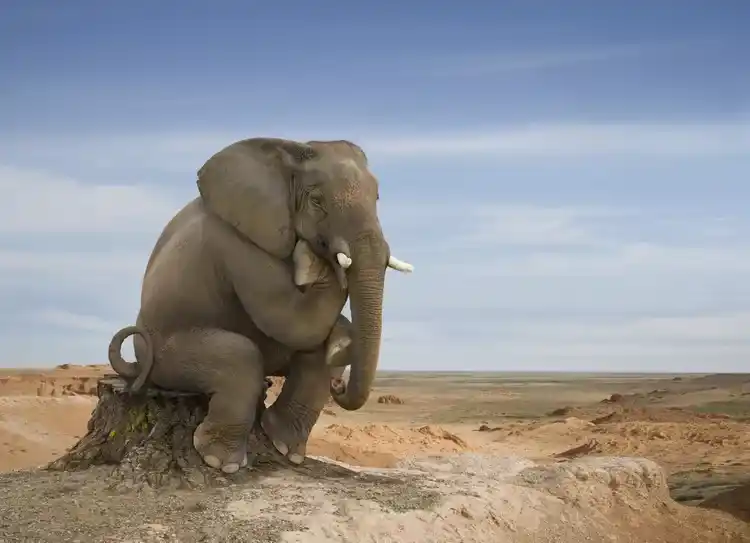
5. Matriarchal Society: Female Elephants are Leaders
Elephant herds have a very unique structure: they consist of a small group of several adult females and calves, while adult males usually live alone or form "bachelor groups." The entire herd is led by an experienced female elephant who guides the group to find food and avoid danger.
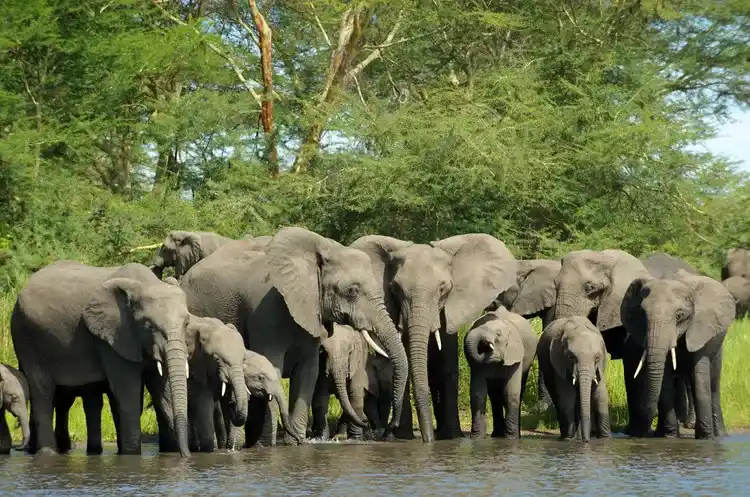
6. A 22-month pregnancy is the longest in the animal kingdom.
African elephants have a gestation period of up to 22 months, the longest of any land animal. Newborn calves weigh about 113 kilograms, and mothers typically do not give birth again until 4-5 years later. This makes the recovery of elephant populations extremely slow and makes them more vulnerable to poaching and extinction.
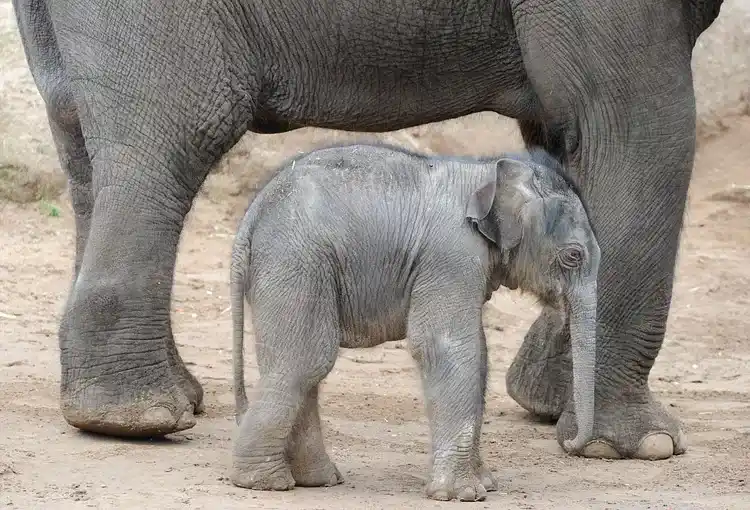
7. Elephants have an evolutionary history spanning 50 million years.
Modern elephants evolved from a small, pig-like animal called Phosphatherium, which existed millions of years after the extinction of the dinosaurs. Their relatives include mammoths and mastodons, while their distant relatives today are manatees and dugongs.
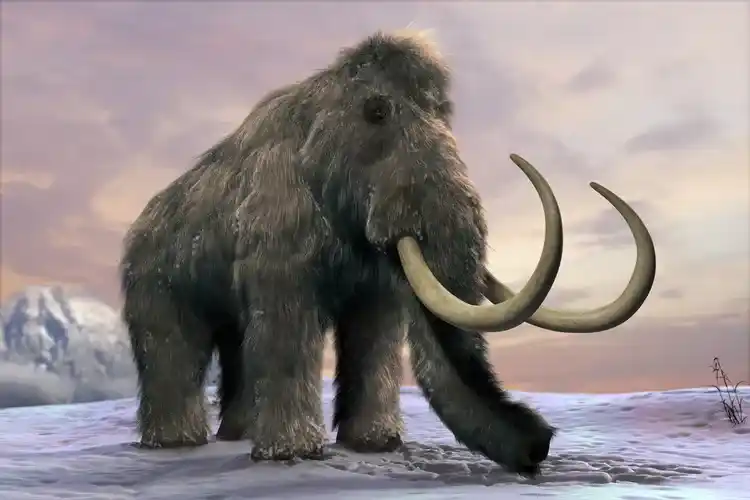
8. Elephants are the "engineers" of the ecosystem.
Elephants' seemingly "destructive" behaviors—such as tearing down trees, flattening paths, and enlarging waterholes—actually help other animals survive. Their dung often contains undigested seeds, helping plants spread over a wider area, making them veritable "seed couriers."
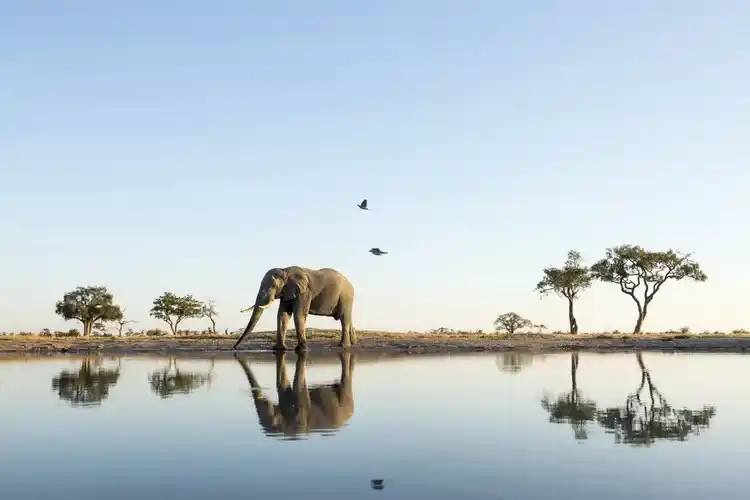
9. Armored war elephants on ancient battlefields
More than two thousand years ago, elephants were trained as war machines in India, Persia, and other regions, adorned with armor and equipped with weapons. The Carthaginian general Hannibal even led war elephants across the Alps to attack Rome. However, with the invention of artillery, war elephants gradually faded from the historical stage.

10. The ivory trade remains the greatest threat to elephants.
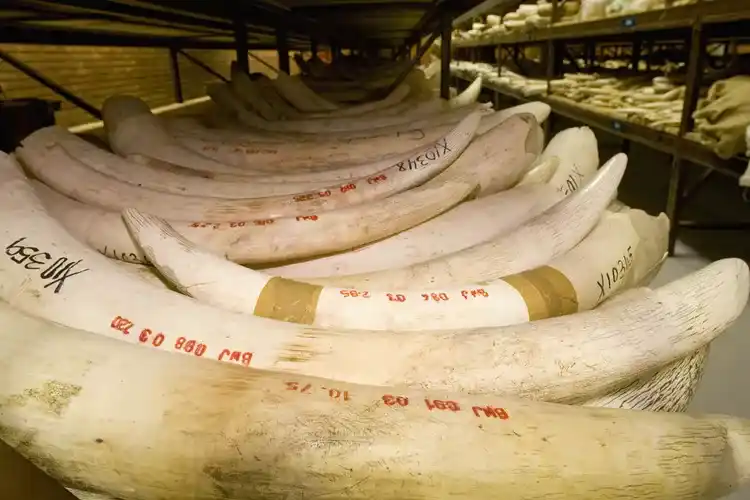
Despite a global ban on the ivory trade since 1990, poaching continues, with tragedies involving the mass slaughter of hundreds of elephants occurring in some parts of Africa. In recent years, the situation has improved somewhat with ivory bans imposed by countries like China, but true safety remains elusive.
In conclusion
Elephants are not only a miracle of nature, but also an object of human emotional resonance. Understanding and protecting them is not only a sign of respect for life on Earth, but also our shared responsibility.