There are an estimated 50 to 430 billion birds on Earth, belonging to more than 10,400 known species. Scientists also speculate that there may be 8,000 more bird species yet to be formally identified. However, worryingly, about 13% of bird species are facing vulnerable, endangered, or critically endangered status. If humans continue to exacerbate environmental pollution and climate change, many existing bird species may face extinction in the near future.
This article will introduce you to 64 bird species that are listed as endangered, including some very representative rare species, and analyze in depth the main reasons for their endangerment.
Representative endangered birds
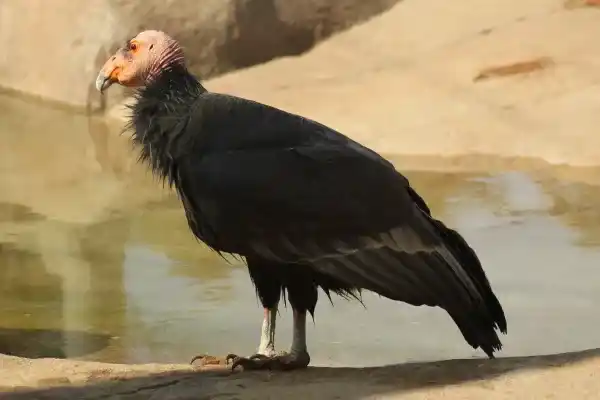
1. California Condor (Gymnogyps californianus)
The California Condor is the largest flying bird in North America, with a wingspan of up to 3 meters, a weight of up to 10 kilograms, and a lifespan of up to 60 years. It primarily inhabits California, Utah, and Arizona in the United States, as well as Baja California in Mexico. As a scavenging raptor, its population is extremely small, with fewer than 500 individuals remaining in the wild and in captivity worldwide, and it is listed as a critically endangered species.
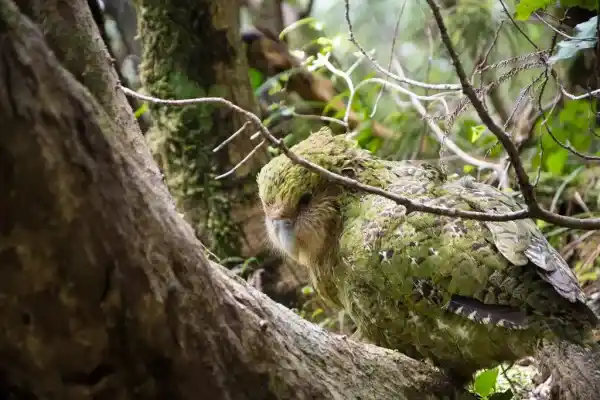
2. Kakapo (Strigops habroptilus)
The Kakapo is a nocturnal parrot endemic to New Zealand and the only flightless parrot in the world. It is herbivorous, has a large body, and can weigh up to 4 kilograms. Due to the introduction of invasive predators, its wild population has dwindled to fewer than 150 individuals, with the remaining individuals mainly concentrated on protected islands.
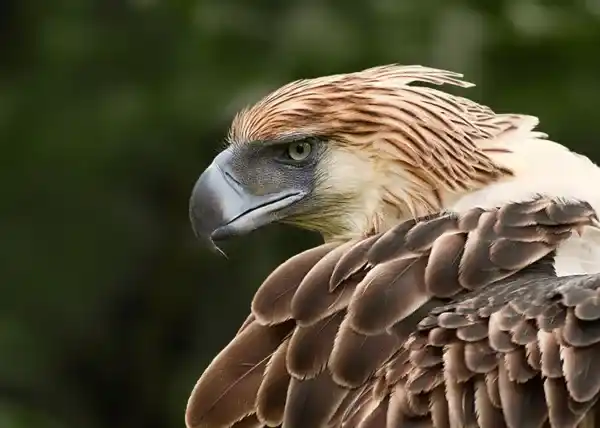
3. Philippine Eagle (Pithecophaga jefferyi)
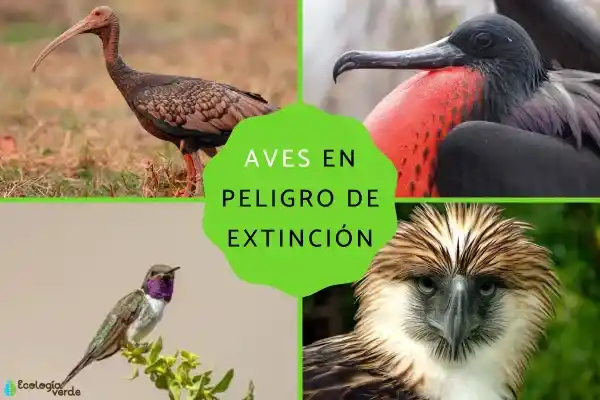
This raptor is the national bird of the Philippines, commonly known as the "monkey-eating eagle." Females can reach 1 meter in length and have a wingspan of up to 2 meters. They primarily inhabit tropical rainforests. Their diet includes monkeys, flying foxes, snakes, and monitor lizards. Currently, their population has declined to less than 500 individuals.
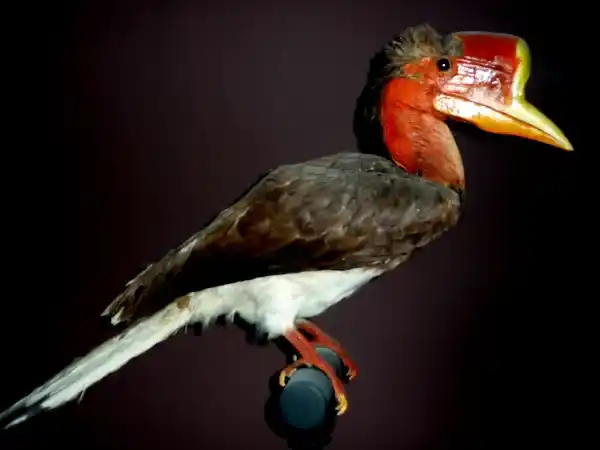
4. Helmeted Hornbill (Rhinoplax vigil)
Distributed in the tropical rainforests of the Malay Peninsula, Sumatra, and Borneo, it is the state bird of western Borneo. Due to its unique "ivory helmet" head structure, it is highly valued on the illegal market and has been heavily hunted. It can reach 1.2 meters in length, with its skull accounting for 10% of its body weight, and is currently critically endangered.
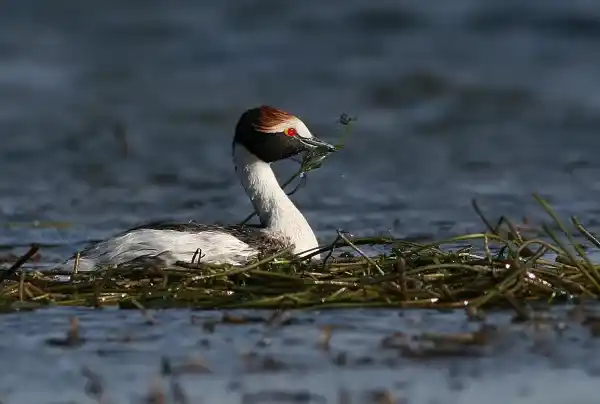
5. Podiceps gallardoi
First discovered in southern Argentina in 1974, this waterbird is found only in the southern Patagonian highlands. Adults are only 28 centimeters long, and the population has dwindled to less than 1,000. They rarely fly during the day, mostly living alone or in small groups, making them one of the most vulnerable waterbird species.
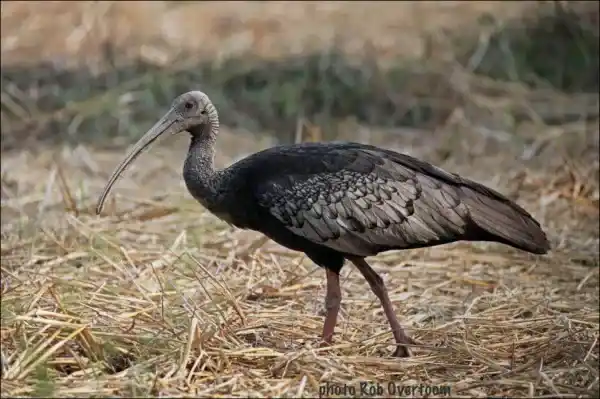
6. Giant Crested Ibis (Thaumatibis gigantea)
This endangered bird species is found in Vietnam, Laos, and Cambodia. It is about 1 meter long and weighs up to 4 kilograms. They feed on insects, small fish, and amphibians. Currently, there are fewer than 200 individuals left in the world, and they face an extremely high risk of extinction.
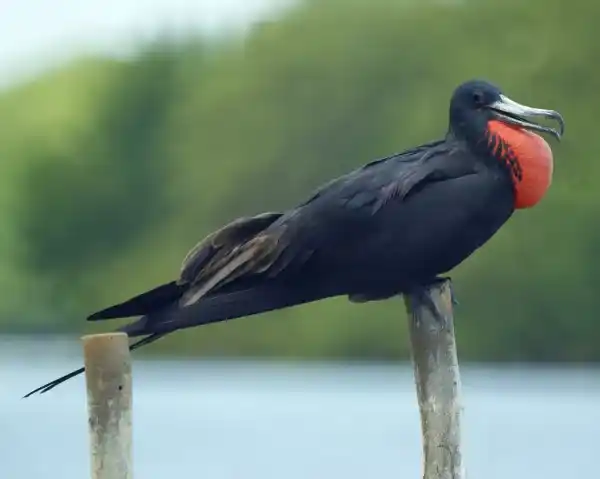
7. Christmas Frigatebird (Fregata andrewsi)
This species is found only on Christmas Island, and measures nearly 1 meter in length. It primarily feeds on fish, shellfish, and crustaceans. The population is estimated to be between 2,400 and 4,800, and faces major threats including habitat loss, marine pollution, mining, and climate change.
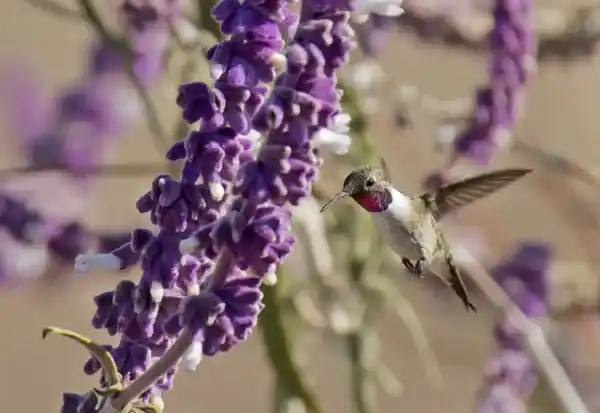
8. Eulidia yarrellii (Hummingbird)
This is Chile's smallest bird, measuring only 8 centimeters in length and weighing less than 3 grams. Currently, fewer than 250 remain in Chilean bush and gardens, making it a nationally protected species.
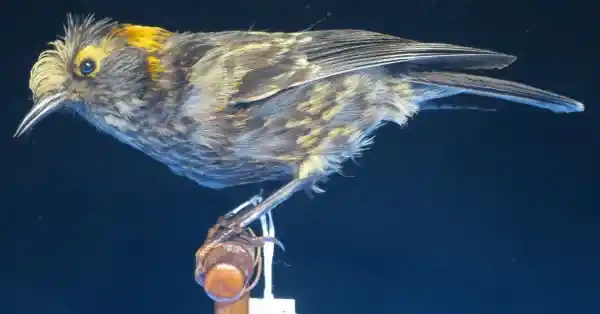
9. Palmeria dolei (Arkochkshahr)
A honey-lover endemic to Hawaii, it feeds primarily on nectar, but also consumes fruit and insects. Its population is estimated at around 4,000 individuals, and it is critically endangered.
List of other endangered bird species
The following is a list of bird species currently classified as critically endangered or extremely endangered worldwide:
Myawattleco Hummingbird ( Eupherusa cyanophrys )
Forked-tailed hummingbird ( Hylonympha macrocerca )
Kagu ( Rhynochetos jubatus )
Mountain Sparrow ( Xenospiza baileyi )
Blue Fringilla polatzeki (Gran Canary Islands)
The tricolor myna ( Agelaius tricolor )
Grey Storm Petrel ( Oceanodroma homochroa )
Guadalupe Auk ( Synthliboramphus hypoleucus )
The Sparrow ( Spizella wortheni )
Peninsular Nightingale ( Geohlypis beldingi )
Venezuelan Red Goldfinch ( Caruelis cucullata )
Kiritimaty Reed Warbler ( Acrocephalus aequinoctialis )
Dwarf Taoniscus nanus
Grape-colored Amazon parrot ( Amazona vinacea )
African Grey Parrot ( Psittacus erithacus )
Purple-crowned Amazon parrot ( Amazona finschi )
Sun Conure ( Aratinga solstitialis )
Short-beaked Black Cockatoo ( Calyptorhynchus latirostris )
Long-beaked Black Cockatoo ( Calyptorhynchus baudinii )
Rainforest Crested Quail ( Pipile jacutinga )
Horned pheasant ( Oreophasis derbianus )
Stone-crowned Pheasant ( Pauxi pauxi )
Marsh Wren ( Cistothorus apolinari )
Antioquia Wren-Babbler ( Thryophilus sernai )
Grey-necked Crowned Crane ( Balearica regulorum )
Trumpet Crane ( Grus americana )
Abbott's Booby ( Papasula abbotti )
Blwitti Owl
Egyptian vulture ( Neophron percnopterus )
Galapagos penguin ( Spheniscus mendiculus )
White-headed Hard-tailed Duck ( Oxyura leucocephala )
South Island Giant Purple Moorhen ( Porphyrio hochstetteri )
Black-eared Honeybird ( Manorina melanotis )
The Magnificent Honeybird ( Anthochaera phrygia )
The Tahitian monarch bird ( Pomarea nigra )
Bugun Eyebrow ( Liocichla bugunorum )
Marquesas Kingfisher ( Todiramphus godeffroyi )
Red-cheeked Amazon Parrot ( Amazona lilacina )
Red-fronted Macaw ( Ara rubrogenys )
Sambad Hornbill ( Rhyticeros everetti )
Sulu Hornbill ( Anthracoceros montani )
Sumatran rhododendron ( Carpococcyx viridis )
Oceanodroma macrodactyla (Guadalupe Seagull)
Galapagos Roundtail Shelduck ( Pterodroma phaeopygia )
Cantabrian Grouse ( Tetrao urogallus cantabricus )
Tuamotu Partridge ( Pampusana erythroptera )
Indian Great Bustard ( Ardeotis nigriceps )
New Caledonian Nighthawks ( Aegotheles savesi )
Bengal Bustard ( Houbalopsis bengalensis )
Socorro Mockingbird ( Mimodes graysoni )
Bali Ali Shepherd ( Puffinus mauretanicus )
Townsend's shearwater ( Puffinus auricularis )
Colombian Crested Cuckoo ( Crax alberti )
Malayan White Stork ( Mycteria cinerea )
Arctic Curlew ( Numenius borealis )
Reasons for bird endangerment
The main threats to birds almost all stem from human activities:
Poaching and illegal trade : animals illegally captured for pet, decorative, or medicinal purposes.
Invasive predators : Cats, mice, and other animals are introduced to prey on bird larvae or eggs.
Habitat destruction : Deforestation and urban expansion lead to habitat reduction or disappearance.
Climate change : leads to habitat shifts, food chain disruptions, and migration pattern interruptions.
Environmental pollution :
Light pollution disrupts circadian rhythms.
Noise pollution affects communication and foraging.
Water and air pollution leads to the accumulation of toxins in the food chain.
Impact on man-made structures : Birds often collide with glass curtain walls, power lines, wind turbines, or ships.
Waste ingestion : Ingesting plastic or other municipal waste can lead to poisoning or intestinal blockage.
Conclusion
The decline in endangered bird populations not only represents a loss of biodiversity but also reflects an imbalance in the Earth's ecosystem. Each of us can contribute to the future of these birds by taking actions such as reducing pollution, supporting environmental organizations, and rejecting the illegal wildlife trade.
For more related content, please visit our "Endangered Animals" section to explore the awe-inspiring survival status of more wildlife species.
References
Edited by aViblog. (2019). Endangered Birds: What Are They? aViblog. Accessible: https://www.sexadodeaves.com/vlog/es/aves-en-peligro-de-extincion/
BirdLife International. (2020). BirdLife International. IUCN Red List of Threatened Species. Accessible: https://www.iucnredlist.org/species/22697636/181151405
James, C. (2020). This photograph aims to raise awareness of the more than 2 billion birds and other animals killed by domestic cats in the United States each year. National Geographic. Accessible: https://www.nationalgeographic.es/animales/2020/09/gatos-domesticos-mataron-a-232-animales-de-esta-foto
Red List of Threatened Species (2021). IUCN Red List of Threatened Species. Website: https://www.iucnredlist.org/search?query=Amazona%20finschi&searchType=species
National Geographic Editorial Team. (2018). California Vulture. National Geographic. URL: https://www.nationalgeographic.es/animales/condor-californiano
Vives, J. (2020). If you let your cat roam the streets, it could end up killing all these animals. *Vanguardia*. URL: https://www.lavanguardia.com/natural/fauna-flora/20200925/483650274744/dejas-gato-vagando-calle-acabe-matando-animales.html