Approximately one-fifth of the world's birds migrate. For birds, each migration is an epic feat, and often a dangerous, endurance marathon. Below are some of the most remarkable bird species that undertake ultra-long-distance migrations.
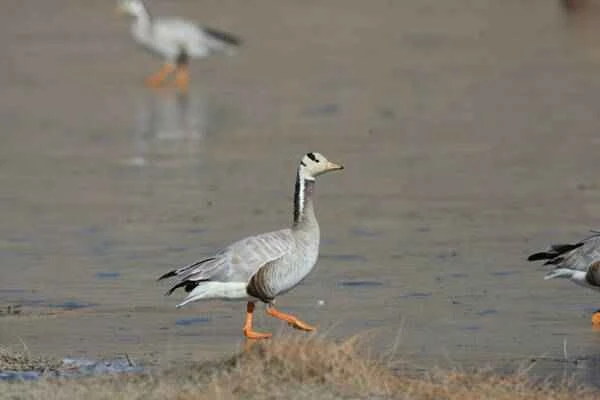
The Bar-headed Goose (Anser indicus) is the champion of long-distance continuous high-altitude flights.
Migration distance: 3,000-5,000 km
Thin air? No problem. These robust geese may not fly for long periods, but their continuous altitudes during migration are likely unmatched by other birds. Migrating from their breeding grounds in Mongolia, the Tibetan Plateau, and northern China to their wintering grounds in India, these birds can fly up to 7,000 meters across the Himalayas, utilizing less than 10% of the available oxygen at sea level, without any tailwinds. While researchers have concluded that they do conserve energy by traversing valleys and flying at night, scientists remain unsure of the genes behind their extraordinary abilities. Despite a seemingly declining population trend, these geese have an extremely wide distribution and are listed as Least Concern by the Bird Society on the IUCN Red List.
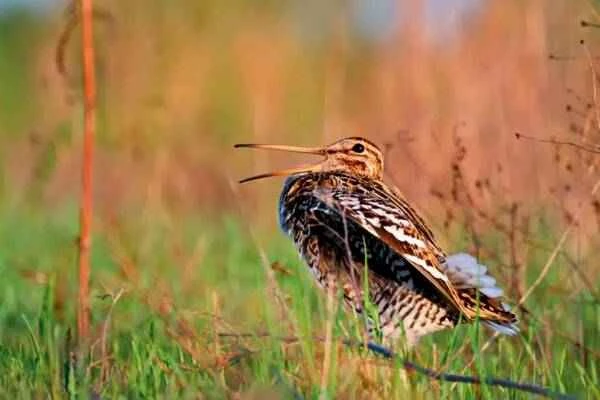
The long-distance flight speed champion – Great Snipe (Gallinagomedia)
Migration distance: 6,800 km
Peregrine falcons may win sprint races, swooping down to speeds of up to 390 km/h to catch prey, but they can't win marathons. The fastest long-distance flyer is likely the spotted snipe—a surprising result considering how plump it becomes before its winter migration. But their aerodynamic shortcomings are compensated for by their energy reserves. This stocky bird doesn't need tailwinds to accelerate, reaching speeds of up to 97 km/h over distances of 6,800 km. When they fly across the land from Scandinavia to sub-Saharan Africa, they don't even rest, resulting in a weight loss of half. Unfortunately, due to habitat loss caused by increasingly intensive agricultural development and wetland drainage in Russia and Ukraine, the species is classified as threatened by bird societies.

The Bar-tailed Godwit (Limosa lapponica) holds the record for the longest continuous flight.
Migration distance: 11,000 km
Imagine a nine-day continuous flight with no time to sleep, food, or water. This is the migration route of the Bar-tailed Godwit. Crossing the Pacific from Alaska to New Zealand, they hold the record for the longest non-stop flight by any bird, covering over 11,000 kilometers. Despite their extremely wide distribution, some subspecies face threats. Due to severe habitat loss along the Yellow Sea coast of China, the number of Bar-tailed Godwits migrating along the East Asia-Australia route is rapidly declining, leading to their classification as Near Threatened. Fortunately, bird conservation organizations are working with governments to protect their stopover sites and prevent further habitat degradation. Even if they don't seem to have endurance issues, we should still give them a chance to persevere!

The smallest bird to fly long distances – the Red Knot (Calidris canutus)
Migration distance: 15,000 km
Despite their relatively small wingspan of only 20 inches, some of the Red-bellied Stint fly nearly 15,000 kilometers annually, from the southern coasts of Chile and Argentina all the way to the Canadian Arctic Archipelago. Sadly, human disturbance makes this journey even more difficult. Coastal development and overfishing of horseshoe crabs led to the Atlantic subspecies of the Red-bellied Stint being listed as endangered under the U.S. Endangered Species Act in 2014; horseshoe crab eggs are an important food source for the bird.
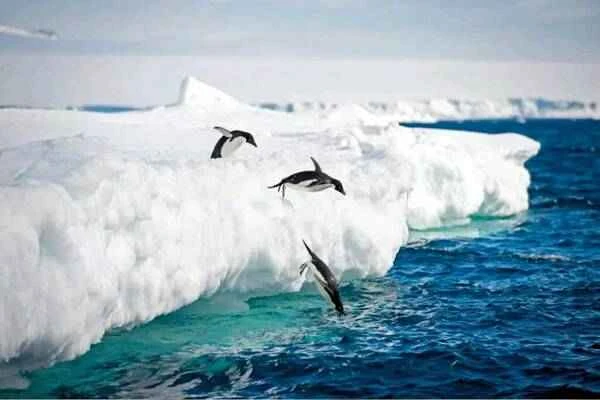
Long-distance swimming champion – the Adélie penguin (Pygoscelis adeliae)
Maximum migration distance: 17,600 km
It's not all aerial migration! Flightless birds like penguins also migrate. The Adelie penguin is a prime example. It's well known that Adelie penguins follow the sun 13,000 kilometers each year from their breeding grounds to their wintering roost in the Ross Sea region of Antarctica, and then return. In winter, south of the Antarctic Circle experiences polar night, and the sun doesn't rise—a significant challenge for these penguins, as they need to be ready to venture into the sea to hunt krill at any time. Their solution is to continuously walk to the edge of the ice sheet, as the ice expands during the colder months. When the ice recedes in spring, they remain at the edge, meaning they need to migrate back. Although climate predictions suggest their numbers will decline in the future, they are currently increasing, especially in East Antarctica, where most Adelie penguins breed.
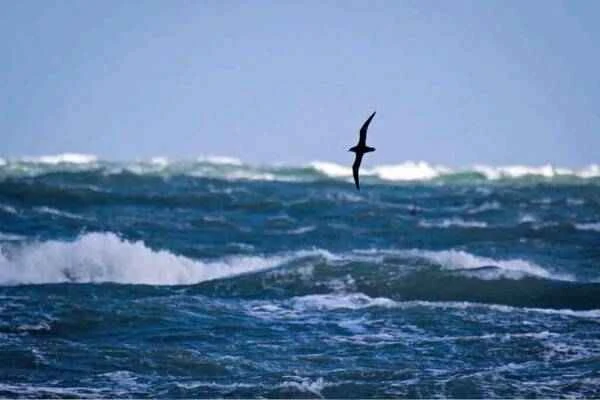
The champion of the longest flight time – the short-tailed shearling (Ardenna tenuirostris)
Migration distance: 30,000 km
The short-tailed shearling is a true circumnavigator, migrating annually from its breeding grounds in Tasmania and southern Australia to the Kamchatka Peninsula in the Russian Far East, then continuing to the Aleutian Islands in Alaska, before circumnavigating the Pacific Ocean and returning along the west coast of North America. Their bodies are perfectly adapted for gliding over water, allowing them to fly for extended periods while conserving energy. Surprisingly, even after such an astonishing distance, they return to the same burrows every year. While numbers have reportedly declined in some areas, their total population is still estimated to exceed 20 million, making them the most abundant seabird species in Australian waters.
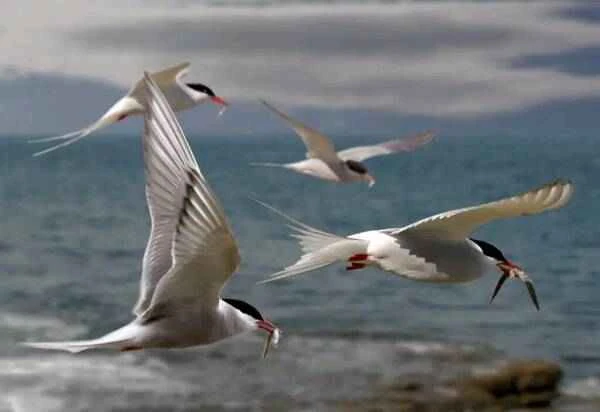
The ultimate champion of the longest-distance migration – the Arctic Tern (Sternapar adisaea).
Average round-the-world flight distance: 90,000 km
The record-breaking feat of the Arctic tern is indispensable on any bird migration list. It represents the longest known migration in the animal kingdom, with this medium-sized bird traveling 90,000 kilometers annually from the Arctic to the Antarctic—from Greenland in the north to the Weddell Sea in the south. Remarkably, Arctic terns can live up to 30 years, meaning that if you add up the distances they migrate throughout their lives, their total journey is equivalent to traveling to and from the moon more than three times. This epic journey of the circumnavigator even inspired BirdLife, which uses its image in its logo to reflect BirdLife's global reach.