Midges are the fastest-flapping insects on Earth, reaching approximately 63,000 flaps per minute. If the wingtips are removed and the insect is placed at 99°F, the flapping speed reaches around 130,000 flaps per minute. They are a very common and highly resilient aquatic insect, widely distributed in various water bodies. They account for more than half of all benthic invertebrates and 70%–80% of the biomass of aquatic benthic animals. Their large numbers make them crucial for freshwater ecological balance and fish farming.
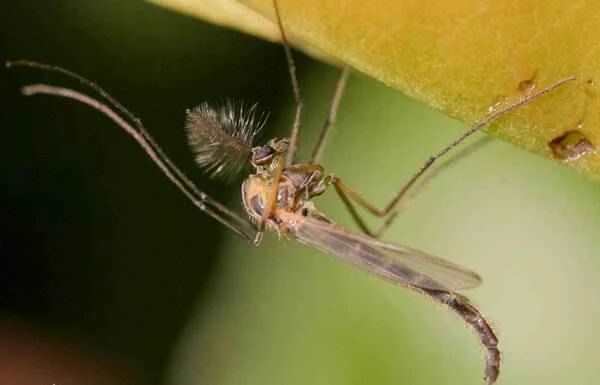
Midges are dioecious (separate sexes). In warmer seasons, when food is abundant in the water, the eggs laid by female midges do not require fertilization. Each female lays several to dozens of eggs, which develop directly into baby midges within the mother's incubation sac. These baby midges are usually female. A single female midge can reproduce continuously, and the baby midges, after maturing, will also reproduce. This parthenogenesis allows midges to multiply rapidly.
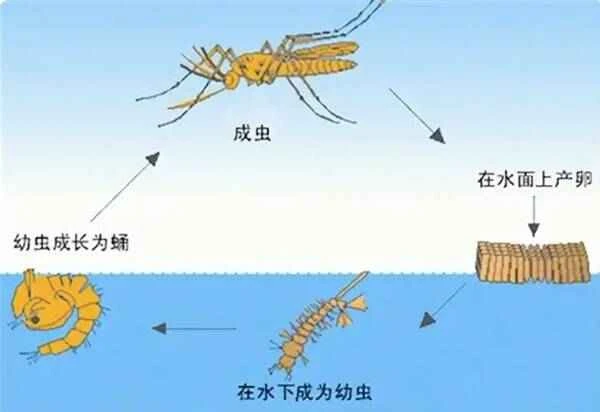
Midge larvae are an important link in the aquatic food chain and are food organisms for many commercially important fish species. Most species of midge larvae can directly utilize organic detritus in the water and consume a considerable amount of food, which can effectively purify water quality, especially in eutrophic water bodies.
Midges are not sanitary pests and do not spread diseases, so people don't need to panic. Of course, an excessive number of midges can affect people's normal lives. Removing weeds and clearing stagnant water can reduce the breeding of midges.
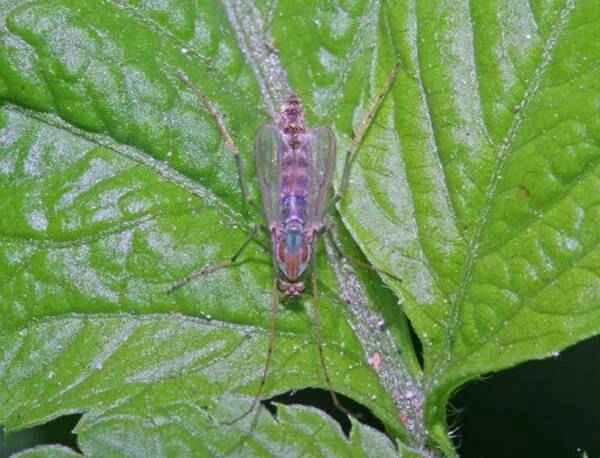
The large-scale gathering of midges is a warning sign of worsening water pollution. Water pollution increases the amount of organic matter and microorganisms in water bodies, providing ample food and a suitable breeding environment for midges. Midges thrive in environments between 15°C and 25°C, with autumn being their peak breeding season. If high temperatures persist into spring, meeting the optimal climatic conditions for midge growth, the peak breeding season can occur six months earlier.