Le Corbusier said, "Architecture is the highest art; it achieves Platonic sublimity, mathematical laws, philosophical thought, and a sense of harmony arising from emotional coordination." This is the purpose of architecture. For many top architects, architecture has long transcended its purely functional value; it is an art of beauty, and one could even say that the life of architecture is its beauty.
So what are the criteria for judging the beauty of architecture? Simply put, it needs to possess aesthetic appeal in its form, creating a visually stunning effect. On an intrinsic level, architecture is an expression of the architect's emotions. When an architect infuses emotion into a building, it is no longer just a pile of steel, concrete, stones, and bricks, but rather a Venus de Milo with missing arms, a contemplative Rodin, bringing people more spiritual and emotional enlightenment.
This article introduces five architects who design homes specifically for animals. Their works may not be grand or world-renowned, but each building is constructed with love. They are redefining what constitutes quality architecture and leading a new trend of animal-friendly architecture.
NO.1
Penguin Home
In recent years, environmental degradation has become increasingly serious. Especially in Antarctica, as temperatures rise and ice melts, the living space for emperor penguins living there is shrinking. Many penguins have been unable to raise their chicks for more than three consecutive years.
National Geographic also reported that scientists recently measured the highest temperature ever recorded on Seymour Island at the northern tip of Antarctica, reaching 20.75°C. Considering this is the icy Antarctic Peninsula, the devastating consequences of such a high temperature are self-evident.
As global temperatures rise, ice and snow melt, and rainfall increases, the interconnected consequences mean that many emperor penguin habitats in Antarctica are no longer the magnificent sight of frozen landscapes covered in snow. Instead, mud and bird droppings have mixed together, making the penguins themselves dirty and unsightly.
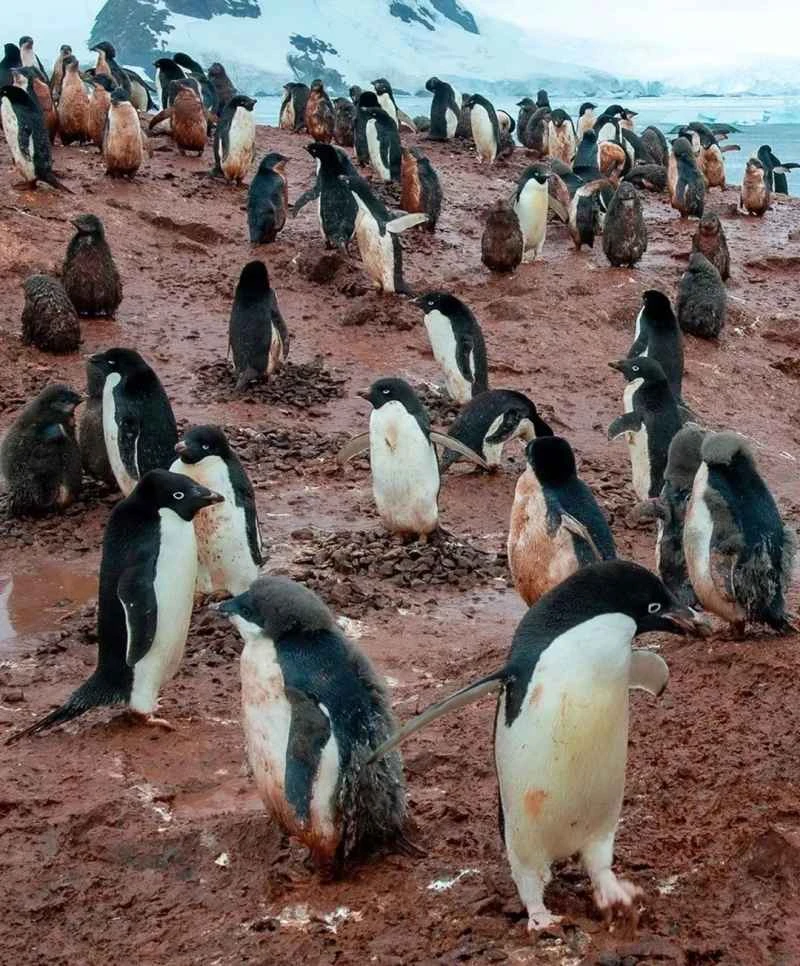
If it were just a matter of their fur getting dirty, that would be one thing. The worst part is that after a sudden downpour, the penguins, soaked to the bone and covered in mud, are easily chilled by the Antarctic winds, making them not only susceptible to colds and illnesses, but many also die from hypothermia. It's hard to imagine that one day the penguins of the Antarctic Peninsula are freezing to death.
Living conditions have deteriorated, and even food is facing various problems. The "blood snow" scene in Antarctica exposed by photographers last year was shocking to many. "Blood snow" is caused by the excessive proliferation of algae after the temperature rises. This algae is somewhat the color of carrots, turning into a frightening red.

Excessive algae growth not only destroys the penguins' food source but also severely affects sunlight reflection, causing the ice and snow to melt even faster. Without intervention, a vicious cycle will soon ensue, and the emperor penguins will be the first to suffer. Scientists say that with the melting ice and snow, Antarctic emperor penguins face the risk of extinction.
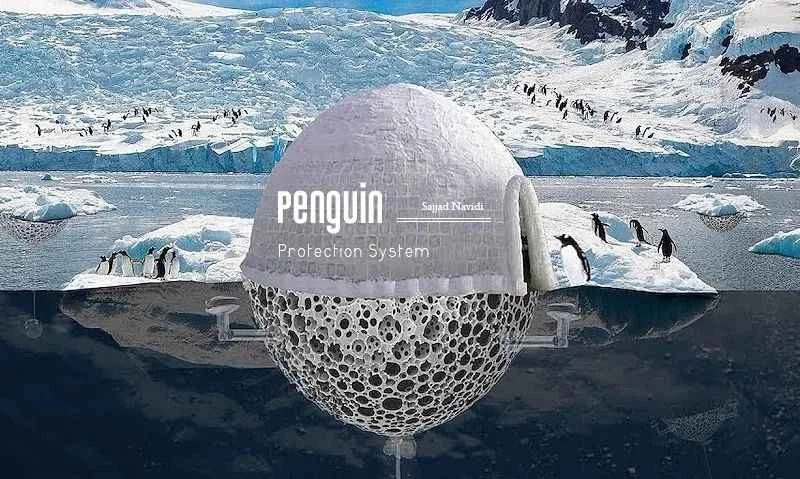
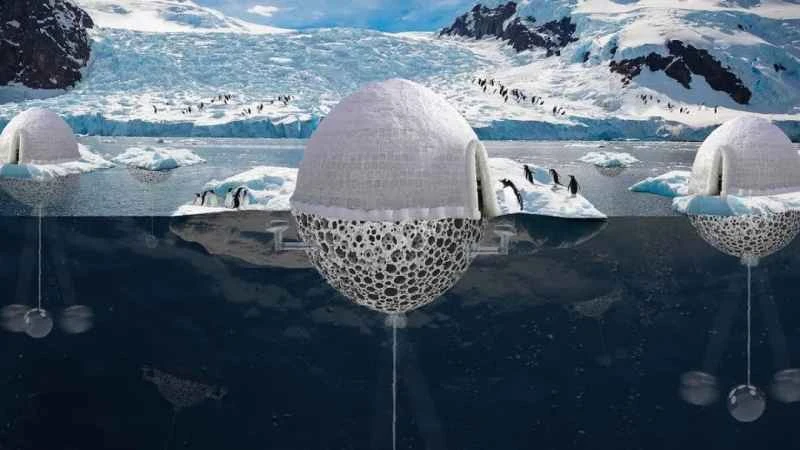
Upon hearing about this, Iranian architect Sajjad Navidi wanted to help build shelters for the penguins. He designed a groundbreaking concept called the "Penguin Protection System." If large-scale fundraising can be achieved, it will effectively protect penguin habitats and save the endangered penguins.
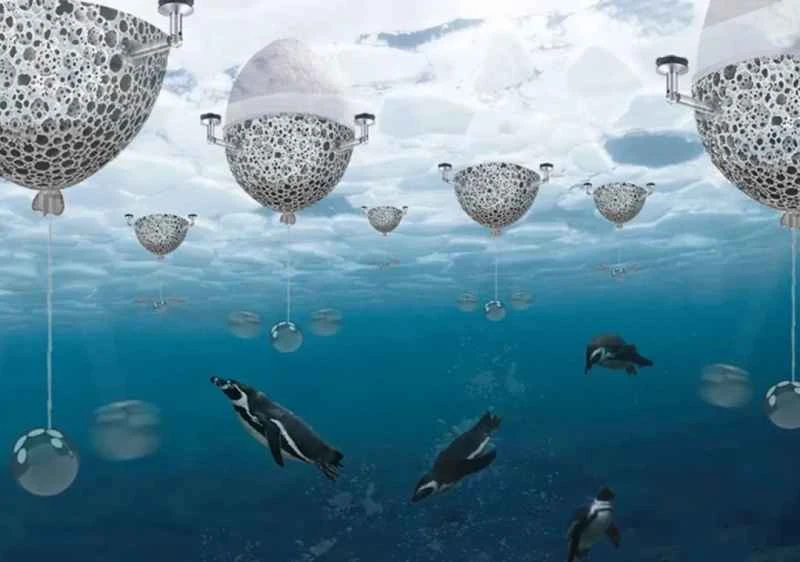
Specifically, the "Penguin Protection System" is a three-dimensional floating house designed with the inspiration of the igloos inhabited by Eskimos and the habit of emperor penguins huddling together for warmth and sleep as its foundation. From a distance, the house looks like a small Eskimo home, but upon closer inspection, you'll find that the interior can accommodate many penguins living together.
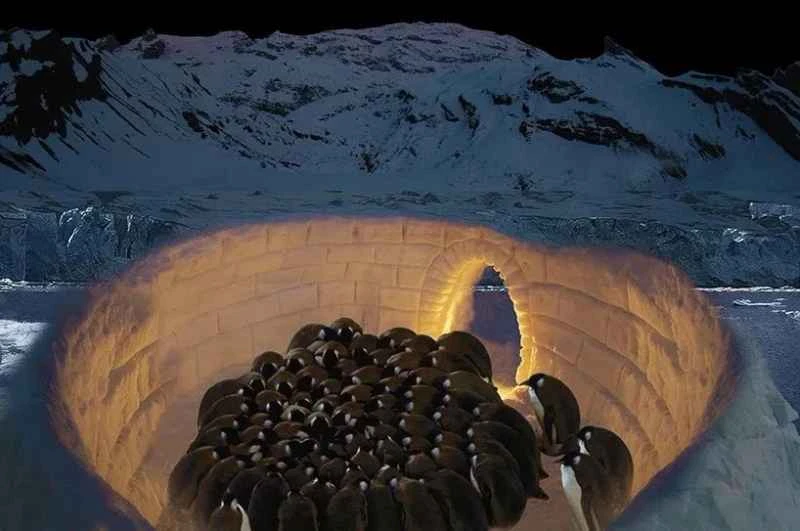
Judging by the exterior alone, the igloo isn't particularly remarkable; it's a typical polar dwelling. But the most amazing aspect of this structure is that beneath it lies a sponge-like structure. Hanging from this structure is a pendulum-like decoration, a physical entity capable of converting and generating energy.
Whenever seawater flows by, this pendulum swings back and forth with the current, generating energy to activate a cooling device on the outside of the igloo, effectively lowering the temperature around the igloo. When the seawater flow is too strong, it means that the nearby glacier is melting rapidly, generating even more energy and causing a greater cooling effect; the nearby seawater may even refreeze.
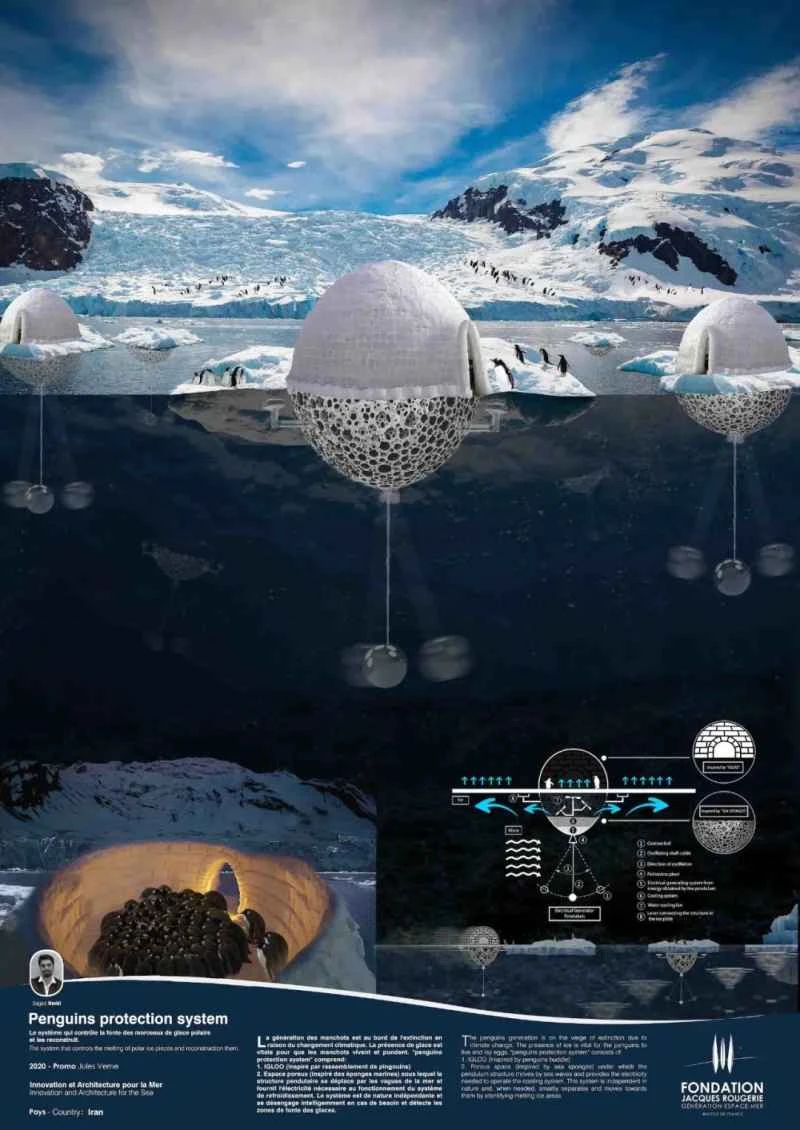
Sajjad Navidi expressed his hope that these igloos could be deployed on a large scale on the sea. Once the penguins have settled into their respective igloos, the cooling devices underneath will continuously radiate cooling outwards from the igloos. In this way, the areas between the igloos will become interconnected layers of ice.
This means that the penguin colony, which is housed in igloos, will be transformed into a large "floating city" where emperor penguins can not only make their home but also frolic on the ice.
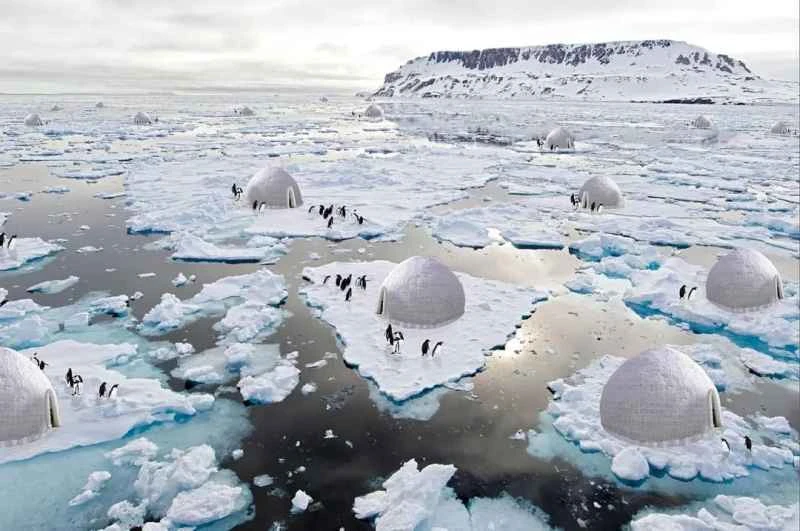
Most remarkably, the igloo's upper and lower structures can be disassembled. The sponge cooling system underneath can be removed and placed in areas where melting ice is particularly severe. This artificial cooling, a planned intervention in the local climate, slows down the melting of Antarctic glaciers, thereby effectively protecting the emperor penguins' habitat.
This design has won numerous awards and inspired many architects. In today's increasingly deteriorating environment, architectural design is no longer simply about meeting human needs for shelter and urban development; it must also comply with environmental protection requirements.
Only by building a sustainable development ecosystem can we truly realize its important value in improving the environment.
NO.2
Giant Panda's Home
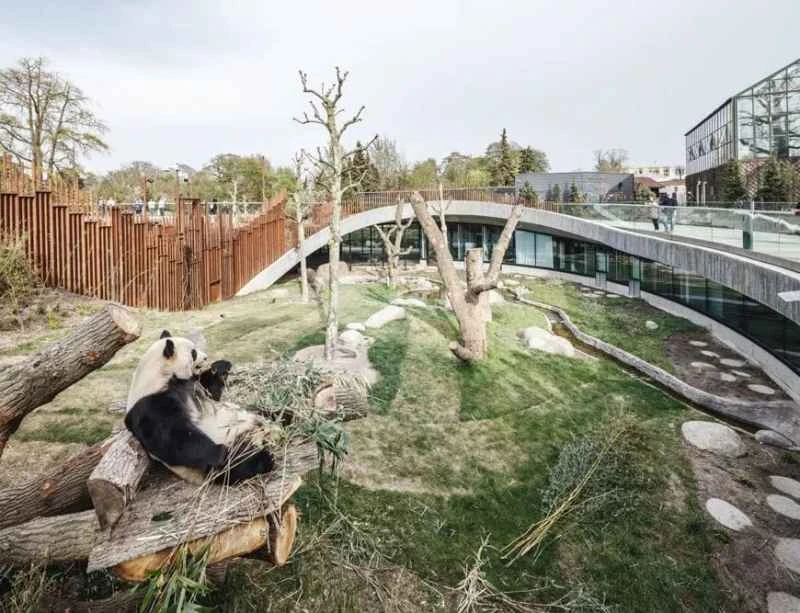
Compared to the online rumors of the United States abusing giant pandas, forcing them to live in filthy and chaotic environments that cause them to fall ill frequently, have dirty fur, and live a miserable life, the practices of the Copenhagen Zoo in Denmark can be regarded as a model of proper panda care and an example of humane treatment of animals.
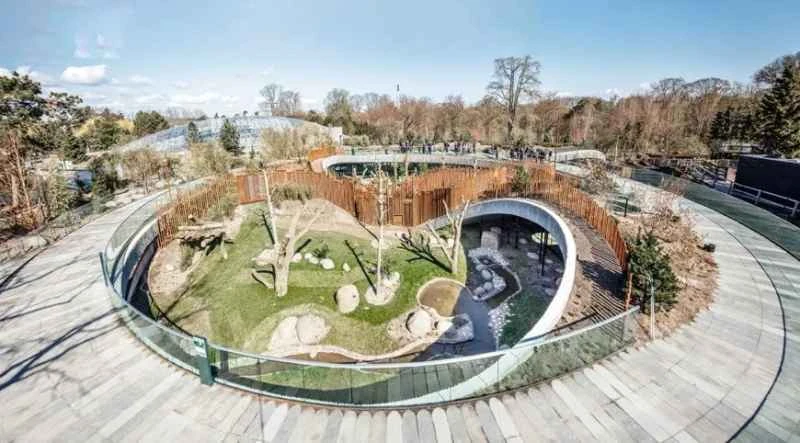
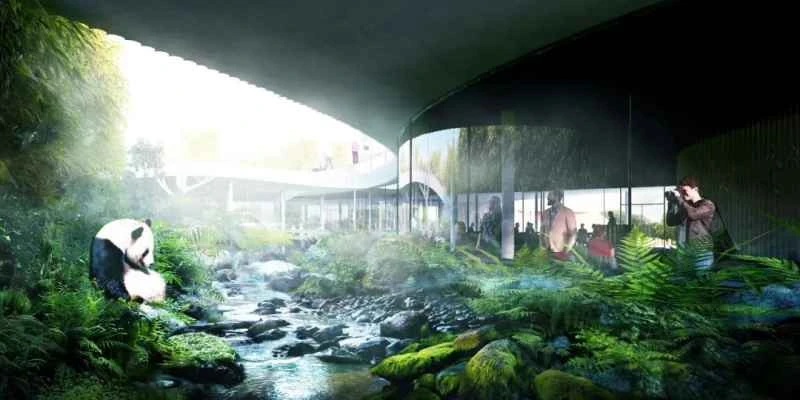
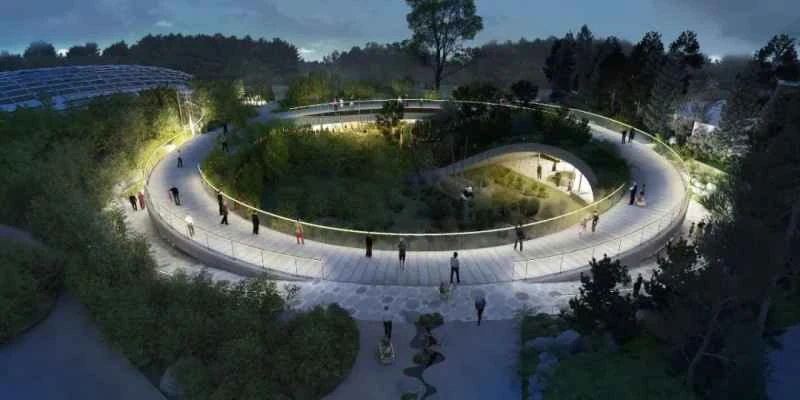
In December 2019, Copenhagen Zoo opened a long-awaited new attraction called the Panda House. This house was built to welcome two pandas from Chengdu, China, named "Mao Er" and "Xing Er." The entire building cost $24.2 million and covers nearly 1,300 square meters (equivalent to three basketball courts).
At the opening ceremony of the Panda House, Princess Mary, the patron of Copenhagen Zoo, attended with her two children, Princess Josephine and Prince Vincent. Regardless of whether the Panda House itself is aesthetically pleasing, the dedication shown in the event is commendable, proving that our pandas have not been entrusted to us in vain.
What's most remarkable about Copenhagen Zoo is that it not only designed special spaces for the pandas but also incorporated many Chinese elements into the design concept. For example, the concept of "nature and all things" was used to create two distinct living areas for the two panda guests visiting Denmark, yet the two areas are interconnected.
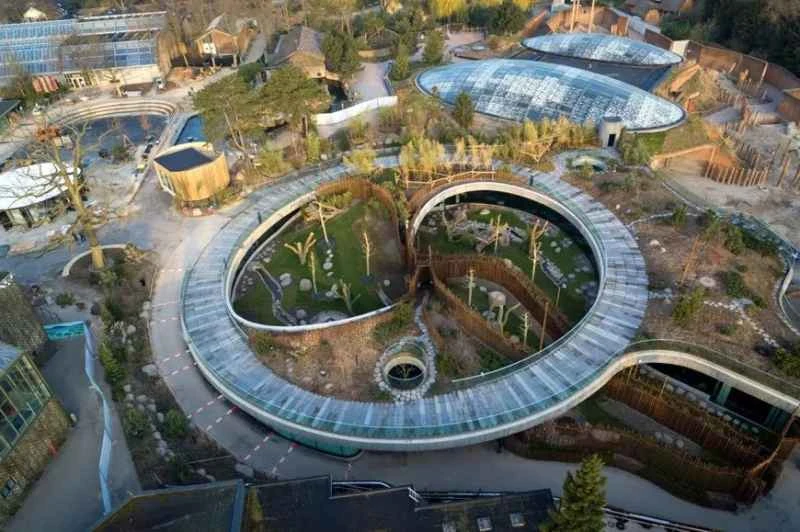
The Copenhagen Panda House was designed in collaboration with two professional teams: BIG Bjarke Ingels Group and Schonherr Landscape Architects.
This team brings together renowned architects, engineers, panda experts, zoologists, and professional veterinarians to collaborate on the project. The aim is to design and create an environment that best suits the pandas' natural habits and provides them with the most comfortable living conditions, using the Copenhagen Zoo as a reference point, in order to truly protect this rare global animal.
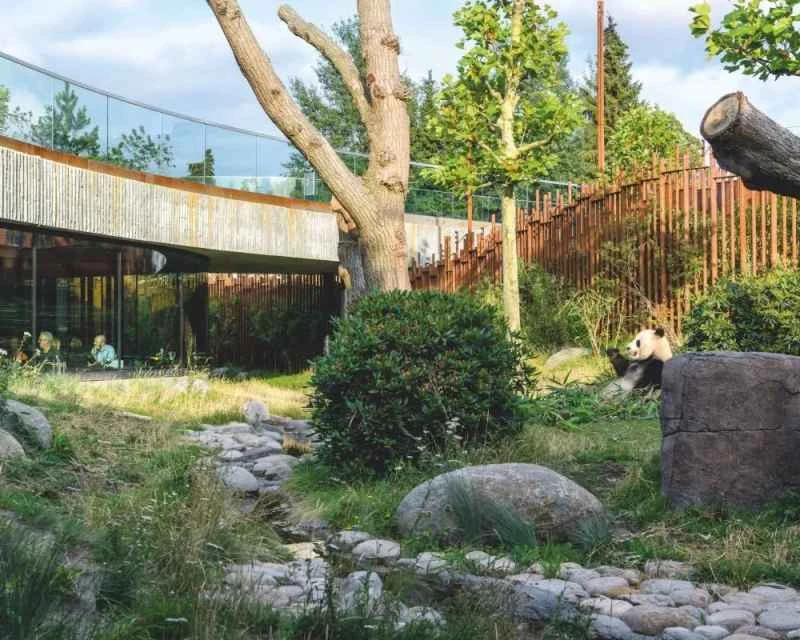
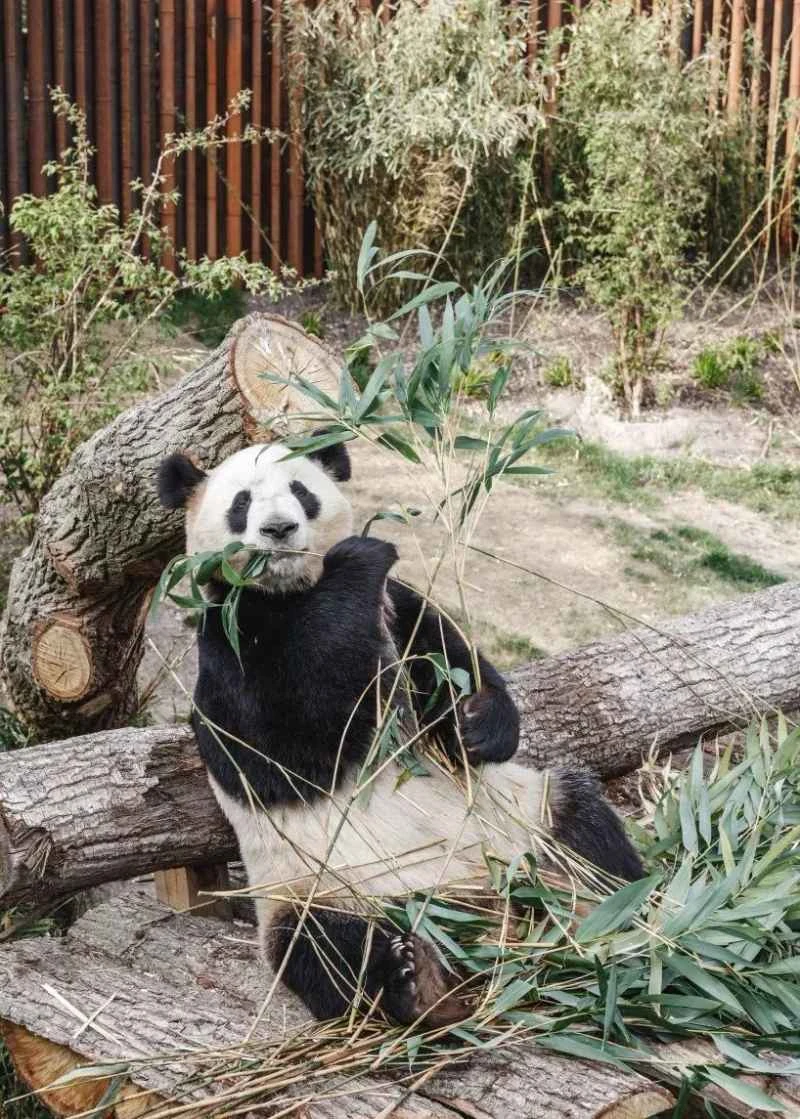
In explaining the design concept of the panda enclosure, David Zach, head of the BIG Bjarke Ingels Group, explained: "We discovered that giant pandas prefer to be alone, except during mating season. So we separated the male and female pandas to prevent them from smelling each other or having physical contact."
Therefore, the design of the two distinct areas was based on this habit, allowing the two giant pandas to live independently yet harmoniously. Overall, the design of the panda enclosure is intended to make humans feel that when they come here, they are visiting the pandas' home, rather than the pandas being exotic guests from a distant land.
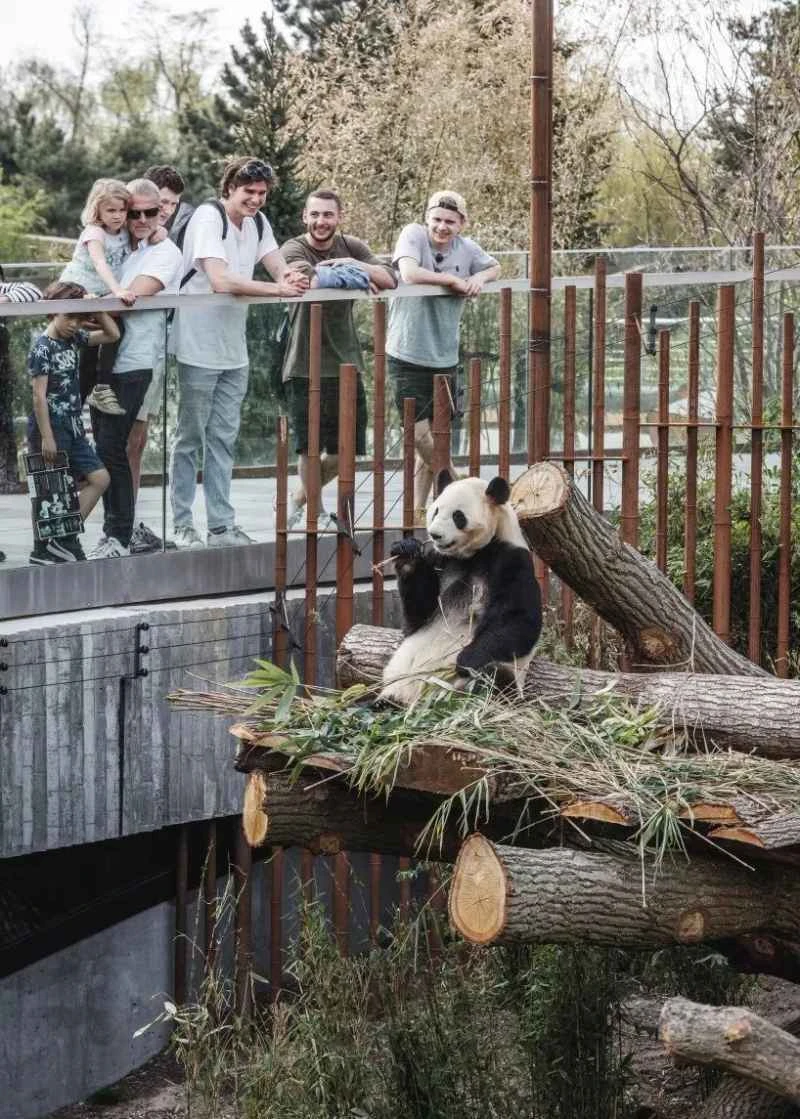
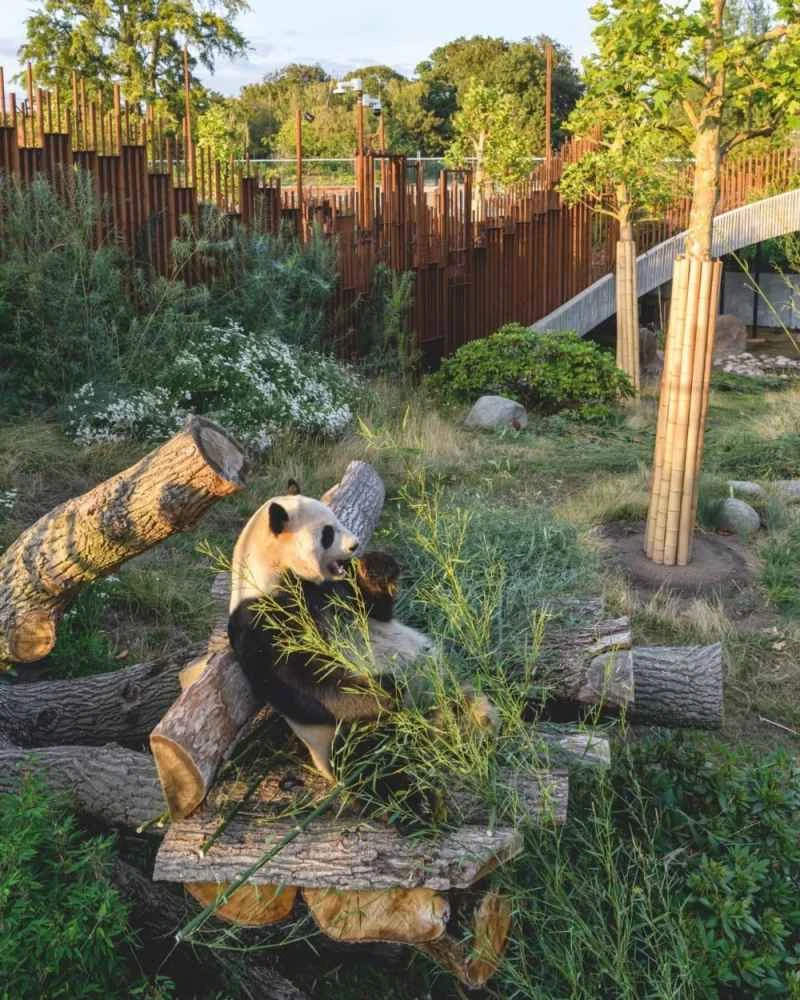
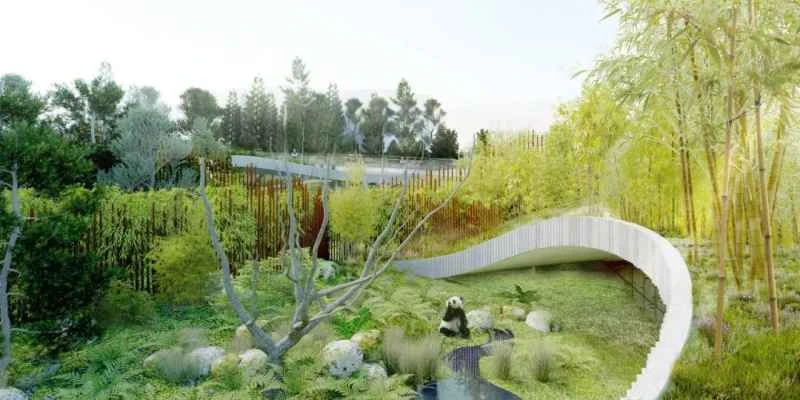
Furthermore, because giant pandas need both shade and water and sunlight in their habitat, two distinct environments were specially constructed: a dense, misty forest and a light green bamboo forest. This ensures that "Mao Er" and "Xing Er" can choose different living spaces based on the season, temperature, and their preferences.
To be honest, seeing how much pandas prefer to live alone and how picky they are about their environment, I finally understand why they are rare animals.
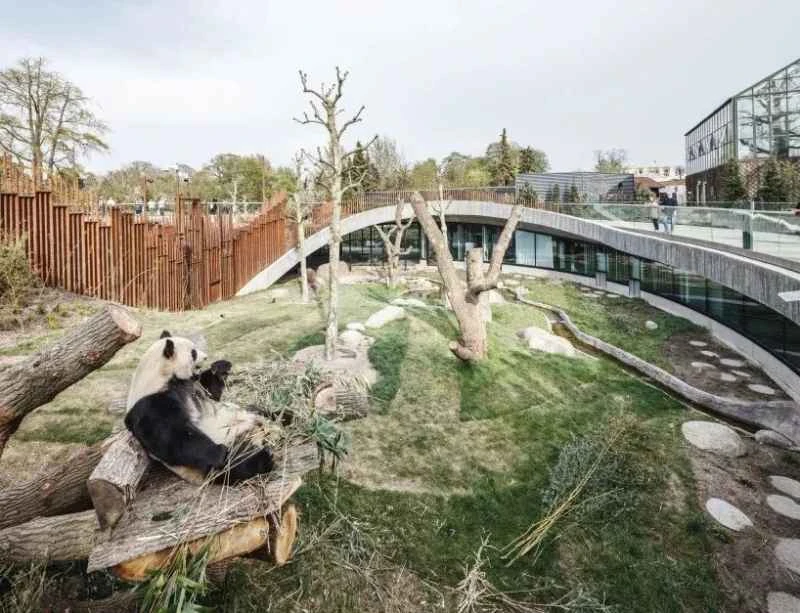
However, looking at the entire building, it's clear that Copenhagen Zoo has put a lot of thought and effort into it.
The zoo has a very large interior space, filled with various plants, rocks, climbing trees and tree trunks, giving the giant pandas space to rest, play, and eat. At the same time, the use of various elements such as basins, streams, and waterfalls not only enriches their lives but also plays a physical role in cooling them down.
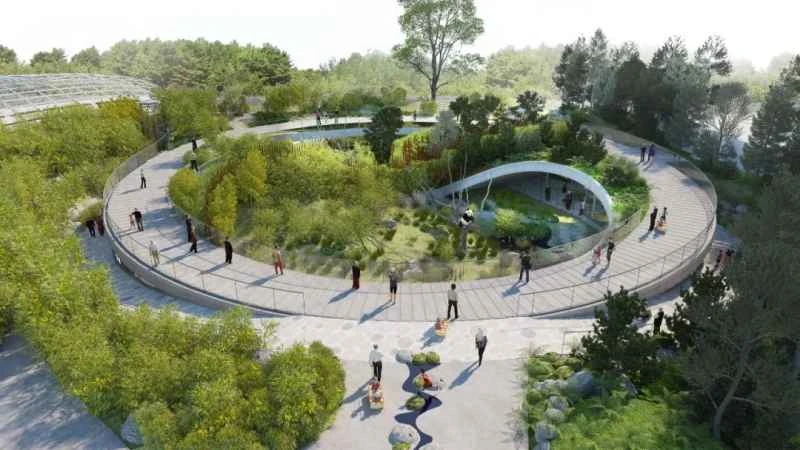
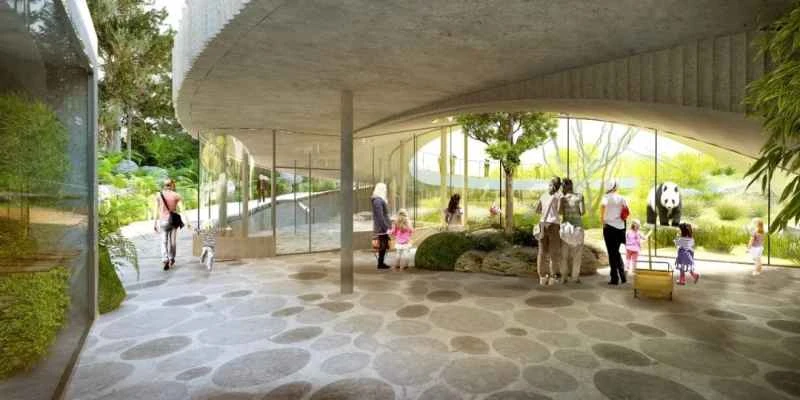
For visitors, there is a restaurant next to the panda living area. The upper level overlooks the entire panda living space, while the lower level is covered with local Nordic plants and bamboo forests leading to the panda living area, ensuring that the line of sight and the landscape are on the same level, making visitors feel as if they are actually there.
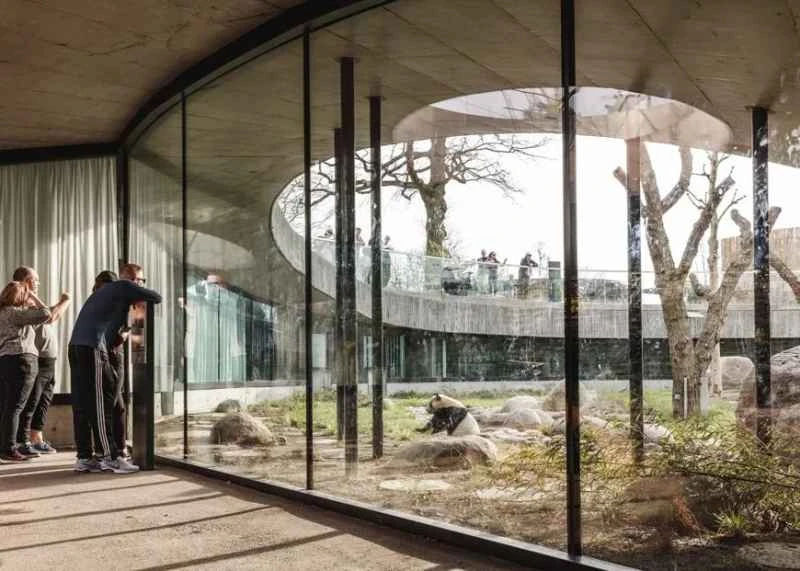
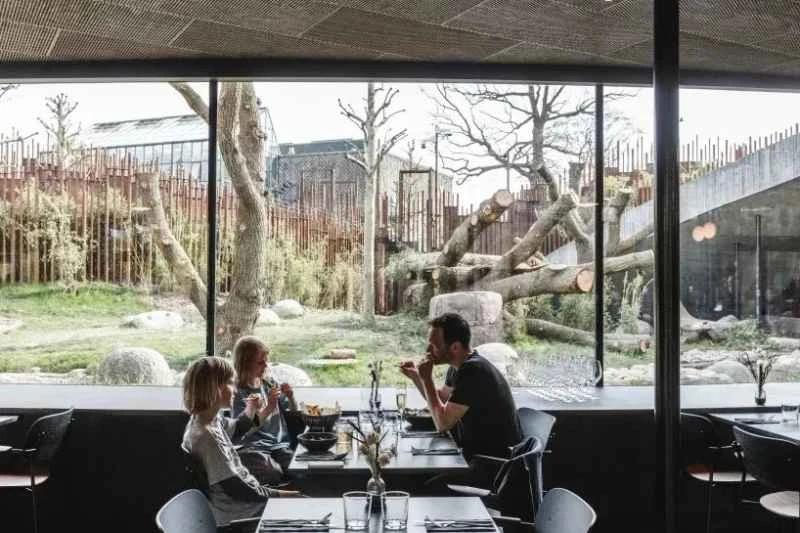
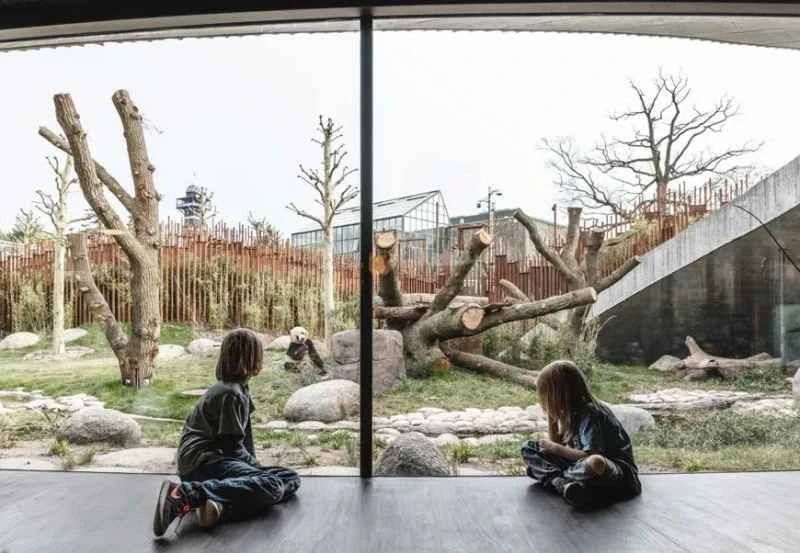
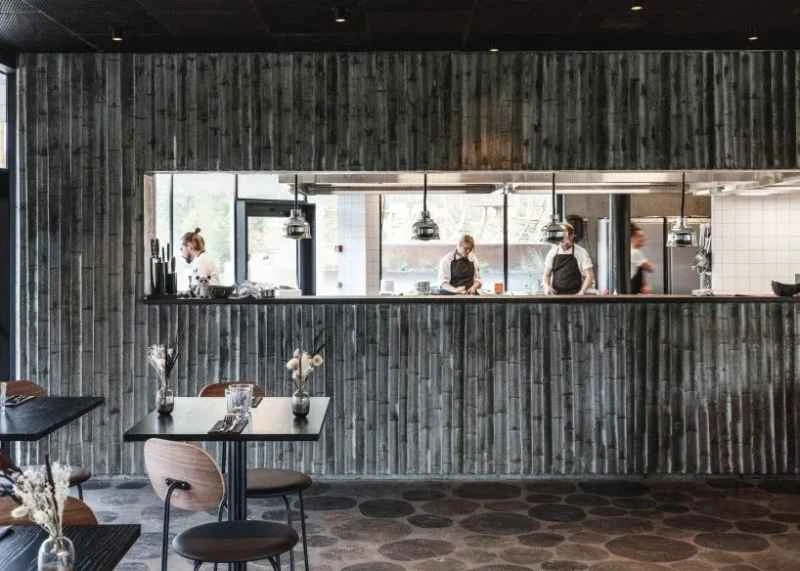
It can be said that good architecture is full of humanistic care. And the goal of humanistic care is not only endangered species and rare animals of humankind, but also animals and pets living around humans. Creating diverse and livable spaces for them should also be incorporated into architecture.
Especially when pets have become an indispensable part of human life.
NO.3
Pet Hotel
For modern people, the biggest problem when taking a vacation is what to do with their pets. While they can temporarily ask relatives or friends to take care of them, or send them to a pet store for boarding, many people actually want to bring their pets along when they become part of their emotional companionship.
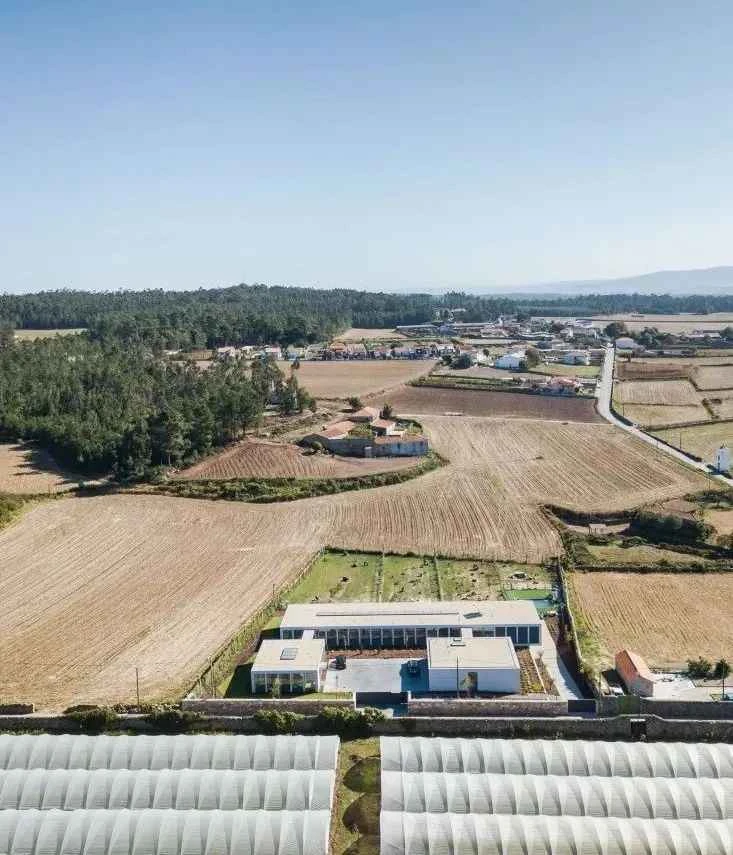
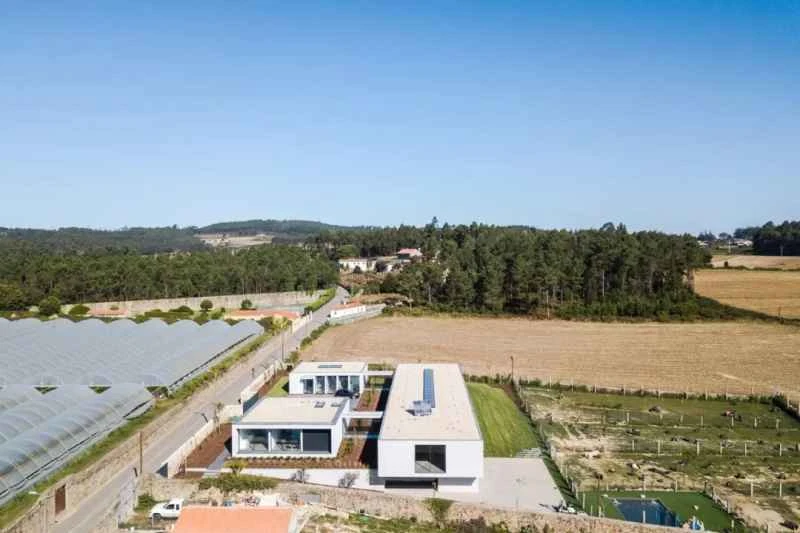
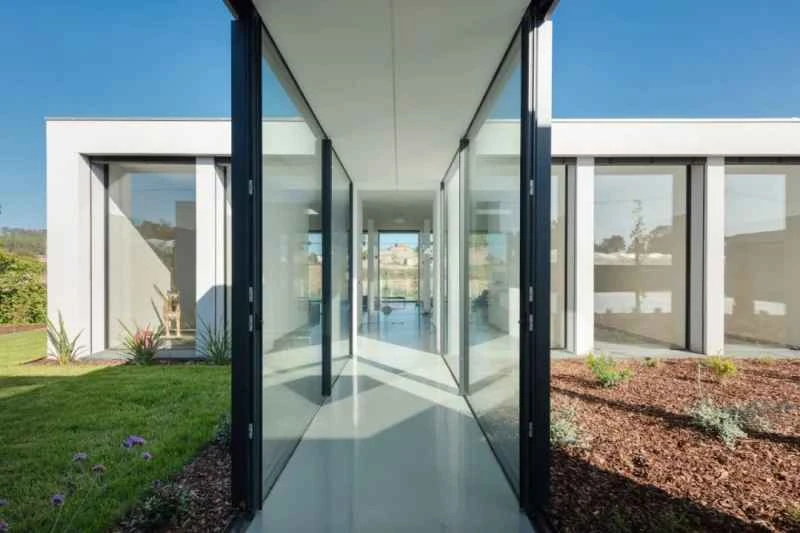
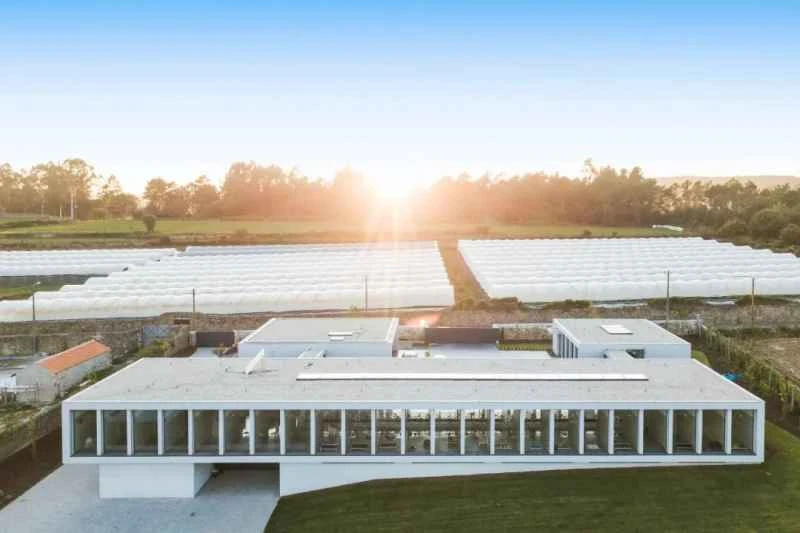
To meet the needs of pet owners, pet hotels have emerged. The Canine and Feline Hotel in Parada, Portugal, is a vacation paradise for pets and their owners. Designed by the renowned local design studio Raulino Silva Arquitecto, the hotel is situated within an ancient and picturesque vineyard.
The vineyard is not only scenic but also very convenient for pet owners. Whether they are on vacation or simply on business, pets are welcome, and the hotel provides grooming services, a swimming pool, a veterinary clinic, and play areas for dogs and cats.
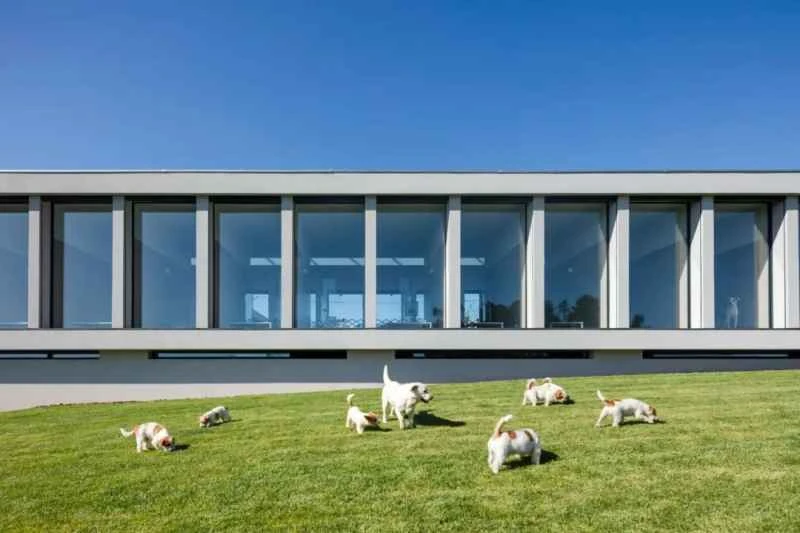
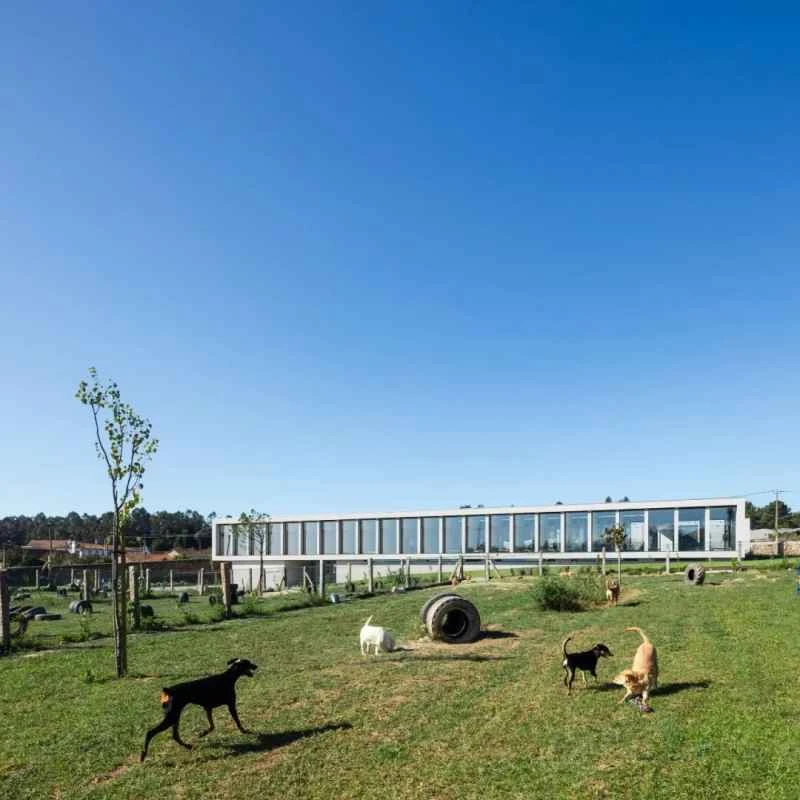
From the outside, the building consists of three gray-white areas, square and conventional, but the interior structure is very intricate. The three interconnected areas are respectively divided into a cat living area, a dog living area, and all public service spaces.
The purpose of this is to prevent conflicts between pets with different attributes, and also to avoid disturbing pet owners.
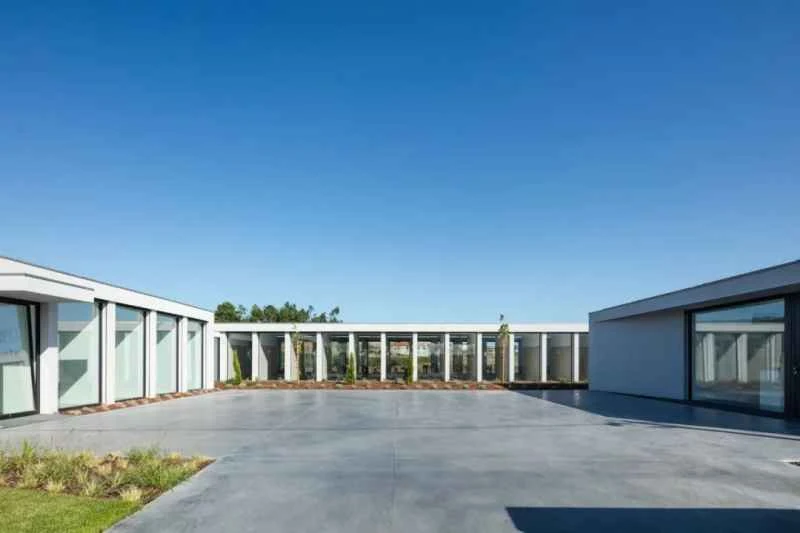
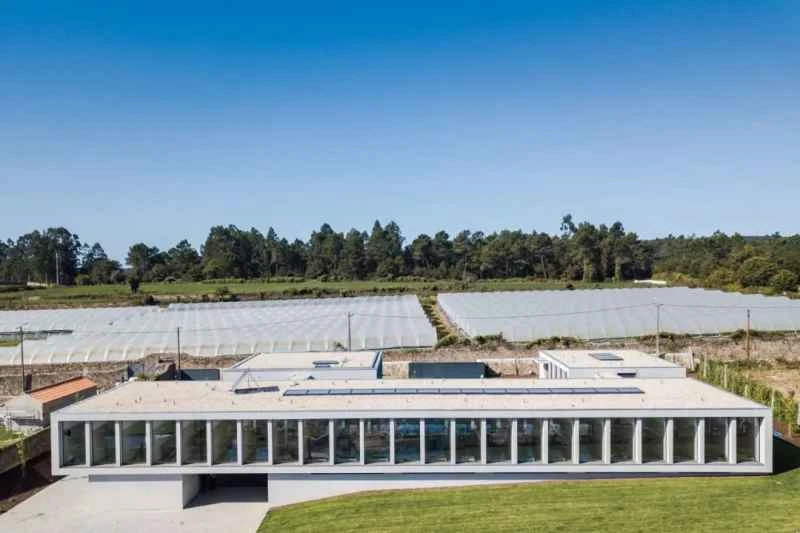
The first area is a single-story building, which is also a public area, with a service desk, small shops, storage rooms, offices, and a relaxation space for pet owners, etc.
The second area is very large, utilizing the existing terrain to create a two-story building. This connects the building's entrance area to the animal playground below. Upstairs, there's living space that can accommodate 41 dogs, creating a very warm and comfortable overall layout.
The third area is a paradise for cats. Although it is not big, with only 12 rooms, it is surrounded by a small garden, which is perfect for cats that like to climb.

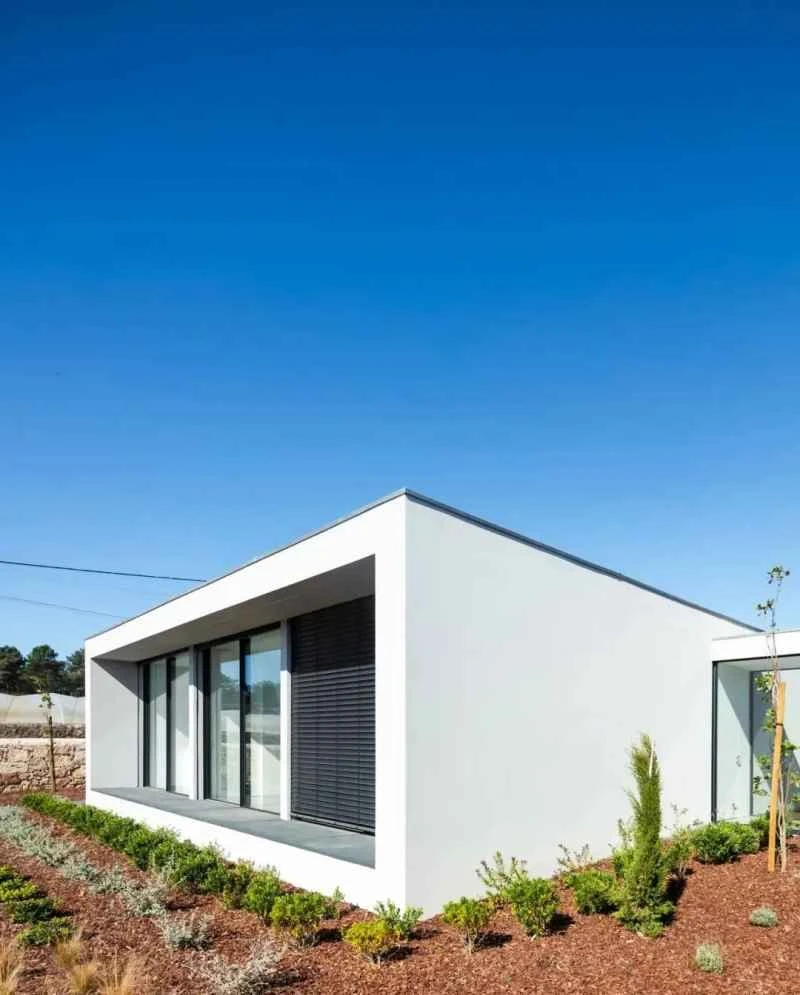
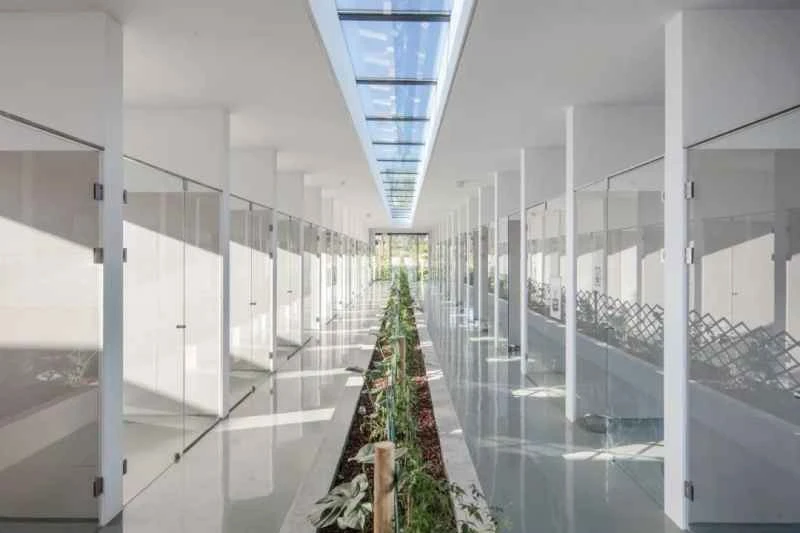
The designer stated that they hope future hotel architecture will pay more attention to pets. Pets are an indispensable part of travel and vacation life, and their living habits and living spaces should be incorporated into the architectural design.
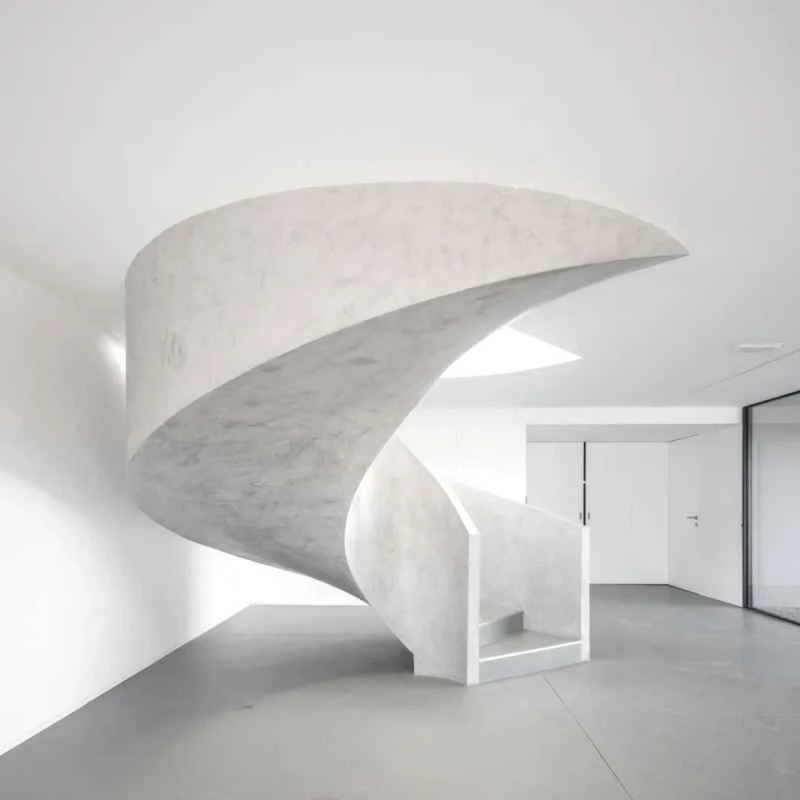
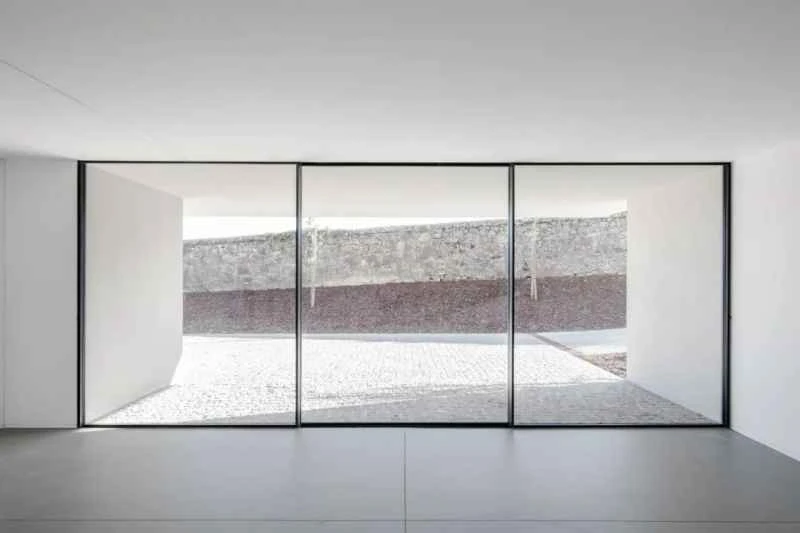
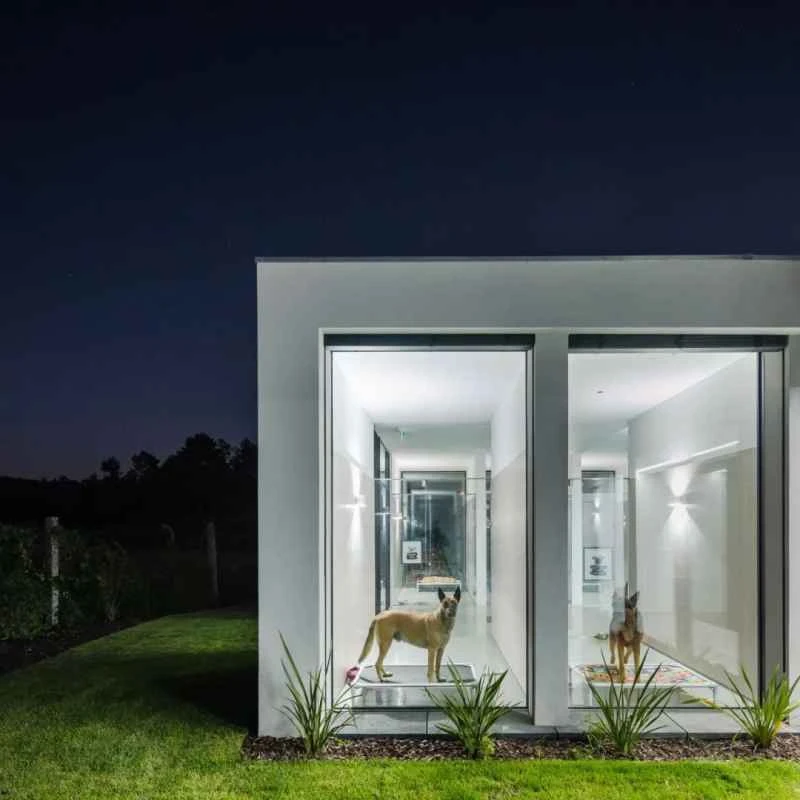
It's worth mentioning that this pet hotel has been shortlisted for the 2020 Dezeen Awards' Hotel Architecture of the Year, showcasing the trend of incorporating pets into architectural design.
NO.4
Cat House
I.M. Pei said, "Architecture is a form of social art." And social art often originates from real life, precisely because in modern society, pets have risen to become human companions and friends...
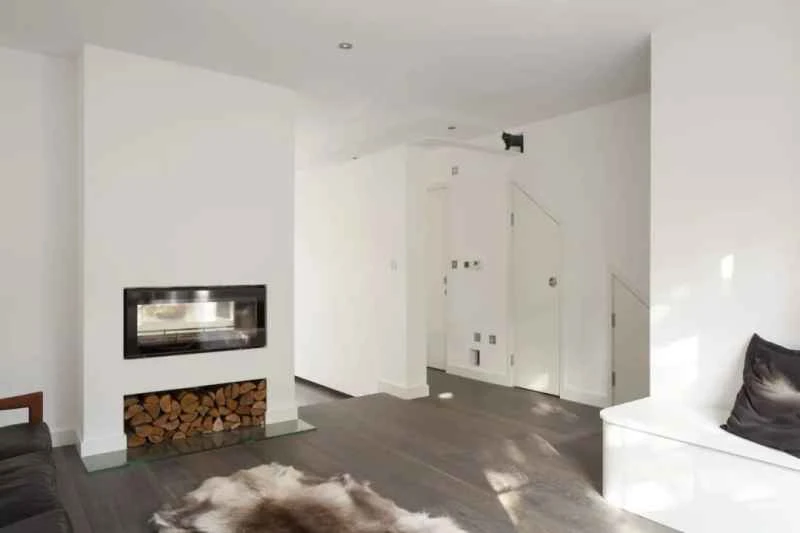
With the pet population growing larger and larger, modern home architecture, based on human-centered considerations, must also incorporate the living space and habits of pets into the design.

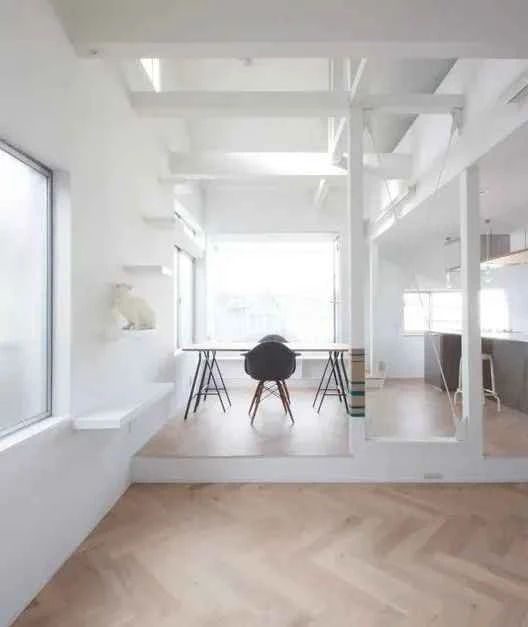
The "Cat House" building from Tokyo, Japan, was designed and built by the Seiji Iwama Architects team, creating a space where cats and humans coexist harmoniously.
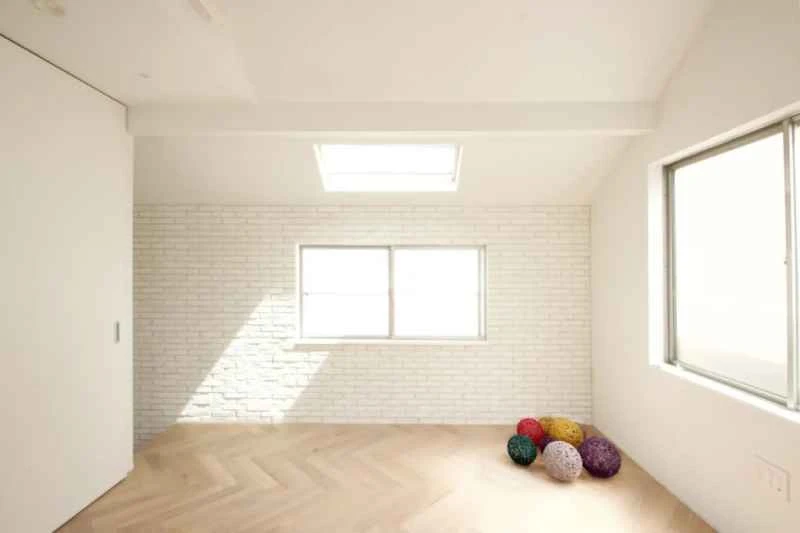
Architect Seiji Iwama, a seasoned cat lover, observed that despite people's claims of animal love, there is rarely any space for animals in their homes. People's needs for pet companions remain limited to buying them toys or providing a cat bed.
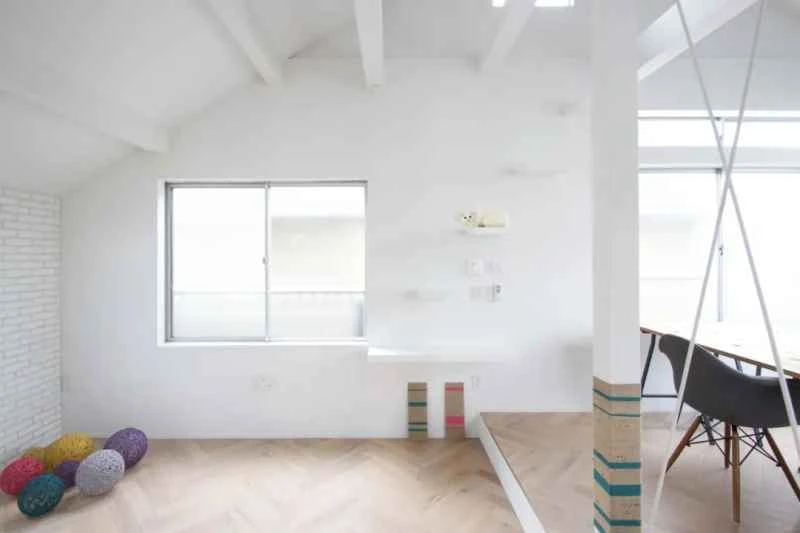
Driven by his love for cats, he decided to redesign and rebuild the house. From its exterior structure to its interior space, everything was designed with the cat's habits in mind, maximizing its needs.
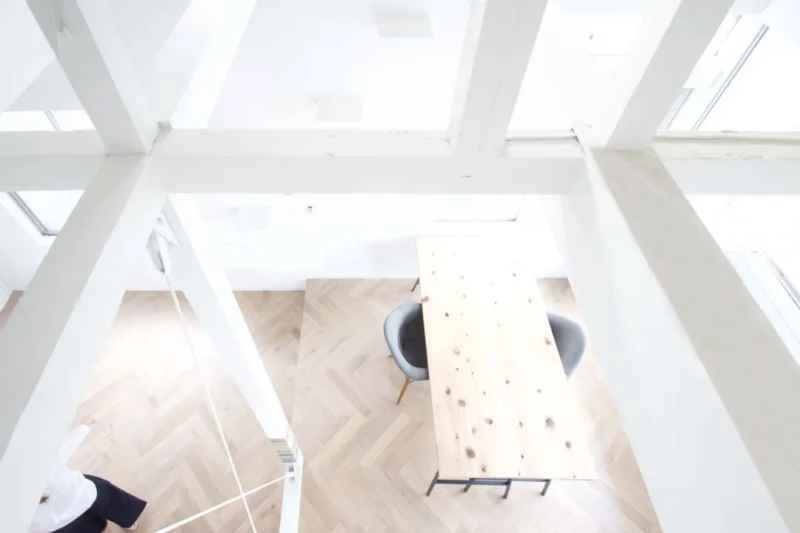
This building was renovated and refurbished from a nearly 30-year-old dilapidated structure. The architect opened up the entire interior space while maintaining the crisscrossing horizontal and vertical beams to satisfy cats' climbing instincts. Many cat owners may not realize that climbing rooftops and beams is one of the things cats love to do most.
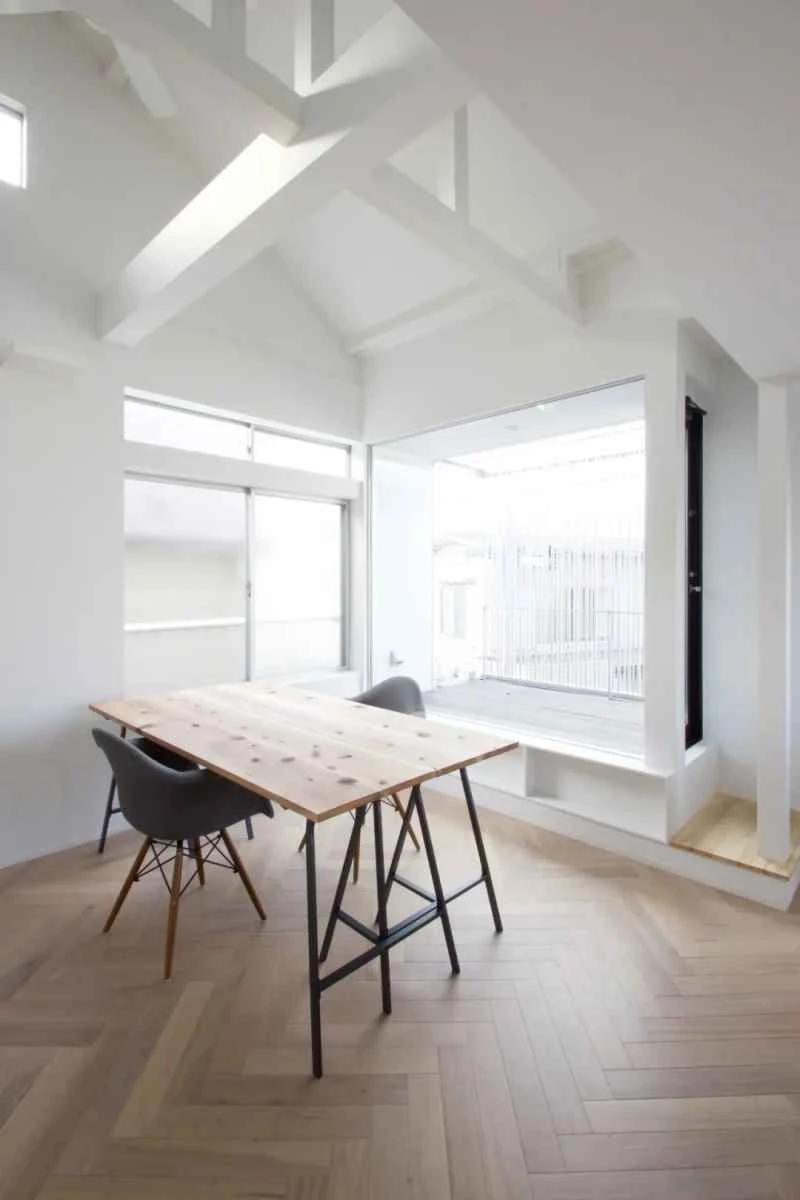
Knowing that cats love sunbathing, Seiji Iwama placed the living room on the second floor. This ensures that whenever his cat sleeps in bed, the sunlight shines just right on it. For Seiji Iwama, sunlight on the bed and his cat sleeping in the bed is the happiest life.
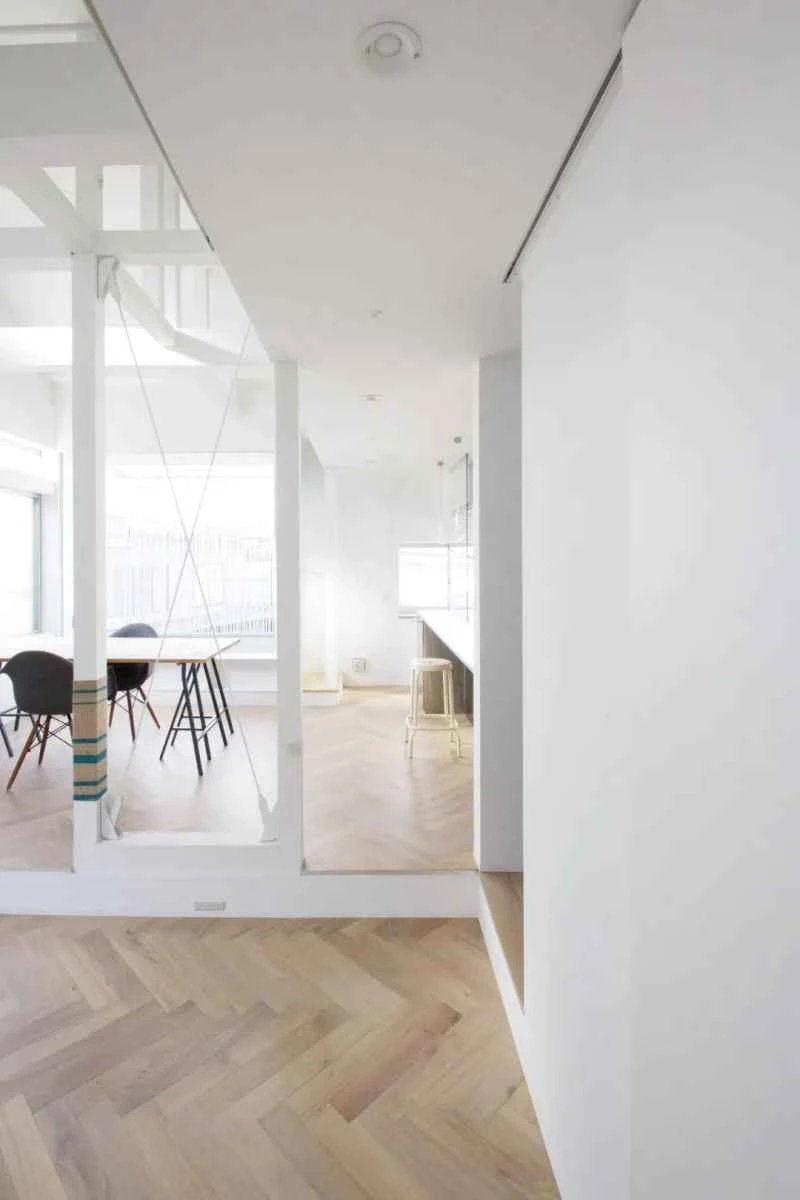
Besides accommodating the cat's need to climb the beams, shelves were also installed on the walls. This allows the cat to freely climb anywhere in the building, and even the staircases are designed to ensure the cat can jump freely. It's safe to say that living here is incredibly comfortable for the cat.
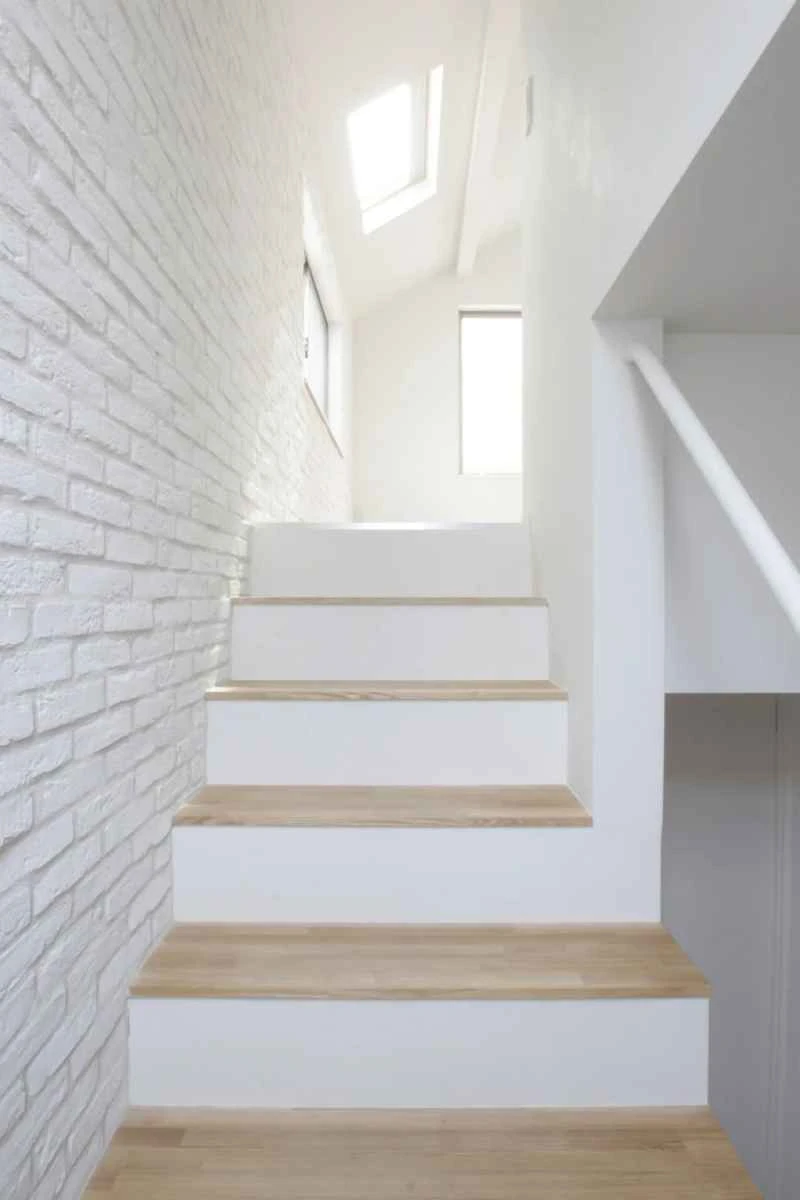
Although many spaces inside the building have been opened up, the view is more open, and the owner can see their cat anytime, anywhere, what it is doing, and what it is playing.
NO.5
doghouse
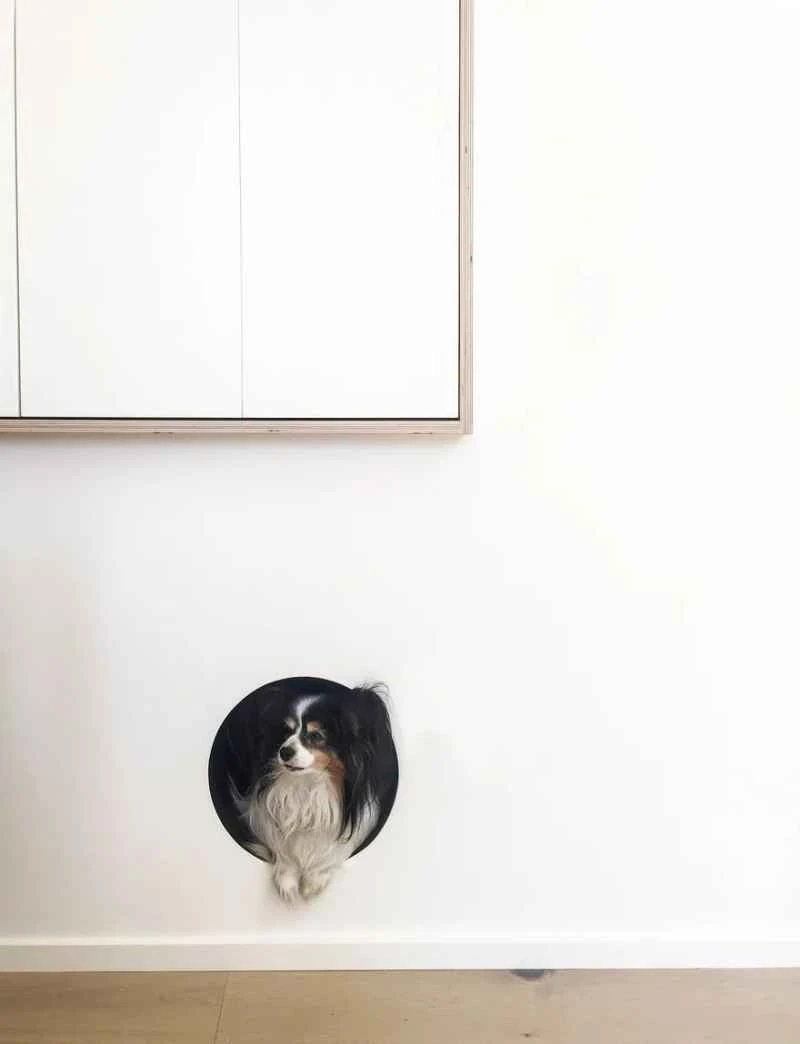
Where there are cat houses, there are dog houses. As one of the friendliest pets on Earth, dogs are considered humanity's most loyal companions. But few people know that dogs actually have their own emotions. They are pets that need personal space. Compared to cats, which love to roam around and climb everywhere, dogs prefer to live in burrows.
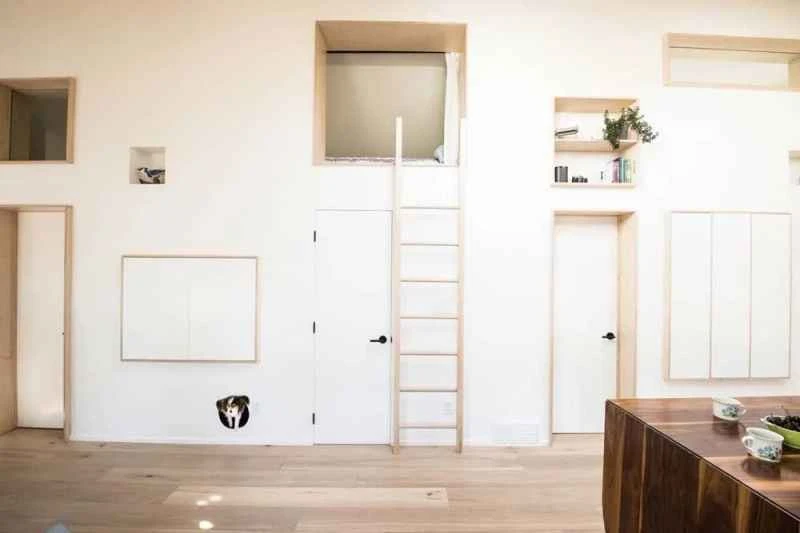
For dogs, living in burrows is partly due to their instinct, and partly because dogs are animals that are very afraid of noise. In particular, the sound of fireworks, firecrackers, or cars starting suddenly can cause them great panic.
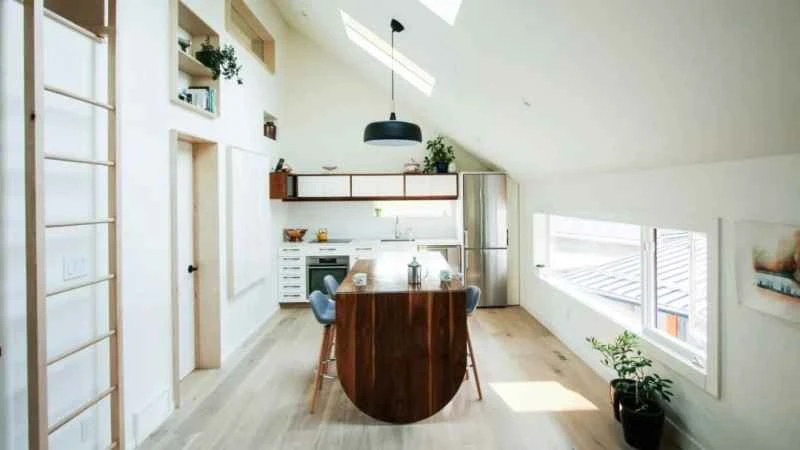
This is because dogs have extremely sensitive hearing, capable of hearing sounds from four times farther away than humans. This means that many times, even sounds that are harmless to us humans can be distressing for dogs. Therefore, doghouse design basically follows two principles: it must have a dog hole, and the material of the dog hole must be noise-proof to ensure that the dog can get a good night's sleep.
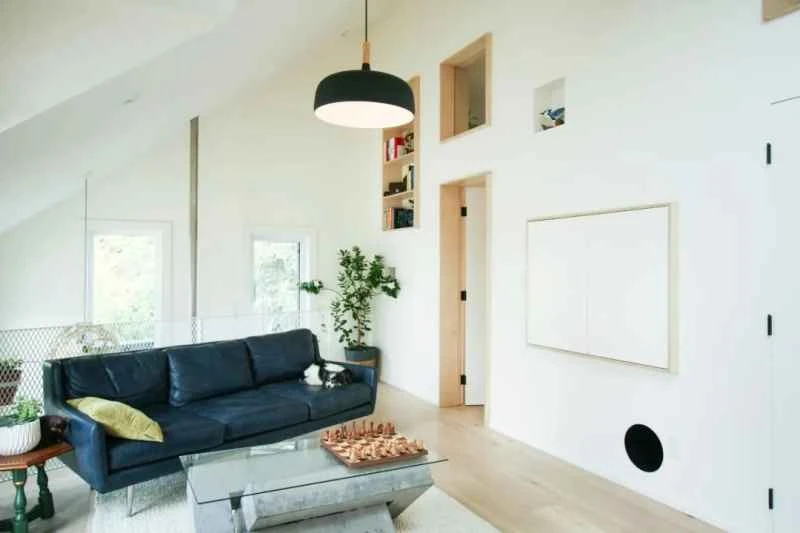
Architects Matthew Kennedy and Mark Erickson’s Studio North built a two-story building in Calgary called “Withrow Laneway House”.
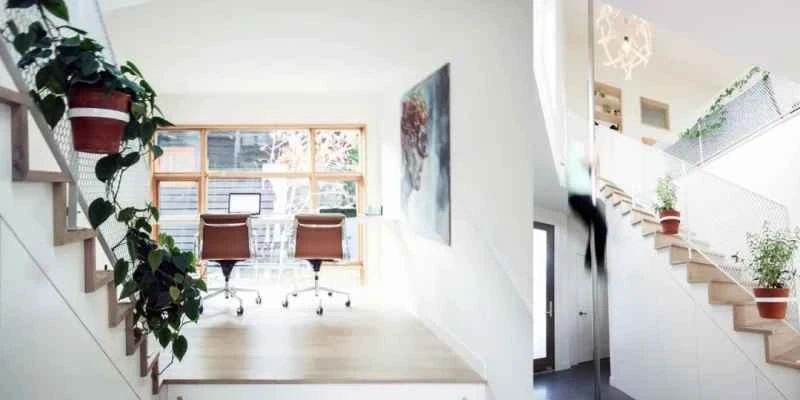
From the outside, it's hard to find anything particularly special about this building, but if you take into account the living habits of pet dogs, you can appreciate the architect's artistic ingenuity in many of the details.
Firstly, many pet dog owners inevitably decorate their homes with vibrant colors in hopes of creating a colorful and warm environment for their dogs. However, dogs have a very weak ability to distinguish colors; some scientists have even stated that their world consists of only black, white, and gray.
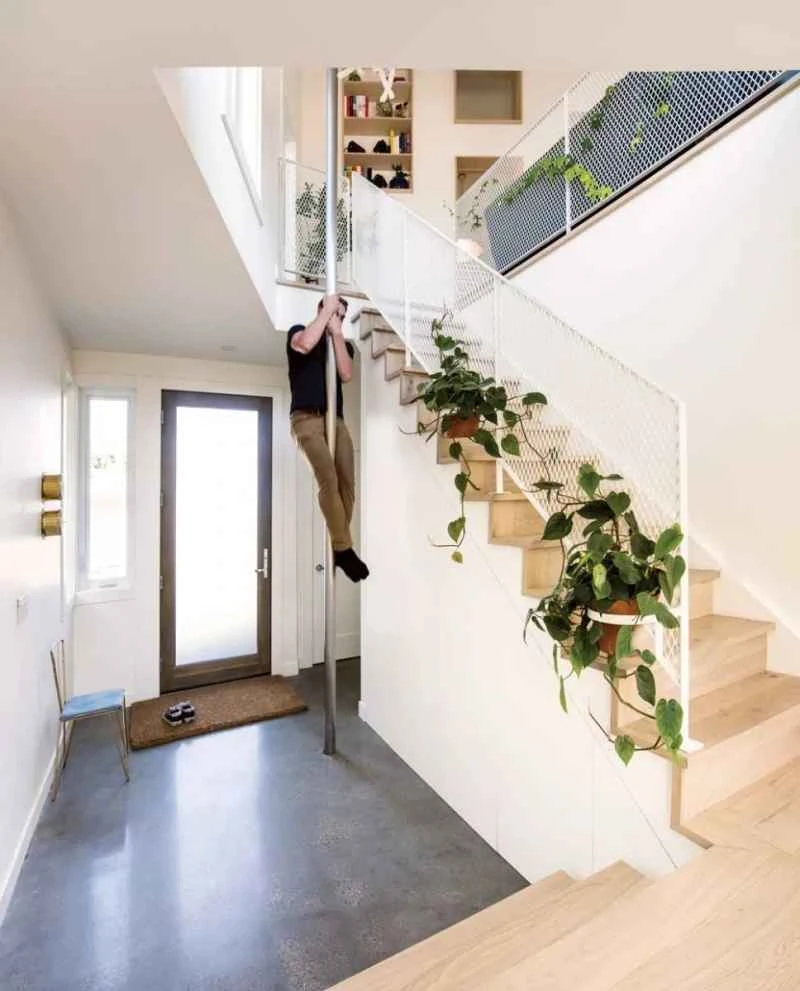
Therefore, trying to please and soothe a dog with color is pointless. Keeping more green plants in the home will make a dog with a sensitive sense of smell feel more comfortable.
Compared to pet cats, pet dogs are social animals and have a certain need for lively interpersonal relationships, but at the same time, they are sensitive to sound and cannot tolerate too much traffic noise. Therefore, "Withrow Laneway House" was carefully located in an old community, maximizing its proximity to community life while staying away from the noise of urban industry.
Considering dogs have very sensitive hearing and smell, natural wood was chosen as the building material to avoid irritating them. The stairwell and doghouse are specially designed for dogs, with a large interior space and excellent sound insulation, ensuring dogs can stay safely inside.
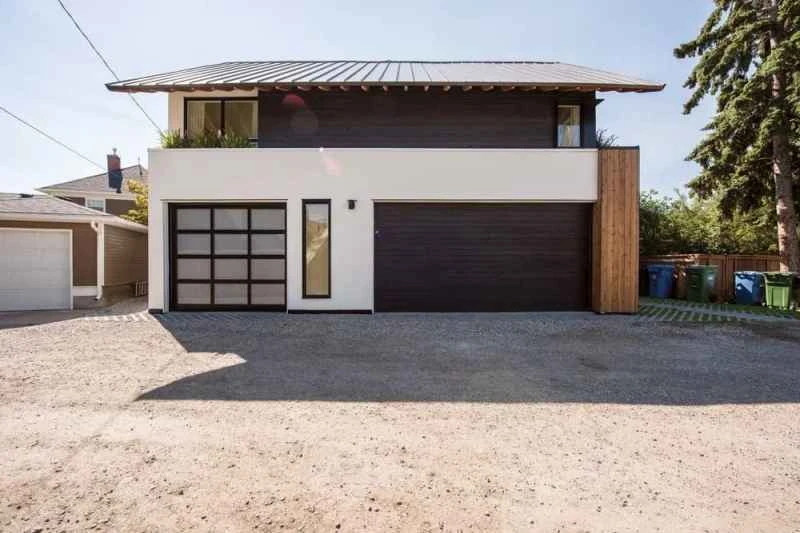
Whenever I have free time, I take my dog for walks around the residential buildings and let him play ball on the lawn. After returning home, I can enjoy a quiet environment that allows him to sleep. It's safe to say that this perfectly meets the physiological and psychological needs of a pet dog.
When modern architecture incorporates the nature and habits of pets into its architectural and interior design, it becomes clear that many of our current urban buildings lack both design considerations for providing living spaces for stray cats and dogs and for providing living spaces for pet cats and dogs, let alone ensuring habitats for wild animals.
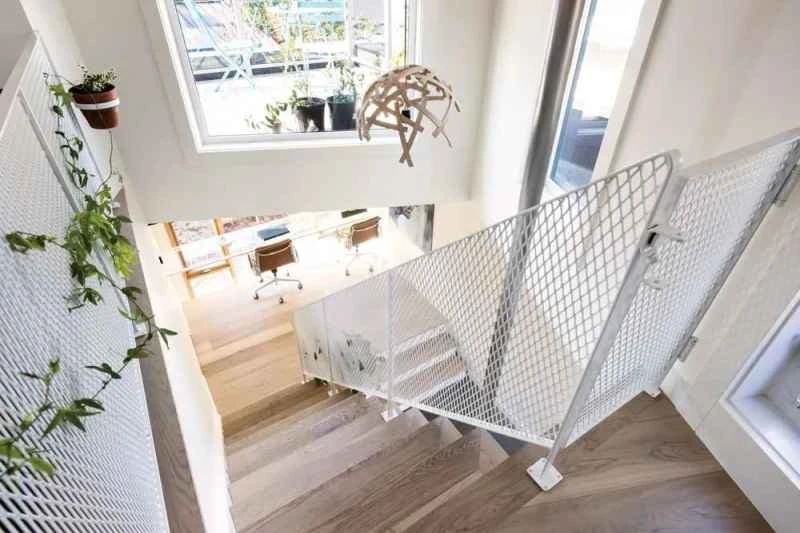
If the existence of humans leads to the compression of animal living space, it is undoubtedly a very inhumane thing to do. After many years of "human-centered" development in human architectural history, the future direction of architecture may be to seek harmonious coexistence between humans and animals, and to create buildings for wild animals and urban buildings for pets.