Tibetan wild ass (བོད་ལྗོངས་ཀྱི་རྐྱང་། (རིག་གཞུང་ཐ་སྙད། Equus kiang): A transliteration of "Jiang," the Tibetan wild ass is an animal belonging to the family Equidae and the genus Equus. It is the largest of all wild asses, with an average shoulder height of 140 cm. Resembling a mule, its body and hooves are much larger than those of a domestic donkey, giving it a particularly robust and majestic appearance. Therefore, it is often called "wild horse" by locals. National Class I protected animal རྒྱལ་ཁབ་ཀྱི་སྲུང་སྐྱོབ་རིམ་པ་དང་པོའི་སྲོག་ཆགས།, Class I protected animal in Tibet Autonomous Region Protect animals བོད་རང་སྐྱོང་ལྗོངས་ཀྱི་སྲུང ་སྐྱོབ་རིམ་པ་དང་པོའི་སྲོག་ཆགས།.
Basic information and characteristics
གཞི་རྩའི་གནས་ཚུལ་དང་ཁྱད་ཆོས།
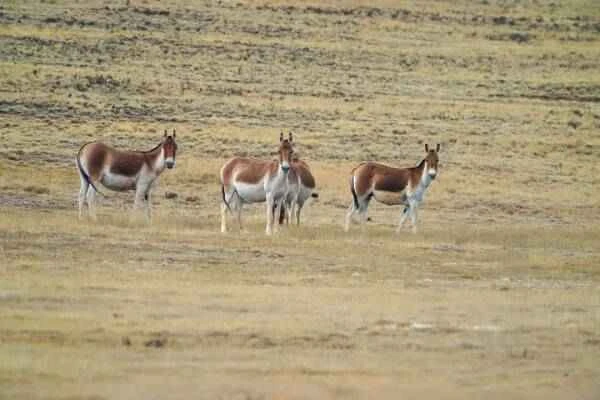
The Tibetan wild ass is an animal belonging to the family Equidae and the genus Equus. It is the largest of all wild asses, with an average shoulder height of 140 centimeters. They resemble mules in appearance, but their bodies and hooves are much larger than those of domestic donkeys, making them appear particularly agile and majestic. Therefore, local people often call them "wild horses".
The Tibetan wild ass can reach a length of over 2 meters, with a relatively short head and long ears. Its body hair is mainly reddish-brown, while the hair on its chest, abdomen, and limbs is off-white. The color boundary of the hair on the sides of the body is very obvious, and it has a short, straight, dark mane around its neck.
བོད་ལྗོངས་ཀྱི་རྐྱང་ན ི་རྟའི་ཚན་ཁག་དང་རྟའི ་རིགས་སུ་གཏོགས་པའི་ས ྲོག་ཆགས་ཤིག་ཡིན་ཞིང་། དེ་ནི་རི་སྐྱེས་བོང་བུའི་ཁྲོད ་ནས་གཟུགས་བོང་ཆེ་ཤོས་ཤིག་ཡིན། ཆ་སྙོམས་དཔུང་པའི་མཐོ་ཚད་ལ་ལི་རྨིད་140ཡོད། ཁོ་ཚོའི་ཕྱིའི་གཟུགས་དབྱ ིབས་ནི་དྲེལ་དང་འདྲ་ཞིང་། གཟུགས་དབྱིབས་དང་རྨིག་པ་ཁྱིམ ་གྱི་བོང་བུ་ལས་ཆེ་བ་ཡོད་པས། ཧ་ཅང་སྟོབས་དང་ལྡན་པ་མངོན་གྱི་ཡོད། དེས་རྐྱེན་ས་གནས་དེ་གའི་མི་ཚོས་རྒྱུན་ དུ་ཁོ་ཚོར་“རྟ་རྒོད་”ཅེས་འབོད་ཀྱི་ཡོད།
བོད་ལྗོངས་ཀྱི་རྐྱང་གི་གཟུགས་པོའ ི་རིང་ཚད་ལ་རྨིད་2ལྷག་ཡོད་པ་དང་། མགོ་བོ་ཅུང་ཐུང་ཞིང་ར ྣ་ལྕོག་ཅུང་རིང་བ་ཡོད། གཟུགས་པོའི་ཐོག་གི་སྤུ་མ དོག་རྫ་མདོག་གཙོ་བོ་དང་། བྲང་ཁོག་དང་རྐང་ལག་ཀྱི་ སྤུ་མདོག་ནི་སྐྱ་བོ་ཡིན། སྒལ་གཞུང་དང་ལྟོ་བའི་མཚམས་ཀྱི་ སྤུ་མཚམས་མངོན་གསལ་དོད་པོ་ཡོད། མཇིང་པའི་མཚམས་སུ་སྤུ་ཁ་ཐུང་ལ་འད ྲོང་ཞིང་ཅུང་ནག་པའི་རྔོག་ཟེ་ཡོད།
Among all wild asses, the Tibetan wild ass is the largest. Adults average 1.4 meters in shoulder height, over 1.8 meters in head and body length, and weigh 250-400 kilograms. It is a very precious large herbivore in my country and the largest wild ass species there. While similar in appearance to the Mongolian wild ass, it is much larger and more aggressive. Compared to most domestic donkeys, the Tibetan wild ass is exceptionally robust, resembling a mule. Its body, limbs, and hooves are much thicker, giving it a particularly agile and majestic appearance. However, its running style is less like a donkey and more like a wild horse; therefore, in many places, the Tibetan wild ass is called a "wild horse."
རི་སྐྱེས་བོང་བུ་ཡོད་ཚད་ ཁྲོད་ནས་བོད་ལྗོངས་ཀྱི་ར ྐྱང་ནི་གཟུགས་བོང་ཆེ་ཤོས་ཀྱི་རིགས་ཤིག་ཡིན་ཞིང་། ན་སོ་ལོན་རྗེས་ཆ་སྙོམས་དཔུང་ པའི་མཐོ་ཚད་རྨིད་1.4ཟིན་ཞིང་། གཟུགས་པོའི་རིང་ཚད་རྨིད་1.8ཡན་ཟིན་པ་དང་། གཟུགས་པོའི་ལྗི་ཚད་ལ་སྟོང་ཁ ེ་250ནས་400བར་ཟིན་གྱི་ཡོད། དེ་ནི་རང་རྒྱལ་གྱི་ཧ་ཅང་རྩ་ཆེ་བའི་ རྩྭ་གཟན་སྲོག་ཆགས་ཆེ་གྲས་ཤིག་ཡིན་ལ། རང་རྒྱལ་གྱི་རྐྱང་གི་ཁྲོད་ནས་གཟུགས ་བོང་ཆེ་ཤོས་ཀྱི་རིགས་ཤིག་ཀྱང་ཡིན། ཕྱི་གཟུགས་ནི་སོག་པོའི་རྐྱང་དང་ཆ་འདྲ ་ཡང་གཟུགས་པོ་དེ་ལས་ཆེ་བ་ཡོད་པ་མ་ཟད། རང་གཤིས་ཀྱང་དེ་ཚོ་ལས ་གཏུམ་རྒོད་ཆེ་བ་ཡོད། ཁྱིམ་གྱི་བོང་བུ་ཕལ་ཆེ་བ་དང་བསྡུར་ན་བོ ད་ཀྱི་རྐྱང་ནི་ཤ་ཤེད་ཧ་ཅང་བཟང་བ་ཡོད་པས། དྲེལ་དང་འདྲ་པོ་ཡོད། གཟུགས་དབྱིབས་དང་རྐང་ལག་བཞི་པོ། རྨིག་པ་བཅས་ཚང་མ་ཁྱིམ་ཚང་གི ་བོང་བུ་ལས་ཆེ་ལ་སྦོམ་པ་ཡོད། རྒྱུག་པའི་ཚེ་ན་བོང་བུ་འདྲ་པོ་ མེད་པར་རྟ་རྒོད་དང་འདྲ་པོ་ཡོད།
Habitat
འཚོ་སྡོད་ཁོར་ཡུག
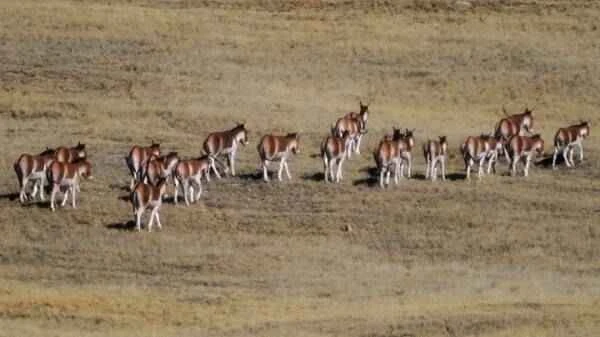
The Tibetan wild ass typically inhabits areas at altitudes of 2700-5400 meters. During the winter, they live at relatively lower altitudes, while in the summer they prefer to migrate to higher altitudes of 5000 meters. In our county, they are mainly distributed in Kema, Penji, and Jiacuo areas.
བོད་ལྗོངས་ཀྱི་རྐྱང་ནི ་སྤྱིར་བཏང་མཚོ་ཚད་270 0ནས་5400བར་གྱི་ས་ཁུལ་ དུ་འཚོ་སྡོད་བྱེད་ཅིང་། དགུན་དུས་མཚོ་ཚད་དམའ་སར་འཚོ་བ་དང་། དབྱར་དུས་མཚོ་ཚད་5000ཙམ་གྱི་རི་བ ོའི་ཁྲོད་འཚོ་སྡོད་བྱེད་ཀྱི་ཡོད། རང་རྫོང་དུ་གཙོ་བོ་གད་དམར་དང་ཕན་སྤྱི། རྒྱ་མཚོ་སོགས་ཀྱི་ས་ཁུལ་ད ུ་འཚོ་སྡོད་བྱེད་ཀྱི་ཡོད།
Relevant legal provisions
འབྲེལ་ཡོད་ཁྲིམས་སྲོལ།
According to Article 341, Paragraph 1 of the Criminal Law: Anyone who illegally hunts or kills precious or endangered wild animals under state protection, or illegally purchases, transports, or sells precious or endangered wild animals under state protection or their products, shall be sentenced to fixed-term imprisonment of not more than five years or criminal detention, and shall also be fined, in accordance with the provisions of Article 341, Paragraph 1 of the Criminal Law, for the crime of endangering precious or endangered wild animals; if the circumstances are serious, the sentence shall be fixed-term imprisonment of not less than five years but not more than ten years, and a fine shall also be imposed; if the circumstances are especially serious, the sentence shall be fixed-term imprisonment of not less than ten years, and a fine or confiscation of property shall also be imposed.
《ཉེས་ཁྲིམས》ཨང་341གི་དོན་ཚན་དང་པོ འི་ནང་གཏན་འབེབས་བྱས་པ་གཞིར་བཟུང་། རྒྱལ་ཁབ་ཀྱི་གཙོ་གནད་སྲུང་སྐྱོབ་བ ྱེད་པའི་རྩ་ཆེན་དང་སྟོངས་ལ་ཉེ་བའི ་རི་སྐྱེས་སྲོག་ཆགས་ཁྲིམས་འགལ་གྱིས་རྔོན་འཛིན་དང་གནོད་འཚེ་གཏོང་བའམ། ཡང་ན་རྒྱལ་ཁབ་ཀྱི་གཙ ོ་གནད་སྲུང་སྐྱོབ་བྱེ ད་པའི་རྩ་ཆེན་དང་སྟོང ས་ལ་ཉེ་བའི་རི་སྐྱེས་ སྲོག་ཆགས་དང་དེ་ལས་བཟ ོས་པའི་དངོས་རྫས་རིགས ་ཁྲིམས་འགལ་གྱིས་ཉོ་ས ྒྲུབ་དང་སྐྱེལ་འདྲེན། ཕྱིར་འཚོང་བཅས་བྱས་ཚེ། ཉེས་ཁྲིམས་ཨང་341གི་དོན་ཚན་དང་པོའ ི་ནང་གཏན་འབེབས་བྱས་པ་གཞིར་བཟུང་། རྩ་ཆེན་དང་སྟོངས་ཉེའི ་རི་སྐྱེས་སྲོག་ཆགས་ལ་ གནོད་འཚེ་བཏང་བའི་ཉེས་ པར་དུས་བཀག་བཙོན་འཇུག་ ལོ་ལྔ་མན་ཆད་ཀྱི་ཉེས་ཆ ད་སྤྱོད་རྒྱུའམ་བཀག་ཉར ་བྱེད་རྒྱུ་དང་དུས་མཚུངས་དངུལ་ཆད་གཏོང་རྒྱུ། བབ་རྐྱེན་ཆེ་བའི་རིགས་ལ་ལོ་ལ ྔ་ཡན་དང་ལོ་བཅུ་མན་གྱི་དུས་བ ཀག་བཙོན་འཇུག་བྱེད་རྒྱུ་དང་ད ུས་མཚུངས་དངུལ་ཆད་གཏོང་རྒྱུ། བབ་རྐྱེན་ཧ་ཅང་ཆེ་བའི་རིགས་ལ་ལོ ་བཅུ་ཡན་གྱི་དུས་བཀག་བཙོན་འཇུག་བ ྱེད་རྒྱུ་དང་དུས་མཚུངས་དངུལ་ཆད་དམ་རྒྱུ་ནོར་གཞུང་བཞེས་གཏོང་རྒྱུ།