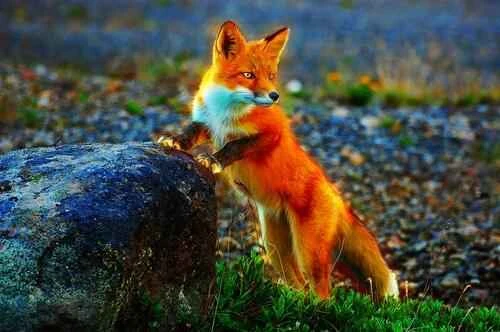
In the Arctic carnivore hierarchy, wolves, though not much larger than foxes and related, prey on very different animals. While wolves will not let small animals like lemmings and voles escape their grasp, they always pick and choose, eating them as snacks. Their primary targets are larger prey such as caribou and musk oxen. This is determined by their lifestyle; wolf packs always hunt collectively and share the spoils. If they spend a lot of time catching only a rabbit, it wouldn't even be enough to satisfy the hunger of the pack.
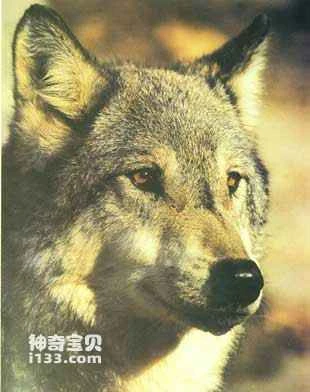
In our culture, the wolf is an embodiment of evil and cruelty, and all sorts of harsh words are used to describe it, such as "wolfish ambition," "heartless and cruel," and "infamous." However, in the hearts of the Inuit, the Arctic wolf is a gentle and kind animal.
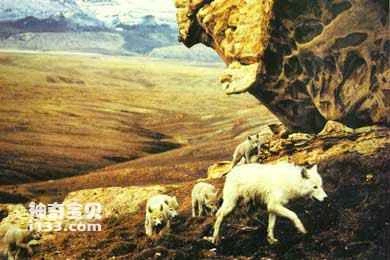
Encirclement – Arctic wolves hunting
Wolves are typical carnivores. When the dominant male wolf organizes and directs the hunt, it always chooses a weak or old caribou or musk ox as its target. Initially, they will flank from different directions, then slowly approach, and once the time is right, they will suddenly attack. If the prey tries to escape, they will relentlessly pursue it, and to conserve energy, they often divide into several groups, taking turns to fight until they successfully capture the prey.
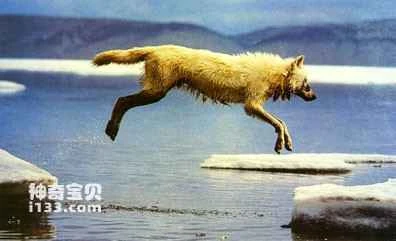
Arctic wolves leap between ice floes
Wolves show meticulous care for their offspring. For the first 13 days after birth, before their eyes are even open, the pups huddle together tightly (5-7 pups per litter, sometimes 10-13), lying quietly in their den. The mother wolf is almost always by their side during this period, occasionally venturing out but quickly returning to carefully tend to her pups. After one month, the mother wolf begins training her cubs, feeding them pre-chewed food, sometimes even regurgitated, to accustom them to a meat-based diet. When the pups grow sharp teeth, the mother wolf provides different foods, starting with carcasses and then half-dead animals, to gradually teach them hunting skills. Afterward, she begins taking them to designated watering spots. During this time, other members of the pack also participate in feeding the pups.