Highly venomous snakes are a class of snakes with potent venom, primarily distributed in tropical and subtropical regions worldwide. Their venom contains various components, such as neurotoxins, hemolysins, and myoparalytic agents, which can cause serious harm and even death to humans and other animals. The world's most well-known highly venomous snakes include cobras, rattlesnakes, vipers, and sea snakes. Snake venom can cause poisoning symptoms such as dizziness, nausea, vomiting, difficulty breathing, and rapid heartbeat. Without timely treatment, poisoning can be fatal. Despite their danger, highly venomous snakes play a vital role in ecosystems. They help control the populations of other small animals and maintain ecosystem balance. This article lists the top ten most venomous snakes in the world. This list is for reference and entertainment purposes only; discussion and exchange are welcome at the end.
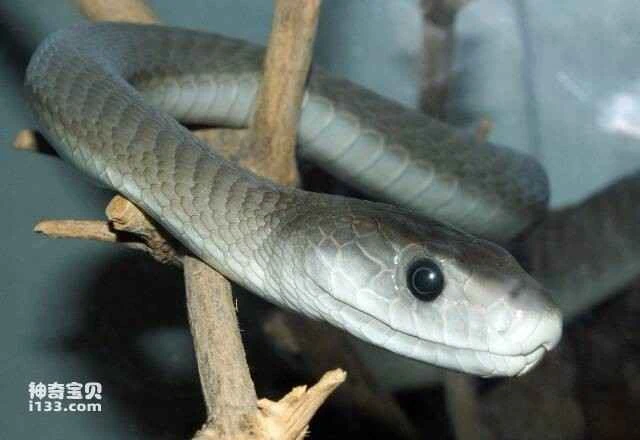
1. Black Mamba
The black mamba is one of the most dangerous and venomous snakes, and also one of the longest snakes in the world. Primarily found south of the Sahara Desert in Africa, its name comes from its dark black coat. It is the fastest moving snake in the world, capable of reaching speeds of up to 11 kilometers per hour on a suitable surface. The average length of a black mamba is 2.5 to 3 meters, with some reaching 4.5 to 5.5 meters. They have long, slender bodies and flat, triangular heads. The black mamba's venom is highly potent, containing neurotoxins and cardiotoxins, causing symptoms such as muscle weakness, difficulty breathing, and rapid heartbeat, and can be fatal within hours.
Black mambas are predators, primarily feeding on rodents, birds, and other reptiles. In the wild, they are often preyed upon by natural enemies such as eagles and felines, but due to their speed and powerful attacks, they remain among the most dangerous animals.
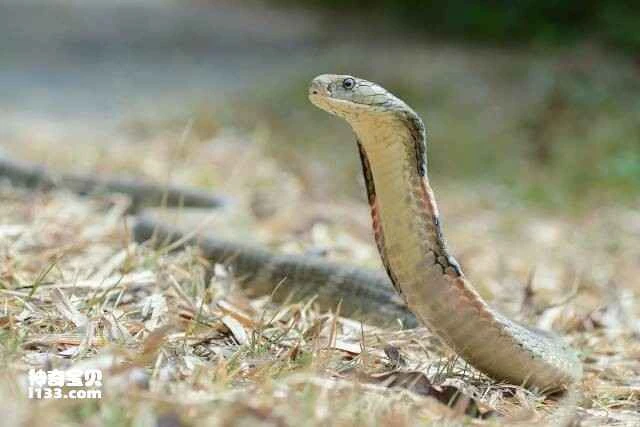
2. King Cobra
The king cobra is one of the longest venomous snakes in the world and also one of the most threatening. They are mainly distributed in South Asia, such as India, Myanmar, and Thailand. King cobras typically exceed 4 meters in length, with some reaching 6 to 7 meters. They have large heads, prominent "ear-like projections" on their necks, and their bodies and heads are covered with brown or olive-colored scales with black spots. King cobra venom is highly toxic, causing symptoms such as difficulty breathing, rapid heartbeat, sweating, and vomiting, and can be fatal within hours.
King cobras prey on other snakes and mammals, making them very dangerous to humans. However, they also play a vital role in the ecosystem of their habitat. They control the populations of rodents by preying on them, thus protecting the balance of the ecosystem.
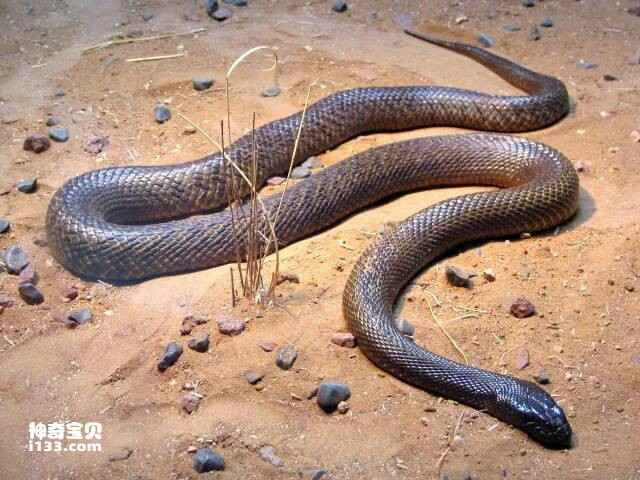
3. Fine-scaled Taipan
The Green Vine Snake (also known as the Slender Taipan) is a snake species found in South and Southeast Asia. They are also called Green Vine Snakes because they often choose to live on leafy plants and vines, using their slender bodies and coloration to avoid detection. The Green Vine Snake is typically 50 to 150 cm in length, making it a relatively small snake. Their bodies are pale green or yellowish-green, with some individuals having a grayish-brown or brown back. The Green Vine Snake is very agile, capable of climbing and gliding at extremely high speeds to prey on small animals such as insects, lizards, and frogs.
Although the taipan is not venomous, it should still be handled with care because it can bite with a stronger force than other snakes, causing pain and slight swelling. At the same time, because the taipan is sensitive to environmental changes, it is vulnerable to habitat destruction and human activity.
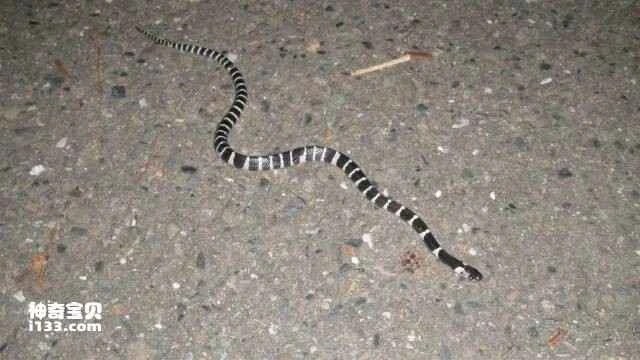
4. Banded krait
The banded krait (Banded Krait) is a venomous snake native to Asia and is one of the most dangerous snakes in the world. They are mainly distributed in Southeast Asia, including countries such as Thailand, Vietnam, and Malaysia. Banded kraits typically grow to about 1 to 1.5 meters in length, with a black or dark brown body and white or yellow rings. The color of these rings can vary from individual to individual, but they are usually distinct, making the banded krait easily identifiable. The venom of the banded krait is extremely potent, containing neurotoxins and myoparalytic agents, which can cause muscle stiffness, difficulty breathing, paralysis, and death.
The banded krait is a nocturnal animal that feeds on other reptiles and small mammals. Although very dangerous, they play a vital role in the natural ecosystem, controlling the populations of other small animals and maintaining its balance. It is worth noting that banded kraits are common in human-inhabited areas and often attack because they perceive themselves to be in danger. Therefore, extreme caution should be exercised when approaching a banded krait to avoid provoking an attack.
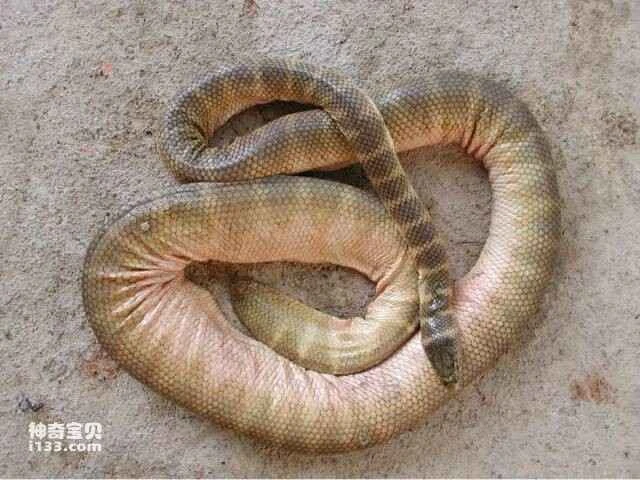
5. Belcher's Sea Snake
Belcher's sea snake is a venomous snake found in the Indian and Pacific Oceans, and is one of the most venomous snakes in the world. They are named after British physician Edward Turner Bennett and American explorer Sir Edward Belcher. Belcher's sea snakes typically grow to 1 to 1.5 meters in length, with a pale yellow or light gray body and black spots on their backs. Belcher's sea snake venom is extremely potent, containing neurotoxins and myoparalytic agents, which can cause respiratory distress, paralysis, and death. Despite its highly toxic venom, humans are rarely bitten by Belcher's sea snakes due to their docile nature.
Belcher's sea snakes live in the ocean and feed on fish. They are the only venomous snakes that are entirely aquatic, able to swim underwater and breathe through their skin. Belcher's sea snakes do not usually attack humans unprovoked, but they will still bite if disturbed or accidentally touched.
Although Belcher's sea snakes are rarely bitten by humans, their habitat is deteriorating due to water pollution and overfishing. Therefore, protecting Belcher's sea snakes and their habitat is crucial for maintaining ecological balance and protecting biodiversity.

6. Ekidna sea snake
The Acanthophis rugosus, also known as the rough-scaled sea snake, is a venomous snake found in northern Australia. They are among the most venomous snakes in the world and one of Australia's most dangerous animals.
The ehithelial sea snake typically measures 50 to 100 centimeters in length, with a light brown or brown body covered in rough scales. Its venom is highly toxic, containing neurotoxins and hemolysins, which can cause respiratory distress, muscle paralysis, and death. The ehithelial sea snake feeds on small mammals, reptiles, and birds.
The akitrin sea snake is highly aggressive, especially when disturbed or threatened. Its venom is extremely dangerous to humans and other animals, so extreme caution is required when approaching this sea snake.
The ehittling sea snake is relatively common along the northern coast of Australia, but its numbers in the wild have dwindled due to habitat threats, including destruction and overfishing. Therefore, the protection of the ehittling sea snake and its habitat is of paramount importance.
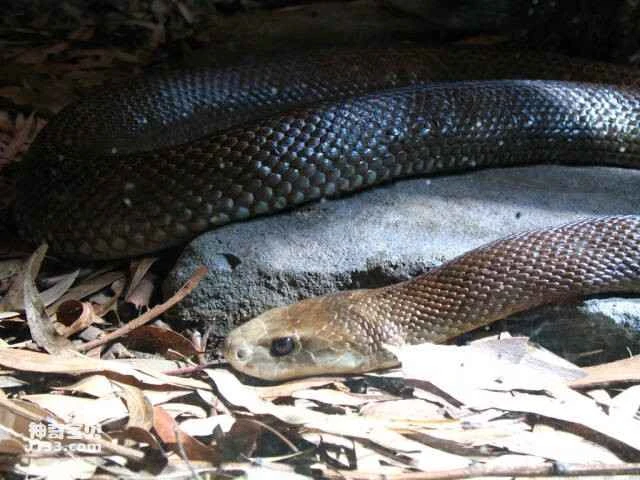
7. Babu Asia Pacific Climbing Snake
The Papuan Tree Snake is a snake species that lives in Papua New Guinea and neighboring regions. They are also known as the Green Tree Snake because they often choose to live in trees.
The baboon climbing snake typically measures 60 to 80 centimeters in length, with a slender, flexible body covered in smooth scales. Its body color is green or yellowish-green, sometimes with black spots. The baboon climbing snake feeds on small animals, primarily lizards, frogs, and insects.
Although the baboon climbing snake is not venomous, it still possesses a powerful bite, easily snapping its prey or defending itself. Furthermore, the baboon climbing snake is extremely agile, capable of rapid climbing and gliding, making it an exceptional climber.
The baboon climbing snake is widely regarded as a sacred animal in local culture, playing an important role in folklore and mythology. However, due to human activities such as habitat destruction and hunting, the baboon climbing snake population has gradually declined, making the protection of this snake and its habitat extremely important.
8. Brown Australian Snake
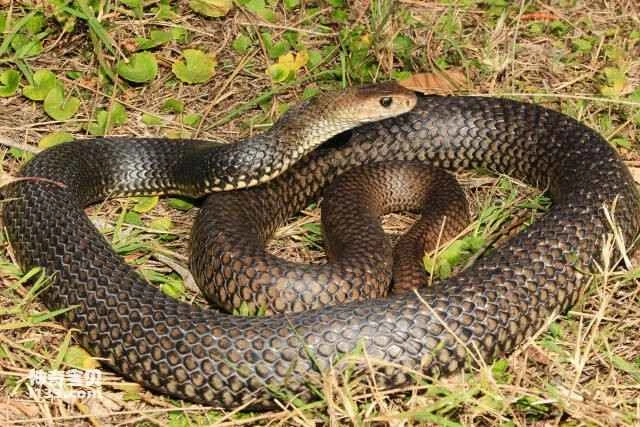
The brown snake is a venomous snake found in Australia and is one of the country's most dangerous snakes. Its scientific name is *Pseudonaja textilis*.
The brown krait typically measures 1.2-1.5 meters in length, with a pale yellow or gray body, often marked with brown or black patches or stripes. Its venom is extremely potent, causing blood clotting, muscle paralysis, and death. The brown krait feeds on small mammals, amphibians, and other reptiles.
The brown krait is very good at hiding, often choosing to conceal itself in grass or crevices in rocks. Due to its irritable and aggressive nature, it will often attack humans or other animals when disturbed.
The brown ibex is widely distributed in Australia, especially in the south and east. Although this snake is very dangerous, it plays an important role in the ecosystem, controlling the populations of other small animals and protecting the balance of the ecosystem.
9. Eastern Cobra
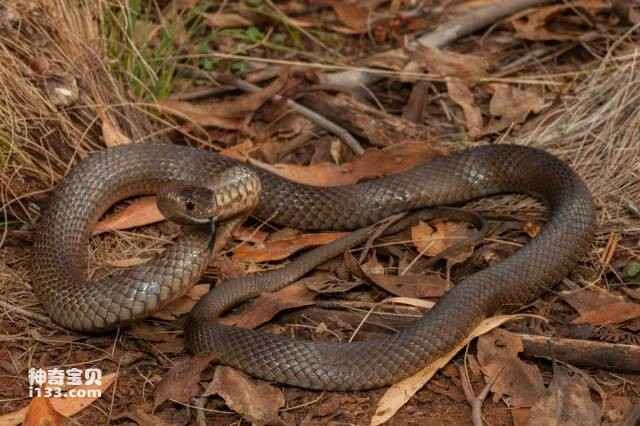
The Eastern Brown Snake is a venomous snake native to Australia and is one of the most venomous snakes in the world. They are widely distributed throughout Australia, including both urban and rural areas.
The Eastern Common Cobra typically measures 1.5 to 2 meters in length, with a body color ranging from light to dark brown and featuring irregular markings. Its venom is extremely potent, capable of causing respiratory distress, muscle paralysis, and death. The Eastern Common Cobra feeds on small mammals, reptiles, and birds.
The eastern false cobra is a very dangerous snake, notorious for its aggressiveness. Although they usually avoid contact with humans, they will often adopt an aggressive posture if disturbed or felt threatened. Therefore, extreme caution is required when approaching an eastern false cobra.
Although the Eastern Cobra poses a threat to humans, it also plays an important role in Australia by controlling the populations of other small animals and protecting the balance of the ecosystem.
10. Cleft-jawed Sea Snake
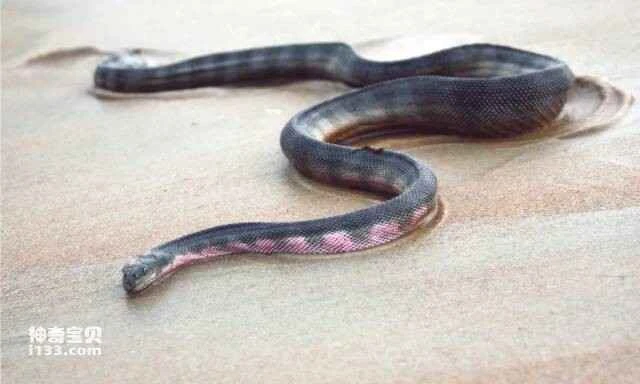
The beaked sea snake is a type of sea snake that lives in the Indian and Pacific Oceans, primarily in northern Australia, Indonesia, the Philippines, and New Guinea. They are named for the unique structure on their lower jawbone, which allows them to easily capture prey in the water.
The split-jawed sea snake typically measures 1 to 1.2 meters in length, with a pale yellow or light gray body marked with black spots or stripes. Its venom is extremely potent, containing muscle paralyzing toxins and neurotoxins, which can cause respiratory distress, muscle paralysis, and death. The split-jawed sea snake feeds on small fish, swallowing its prey by opening its mouth and using its unique jaw structure.
Despite their potent venom, the chin sea snake is generally friendly towards humans. When disturbed, they may adopt a defensive posture but will not actively attack. Due to factors such as habitat pollution and overfishing, the chin sea snake population is declining, making the protection of this snake and its habitat crucial.
The list of the world's ten most venomous snakes is highly controversial. This ranking is based on a comprehensive assessment of factors including the snake's LD50 value (a common indicator of the toxicity of a substance or radiation), venom yield, size, and aggressiveness, while also referencing relevant online rankings and lists. This list is for reference and entertainment purposes only; discussion and discussion are welcome at the end.