Crab meat is rich in high-quality protein, and its amino acid composition is highly similar to that of human protein, making it easily absorbed and utilized by the body. In addition, crab meat contains abundant minerals such as calcium, iron, and zinc, which are crucial for human health. Crab meat is also high in vitamins B2 and B12, which are essential for human metabolism and nervous system function. So, what are some common and delicious crab varieties in my country? This article compiles a list of ten common crab species in my country, including the Chinese mitten crab, king crab, swimming crab, mud crab, bread crab, flower crab, emperor crab, butter crab, snow crab, and coconut crab. Which one do you prefer?
1. Hairy crab
The Chinese mitten crab (also known as the hairy crab) is a famous aquatic product and one of my country's unique foods. It mainly lives in rivers, lakes, and ponds in the Yangtze, Pearl, and Huai River basins, relying on freshwater for its survival. The crab has an oval shell, dark brown or dark green in color, a plump body, and a round abdomen. The meat is delicious, tender, and smooth, with a white, elastic texture and very high nutritional value. It is said that the meat contains various amino acids and trace elements, offering excellent health benefits.
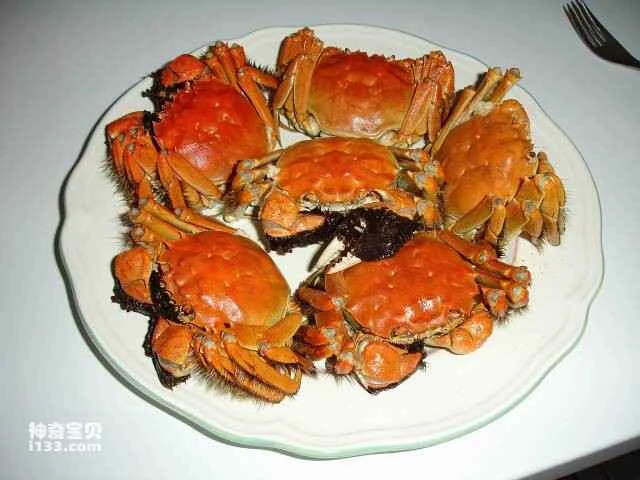
Chinese mitten crabs are widely consumed in southern my country and enjoy a high reputation both domestically and internationally. Their breeding season is from September to April of the following year, which is also the best time to enjoy them. To ensure freshness and flavor, they are usually kept in clean water for a period of time to allow them to expel impurities and sand. They are then steamed, boiled, or roasted and served with ginger, scallions, vinegar, peanuts, and other condiments, resulting in an exceptionally delicious dish.
2. King Crab
King crabs are deep-sea crabs that live in the Arctic Ocean, also known as stone crabs or rock crabs. They are enormous, with long, powerful toes and distinctive brown and orange markings on their shells. They can typically grow to over 2 meters long and weigh over 10 kilograms, making them one of the largest crabs in the world. King crab meat is delicious, with a delicate texture, and is rich in nutrients, including high-quality protein and various trace elements, especially magnesium, iron, zinc, and calcium. It is said that king crab meat also has various health benefits, such as antioxidant and immune-regulating properties.
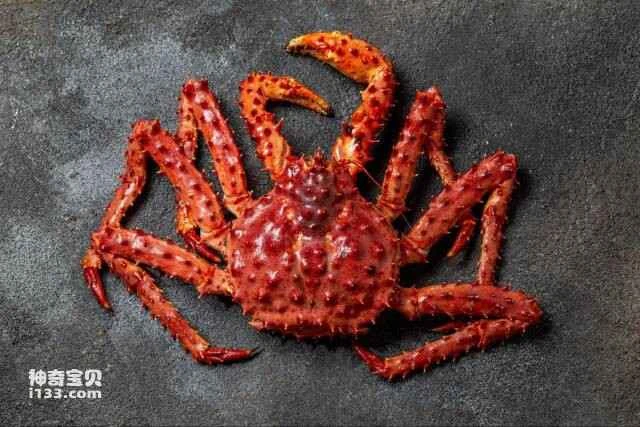
Because king crabs live in the Arctic Ocean and are extremely difficult to harvest, they are very expensive. They are typically cooked by steaming, boiling, or grilling, and served with butter, lemon juice, herbs, and other condiments. Eating them allows one to enjoy their fresh and delicious flavor, as well as their natural and rare delicacy.
3. Swimming crab
Swimming crabs are a type of crab that lives along ocean coasts and are closely related to other crabs such as blue crabs, flower crabs, and mitten crabs. Their carapaces are bright green or brownish-red with distinct patterns and spots. They have broad, flat bodies and powerful legs, and often inhabit shallow waters. Swimming crab meat is delicious and nutritious, containing abundant protein, carbohydrates, calcium, phosphorus, iron, and other nutrients. It is said that swimming crab meat also has health benefits such as clearing heat, dispersing blood stasis, and detoxifying, and is also effective in relieving dry mouth and fatigue.
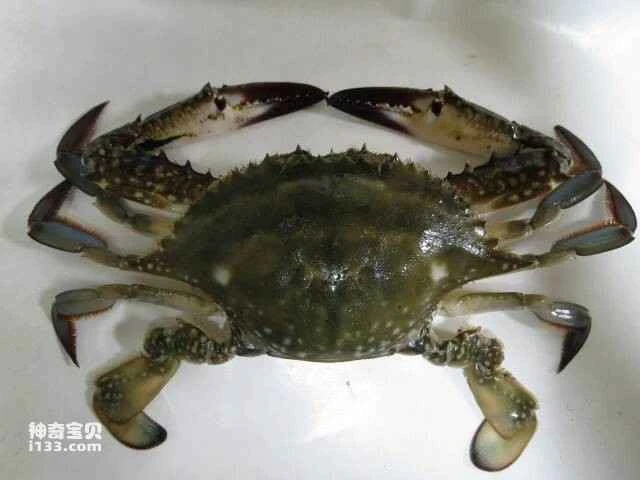
Swimming crabs are widely consumed in southern China and hold an important place in Chinese cuisine. They are typically cut into pieces or deboned and cooked using methods such as steaming, boiling, frying, and grilling, often accompanied by seasonings like fresh ginger, garlic, and chili peppers, resulting in a delicious and refreshing flavor. Swimming crabs are also an important ingredient in beverages; besides being used in culinary dishes, they are frequently used to make soups and stews, and to brew rice wine.
4. Blue crab
The mud crab is a type of crab that lives in freshwater environments such as coastal areas, estuaries, and lakes. Its carapace is a bright bluish-green or blue-green, and it has a plump body with strong legs. Mud crab meat is delicious and nutritious, containing abundant protein, vitamins, trace elements, and essential minerals such as calcium, phosphorus, and iron. It is said that mud crab meat has excellent health benefits, including relieving fatigue, nourishing yin and moisturizing dryness, and boosting immunity.
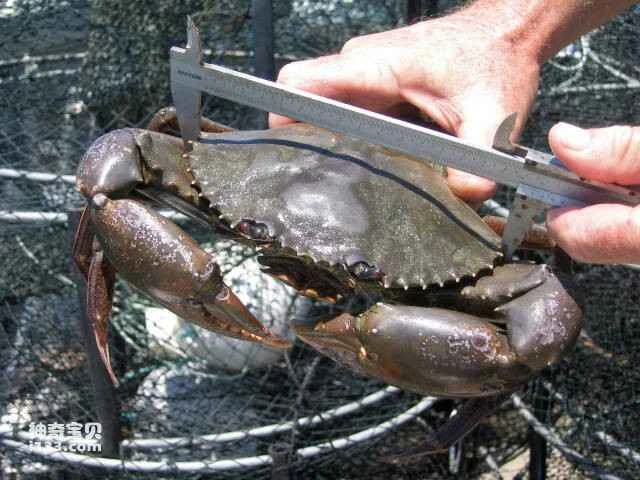
Blue crabs are widely consumed in the southeastern coastal areas of China and are known as the "Number One Crab of East China." They are typically cleaned and then cooked using methods such as steaming, braising, stir-frying with soy sauce, or stir-frying with ginger and scallions. They are also used to make soups, wontons, and other delicacies. Blue crabs are also an important seasoning, widely used in Chinese cuisine. Traditional dishes such as congee and ham and egg stir-fry often incorporate blue crab meat and its juices for flavoring.
5. Bread crab
The bread crab is a large crab found in the East China Sea and South China Sea, also known as the "rice bowl crab." Its carapace is orange-yellow or brownish-red, flat and round in shape, with powerful, short, and thick legs and two large pincers. They typically inhabit seabed environments such as reefs, caves, and coral reefs. Bread crab meat is thick, delicious, and highly nutritious. It contains abundant protein, trace elements, and vitamins, including rich amounts of calcium, phosphorus, iron, and other minerals essential for the human body. It is also said that bread crab meat has health benefits such as clearing heat and detoxifying, and nourishing yin and moisturizing dryness.
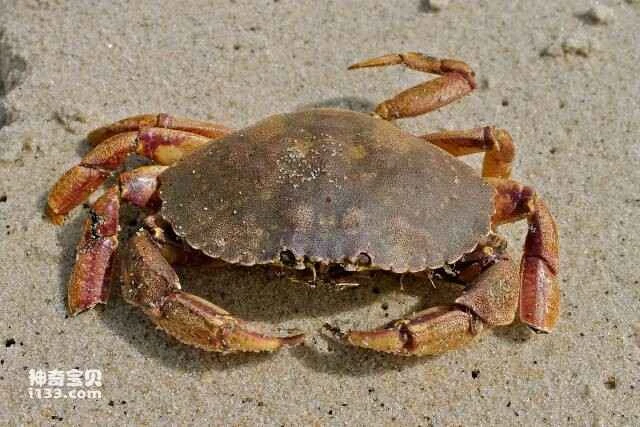
Bread crabs are widely consumed in southern China and enjoy a high reputation both domestically and internationally. They are typically cooked using methods such as steaming, braising, stir-frying, and making soup, often with seasonings like scallions, ginger, garlic, and chili peppers, resulting in a delicious and sweet flavor. The large chunks of meat from the bread crab can also be used as the main ingredient in other dishes, such as sweet and sour bread crab or bread crab pancakes.
6. Flower crab
The flower crab, also known as the flower crab, flower-shouldered crab, or river crab, is a freshwater crab species found in the waters of southern China. They are relatively small, typically only the size of a palm, brightly colored, and have beautiful patterns on their backs, hence the name "flower crab." Flower crabs primarily inhabit freshwater rivers, lakes, and ponds, feeding on aquatic animals and plants. They have a hard shell, a flattened body, and are highly aggressive. Furthermore, they are cold-resistant and can adapt to low-temperature environments.
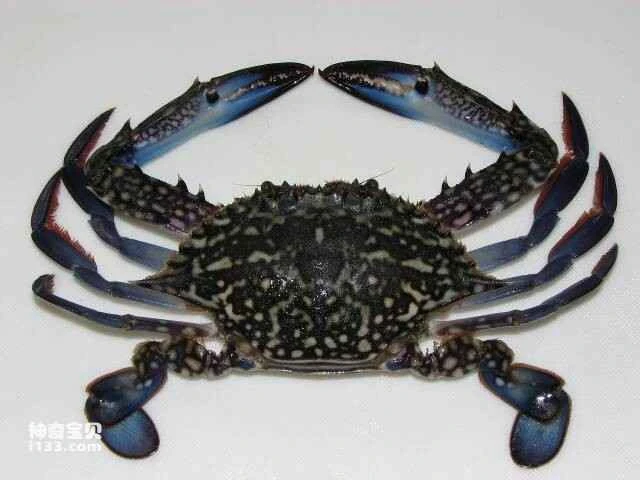
Flower crab meat is tender and delicious, making it a traditional delicacy. Due to its delicious taste and rich nutritional value, it is considered an indispensable specialty of the Jiangnan region. Flower crabs can be used to prepare a variety of dishes, such as steamed flower crab, braised flower crab, flower crab with scallions and ginger, and flower crab with garlic, each with its unique flavor. At the same time, flower crab is also a very healthy food, rich in protein, calcium, phosphorus, and other nutrients, offering important health benefits.
7. King Crab
King crab, also known as giant sand crab, is a large deep-sea crab that lives in the Arctic region. It is enormous, weighing over 10 kilograms, with a hard shell and a strong aggressive nature. King crab meat is delicious, tender, and rich in nutrients, primarily containing protein, potassium, magnesium, iron, and other nutrients. It also contains abundant unsaturated fatty acids, which have a protective effect on the cardiovascular system and can enhance the human immune system.

King crab is widely popular due to its delicious meat, making it a star product in the high-end seafood market. It is often processed into various dishes, such as steamed king crab, braised king crab, and spicy king crab, each with its unique flavor and taste. In addition, king crab can also be cooked directly or used in salads, offering a refreshing and delicious flavor that is loved by many consumers.
8. Butter Crab
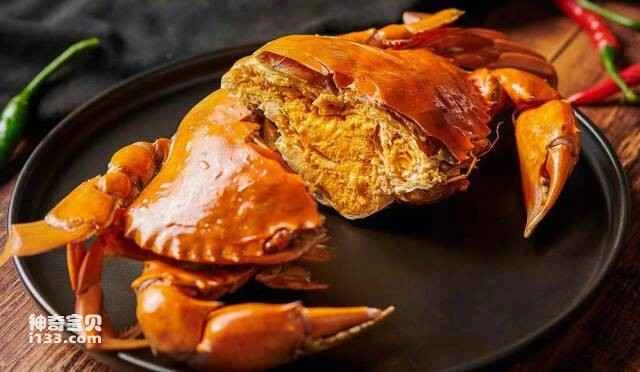
The predecessor of the yellow mud crab is the female mud crab, so its appearance is no different from that of the mud crab. The difference is that the color of the steamed crab body is between red and yellow, and yellow oil can be seen through the crab shell and the joints of the claws. The yellow mud crab is a newly emerging and precious crab species in Guangdong, Hong Kong and Macao, renowned in the south and known as the "King of Crabs". Its price is the highest among domestic crabs. In Hong Kong restaurants, it is priced by weight, and 50 grams can cost several hundred Hong Kong dollars. Therefore, the yellow mud crab can be said to be a unique and precious seafood in Guangdong, Hong Kong and Macao. The yield and quality of the yellow mud crab are directly affected by the breeding environment and weather, and the long production period makes the yellow mud crab so precious.
9. Snow Crab
Snow crabs, also known as queen crabs or Arctic crabs, are large marine crustaceans that live in the Arctic Ocean. They typically inhabit shallow seabeds, preferring to live in crevices among seabed rocks and shipwrecks. Snow crabs have brown or yellowish-green bodies, a rounded back, two large claws, and eight legs. Snow crab meat is delicious and is a very popular seafood. Its flesh is white and tender, rich in high-quality protein and various nutrients, with a sweet and delicious flavor and a delicate, smooth texture. Due to its high water content, special attention must be paid to the cooking temperature to avoid overcooking or overheating, which can make the meat tough.

Currently, Nova Scotia, Newfoundland and Labrador, and the Northern Fisheries Management Area in Canada are the world's largest snow crab producing regions, while Japan, Russia, Norway, Iceland, and other countries are also important snow crab producing areas.
10. Coconut Crab
Coconut crabs, also known as giant claw crabs, are large land crabs mainly distributed on tropical islands in the Pacific and Indian Oceans. They get their name from their habit of climbing coconut trees to find food. Coconut crabs are characterized by their enormous size and powerful claws; the largest individuals can weigh up to 4 kilograms and reach 1 meter in length. Since their main diet consists of fruits and nuts, their meat is delicious and has a rich fruity flavor.

Coconut crab is a traditional local ingredient with high nutritional value. Coconut crab meat contains various essential amino acids and trace elements, which are very beneficial to human health. In addition to being edible, coconut crabs are also considered to have mystical cultural significance and have become a symbol of some Pacific island nations. Due to the gradual decline in coconut crab populations, they are now under international protection, and their harvesting and consumption are restricted. If you have the opportunity to taste coconut crab, be sure to cherish this delicacy.
Crabs are an important link in the food chain and are widely consumed by humans. They also play a vital role in marine ecosystems. For example, some crab species help clear seabed vegetation, promoting marine ecological balance. In general, crabs are interesting and versatile creatures worthy of understanding and study. The above ranking is based on the taste, characteristics, quality, and nutritional value of common Chinese crabs, taking into account public awareness of crab species and other relevant online rankings/lists. This list is for reference only; please feel free to comment/discuss at the end if you have any questions.