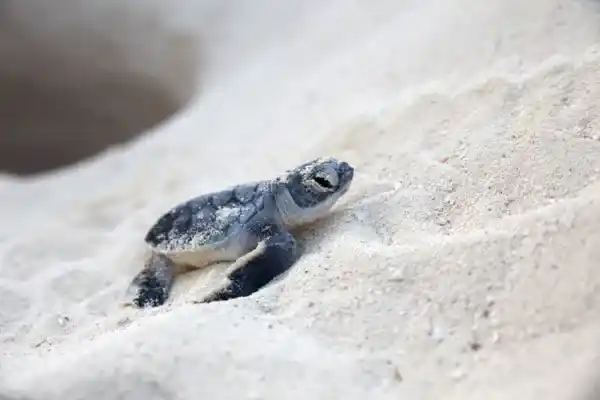
Solitary animals are those that prefer to live alone. These animals typically don't require social interaction and prefer to act and live independently. This article will list ten solitary animals, including tigers, leopards, owls, polar bears, black bears, giant pandas, lynxes, king cobras, honey badgers, and cats. Solitary animals are generally at the top of the food chain and are relatively powerful, representing the highest trophic level and requiring a large amount of energy.
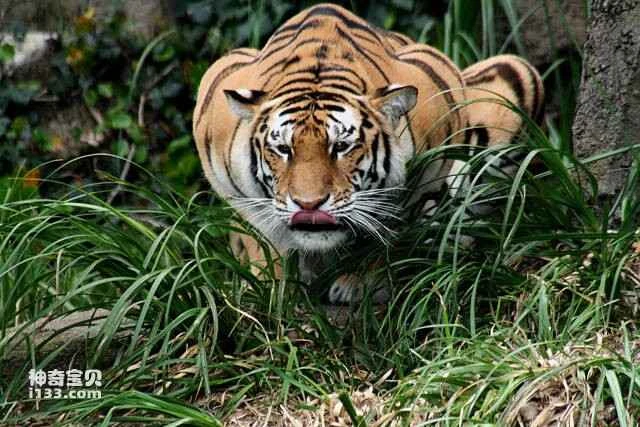
1. Tiger
Tigers are typically solitary animals, acting alone in nest building, foraging for food, and protecting their territory. Highly territorial, tigers require a territory of approximately 40 square kilometers to live and reproduce. They mark and maintain their territory using roars and scent to avoid conflict with other tigers. Each tiger has its own territory and does not allow other tigers to enter. Therefore, tigers are generally solitary animals and do not cooperate with other tigers or form groups. However, during the breeding season, males and females may meet and form social relationships for a period. During mating season, males and females may live together for days or weeks, but this is very rare. After breeding, they return to their solitary lives.
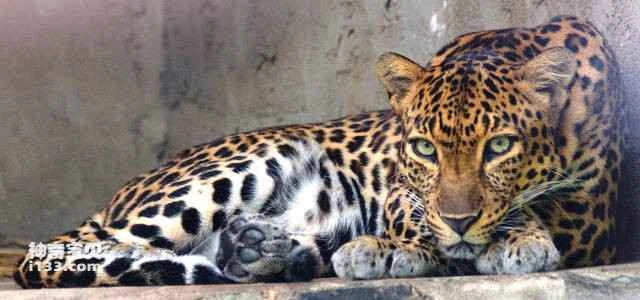
2. Leopard
Leopards are typically solitary animals. They act alone when building nests, foraging for food, and protecting their territory. Leopards hunt by ambush, usually active at night or at dusk, while resting in trees or rock crevices during the day. Because leopards are adept at jumping and climbing, and can move quickly, they generally hunt alone and do not cooperate with other leopards. However, during the breeding season, males and females may meet and form a social relationship for a period of time. During mating season, males and females may live together for days or weeks, but this is not common. Once breeding ends, they return to their solitary lives.
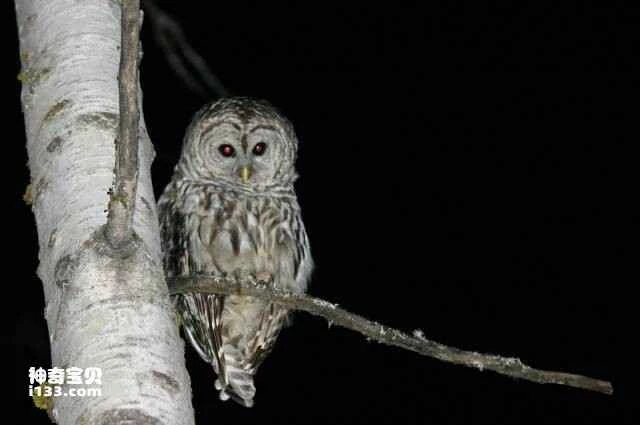
3. Owl
Owls are typically solitary animals, rarely forming groups or social groups. They act alone when nesting, foraging for food, and defending territory. However, during the breeding season (spring to summer), owls do form small family groups. Adult males and females care for the young together and hunt and defend their territory together. These family groups usually last only a few months, disbanding as the young grow up and leave the nesting site. In general, owls are solitary animals most of the time, but form small family groups during the breeding season.

4. Polar bear
Polar bears are typically solitary animals, acting alone in foraging for food, building nests, and protecting their territories. Due to the harsh environment and limited food resources in the Arctic, they require a large territory to live and reproduce. In the Arctic, male and female polar bears may meet during the breeding season and form a social bond for a period. During mating season, they may cooperate in foraging for food and protecting cubs. However, this is very rare; most of the time, polar bears live alone.
It is worth noting that as climate change and human activities have an increasing impact on Arctic ecosystems, polar bear social behavior may also change. Some studies suggest that in the event of global warming and ice cover reduction, polar bears may congregate more frequently due to increased food scarcity. However, this scenario still requires further research to confirm.
5. Black bear
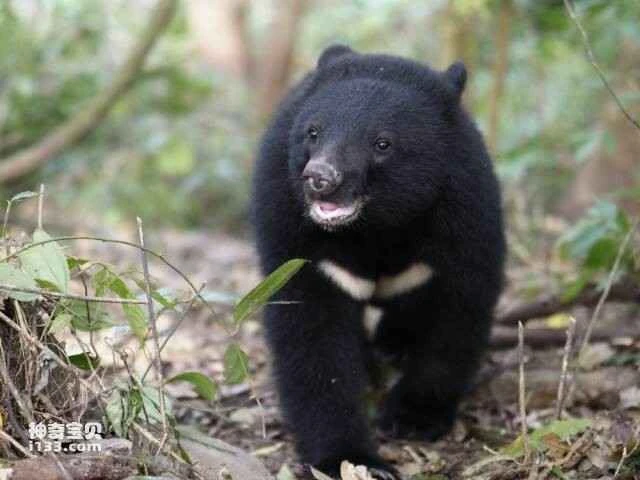
Asiatic black bears have seven subspecies, measuring approximately 150 to 170 centimeters in length and weighing around 150 kilograms. Their fur is typically black, shiny, and relatively long. Additionally, they usually have white hair on their chin and a V-shaped white patch on their chest. As forest animals, black bears have a wide range of habitats. Their range is influenced not only by the abundance of food resources but also by human activities such as road density, distance between villages, and recreational pressures. Generally, black bears are solitary animals, only meeting mates and possibly foraging together during the breeding season.
6. Giant Panda
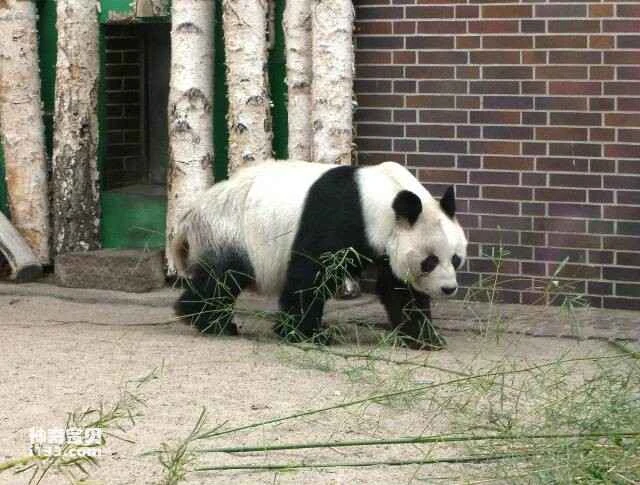
Giant pandas are typically solitary animals, acting alone when foraging, sleeping, and protecting their territory. They are carnivorous, primarily feeding on bamboo, requiring large quantities daily to sustain life. Due to limited food sources, they need a large territory to find food and avoid conflict with other pandas. Giant pandas use scent and sound to mark and maintain their territory, avoiding competition for food. Outside of the breeding season, giant pandas generally live alone, each with its own designated area. After breeding, male and female pandas separate again, with the female handling pregnancy, childbirth, and raising her cubs alone.
7. Lynx
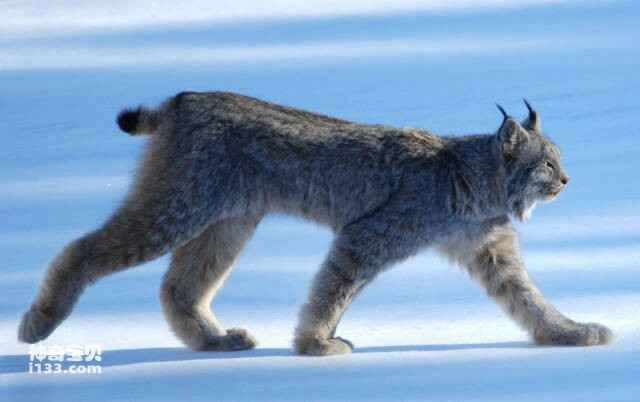
The lynx belongs to the cat family, with a size between that of a cat and a leopard, much larger than a typical cat. It has a robust body, an extremely short tail, and a head that is typically less than a quarter of its body length. The lynx also has long, highly agile limbs. Its ears have black, erect hairs, and its cheeks have long, drooping hairs. Their upper body is light brown, tan, light grayish-brown, or tawny, or grayish-white mixed with light brown tones; their lower body is light white, yellowish-white, or sandy yellow.
As a solitary wild animal, the lynx roams freely in vast open spaces, hunting at night without a fixed den. Cunning and cautious, lynxes quickly flee to trees for cover when threatened, sometimes even feigning death on the ground to escape attacks. The lynx is a mysterious animal, living a solitary life in the wild and representing the epitome of wildness and survival skills.
8. King Cobra
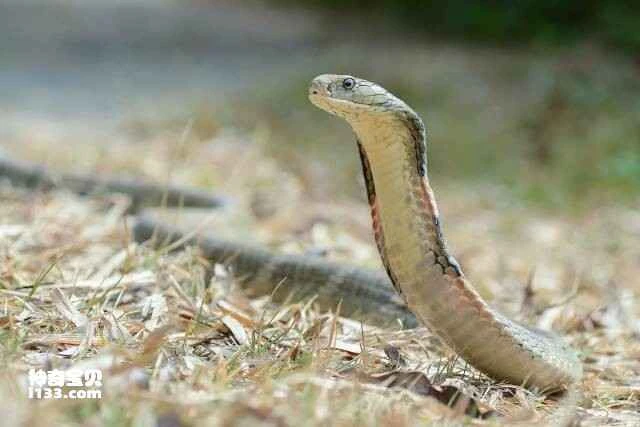
The king cobra, also known as the mountain snake, mountain beetle, large flat-necked snake, large cobra, large flat-headed snake, flat-necked snake, large swollen-necked snake, blowing snake, and mountain beetle, is called the "king cobra" but does not belong to the genus *Ophiopogon*, but rather to its own genus *Ophiopogon*. Compared to other cobras, the king cobra is more ferocious and extremely agile. Its head and neck are very flexible, and it produces a large amount of venom, making it one of the most dangerous snakes in the world. Therefore, people must exercise extreme caution when approaching this snake to avoid being attacked and injured.
King cobras are solitary creatures, typically hunting during the day and resting at night in rock crevices or tree hollows. Because of their wary nature, they will avoid any form of threat. Therefore, even professional wildlife conservationists must be extremely cautious when approaching these snakes. King cobras are extremely dangerous snakes; they are fierce, quick-reacting, and have a large venom output. Due to their solitary lifestyle, they are usually difficult for people to encounter.
9. Honey Badger
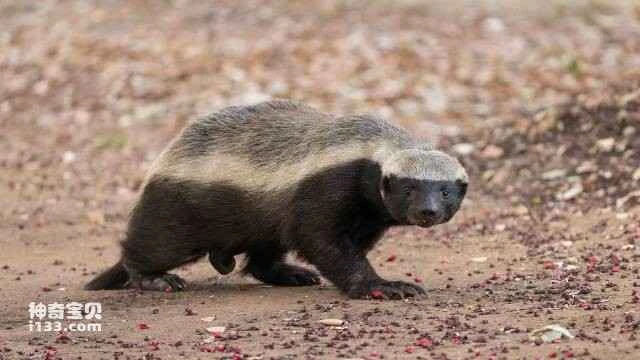
The honey badger is the only species in the genus *Honey Badger* of the family Mustelidae. Males average 98 cm in length, while females average 91 cm. They have been listed in the Guinness World Records as "the world's most fearless animal" for several years. Their reputation for boldness and fearlessness has led to a very limited number of zoos worldwide willing to house them. Honey badgers inhabit the tropical rainforests and open grasslands of Africa, typically living solitary lives and being active at dusk and night, resting in burrows during the day. They usually hunt at night and sleep in burrows or rock crevices during the day. However, honey badgers living in the Sahara Desert of Africa will also forage during the day, demonstrating skillful digging techniques.
In addition to this, cannibalism also occurs among honey badgers, especially among their cubs, with only half of the cubs reaching adulthood. This cannibalistic behavior may be related to limited food resources and territorial competition. Honey badgers inhabit the tropical rainforests and open grasslands of Africa, often hunting at night and resting in burrows or rock crevices during the day. While honey badgers living in the Sahara Desert are somewhat unique, they are still mostly nocturnal.
10. Cat
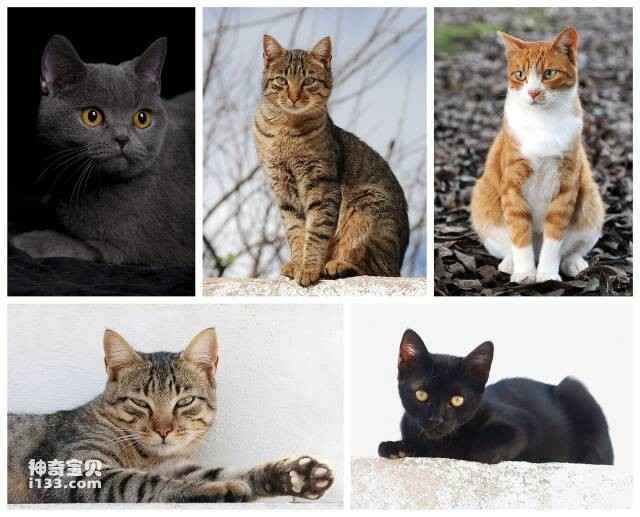
Cats are a species of animal belonging to the Felidae family, and are divided into domestic cats and wildcats. They are the most widespread pets in households worldwide. It is speculated that the ancestors of domestic cats originated from the desert cats and Persian cats of ancient Egypt, and gradually evolved into modern domestic cats after 3,500 years of domestication by humans. Cats are very agile, nimble, and adept at jumping. Their diet includes small mammals such as fish, mice, and rabbits. Cats prefer to eat fish and mice because they are nocturnal animals and need a lot of taurine to maintain clear vision. Mice and fish contain a large amount of taurine, so cats choose these foods to satisfy their needs.
Cats are typically solitary animals, unlike dogs which obey their owners' commands and act in packs. They also lack the loyalty and obedience of dogs, focusing more on their own needs and feelings, and only interacting with people or showing friendliness when they want to. In general, cats are agile, alert, and adaptable animals, often domesticated as pets. They prefer to be alone and have their own unique personalities and habits.
This list of the top ten solitary animals is primarily based on well-known solitary species, with additional reference to relevant online rankings. This list is for reference only and we hope it helps you find information about the top ten solitary animals. If you have any questions, please feel free to comment or offer corrections at the end.