In Spain, many wild animals are facing a survival crisis, including the Iberian lynx, moor tortoise, Mediterranean tortoise, black stork, Iberian wolf, European brown bear, bearded vulture, and common chameleon . In recent years, Spain has recorded more than 150 endangered species, and their numbers continue to rise.
Human activities damaging the natural environment, illegal hunting, invasive species, and climate change are all accelerating the extinction of these animals. To protect them, we must not only actively participate in environmental protection but also proactively report illegal activities against nature.
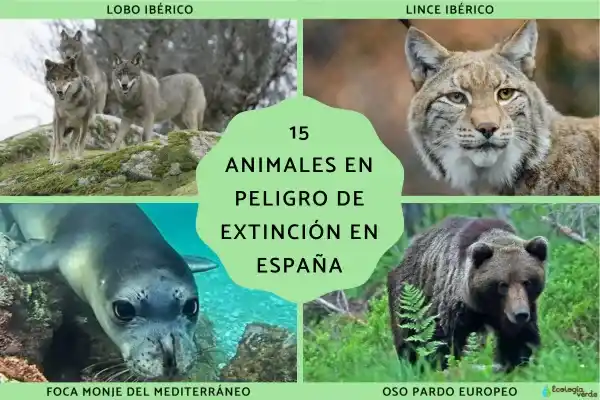
Below is an introduction to 15 of the most representative endangered animal species in Spain, including their scientific names, current population, distribution areas, and major threats.
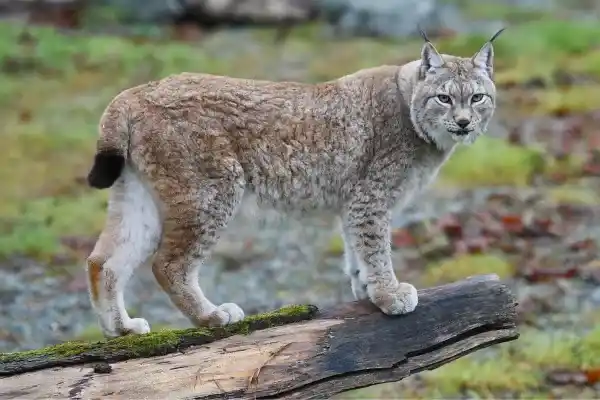
1. Iberian Lynx ( Lymph pardinus )
Current status : The world's most endangered feline species, found only in Spain.
Number : Ten years ago, there were only about 200 left, but in recent years, thanks to conservation and artificial breeding programs, the number has rebounded to about 500.
Distribution : Primarily concentrated in Dognana National Park and the Sierra Morena Mountains .
Threat factors :
Habitat loss
The number of wild rabbits has decreased sharply (their main food source).
Highway vehicle collision
Additional information : It is the last wild big cat in Europe and a "flagship species" for wildlife conservation in Spain.
2. Moorish Turtle ( Testudo graeca )
Current status : Globally classified as "vulnerable", but in Spain it is classified as critically endangered .
Quantity : Only about 200 remain.
Threat factors :
Habitat destruction
Competition from invasive species
Illegal capture as pets
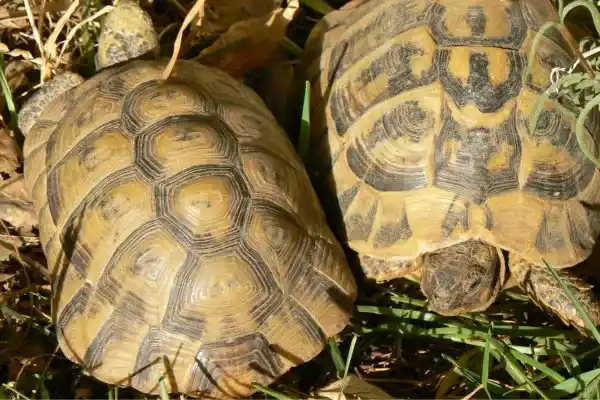
3. Mediterranean tortoise ( Testudo hermanni )
Distribution : Native to the Mediterranean coast, it is currently only found in parts of Catalonia and the Balearic Islands in the wild in Spain.
Threat factors :
illegal capture
Agricultural pesticides
Forest fire
Conservation efforts : In 2017, more than 300 individuals were released into the Garaf Nature Park in Catalonia, laying the foundation for the population's recovery.

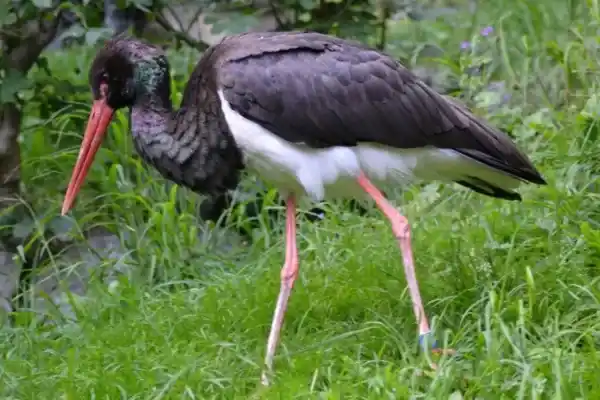
4. Black Stork ( Ciconia nigra )
Number : Only about 330 remain in Spain, facing a severe decline.
Threat factors : wetland destruction, deforestation of nesting forests, and reduction of food sources.
International Status : It is still classified as "low risk" globally, but is a key protected species in Spain.
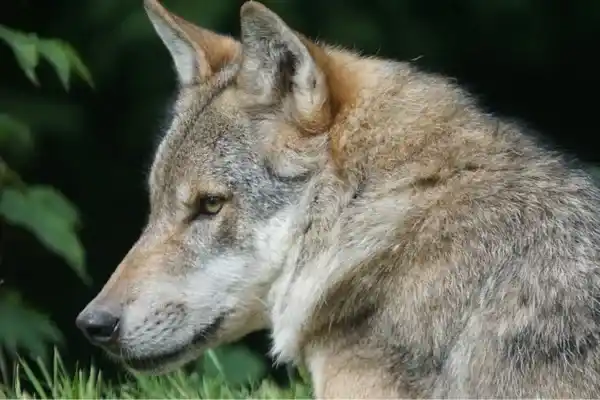
5. Iberian wolf ( Canis lupus signatus )
Historical background : Once considered a "pest," the animal was hunted for a fee by the government in the 1970s, resulting in a sharp decline in its numbers.
Current situation : The latest data shows that there are about 2,000 individuals , but legal hunting is still allowed in some areas, which is highly controversial in society.
Threat factors :
illegal hunting
Conflict with herders
Habitat fragmentation
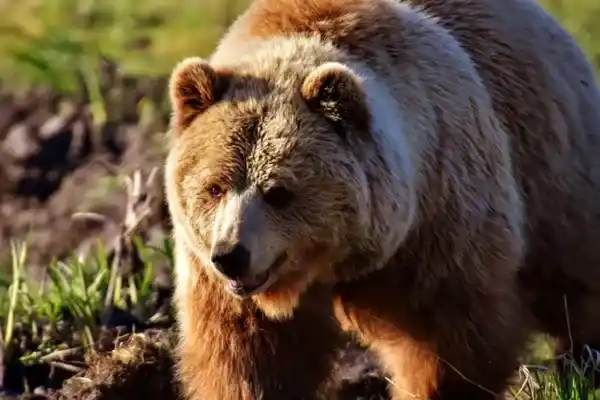
6. European brown bear ( Ursus arctos arctos )
Number : Only about 200 remain in Spain, distributed in the Cantabrian Mountains and the Pyrenees .
Threat factors :
Illegal hunting and poison bait
Deforestation and mining
Highway and ski resort construction leads to habitat shrinkage
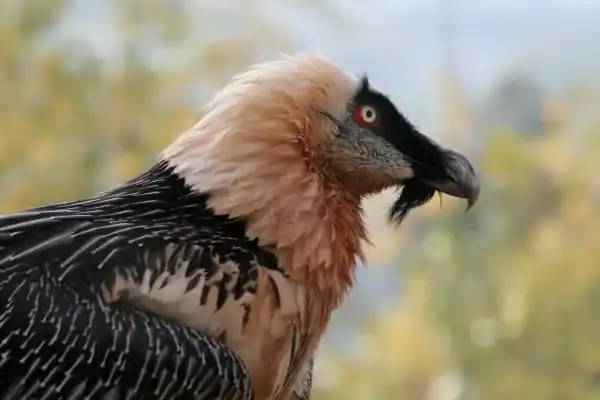
7. Bearded Vulture ( Gypaetus barbatus )
Current status : Mainly distributed in the Pyrenees Mountains , with a population of less than 300 , of which only about 100 are breeding pairs.
Threat factors :
Electric shock (to power lines)
poaching
Poison bait ingestion
Additional note : As a bone cleaner, it plays an important role in the ecosystem.
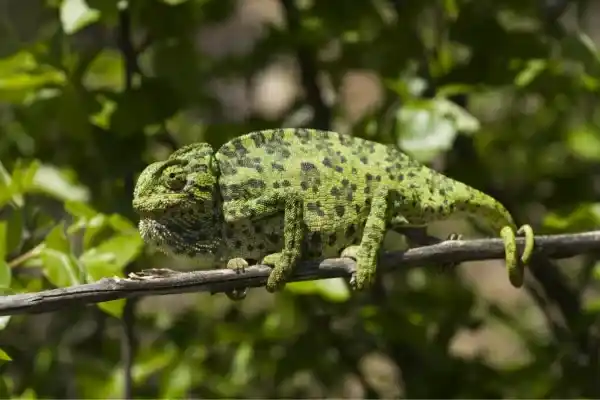
8. Common Chameleon ( Chamaeleo chamaeleon )
Global status : Widely distributed in Africa, Asia and Europe, not critical overall.
Number in Spain : Only about 50 per hectare on average, mainly concentrated in the pine forests of Malaga .
Threat factors : Extremely limited habitat and vulnerable to human development.
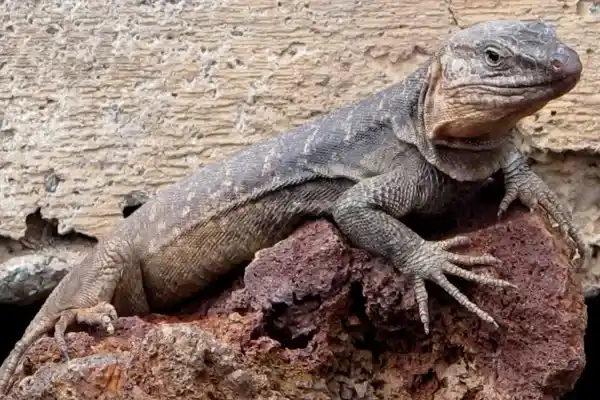
9. Eljero Monitor ( Gallotia simonyi )
Characteristics : It is found only on Eljero Island in the Canary Islands and is unique in the world.
Current situation : Only a few hundred remain, making them a critically endangered species.
Threat factors : primarily illegal capture and poaching.
Conservation efforts : Breeding and recovery centers have been established locally to help maintain the population.
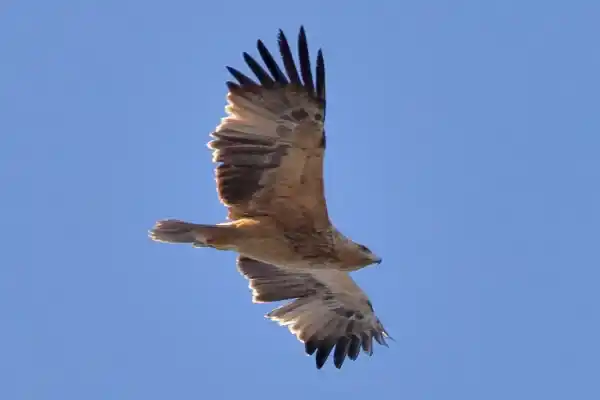
10. Iberian Imperial Eagle ( Aquila adalberti )
Status : A bird of prey endemic to Spain.
History : In the 1960s, there were only about 50 pairs left, but now, thanks to protection, the number has been restored to about 400 pairs .
Threat factors :
High voltage electric shock
Prey (hare) decreased
Human hunting and persecution
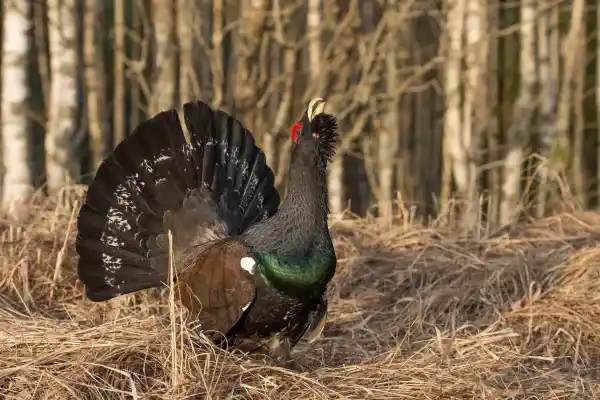
11. Cantabrian Grouse ( Tetrao urogallus cantabricus )
Number : Less than 300 , critically endangered .
Threat factors :
Deforestation and Habitat Fragmentation
hunting
Climate change
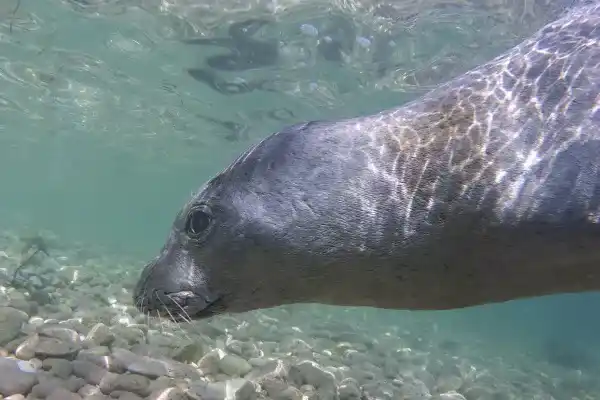
12. Mediterranean monk seal ( Monachus monachus )
Current status : One of the most endangered seals in the world.
History : They were once distributed along the coast of Spain, but have now completely disappeared and are only found in Greece, Turkey, and Madeira .
Threat factors : pollution, poaching, and habitat destruction.
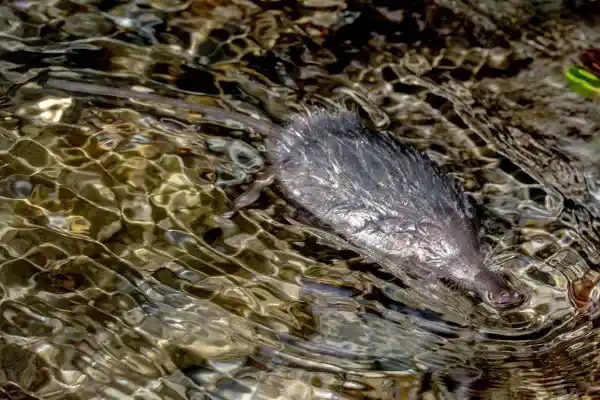
13. Iberian Mole ( Galemys pyrenaicus )
Characteristics : A semi-aquatic mammal that relies on clean, oxygen-rich mountain rivers.
Threat factors :
River pollution
Dam construction
Invasive alien species
Current status : Listed as an endangered species in Spain .
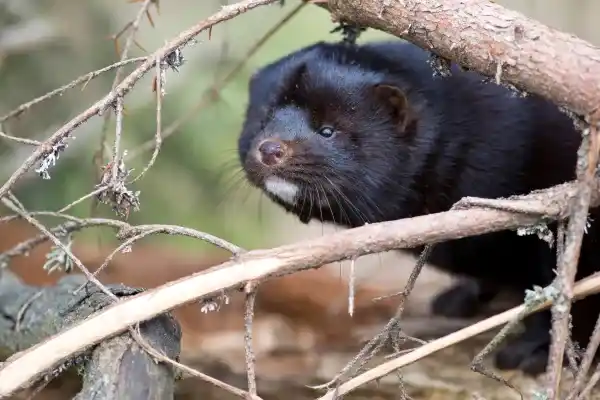
14. European mink ( Mustela lutreola )
Current status : One of the most endangered mammals in Europe.
Distribution in Spain : Found only in Navarre, La Rioja and the Basque Country , in very small numbers.
Threat factors :
Habitat destruction
Competition with introduced American mink
Protection measures include artificial breeding and wetland restoration, but restoration is extremely difficult.
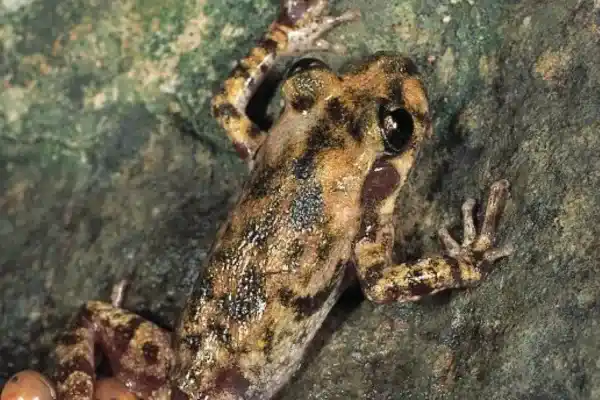
15. Balearic Valley Toad ( Alytes muletensis )
Other names : Ferreret or Balearic toad.
Distribution : Endemic to Mallorca, an amphibian.
Threats : Invasive snake species and habitat destruction.
Conservation measures : artificial breeding and habitat protection.
Other endangered animals
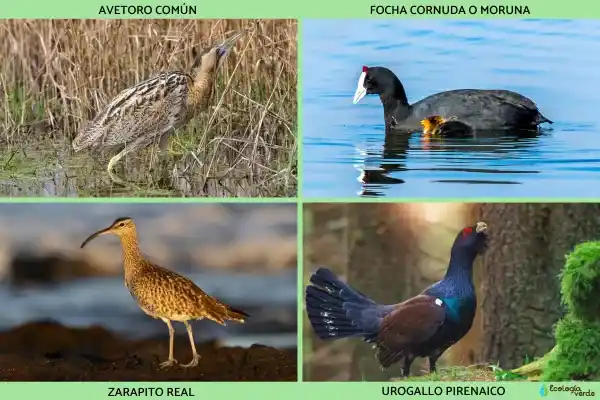
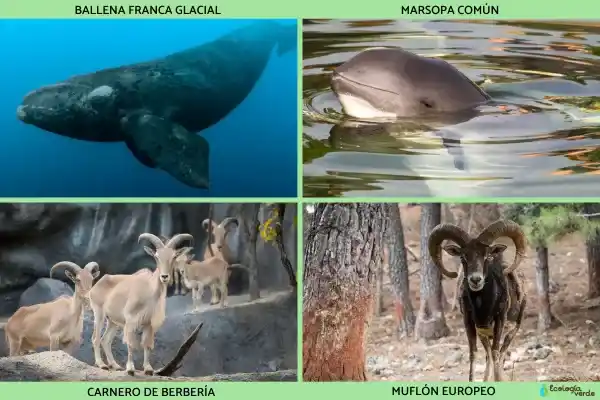
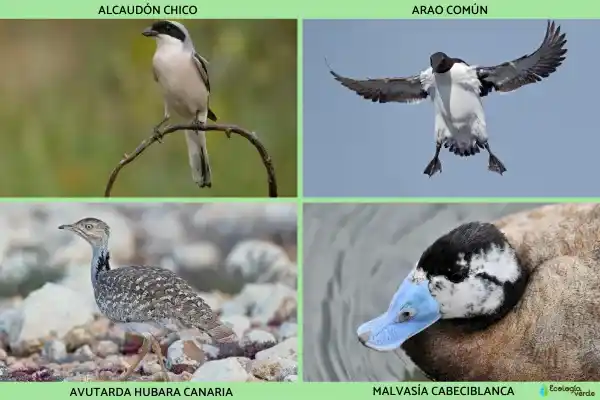
In addition to the 15 species mentioned above, Spain has many more endangered species, such as:
Short-toed Lark, Red-necked Grebe, European Little Owl
Basque whale (North Atlantic right whale), common porpoise
European argali sheep, Canary bustard, and white-headed hard-tailed duck.
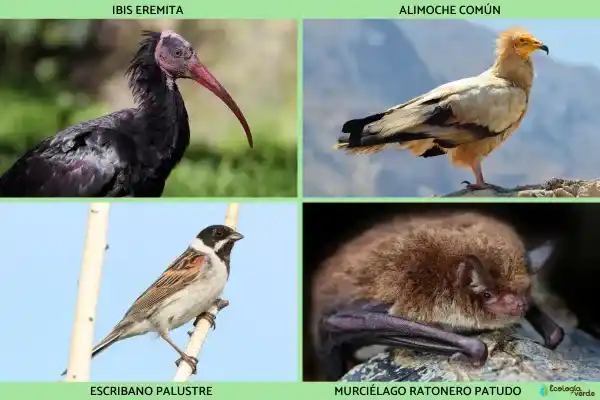
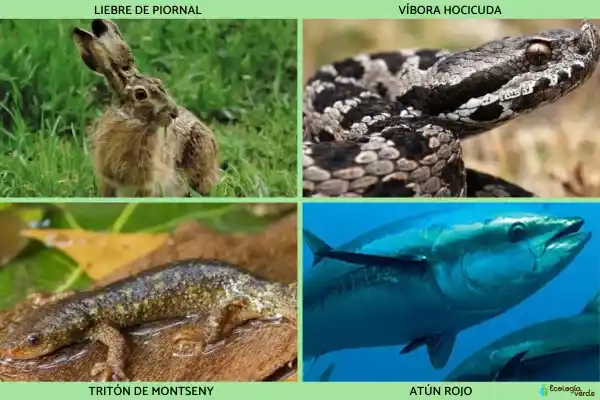
Hermit ibis, Egyptian vulture, Monteseni salamander, European red tuna...
Spain’s list of endangered animals grows almost every year, reflecting the urgency of ecological conservation.
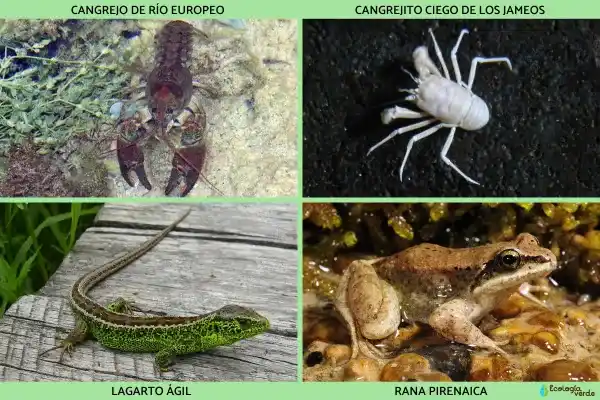
In conclusion , while Spain boasts rich biodiversity, it also faces enormous conservation challenges. From large predators like lynxes and wolves to small amphibians and reptiles like toads and lizards , the fate of many species hinges on human conservation efforts. Going forward, continued efforts in habitat restoration, strict enforcement, public education, and international cooperation are crucial to saving these species.
References
The International Union for Conservation of Nature (IUCN) Red List of Threatened Species. Website: https://www.iucnredlist.org/