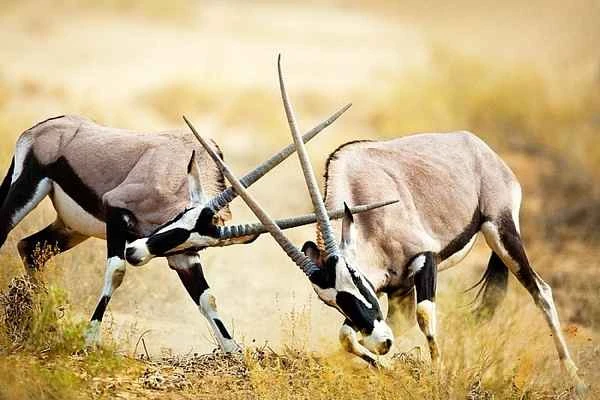
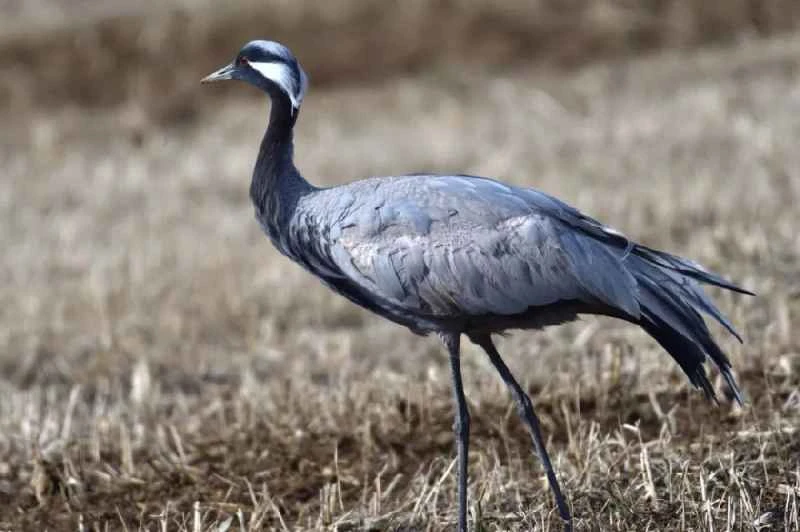
Success lies in maintaining enthusiasm amidst repeated failures. While this maxim is attributed to Winston Churchill (though there may be errors), it resonates deeply across the biological world. These organisms have overcome disease, hunger, predation, and human intervention to become the most numerous groups in their respective species classifications, demonstrating unwavering reproductive enthusiasm and awe-inspiring reproductive capacity. Of course, the exact number of many species populations is impossible to obtain precisely, especially those with secretive or nocturnal habits, or those with wide distributions. Therefore, some inferences are based solely on the breadth of a particular species' range or on speculation from the most reliable information. I have not taken into account invasive species, particularly domesticated ones, some of which number in the billions.
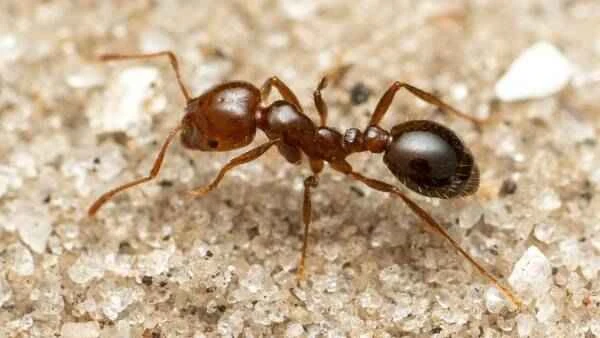
7. Insects - Ants
It's no surprise that ants are among the most numerous insects in the world. Globally, these social hymenoptera may number between 10 and 1000 trillion individuals; they comprise over 10,000 species. While some springtails or springtails were once considered the most numerous organisms, they are no longer considered part of the insect family, but rather included in a larger subphylum that includes insects and several related species. Although a few ant species are considered pests, ants are highly beneficial to ecosystems in most environments. They disperse seeds and promote the decomposition of organic matter while foraging.
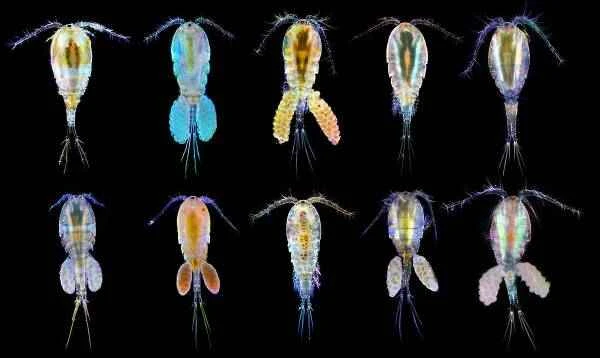
6. Crustaceans - Copepods
Copepods are not only the most numerous crustaceans in the world, but also possibly the most numerous multicellular organisms. Approximately 12,000 species inhabit both freshwater and saltwater environments worldwide, playing a vital ecological role in their habitats. Most copepods are vase-shaped, measuring only a few millimeters in length. They move through the water using paddle-like appendages, voraciously preying on bacteria, algae, and other microorganisms, and are an important food source for a variety of organisms, including fish fry and baleen whales. Some copepods are even parasites. Their numbers are so vast that divers often hear a splashing sound when millions of copepods are moving through the currents.
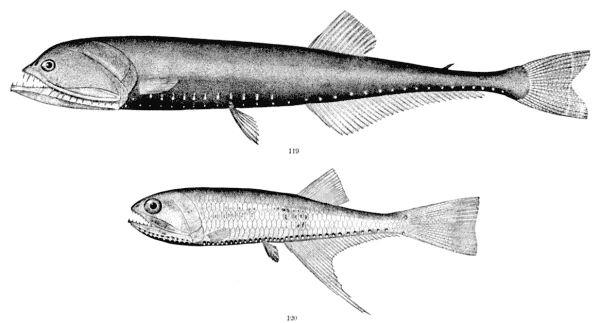
5. Fish - Light Fish
Grindmouth fish, also known as bristlefish, are considered the most numerous fish on Earth, even surpassing the well-known abundant herring to become one of the most numerous vertebrates. They belong to the family Gonostomatidae, which contains more than 30 species. Grindmouth fish are deep-sea fish, and to adapt to the dark environment, they have rows of bioluminescent organs on their sides, called luminescent bodies. These tiny organisms form a key part of the marine food chain. Their ubiquity contrasts sharply with their fragility: bristlefish caught in deep-sea trawls are often injured. Although they are highly adapted to the deep-sea environment, their delicate black or translucent skin cannot withstand the constant friction and pressure changes during the fishing process. Fortunately, bristlefish have aquatic adaptations... to me, the word "bristle" in their name does indeed have a somewhat stinging connotation.
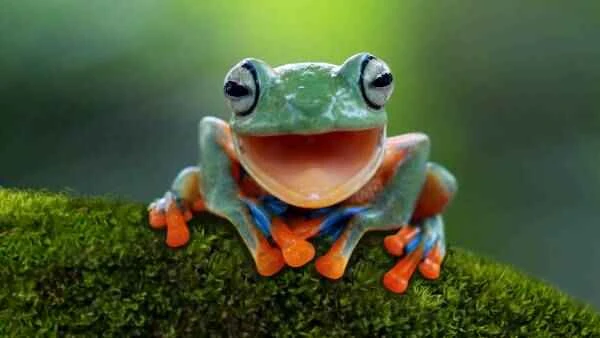
4. Amphibians - Frogs
Frogs are almost certainly the most numerous amphibians. As for which smooth-skinned animal is the most numerous, that remains a mystery. The order Anura, including frogs and toads, comprises approximately 5,500 species, but many are rare or found only in limited areas. The common frog (Rana temporaria) is widespread across much of Europe, while the wood frog (Lithobates sylvatica) can even be found in the waters of the northernmost parts of North America, making them leading candidates. However, the entirely aquatic African clawed frog (Xenopus laevis) is found across much of the continent, particularly in the south, and thus may compete with other species for numbers. Regardless of which species has the most individuals, it's important to recognize that amphibians worldwide face the threat of chytrid fungus, a fungus that can cause entire species extinction, significantly reducing the likelihood of the biblical frog plague sweeping through modern cities.
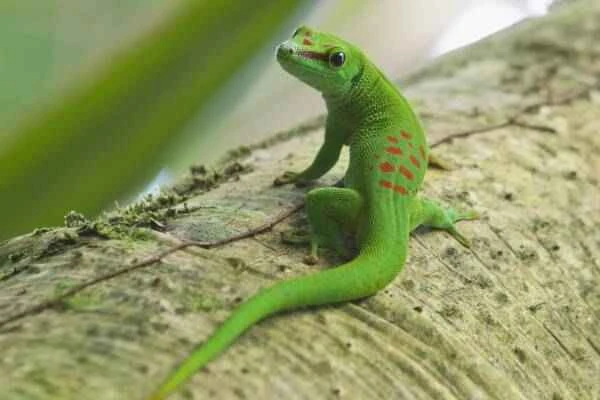
3. Reptiles - lizards or snakes
There are few definitive estimates of which reptile is actually the most numerous, but some possibilities exist. Viviparous lizards are a type of reptile found across a wide area of Europe and Asia, stretching from Britain and France to Japan and Russia, and even adapting to the lower Arctic regions. Its name refers to its ability to give birth to live young in the colder regions of its range. There are over a dozen species of snakes distributed across much of North America, and their numbers are likely very close. Regardless of the specific reptile, it can be identified as either a lizard or a snake. These creatures make up the order Squamata, forming the core of the reptile group. Even those with a fear of snakes can rest assured, as most of these species are completely harmless. They also play an important ecological role by preying on crops, disease-carrying rodents, and insects.
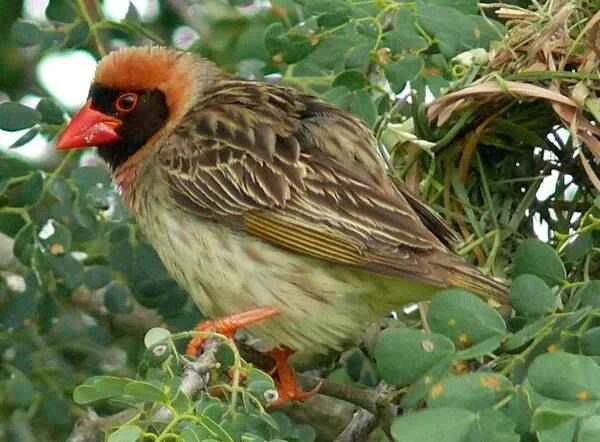
2. Birds - Red-billed Quillia
Let's imagine the horror of Tippi Hedley. The Red-billed Quelea (Quelea quelea), native to much of Africa, is considered the most numerous bird species on Earth. Population numbers vary seasonally, with estimates ranging from one billion to ten billion individuals. While very similar to sparrows and finches, they are distant relatives. They live in massive flocks and migrate according to the availability of their food source, grass seeds. They are considered one of the most serious agricultural pests in Africa. Because large numbers of birds can cause significant crop losses, several measures have been taken to combat them, including aerial spraying of poison. However, this also means that predators and scavengers sharing the food chain with the Red-billed Quelea can be affected by the poison.

1. Mammals - Humans
Humans are estimated to be the most numerous mammal species on Earth today. By 2011, the global population had reached approximately 7 billion, far exceeding our other mammalian brethren. The only species that might come close to or surpass us in numbers are the brown rat (Rattus norvegicus) and the house rat (Mus domesticus), whose evolutionary history and distribution are closely related to humans. However, given that these rodents are unlikely to have developed literacy and started filling out census forms (unless we exclude the mentally healthy "NIMH fugitives"), we may never know their exact numbers. As to which scenario is more unsettling—more than 7 billion rats or more than 7 billion humans—that is a troubling question.